
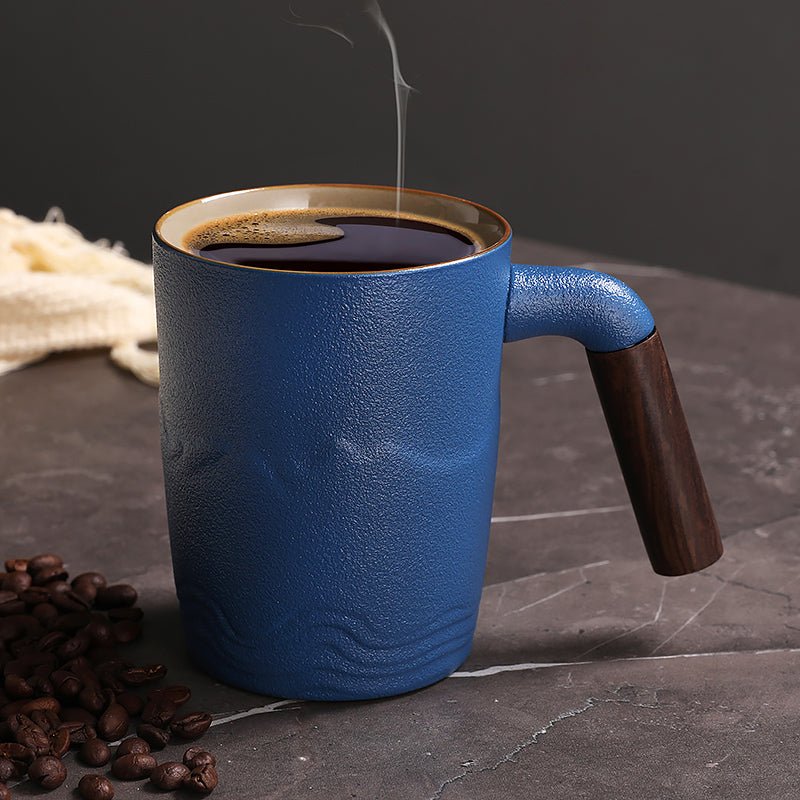
Ceramic Coffee Mugs: What to Look For Before You Buy
Reading time: about 9 minutes
One mug feels right the moment you wrap your hand around the handle. Another looks fine on the shelf, but the handle pinches your fingers, the rim feels too thick, or the cup is heavier than you want for a second refill. That is usually where the real decision gets made with ceramic coffee mugs.
We handle this category every day in our store, so we pay attention to the details buyers notice after the box is opened: how the mug sits on a desk, how it feels under a hot pour, whether the glaze looks even under kitchen light, and how it holds up after repeated dishwasher cycles. If you are comparing styles, our broader Coffee Mugs: How to Choose the Right Size, Material, and Style guide is a good starting point, but this page focuses on ceramic specifically.
Why do ceramic coffee mugs still make sense for daily use?
Ceramic earns its place because it is practical, familiar, and easy to live with. It holds heat well enough for an ordinary morning pour, does not feel flimsy in the hand, and usually gives you a better drinking experience than ultra-thin novelty mugs. In a kitchen, office break room, or gift box, ceramic tends to feel like the safe choice for good reason.
It also gives you more flexibility than a single style category might suggest. Glazed stoneware, smoother earthenware, and denser ceramic blends can all sit under the ceramic umbrella, but they do not behave exactly the same. A thicker mug can keep coffee warmer longer, while a lighter one may feel easier to lift when it is full. That trade-off matters if you drink slowly at a desk or prefer a quick cup on the go.
Ceramic is not the right answer for every buyer. If you want something extremely light for travel, a ceramic mug is the wrong category. If you drop mugs often, chip resistance becomes more important than the classic feel. And if you want a very large everyday vessel, our A buyer's guide to large capacity coffee mugs can help you compare oversized options before you choose.
What should you check before buying ceramic coffee mugs?
The details that matter are not flashy. They are the ones that affect your routine after the first week.
- Capacity: A standard mug usually sits around 11 to 15 ounces, which works for drip coffee, tea, and hot chocolate. If you regularly refill, you may want a larger cup instead.
- Handle shape: A handle should leave space for three fingers without feeling cramped. If you have larger hands, narrow handles can become annoying fast.
- Rim thickness: A thick rim feels sturdy but can make the mug feel bulky. A thinner rim often feels more refined, but it may not be as forgiving if you are sensitive to heat.
- Weight balance: A well-balanced ceramic mug should not feel top-heavy when full. A wide base helps with stability on a crowded desk or a wobbly breakfast table.
- Finish and glaze: Even glazing matters. We look for smooth interiors, consistent color, and no rough spots at the rim or handle joints.
These are the things that separate an everyday keeper from a mug that gets used twice and then ignored. In our experience, buyers often focus on the printed design first and the comfort second. That order usually leads to disappointment.
If you are shopping for a gift or something more personalized, the trade-offs change a little. A customized piece can feel more special, but it still needs to drink well. Our Custom Coffee Mugs: How to Choose the Right Style, Size, and Print article covers how to balance appearance with daily usability.
Which ceramic mug size and shape works best for your routine?
Shape changes the experience more than most shoppers expect. A wider mug cools coffee faster because there is more surface area exposed to air. A taller mug often retains heat a little better and can feel better suited to larger pours. Neither is universally better. The right choice depends on how you actually drink.
| Routine | Better mug shape | Why it works |
|---|---|---|
| Fast morning coffee at home | Standard round mug | Easy to handle, easy to store, and comfortable for one regular pour |
| Long desk sessions | Heavier ceramic mug with a stable base | Less likely to tip, with a sturdier feel during repeated sips |
| Tea, cocoa, or large pours | Broader or large-capacity mug | More room for liquid and add-ins, but slower cooling can vary by shape |
| Gift sets and display pieces | Clean-sided mug with balanced proportions | Looks polished and usually photographs well in a boxed set |
If you know you want a bigger serving, it is worth reading our Large Coffee Mugs: How to Choose the Right Size, Shape, and Material guide before buying. There is a real difference between a mug that is simply large and one that still feels comfortable in the hand when full.
We also see buyers who want a mug that does more than daily coffee duty. In that case, the style has to survive both the countertop and the gift table. For holiday shopping, our Christmas Coffee Mugs: How to Choose Gifts, Sets, and Everyday Favorites post covers what tends to work best when the mug is being bought for someone else.
How do ceramic coffee mugs compare with porcelain and other materials?
People often use ceramic and porcelain as if they were interchangeable. They are not quite the same. Porcelain is generally finer and denser, with a more delicate feel. Ceramic mugs often have a more substantial hand feel and can be more forgiving in everyday use, depending on the build. If you want a deeper breakdown, we covered this directly in Ceramic vs porcelain mugs: which lasts longer.
For most buyers, the real question is not which material sounds better. It is which one suits the way you use it.
- Ceramic: Good all-around choice for home and office use. Usually sturdy, familiar, and comfortable.
- Porcelain: Better if you want a finer, more refined look, but it can feel more delicate.
- Glass: Useful if you want to see the drink, but it often shows wear more quickly and can feel less cozy.
- Metal: Strong and practical for travel, but not ideal for the classic hot-coffee feel many buyers want.
One limitation worth being honest about: ceramic mugs are not the best option if you need absolute durability for a workshop, a commute, or a place where mugs are constantly knocked around. They can chip, especially at the rim, the handle, or the base. That does not make them poor products. It just means they are a better fit for a desk, kitchen, or break room than a rough-use environment.
How should you care for ceramic coffee mugs so they last longer?
Ceramic care is simple, but small habits matter. The most common wear we see is not dramatic damage. It is gradual dulling, tiny glaze marks from metal utensils, or chips from crowded dish racks and sink edges.
- Rinse the mug soon after use if you are drinking coffee with milk or flavored syrups.
- Do not stack mugs too tightly if the rims or handles touch.
- Use a gentle scrub on stains instead of harsh abrasion.
- Let the mug cool before running it under very cold water.
- Check the base and handle area occasionally for hairline chips before continued daily use.
Most ceramic coffee mugs are dishwasher-safe, but the print, glaze, and finish still matter. A heavily decorated mug may look fine on day one and show wear sooner than a simpler glaze after repeated washing. If a mug has gold accents, specialty paint, or a hand-finished edge, treat it more carefully than a plain everyday cup. That is not a defect. It is the reality of mixed materials and decorative finishes.
Our rule in the store is simple: if a mug looks great but feels awkward empty, it will annoy you full. Comfort first. Decoration second.
For shoppers who want to browse available styles directly, you can compare our current options in the full collection and then narrow down by size, finish, and purpose.
What should you choose if you want ceramic coffee mugs for a gift?
Gift buying changes the shortlist. You are not just picking a mug that works. You are picking one that feels considered when it comes out of the box. For that reason, the most reliable gift mugs usually have a balanced silhouette, a comfortable handle, and a finish that looks clean from across the room.
We usually steer gift buyers toward these priorities:
- Neutral shape: Classic shapes are easier to like than highly stylized novelty forms.
- Everyday size: Around 11 to 15 ounces is the safest middle ground for most adults.
- Easy care: Dishwasher-friendly mugs are simply easier to keep in regular rotation.
- Simple palette: A restrained glaze often ages better than a trend-driven colorway.
If you are building a set, think about how the mugs will look on a shelf, not just in a product photo. Matching mugs can make a kitchen feel organized, while mixed tones can feel more personal. Both can work. The better choice depends on the household and how much the mug will be seen every day.
For more gift-oriented buying help, the Christmas Coffee Mug Buying Guide: Materials, Sizes, and Gift Picks is useful if you are deciding between a practical everyday mug and something more presentation-focused.
Frequently asked questions
Are ceramic coffee mugs dishwasher-safe?
Many are, but not all finishes are equally durable. Plain glazed mugs usually handle dishwashers well, while decorative prints, metallic accents, or hand-finished details may wear faster. We recommend checking the care instructions for the specific mug and avoiding harsh cycles if you want the finish to stay crisp longer.
What size ceramic coffee mug is best for daily use?
For most people, 11 to 15 ounces is the most practical range. It holds a standard coffee pour without feeling oversized on a desk, and it still leaves room for milk or cream. If you regularly refill or drink larger servings, a bigger mug may be the better fit.
Do ceramic coffee mugs keep drinks hot longer than glass?
Usually, yes, because ceramic has better insulation than thin glass in everyday use. That said, mug shape and wall thickness matter too. A thicker ceramic mug will generally feel warmer for longer than a thin one, but no open mug will hold heat like a travel tumbler with a lid.
Can ceramic coffee mugs chip easily?
They can chip if the rim, handle, or base takes a hard knock. The most common damage we see comes from crowded sinks, tight dish racks, and accidental contact with countertops. Careful handling makes a real difference, especially with lighter or thinner mugs.
What makes one ceramic mug better than another?
Comfort, balance, and finish quality usually matter more than the printed design. Look for a handle that fits your hand, a stable base, and a smooth rim that feels good to drink from. If a mug looks nice but feels awkward empty, it will not earn daily use.
If you are comparing options now, start with the size you actually drink, then check handle comfort, glaze quality, and care requirements. From there, browse our product selection or narrow into the broader collection to find a mug that will still feel right after the first week, not just on the first day.
Read more
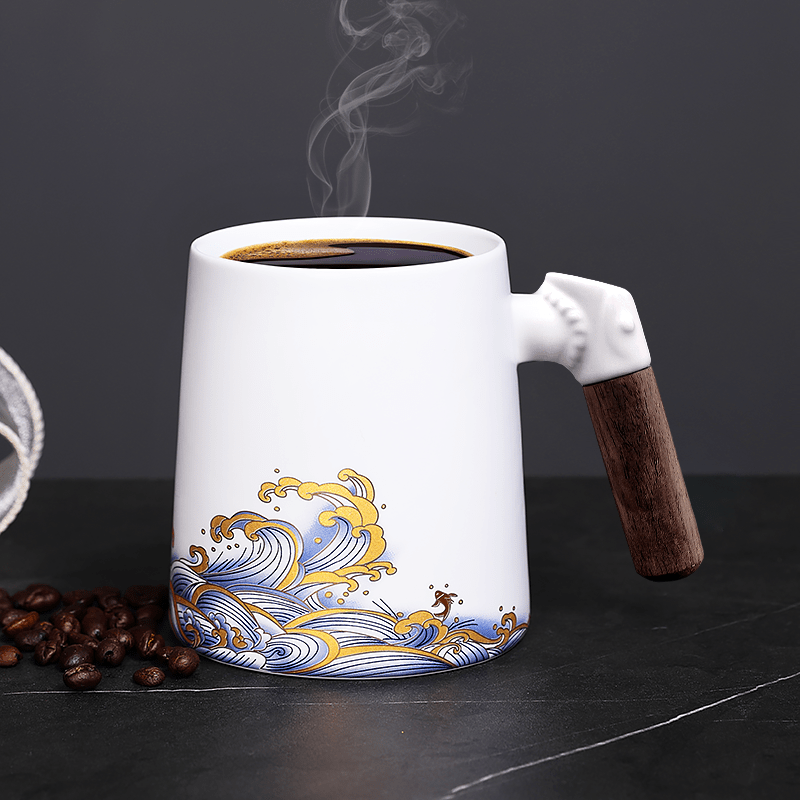
Big Mug Coffee: How to Choose the Right Large Mug for Daily Use
Big mug coffee works best when the mug matches how you actually drink: long desk sessions, larger pours, or a second cup without refilling. We break down sizes, materials, care, and trade-offs so y...
En savoir plus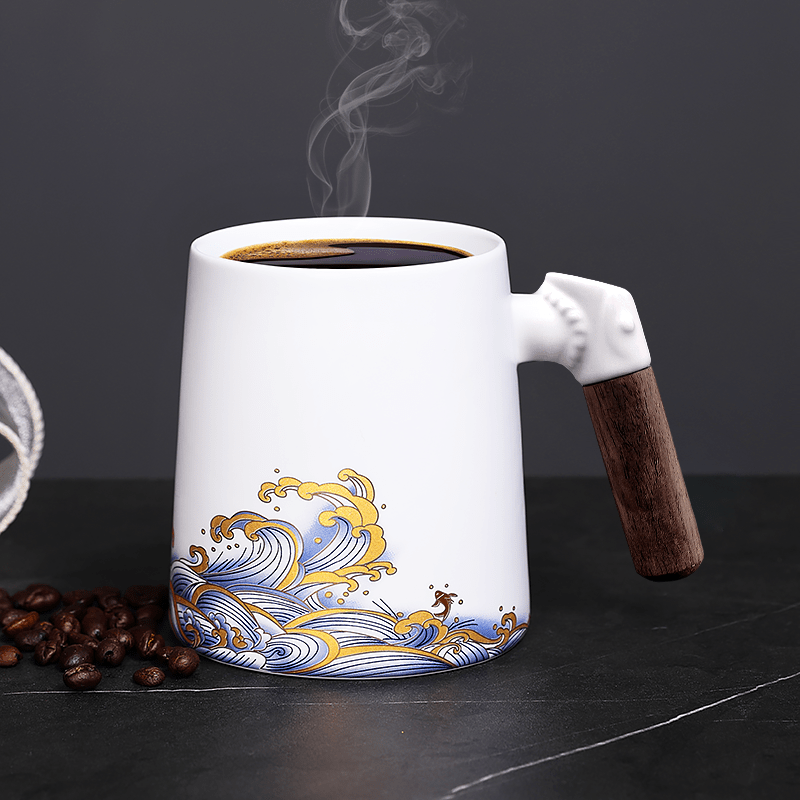
Big Mug Coffee Roaster Santa Clara CA: What Buyers Should Check
A fresh roast from a Santa Clara coffee shop deserves a mug that stays comfortable after the first refill. We break down size, material, handle shape, and care so you can choose a big mug that work...
En savoir plus
Laisser un commentaire
Ce site est protégé par hCaptcha, et la Politique de confidentialité et les Conditions de service de hCaptcha s’appliquent.