
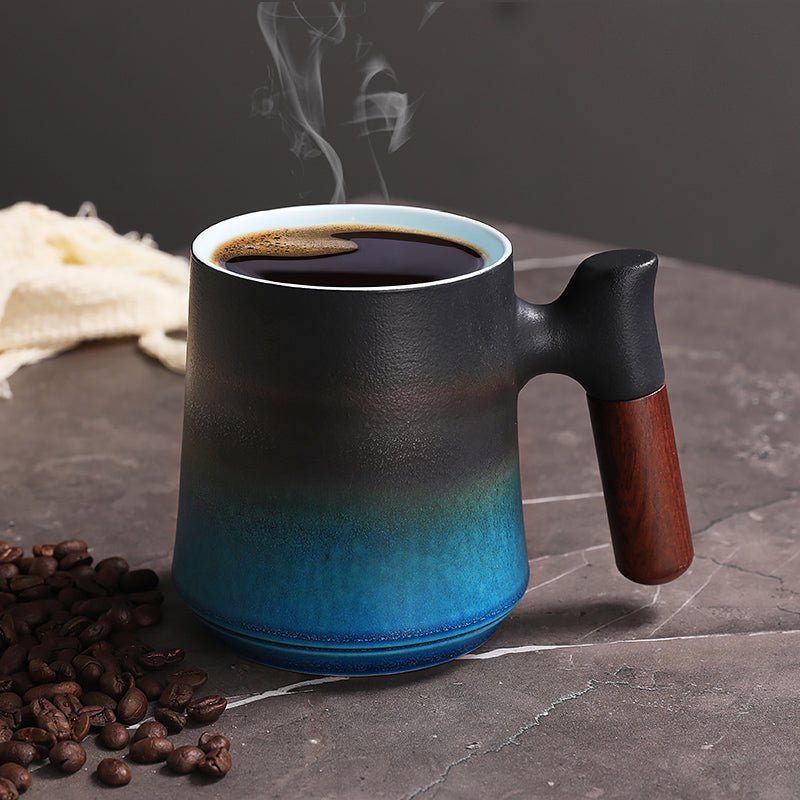
Ceramic Coffee Mugs Factory: What Buyers Should Check Before Ordering
Reading time: about 9 minutes
A mug can look right on a product page and still feel wrong in your hand. We see that most often when a buyer wants a ceramic coffee mugs factory option for everyday use, gifts, or office desks, but only notices the problems after the first wash, first pour, or first morning commute.
That is why we approach ceramic mugs differently in our store. The photo matters, but the more useful questions are about the clay body, glaze, handle comfort, rim feel, and how the mug behaves after repeated use. Those are the details that decide whether a mug becomes a favorite or ends up in the back of the cabinet.
If you are comparing styles now, start with our full mug collection and then compare the shapes that fit your routine. For a more sculpted daily-use cup, see the Pleated Coffee Tea Cup, the The Flow Coffee Tea Mug, and the Mountain Sea Coffee Tea Mug.
What does a ceramic coffee mugs factory actually do?
A ceramic coffee mugs factory is where clay is turned into a shaped, fired, glazed, and finished mug that can survive daily use. The process usually starts with a formed clay body, then drying, bisque firing, glazing, and a final firing that hardens the surface and sets the finish. That final step is what gives ceramic mugs their familiar feel: solid in the hand, slightly insulating, and more substantial than thin glass or disposable drinkware.
From a buyer's perspective, the important part is not the factory label itself. It is the control behind the label. A good ceramic line usually pays attention to three things:
- Wall thickness: too thin and the mug can feel fragile; too thick and it can feel heavy or slow to warm.
- Glaze consistency: an even glaze helps the mug look clean and feel smooth at the rim and handle.
- Foot finish: the base should sit flat and not scratch counters or leave a rough ring on shelves.
We have seen buyers focus only on design and miss the practical part. A strong shape matters more than a busy print if the mug will live on a kitchen counter, a desk, or a meeting room tray where it gets used several times a day.
Which mug details matter most before you buy?
When we help customers compare mugs, we start with the same set of checks. Those details tell you more than a polished product photo does.
| What to check | Why it matters | What can go wrong |
|---|---|---|
| Rim shape | A smooth rim improves drinking comfort | A thick or uneven rim can feel awkward on the lips |
| Handle opening | It affects grip, especially for larger hands | A tight handle can be hard to hold when the mug is full |
| Base stability | Keeps the mug steady on counters and trays | A slightly warped base can wobble |
| Glaze finish | Influences appearance and cleaning | Pitting, pinholes, or color variation can distract from the look |
| Wall feel | Changes heat retention and hand comfort | Very thin walls may feel less durable; very thick walls can feel bulky |
These checks are not theoretical. They show up in everyday use: on a kitchen counter before the first sip, under an office desk lamp, or after a dishwasher cycle when a mug either still looks sharp or starts to show wear. If you want a broader buying framework, our guide on what to look for before you buy breaks down the same details from a shopper's angle.
One specific detail we always watch is the foot ring. On a well-made ceramic mug, the base should be smooth enough to rest cleanly on a table, but not so polished that it feels slippery. Another is the inside glaze line. If the interior finish looks uneven where the glaze meets the lower wall, that is a sign to inspect the rest of the mug carefully. Small defects do not always affect function, but they do affect long-term satisfaction.
Which shapes work best for coffee, tea, and desk use?
Shape changes the experience more than many shoppers expect. A straight-sided mug feels practical and familiar. A rounded mug can feel softer in the hand. A more sculpted body can make an everyday cup feel a little more intentional on a desk or gift table.
Here is the simplest way we suggest comparing styles:
- For short morning coffee: choose a shape with a comfortable handle and a rim that feels open, not cramped.
- For tea or slower sipping: look for a mug that is stable and easy to clean inside, with enough room for steeping or stirring.
- For office use: prioritize balance, handle clearance, and a shape that fits under common coffee machines or shelving.
- For gifting: choose a style with a distinctive silhouette or finish that looks intentional when unboxed.
The Pleated Coffee Tea Cup is a good example of a mug that reads as more design-led without losing everyday usefulness. The Flow Coffee Tea Mug leans into a softer profile, which can suit buyers who want something less boxy on the table. Mountain Sea Coffee Tea Mug fits buyers who prefer a more expressive, giftable look.
If your priority is capacity and daily comfort first, compare the shape against our other reading on 20 oz fit, heat, and care. That size class is not for everyone. Some people love the extra room. Others find it too heavy once filled.
What trade-offs should you expect with ceramic mugs?
Ceramic mugs are a strong choice for home and office use, but they are not the answer for every setup. We prefer to be direct about that.
What ceramic does well:
- Feels solid and familiar in daily use.
- Usually offers a better drinking experience than ultra-thin promotional mugs.
- Works well for buyers who want a mug that looks presentable on a counter or shelf.
Where ceramic is less ideal:
- Travel use, especially if the mug will be tossed in a bag.
- People who want the lightest possible cup for long handheld sipping.
- Rough handling, since ceramic can chip if it hits a sink, plate edge, or metal rack.
That chip risk is the main limitation to understand. Ceramic is durable for normal use, but it is not indestructible. The most common damage modes we see are rim chips, hairline crazing in the glaze over time, and small scuffs on the base from stacked storage. None of those are reasons to avoid ceramic altogether, but they are real trade-offs.
If you are shopping for a mug to personalize by hand, read our article on ceramic coffee mugs to paint. That use case has its own checklist. A mug that looks perfect for espresso on a shelf may not be the best blank if you want a smooth surface for decorating.
How should you care for a ceramic mug so it lasts longer?
Care is straightforward, but a little consistency goes a long way. We tell customers to treat ceramic mugs like everyday kitchenware, not delicate display pieces, unless the finish or decoration clearly suggests otherwise.
Practical care habits that help:
- Rinse mugs soon after use, especially after coffee or tea that can stain light interiors.
- Avoid stacking mugs too tightly if the glaze is glossy and the interior finish is soft.
- Use a non-abrasive sponge on stubborn marks so you do not dull the surface.
- Dry the base area before storing if you keep mugs in a cabinet that holds moisture.
Dishwasher use is fine for many ceramic mugs if the listing allows it, but repeated high-heat cycles can make small flaws easier to notice over time. If the mug has a printed or textured finish, we recommend checking the care notes carefully before relying on automatic washing. A mug that is easy to hand wash is often the better buy if you use it only once or twice a day and want the finish to stay crisp.
This is also where buying from a clear collection helps. Our all mugs collection makes it easier to compare styles with the same store standards, rather than mixing random marketplace listings with inconsistent care instructions.
How do you compare mugs if you are buying as a gift or for the office?
Gift buyers and office buyers care about different things, even if they do not always say it out loud. For gifts, presentation matters. For offices, repeat use matters. A mug that is beautiful in a box but awkward on a desk will not earn its keep.
For gifting, we look for:
- A finish that feels intentional when opened.
- A shape that does not look generic next to the rest of the kitchen.
- A size that is easy to hold without feeling oversized.
For office use, we look for:
- A handle that fits comfortably for long holds.
- A base that sits securely on desks, trays, and coasters.
- A design that still looks clean after repeated washing.
If your buyer is comparing more traditional shapes, our guide on Starbucks-style ceramic mugs can help frame the differences that matter: shape, weight, and how the mug feels after a few weeks of actual use. Not every shopper wants the same thing. Some want a familiar silhouette. Others want a mug that feels more personal and less mass-market.
That is the reason we sell design-led everyday pieces instead of only one mug shape. People use mugs in different ways. A desk mug is not the same as a weekend coffee mug, and a gift mug should not be chosen with the same criteria as a commuter tumbler.
Frequently asked questions
What should I check first on a ceramic coffee mugs factory listing?
Start with the material description, care notes, and photos of the handle, rim, and base. Those three areas tell you a lot about comfort and build quality. If the listing is vague about finish or use case, treat it as a warning sign and compare it against a clearer product page.
Are ceramic mugs good for daily coffee use?
Yes, if you want a mug that feels solid and looks at home in a kitchen or office. Ceramic is a good everyday material, but it can chip if handled roughly. If durability in transit matters more than drinking comfort, a travel tumbler may fit better.
What is the biggest quality problem buyers miss?
Uneven finish around the rim or handle is one of the easiest things to miss in photos. A mug can still be usable even with cosmetic variation, but rough edges or a wobbly base are harder to ignore after purchase. We always suggest checking those details before buying.
Can ceramic mugs go in the dishwasher and microwave?
Many can, but you should follow the care guidance on the specific listing. Glaze, print method, and decorative textures can change what is safe. If you want easy maintenance, choose a mug with straightforward care instructions rather than assuming every ceramic mug behaves the same way.
What type of ceramic mug is better for gifting?
A mug with a distinct shape or glaze usually makes a better gift than a plain generic one. Buyers often remember how the mug looked when unboxed and how it felt in hand. A balanced design matters more than a large capacity if the goal is presentation.
If you want to compare styles side by side, start with the full collection, then narrow by shape and finish. If you want a next-step checklist, use this order: rim comfort, handle fit, base stability, glaze finish, then care instructions. That sequence will save you from buying a mug that looks good online but feels wrong in daily use.
Read more
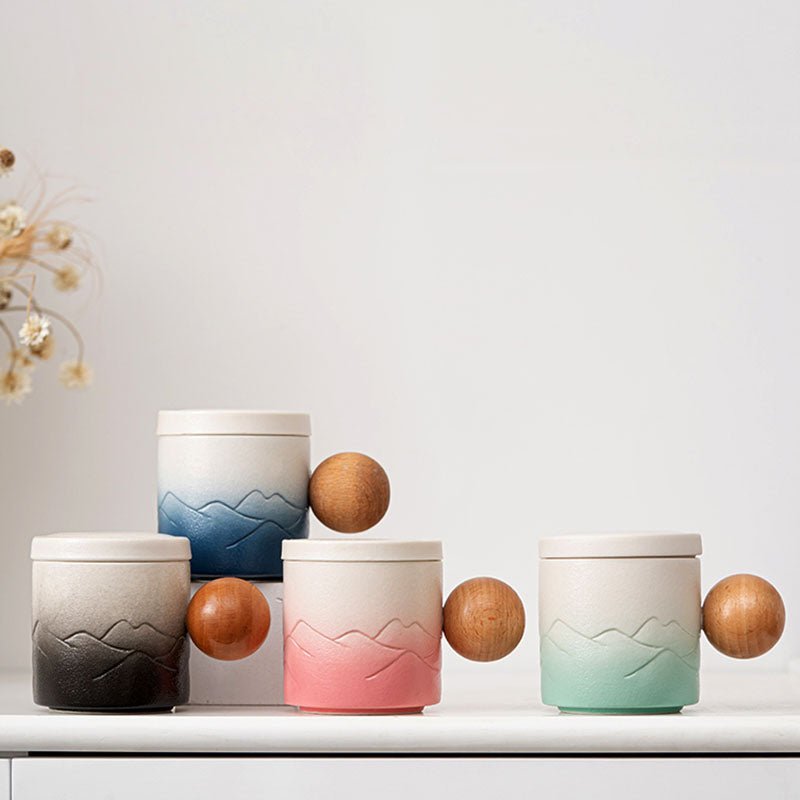
Italian Coffee Mugs: How to Choose the Right Style for Daily Use
Italian coffee mugs are usually less about souvenir prints and more about the right size, rim feel, and table presence. This guide compares everyday, giftable, and tall mug styles so you can choose...
En savoir plus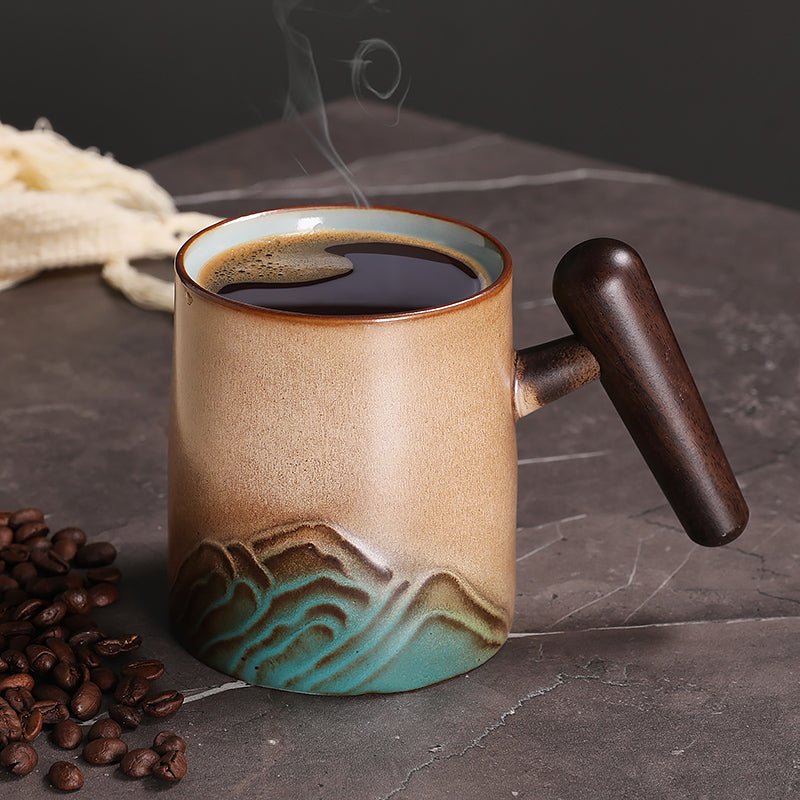
Royal Copenhagen Coffee Mugs: What Buyers Should Check Before Ordering
Royal Copenhagen coffee mugs can be a strong buy if you care about porcelain feel, handle comfort, and how the mug actually drinks day to day. We break down what to inspect before ordering and wher...
En savoir plus
Laisser un commentaire
Ce site est protégé par hCaptcha, et la Politique de confidentialité et les Conditions de service de hCaptcha s’appliquent.