
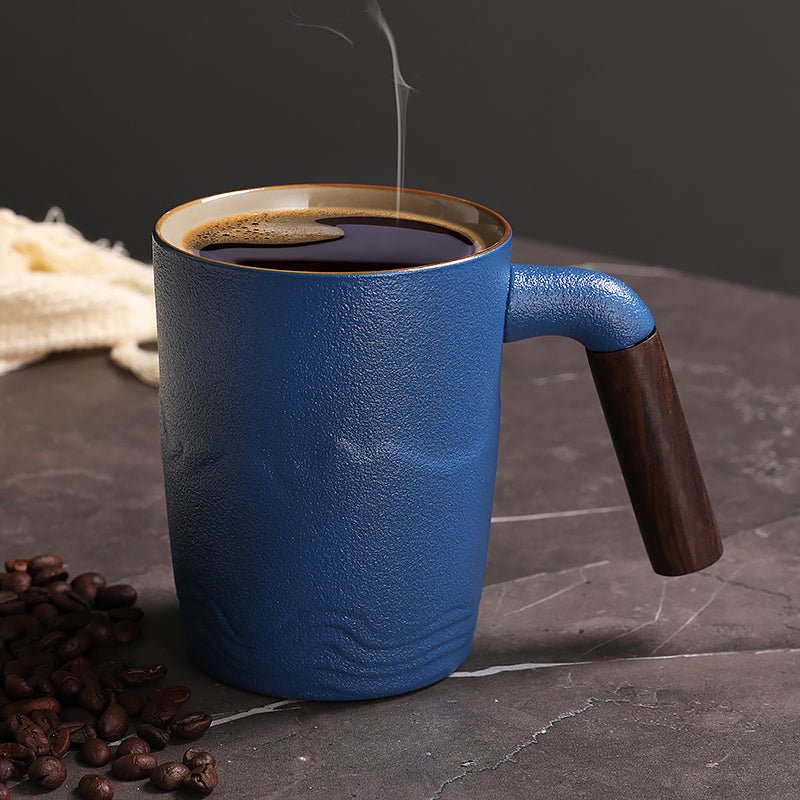
Ceramic Coffee Mug Buying Guide: What to Check Before You Buy
Reading time: about 9 minutes
A ceramic coffee mug can feel perfect in the hand on day one and then disappoint after a week if the glaze is thin, the handle is cramped, or the base starts to pick up stains. We see that difference quickly in our store, especially when shoppers are comparing a mug for a kitchen counter, an office desk, or a gift box.
The right choice is usually less about style photos and more about the small details: wall thickness, rim shape, handle clearance, and whether the mug can handle regular dishwasher cycles without fading or chipping. If you want a broader starting point, our Coffee Mug Buying Guide: Materials, Sizes, and Everyday Use covers the category at a higher level, but this guide stays focused on ceramic.
What makes a ceramic coffee mug worth buying?
A good ceramic coffee mug should do three jobs well. It should hold heat long enough for a normal drink, feel stable on a table, and stay easy to clean after repeated use. In practice, that usually comes down to the body material, the glaze finish, and how the mug is formed at the handle and foot.
We look closely at mugs made from ceramic bodies such as stoneware or porcelain because they each bring a different feel. Stoneware tends to feel a little heavier and more substantial. Porcelain is often thinner and lighter in the hand. Neither is automatically better. The better choice depends on how you drink coffee and where you use the mug.
- Stoneware: usually has a sturdier feel and better heat retention for slow sipping.
- Porcelain: often feels lighter, with a finer rim and a more delicate presentation.
- Glaze quality: should be even, with no pinholes, rough spots, or pooling where coffee residue can build up.
- Foot ring: should sit flat so the mug does not wobble on a desk or tray.
A ceramic coffee mug is not the best choice if you want something unbreakable for commuting, camping, or throwing into a bag. For those use cases, a travel tumbler or insulated steel cup is the more realistic buy.
Which size works best for daily coffee?
Size changes the whole experience. An 8 oz mug works well for espresso-based drinks or small pours. An 11 to 12 oz mug is often the most flexible for drip coffee, tea, or a shorter latte. Larger mugs can be useful if you habitually refill or add a lot of milk, but they can also make a drink cool down faster if the volume sits low in a wide cup.
We usually advise shoppers to think in terms of serving behavior, not just capacity. A wide, tall mug can hold more liquid, but if the opening is too broad, heat loss speeds up. A narrow mug may keep coffee warmer a bit longer, though some people find it less comfortable for milk-heavy drinks.
If you are comparing larger options for all-day use, our post on Big Mug Coffee: How to Choose the Right Large Mug for Daily Use breaks down why oversized mugs work for some routines and fail for others. For buyers specifically checking a bigger cup from the storefront side, Big Mug Coffee Roaster Santa Clara CA: What Buyers Should Check is also useful for evaluating capacity, handle comfort, and daily practicality.
| Use case | Typical size to look at | Why it fits |
|---|---|---|
| Black coffee or tea | 8 to 10 oz | Compact, easy to finish while hot |
| Standard home brew | 11 to 12 oz | Balanced for most daily pours |
| Milk-heavy drinks | 12 to 15 oz | Room for foam, milk, or extra volume |
| Long desk sessions | 12 oz or larger | Less frequent refills, but check the handle and weight |
One trade-off is that bigger is not always better. A large ceramic coffee mug can feel bulky, and if the handle opening is too tight, it becomes annoying fast. We would rather sell a mug that feels right every morning than one that simply looks impressive in photos.
How do glaze, rim, and handle affect everyday use?
These are the details that determine whether a mug feels comfortable after the first week of use. The rim changes how the coffee hits your mouth. A smoother, slightly rounded rim usually feels better for daily drinking than a sharp edge. The handle changes grip security. If two fingers do not fit comfortably, the mug will often feel less stable when it is full.
Glaze matters for both appearance and cleanup. A glossy interior is usually easier to rinse after coffee, especially if you use cream or sweetener. Matte finishes can look excellent, but they sometimes show marks faster and may need a little more care. We also pay attention to how the glaze meets the base and handle, because uneven finishing is where you tend to see small defects first.
Common defect modes we watch for include:
- Pinholing: tiny surface holes in the glaze that can catch residue.
- Crazing: fine glaze lines that may appear after repeated thermal stress or age.
- Wobbly base: a mug that does not sit flat and feels unstable on smooth surfaces.
- Handle glaze buildup: thick spots that can feel rough in the hand.
If you are buying for a gift, these details matter more than most shoppers expect. A mug can look polished online and still feel awkward once someone lifts it with a full pour.
Is ceramic a good choice for heat, dishwasher use, and the microwave?
For most home coffee drinkers, yes, ceramic is a practical choice. It generally holds heat better than thin glass and feels more familiar than metal. But not every ceramic coffee mug is identical, and the care instructions depend on the exact construction and decoration.
We suggest checking three things before you buy:
- Microwave use: mugs with metallic decoration or metallic paint should not go in the microwave.
- Dishwasher use: most plain ceramic mugs can handle it, but printed artwork and specialty finishes may fade faster over time.
- Thermal shock risk: very cold ceramic meeting boiling liquid, or a hot mug going onto a cold wet surface, can increase cracking risk.
Our own experience is that the most reliable mugs are the ones with simple, well-fired glaze and straightforward decoration. They are easier to wash, easier to store, and less likely to develop cosmetic wear after repeated cycles.
That said, ceramic is not ideal if you want maximum drop resistance. If your mug lives beside a sink full of dishes, gets carried outdoors, or gets used in a crowded office where bumps are common, a more impact-resistant material may be the better fit.
How do you pick a ceramic coffee mug for gifts or office use?
For gifts, we think in terms of first impression and daily practicality. The mug should feel special without becoming fussy. A comfortable handle, a stable base, and a finish that looks good on a kitchen shelf usually matter more than novelty alone. If the person drinks coffee at a desk, a mug that fits a standard coaster or keyboard setup is also a real advantage.
For office use, the priorities shift a little. You want a mug that is easy to identify, easy to clean in a shared sink, and less likely to stain from sitting half-finished for an hour. A medium-size ceramic coffee mug usually works best here because it balances capacity with desk footprint.
If you are shopping seasonally, our Christmas Coffee Mug Buying Guide: Materials, Sizes, and Gift Picks is a good next read for gift-specific decisions. And if you already know you want to browse our current selection, start with our collection or go straight to our products to compare styles side by side.
A mug that feels good empty can still be the wrong mug once it is full. Weight, handle space, and rim comfort are the details that decide whether people keep reaching for it.
How do you care for a ceramic coffee mug so it lasts longer?
Simple care goes a long way. Rinse coffee residue before it dries, avoid extreme temperature swings, and do not stack mugs in a way that forces rim-to-rim contact. Chips usually happen from impact, not from normal drinking, so storage matters more than many people think.
We recommend a routine that is easy to keep up with:
- Wash soon after use if the mug has strong coffee stains or dairy residue.
- Use a soft sponge rather than abrasive pads on glossy finishes.
- Let the mug cool before rinsing with cold water.
- Store it where the handle will not knock into a shelf or another mug.
Some buyers assume all ceramic needs delicate treatment. That is not true. A well-made ceramic coffee mug should handle ordinary kitchen life. The goal is not to baby it. The goal is to avoid the small habits that shorten its life: slamming it onto a hard counter, stacking it under heavy crockery, or exposing it to abrupt temperature changes.
Frequently asked questions
What size ceramic coffee mug is best for everyday use?
For most buyers, 11 to 12 oz is the safest daily choice because it works for drip coffee, tea, and smaller milk drinks without feeling oversized. If you drink shorter pours or want a more compact feel, 8 to 10 oz is a better fit.
Are ceramic coffee mugs dishwasher safe?
Many are, but not all finishes age the same way. Plain glazed mugs usually hold up well, while printed designs, metallic accents, and specialty matte finishes may wear faster in repeated cycles.
Can I put a ceramic coffee mug in the microwave?
Usually yes, if it has no metallic decoration and the manufacturer says it is microwave safe. If the mug has a gold rim, metallic ink, or unusual decorative trim, keep it out of the microwave.
What is the difference between stoneware and porcelain mugs?
Stoneware tends to feel heavier and more rugged, while porcelain usually feels lighter and more refined. Stoneware is often a better fit for a substantial everyday mug; porcelain works well if you prefer a thinner rim and a lighter lift.
Why do ceramic mugs chip so easily?
Most chips happen from impact at the rim, base, or handle, especially when mugs are stacked tightly or knocked against a sink or counter. A thicker body and careful storage help, but ceramic is still more fragile than metal or travel-grade drinkware.
What should you compare before you buy?
Before you choose a ceramic coffee mug, compare the same few points every time. That keeps you from buying on appearance alone.
- Capacity: match it to your usual drink size.
- Handle comfort: check whether your fingers fit without crowding.
- Rim feel: look for a smooth, comfortable drinking edge.
- Finish: decide between glossy ease of cleaning and matte texture.
- Care: confirm microwave and dishwasher compatibility if you need both.
- Use case: home, office, gift, or display all call for slightly different priorities.
Our team tends to favor mugs that are simple, balanced, and easy to live with. Fancy shapes can be interesting, but if the mug is awkward on a kitchen counter or feels unstable on a desk, it stops being a good buy.
If you want to compare styles now, start with our collection, then check the product details against the points above. That is the fastest way to find a ceramic coffee mug that feels right on day one and still feels right after a month of real use.
More from our blog
Read more

Heated Coffee Mug Buying Guide for Desk Use and Daily Sips
A heated coffee mug only helps if the cup size, heating method, and cleanup fit the way you actually drink coffee. This guide breaks down the trade-offs we see at our store so you can choose the ri...
En savoir plus
Contigo Coffee Mug Buying Guide: What to Check Before You Buy
A Contigo coffee mug can be the right pick for commuting, desk use, or daily carry, but lid style, insulation, and cleaning matter more than the logo. We break down the real trade-offs before you buy.
En savoir plus
Laisser un commentaire
Ce site est protégé par hCaptcha, et la Politique de confidentialité et les Conditions de service de hCaptcha s’appliquent.