Ceramic 20 oz Coffee Mug: What Buyers Should Check Before Buying
Reading time: about 9 minutes
A ceramic 20 oz coffee mug takes up real space on the counter and in the hand. That is exactly why buyers either love it or regret it after the first wash.
We see the same decision points over and over in our store: Is the mug too heavy when full? Does the handle stay comfortable with a bigger pour? Will the glaze hold up after repeated dishwasher cycles? If you are comparing options, our team would start with the same checklist we use for the rest of our mug assortment on our product listings.
This guide is written from that buying perspective. It is not about chasing the biggest cup on the shelf. It is about picking a ceramic 20 oz coffee mug that fits your routine, your cabinet space, and the way you actually drink coffee.
Who is a ceramic 20 oz coffee mug best for?
A 20 oz ceramic mug works best for people who want one cup that lasts longer without moving into travel-mug territory. It fits a large drip coffee, a mug-and-a-half morning pour, a generous tea service, or a desk mug that can sit beside a keyboard without constant refills.
In our experience, it is a strong fit for:
- Home brewers who make one larger pour instead of topping off a smaller cup.
- Office desk use where a stable, ceramic vessel feels better than plastic or stainless steel.
- Gift buyers who want something practical instead of decorative-only.
- People who like hot drinks but do not want to refill every 10 minutes.
It is not the best choice for everyone. If you want a light mug for espresso, a 10 oz or 11 oz size is easier to handle. If you want something closer to a soup mug or oversized latte bowl, a 24 oz option may suit you better. We cover that sizing logic more directly in 20 oz Coffee Mug: What to Check Before You Buy and in our comparison-style posts on 15 oz Coffee Mug: Size, Fit, and What Buyers Should Check and 24 oz Coffee Mug: What to Check Before You Buy.
What details matter most before you buy?
Most shoppers focus on the stated capacity and stop there. That is not enough. A ceramic 20 oz coffee mug can be technically large and still be awkward if the wall thickness, handle opening, or rim shape is off.
These are the details we check first:
- Usable capacity: Some mugs are labeled by brim-full volume, not the amount you can pour without sloshing. A mug advertised as 20 oz may feel more like a generous 16 to 18 oz everyday pour if you leave room for crema or cream.
- Wall thickness: Thicker ceramic usually keeps heat better and feels sturdier, but it also adds weight. Thin walls feel lighter, though they can cool faster and feel less substantial in the hand.
- Handle shape: A big mug needs a handle you can actually fit two or three fingers through without knuckle pressure. That matters more on a full mug than on an empty one.
- Rim finish: A smoother rim makes the drinking experience cleaner, especially for black coffee or tea. A rough or uneven rim is one of the small defects that annoys buyers the fastest.
- Base stability: A wide, flat base reduces wobble on a desk or breakfast table. That is useful when the mug is heavy and hot.
Those are the kinds of checks we recommend before you order from any store, including ours. They make more difference than a product photo does.
How does ceramic change the drinking experience?
Ceramic is popular for a reason. It feels familiar, it does not add a metallic taste, and it works well for daily kitchen use. For a 20 oz mug, ceramic usually gives you a balanced mix of weight, heat retention, and stability.
There are trade-offs. Ceramic is not a travel solution. It can chip if it gets knocked into a sink or dropped onto tile. A larger ceramic mug also becomes noticeably heavier when full, so it is not ideal if you want something ultra-light for one-handed carrying around the house.
For buyers comparing materials, here is the practical version:
| Material | What it does well | What to watch for |
|---|---|---|
| Ceramic | Neutral taste, steady feel, classic daily use | Chips, heavier weight, breakage if dropped |
| Stainless steel | Durability, insulation, travel use | Can feel less at-home on a desk or table |
| Glass | Clean look, easy visual check on drinks | More fragile, often less forgiving in daily handling |
If your main use is the kitchen counter, a ceramic 20 oz coffee mug is usually the most natural fit. If your main use is commuting, it is the wrong category entirely.
What should you check for durability and care?
A mug can look excellent on day one and still be a hassle if it is not easy to care for. For ceramic drinkware, the common problem modes are predictable: glaze crazing over time, chips at the lip, handle stress from repeated washing, and surface marks from hard contact in the sink or cabinet.
Here is the care checklist we recommend for a ceramic 20 oz coffee mug:
- Wash it regularly so coffee oils do not build up along the rim and inside base.
- Use a gentle sponge instead of abrasive scrubbers on printed or glazed surfaces.
- Let it cool before washing if you have just poured in boiling liquid, since rapid temperature changes can be rough on ceramic.
- Store it where the handle is not jammed against other mugs, bowls, or metal utensils.
- Check the base and handle after the first few uses to make sure there are no manufacturing irregularities.
If you need a mug that can survive a rough commute bag, ceramic is not the answer. If you want a dependable mug for kitchen, office, or gift use, it can be a very good one, provided you treat it like ceramic and not like a disposable cup.
How does a 20 oz mug compare with smaller sizes?
Size choice matters more than most buyers expect. A ceramic 20 oz coffee mug sits in a middle ground: bigger than a standard everyday mug, but not so large that it starts feeling like a serving bowl.
Our team usually frames it this way:
- 10 oz: Better for smaller servings, espresso-forward drinks, and people who want a lighter cup.
- 11 oz and 12 oz: The classic desk-and-kitchen sizes. Easier to store, easier to lift, and less likely to feel oversized.
- 15 oz: A common step up for people who want more coffee without jumping to a very large mug.
- 20 oz: Better for long drinks, generous pours, and anyone who wants fewer refills.
- 24 oz: Best for people who really want a large vessel, but it can be too bulky for some cabinets and hands.
If you want the full breakdown on sizing, our article on 20 oz Coffee Mugs: What Buyers Should Check Before Ordering goes deeper into fit and capacity trade-offs. That comparison is useful if you are deciding between a single large mug and a more standard everyday size.
What makes a ceramic 20 oz coffee mug a good gift?
It works well as a gift because it is useful, easy to understand, and easy to pair with coffee, tea, cocoa, or a small drink set. A big ceramic mug also feels substantial when someone opens the box. It does not feel flimsy or generic if the shape, glaze, and handle are done well.
That said, it is not the safest gift if you do not know the recipient’s habits. Someone who drinks from a tiny demitasse cup will probably not use it. Someone with limited cabinet space may prefer a smaller mug set instead. And if they commute with coffee, a ceramic mug is less useful than an insulated travel vessel.
For gift buyers, we suggest looking for three signs of a better pick:
- A handle that looks easy to grip, not just decorative.
- A base that appears stable and not overly narrow.
- A glaze or finish that looks even and easy to clean.
If you want to browse the broader assortment before choosing, start with our full collection and compare sizes from there.
Frequently asked questions
Is a ceramic 20 oz coffee mug too big for everyday use?
Not if you usually drink larger coffee servings or tea refills. It can be too large for people who prefer a lighter mug or smaller pours, especially if the full weight bothers the wrist. For standard black coffee, many buyers like the extra room.
Will a ceramic 20 oz coffee mug fit under a standard coffee machine?
Sometimes, but not always. The mug may hold 20 oz by volume and still be too tall or wide for certain drip machines, pod brewers, or compact espresso setups. Check the product dimensions, not just the stated capacity.
Is ceramic safe for microwave and dishwasher use?
Many ceramic mugs are, but you should verify the specific listing and any printed decoration or metallic detailing. If a mug has special finishes, hand washing may be the safer option. We recommend checking care notes before assuming every ceramic mug behaves the same way.
What is the downside of a 20 oz ceramic mug?
The main downside is weight and bulk. Once filled, it can feel heavy, and it is easier to chip than metal or silicone drinkware. It is not the best choice if you need something for travel or rough daily transport.
How do I choose between a 15 oz and 20 oz mug?
Choose 15 oz if you want a more manageable everyday mug and 20 oz if you want fewer refills and a more generous pour. If you are unsure, compare the handle, base, and actual usable fill line. Our size guide on 10 oz Coffee Mug: Size, Fit, and What to Check Before You Buy and the related 11 oz and 12 oz posts can help you calibrate your expectations before stepping up to a larger mug.
What should you check before placing the order?
Before you buy any ceramic 20 oz coffee mug, we recommend a short final check. It saves returns and avoids the common disappointment of receiving a mug that is larger, heavier, or less comfortable than expected.
- Confirm the actual dimensions and not just the volume.
- Check whether the finish is glossy, matte, printed, or plain glazed.
- Look at the handle opening and think about your hand size.
- Review care instructions for dishwasher and microwave use.
- Decide whether the mug is meant for home, office, or gifting.
If you want the fastest path, compare the options on our product listings and use the size notes to narrow the field. For buyers who want more context first, the best companion read is YETI Coffee Mug 20 oz: What Buyers Should Check Before Ordering, which is useful for understanding what changes when a large mug shifts from ceramic into a more insulated category.
The practical choice is simple: if you want a larger everyday mug with a familiar feel, a ceramic 20 oz coffee mug is a strong option. If you want something lighter, more compact, or built for travel, choose a different size or material instead. Start with the product listings, compare the shape and care details, and pick the mug that matches how you actually drink.
More from our blog
Read more

Coffee Mug Elko NV: Sizes, Materials, and Buying Checks
A practical coffee mug Elko NV guide for shoppers comparing size, material, and care before buying. We cover what feels right on a desk, what works in the dishwasher, and when a larger mug is the b...
En savoir plus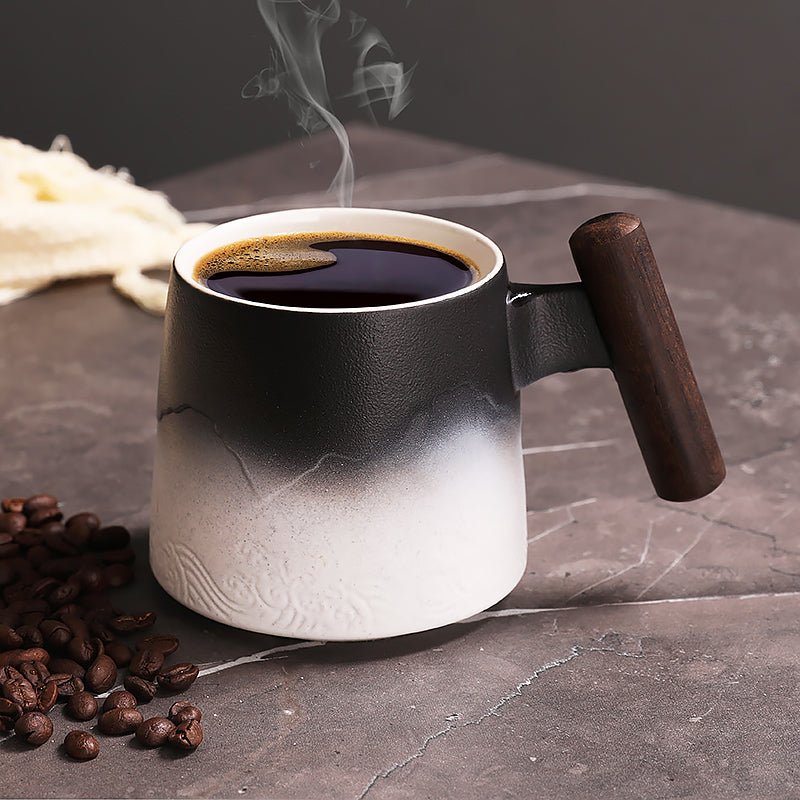
Mean Mug Coffee Company: What Buyers Should Check Before Ordering
A mug can look right online and still fail at the desk. We break down size, handle comfort, materials, care, and the trade-offs to check before buying from a mean mug coffee company.
En savoir plus
Laisser un commentaire
Ce site est protégé par hCaptcha, et la Politique de confidentialité et les Conditions de service de hCaptcha s’appliquent.