
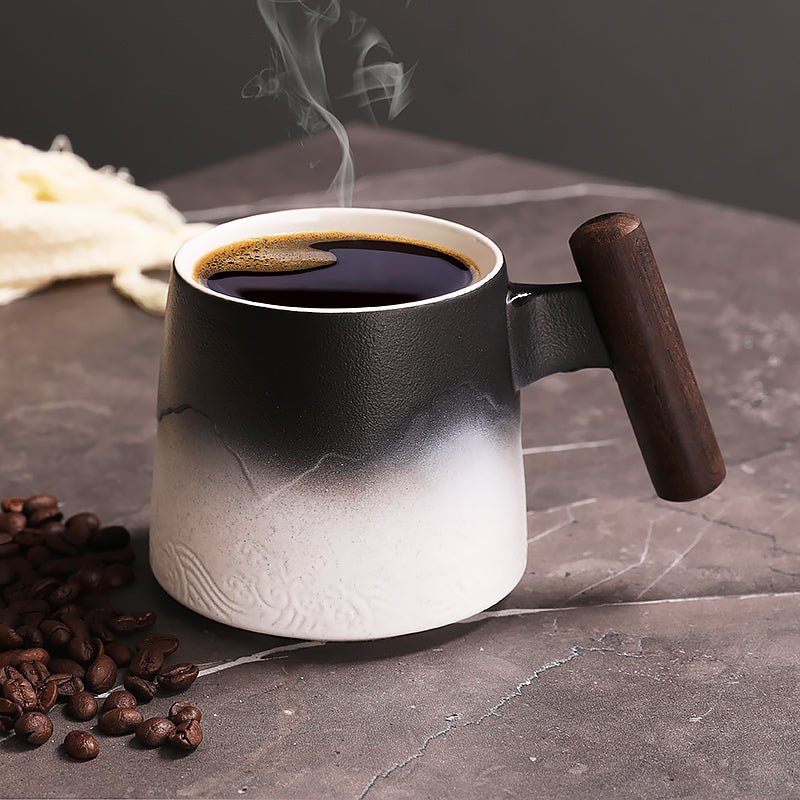
Camping Cup Buying Guide for Camp, Cabin, and Everyday Coffee
Reading time: about 9 minutes
A camping cup looks simple until you try to drink hot coffee from one on a cold morning. The cup feels too thin, the handle is awkward with gloves on, or the base wobbles on a picnic table that is not perfectly flat. We see those issues all the time in our store, and they are usually what separate a cup you enjoy from one you use once and leave in a cabinet.
If you are comparing options for car camping, cabin trips, or a cup that can live on your kitchen shelf and still earn its keep outdoors, this guide focuses on the real trade-offs. For a deeper breakdown of sizing and use cases, our Camping Cup Buying Guide: Materials, Sizes, and Real Trade-Offs and Camping Coffee Mug: What to Buy for Heat, Weight, and Durability go further into the details.
What should a camping cup actually do well?
A good camping cup does four things well: it holds heat long enough to finish the drink, it feels stable on uneven surfaces, it is easy to clean with limited water, and it survives the kind of use that happens outside the house. That last part matters. Camp tables get bumped, sink edges chip rims, and a cup that looks fine online can feel clumsy once you are pouring coffee with cold fingers.
In practice, the best camping cup for most buyers is not the lightest or the prettiest. It is the one that matches the trip style. A cabin mug can be heavier and more refined. A packable cup needs to be lighter and simpler. A cup for the patio or campsite can prioritize comfort, balance, and a handle that does not pinch.
We usually tell shoppers to look at three things first:
- Grip: Does the handle leave enough clearance for two fingers or gloved fingers?
- Stability: Is the base wide enough to sit securely on a rough or slanted surface?
- Cleanup: Does the interior shape rinse out easily, or does it trap grounds and tea residue in the curve at the bottom?
If a cup fails on any of those points, it becomes a hassle instead of a daily-use item.
Which material is best for a camping cup?
Material drives nearly every trade-off. Weight, durability, heat feel, and how the cup ages all start there. There is no single right answer, but there is a right answer for your use case.
| Material | What it does well | Trade-offs | Best for |
|---|---|---|---|
| Stainless steel | Tough, light, and practical for travel | Can feel hot to the touch and may slightly affect taste | Backpacking, car camping, rough handling |
| Enamel | Classic camp look and low weight | Can chip if dropped and may expose metal underneath | Traditional camping setups, picnic use |
| Ceramic | Best drinking feel and familiar home comfort | Heavier and more breakable than metal options | Cabins, patio setups, office-to-camp crossover use |
| Titanium | Very light and corrosion-resistant | Expensive and often less comfortable for casual sipping | Ultralight trips where every gram matters |
| Double-wall insulated cups | Helps keep coffee hot longer | Bulkier, harder to clean, and sometimes incompatible with simple camp routines | Cold mornings, slow sipping, desk-and-deck use |
If you want a cup that feels like a real mug rather than a piece of cookware, ceramic usually wins. If you want the lightest solution for a pack, metal usually wins. That is the trade-off we see most often, and it is why a lot of shoppers end up with two cups: one for the pack and one for the table.
That same material question is why we recommend reading a size-first guide like 700ml Cup Buying Guide for Daily Coffee, Tea, and Gifts only after you decide how you plan to use the cup. Capacity is useful, but the material decides how the cup feels in daily use.
What size and shape feel right for camp mornings?
For coffee, most people are happier with a cup that is large enough to be useful but not so large that it gets cold before they finish it. A lot of buyers think only in ounces or milliliters, but the shape matters just as much. A tall narrow cup can stay warm a little longer. A wider cup can be easier to clean and easier to sip from around a camp breakfast spread.
Here is the practical breakdown we use when helping customers choose:
- Smaller cups work best if you drink espresso, tea, or smaller servings and want less weight.
- Mid-size cups are the safest all-around choice for coffee drinkers who want one cup that works at home and outside.
- Larger cups suit slow mornings, big pours, or people who refill less often, but they can get heavy and cool faster once filled.
Shape matters for comfort too. A rounded interior is easier to clean after coffee oils dry on the walls. A stable foot or broad base helps on uneven wood picnic tables. A handle with enough clearance matters more than most product listings admit, especially if you drink outside in colder weather and want room for a finger or two.
If your cup will spend more time in a cabin kitchen or at a desk than in a backpack, this is where the more familiar mug format starts to make sense. That is also why our Autumn Coffee Mugs: How to Pick the Right Cup for Cozy Season article pairs well with this one. The same comfort-first logic applies when the weather turns and you want something that feels good to hold.
Which cups in our store fit camping use best?
In our store, we treat a camping cup as more than a product category. It is a use case. Some shoppers need a true outdoor cup. Others want a cup that can live on a shelf, go to a campsite, and still look good at the breakfast table. For that second group, the handled cups in our collection are a better fit than a purely utility-first metal cup.
You can start by browsing the full range in our collection, then narrow down by the grip and shape you prefer. A few examples from our lineup:
- Ball Handled Coffee Tea Mug if you want a handle-forward cup that feels easy to pick up and set down repeatedly.
- Pleated Coffee Tea Cup if you prefer a more textured visual profile and a cup that reads a little lighter on the table.
- Golden Waves Kio Coffee Tea Mug if you want a more decorative, giftable option that still belongs in daily rotation.
We are careful not to oversell these as ultralight backpacking gear. They are not the right answer if you are shaving ounces from a long hike, boiling water directly over a flame, or expecting a cup to take the kind of abuse that metal camp cookware can handle. They make more sense for car camping, cabin stays, porches, patios, and desk-to-weekend use.
If you want a cup that also works as a gift, the finish and handle shape matter almost as much as the capacity. That is where a more styled cup can be a better purchase than a plain utility mug, especially if the buyer will use it every day after the trip.
What should you check before you buy a camping cup?
Before buying, we suggest checking the details that usually get missed in product photos. These are the differences that show up after the first week of use, not in the unboxing shot.
- Handle clearance: Make sure the handle can fit the fingers you actually use, not just one fingertip.
- Rim feel: A smoother, even rim makes a bigger difference than people expect when drinking hot coffee.
- Base stability: A slightly wider base is less likely to wobble on rough tables or outdoor benches.
- Interior finish: A clean, easy-rinse interior helps when you are washing cups with limited water.
- Chip risk: Ceramic and enamel can chip at the rim or foot if they are knocked into a sink edge.
- Heat plan: If the cup will hold boiling water, choose a material that can handle thermal stress or let the water cool briefly first.
We also recommend thinking about what the cup is not for. A ceramic camping cup is not the right match for a hard-sided pack where everything rattles together. A metal cup is not the most pleasant choice if you want a calm, home-like drinking experience. And if your main goal is to keep coffee hot for a long time, an insulated cup is usually a better tool than a simple open mug.
That trade-off is the same reason many shoppers read a broader buying piece like Camping Camping Mug: What to Buy for Heat, Weight, and Durability before deciding. The right cup depends on which problem you are trying to solve.
How do you care for a camping cup so it lasts?
Most camping cup failures are boring and avoidable. A hairline crack appears after a hot pour into a cold cup. A glaze chips on the sink edge. Tea stains sit too long and become harder to remove. None of that is dramatic, but it shortens the life of the cup.
Our practical care routine is simple:
- Rinse the cup soon after use so coffee oils and tea residue do not set.
- Use a soft sponge on ceramic and enamel instead of scraping with a rough pad.
- Dry the cup fully before stacking so moisture does not sit in the base or handle area.
- Avoid sudden temperature changes if the cup is ceramic or glass-like in feel.
- Inspect the rim and foot occasionally for chips, because those are the first places small defects show up.
If you use the cup at camp, do not cram it into a crowded bag with utensils or cast iron. That is when the damage happens. For a cup that will live a longer life, a little storage care matters more than most buyers expect.
Frequently asked questions
What size camping cup is best for coffee?
For most coffee drinkers, a mid-size cup is the safest choice because it gives you enough volume without feeling bulky. Smaller cups work better for espresso or tea, while larger cups suit people who sip slowly or want a refill-resistant morning setup. If you only want one cup for home and travel, mid-size usually wins.
Is ceramic a bad choice for a camping cup?
Not at all, but it depends on the trip. Ceramic is a good choice for cabins, patios, and car camping where comfort matters more than pack weight. It is not ideal for ultralight backpacking or situations where the cup will get bounced around in a packed bag.
Can I put a camping cup in the dishwasher?
Many cups can handle the dishwasher, but the safest approach is to check the care instructions for the specific product. Even when a cup is dishwasher-safe, hand washing can reduce rim chips and help decorative finishes last longer. If the cup has a special glaze or metallic detail, extra care is usually the smarter move.
What matters more for camp use, the handle or the material?
The material controls weight and heat behavior, but the handle controls daily comfort. A cup with the wrong handle will annoy you every time you pick it up, even if the material is otherwise right. For most buyers, the handle is the first thing that turns a cup from acceptable into something they actually reach for.
Do I need an insulated camping cup?
Only if heat retention is a priority. If you tend to drink slowly on cold mornings, insulation helps a lot. If you want a simple mug for quick coffee at a cabin table or camp breakfast, a regular cup may be more comfortable and easier to clean.
If you want the fastest way to narrow your options, start with the collection and compare three things: handle comfort, size, and whether the cup is meant for camp use, gift use, or everyday use at home.
Read more
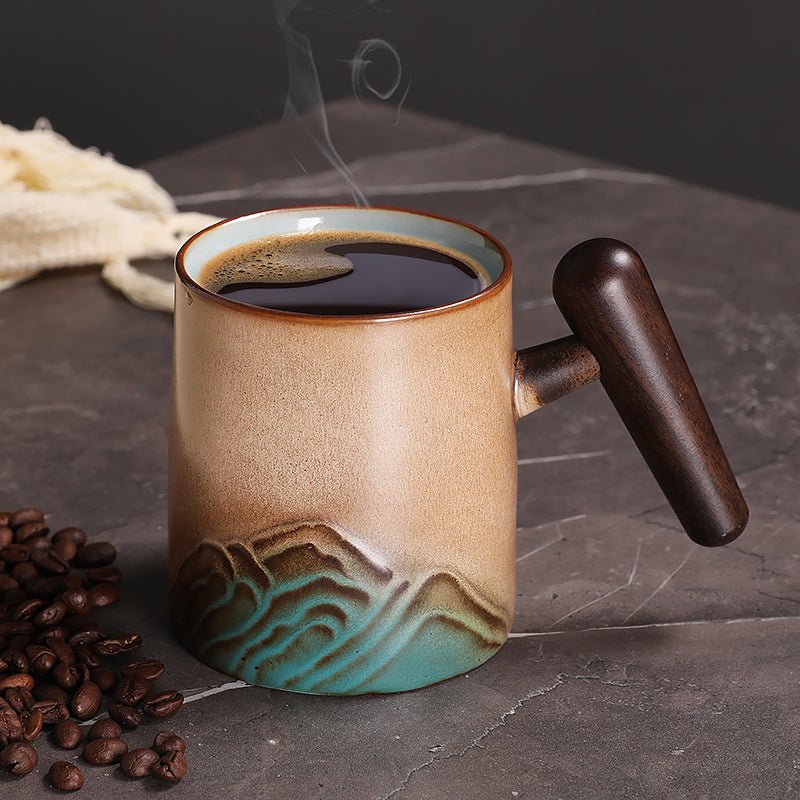
Big Mug Buying Guide for Daily Coffee, Tea, and Desk Use
A practical big mug guide for shoppers comparing daily-use options. We cover size, handle comfort, materials, care, and the trade-offs that matter after the first week.
En savoir plus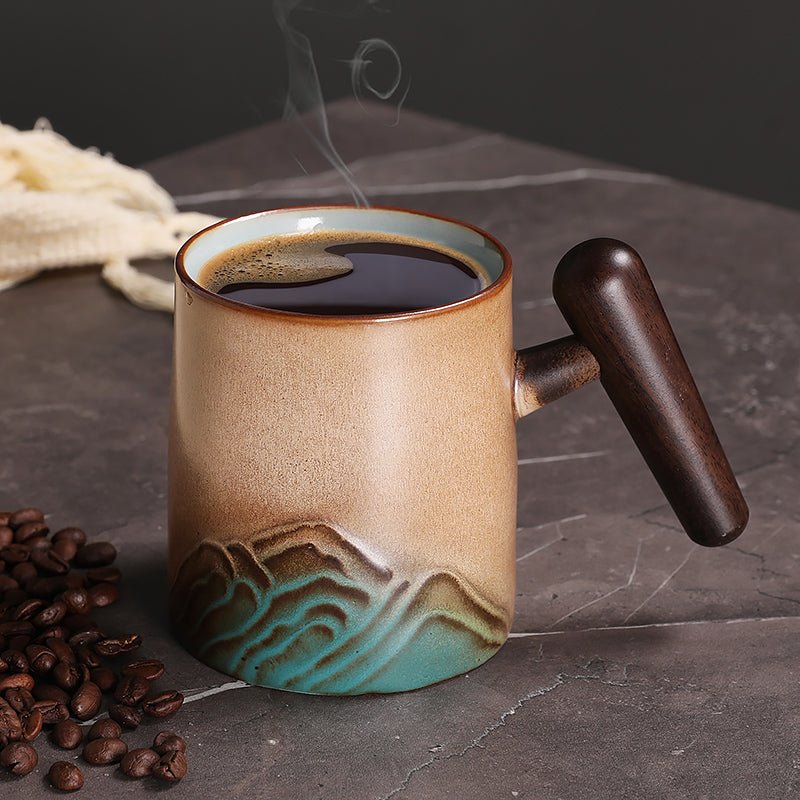
Large Coffee Cup Buying Guide for Daily Use
A practical large coffee cup guide for daily buyers comparing size, shape, and care. We cover the trade-offs, common mistakes, and which CoffeifyMug styles fit the job.
En savoir plus
Laisser un commentaire
Ce site est protégé par hCaptcha, et la Politique de confidentialité et les Conditions de service de hCaptcha s’appliquent.