
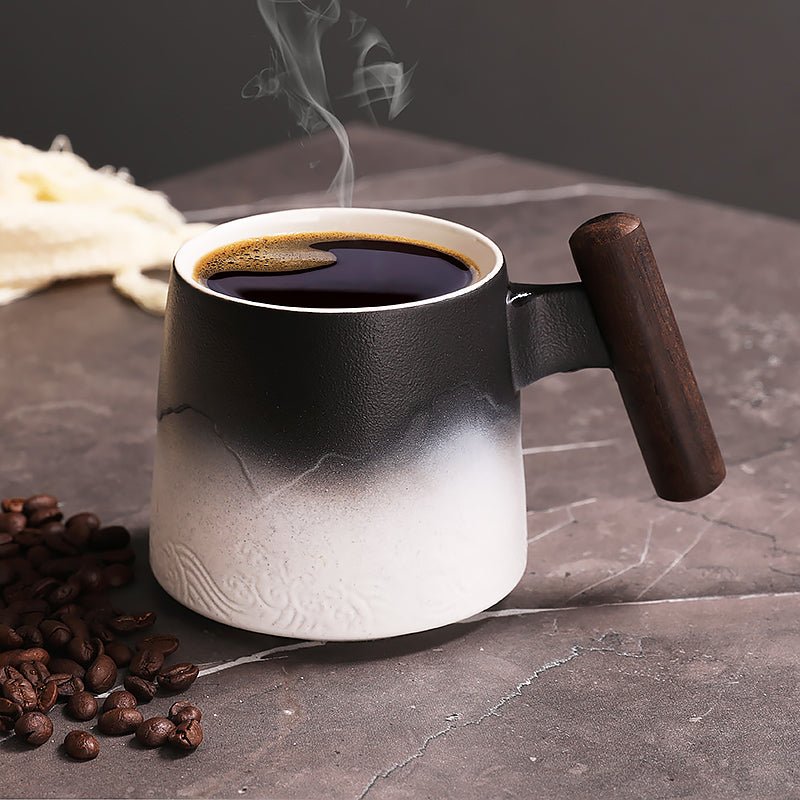
Blue Mug Coffee: What to Check Before You Buy
Reading time: about 9 minutes
A blue mug on a kitchen counter looks simple until you actually use it every day. The handle feels great in the photo, then feels cramped with a full finger grip. The glaze looks deep and rich, then shows water spots after the first dishwasher cycle. That is the part buyers usually discover too late.
At CoffeifyMug, we look at blue mug coffee picks the same way a shopper does: size first, then feel, then how the mug will behave after repeated washing. A good blue mug should hold your usual coffee without sloshing, sit steady on the desk, and still look good after a week of real use. If you want to browse while you read, start with our products or compare the broader range in our full collection.
Why does blue mug coffee need a closer look before you buy?
Blue mugs are popular because the color works in kitchens, offices, and gift boxes without feeling overly styled. The catch is that blue is not just one look. A matte navy mug, a glossy cobalt mug, and a speckled stoneware mug all change how the coffee reads, how the mug feels in hand, and how easy it is to keep clean.
In our experience, buyers usually want one of three things: a mug that looks good on camera, a mug that handles daily drip coffee, or a mug that works as a safe gift. Blue mug coffee purchases can do all three, but not every mug does each job equally well.
Here is the trade-off we see most often:
- Dark blue glaze hides some stains and minor tea marks, but it can also make espresso crema or brew color harder to judge.
- Glossy finishes usually look richer on the shelf, but fingerprints and utensil marks can show more quickly.
- Matte finishes feel more understated, yet they can show wear differently over time if the surface is not well made.
If you are comparing blue tones specifically, our Blue Bottle Coffee Mug: What to Check Before You Buy covers the kind of details shoppers usually miss the first time around.
Which size fits your coffee routine?
Size is the first decision that changes day-to-day use. A mug that looks perfect in a product photo can feel too small once you pour in milk, creamer, or a larger home brew. For most coffee drinkers, the sweet spot is usually 11 to 14 ounces, but the right choice depends on how you drink.
| Size | Best for | Main trade-off |
|---|---|---|
| 10 oz | Smaller pour-over cups, short black coffee, tighter cabinet storage | Not ideal if you add a lot of milk or want a larger morning serving |
| 11 oz | Standard home coffee, office desks, most gift buyers | Can feel a little small for long lattes or oversized drip pours |
| 12 oz | Everyday coffee with room for cream, balanced hand feel | Slightly bulkier than a compact cup |
| 14 oz | Milk drinks, refill-free mornings, people who want more capacity | Heavier when full and not always ideal for smaller hands |
If you are stuck between capacities, our size guides are worth reading side by side: 11 oz Coffee Mug: Size, Fit, and What to Check Before You Buy, 12 oz Coffee Mug: Size, Fit, and What to Check Before Buying, and 14 oz Coffee Mug: What Buyers Should Check Before They Buy.
For smaller cups or tighter cabinet space, the 10 oz Coffee Mug: Size, Fit, and What to Check Before You Buy explains when a compact mug makes more sense than a larger one.
One practical point: if you mainly drink drip coffee with a splash of milk, 11 or 12 ounces is usually easier to live with than 14 ounces. If you mostly drink cappuccino-style pours or want a mug for tea as well, a little extra capacity helps. We see that same crossover often in our Blue Mug Coffee & Tea: What to Check Before You Buy article.
Which material and finish should you choose?
Most blue coffee mugs fall into ceramic, stoneware, or porcelain. They all work, but they do not feel the same in real use.
- Ceramic is the common all-rounder. It usually gives you a solid feel without being too heavy, and it is a sensible choice for daily coffee.
- Stoneware tends to feel thicker and more substantial in the hand. It is a good fit if you like a sturdier mug, but it can weigh more in a full pour.
- Porcelain is generally lighter and finer. It can feel elegant, but some buyers find thin walls less comfortable for relaxed desk use.
For blue mug coffee specifically, the finish matters almost as much as the material. A smooth gloss can make a cobalt tone look deeper and cleaner, while a satin or matte finish can soften the look and feel more casual. Neither is automatically better. Gloss often wins on visual depth. Matte often wins on low-key table presence.
What we watch for in our store is glaze consistency. You want even color, a clean rim, and no rough patches where the glaze is thin. A mug with tiny glaze skips near the base can still be usable, but those are the places that tend to make buyers question quality the moment the mug comes out of the box.
What details matter for daily handling?
This is where a lot of good-looking mugs fail. A mug can have the right color and still be awkward every morning if the handle opening is too small, the base sits unevenly, or the lip feels too thick.
These are the details we check first:
- Handle clearance: You should be able to fit more than a couple of fingers without twisting your wrist. If you use larger fingers or like a loose grip, this matters a lot.
- Rim comfort: A thinner, smoother lip is usually better for sipping. A thick rim can feel sturdy, but it can also feel clumsy if you drink slowly.
- Base stability: The mug should sit flat on a desk or table without wobbling. That is especially important for office use and laptop-adjacent coffee breaks.
- Wall thickness: Thicker walls hold heat longer, but they also add weight. Thinner walls feel lighter, but the mug may cool faster.
Common defect modes are not always dramatic. A mug might have a slightly uneven base, a handle that angles too close to the body, or a glaze line that looks fine from a distance but feels rough at the edge. Those details show up fast once you start washing and stacking mugs every day.
If your coffee routine includes rushing from kitchen counter to desk, avoid a mug that feels top-heavy when filled. A nice blue mug should be easy to grab one-handed, not something you have to think about.
Is a blue mug good for dishwasher and microwave use?
Sometimes yes, sometimes no, and the label matters. A lot of ceramic mugs are made for daily washing and reheating, but that does not mean every finish behaves the same way.
Here is the practical version:
- Dishwasher safe is useful, but repeated cycles can still dull some printed designs and make glossy surfaces show water spots more clearly.
- Microwave safe is convenient for reheating, but mugs with metallic accents, gold trim, or certain decorative treatments should be kept out of the microwave.
- Hand washing is slower, but it helps preserve delicate glazes and decorative details if you bought the mug as a gift piece.
For everyday buyers, the best blue mug coffee choice is usually one that can survive normal kitchen life without babying. If a mug demands special care, that is fine, but you should only pick it if you actually want that routine. A beautiful mug that you avoid using is not a good buy.
That is also why we encourage shoppers to compare the care language before they order. If a mug is meant for mixed use between coffee and tea, our Blue Mug Coffee and Tea: What to Check Before You Buy article is a useful second read.
Is a blue mug a good gift, desk mug, or everyday mug?
Blue mugs are flexible, but they are not equally strong in every setting. The right choice depends on where the mug will live most of the time.
- For gifts: Blue is usually a safe, easy color. It feels personal without being overly specific, and it works for most kitchens. Choose a balanced 11 or 12 ounce mug unless you know the person prefers larger cups.
- For office desks: Stability and handle comfort matter more than style. A mug that is too wide or too heavy becomes annoying by the third refill.
- For home use: You can be more selective. If the mug will stay on your countertop, look for a finish you will not get tired of seeing every morning.
Blue mug coffee is not always the best choice for someone who wants to read the color of the brew, compare crema, or use a mug as a visual guide for extraction. Very dark glazes can hide those cues. It is also not the best route if the buyer wants the lightest possible mug. In that case, a thinner porcelain piece may suit them better.
If you want a narrower style comparison, our Blue Bottle Coffee Mug: What to Check Before You Buy article goes deeper on a specific blue aesthetic and where it fits best.
Frequently asked questions
Is a blue mug coffee mug good for everyday use?
Yes, if the size, handle, and care instructions match how you actually drink. A solid ceramic or stoneware blue mug is usually a good daily choice for home kitchens and office desks. The main thing to check is whether the mug feels comfortable when full, not just when empty.
What size blue mug is best for coffee with milk?
Most buyers do well with 12 or 14 ounces if they regularly add milk or creamer. An 11 ounce mug can still work for smaller drinks, but it can feel tight once you add foam or a larger pour. If you want fewer refills, go up one size.
Do dark blue mugs show stains?
They usually hide light coffee marks better than white mugs, but they can show water spots, fingerprints, or dulling on glossy surfaces. The finish matters as much as the color. A well-made glaze should still look clean after regular washing.
Can I put a blue ceramic mug in the microwave?
Often yes, but only if the mug is labeled microwave safe. Skip the microwave if the mug has metallic accents, foil-style decoration, or any warning against heating. If you are unsure, do not assume it is safe.
Should I buy one blue mug or a full set?
Buy one mug if you are testing comfort, size, or a new color in your kitchen. Buy a set if you already know the capacity and finish you want, or if the mugs are meant for a shared household. If you are still deciding, start by browsing our full collection and compare the shape, size, and glaze details side by side.
If you are down to two blue mug coffee options, compare them on size, handle clearance, glaze finish, and care instructions before you buy. Then use our products page to narrow the choice to the mug you will actually reach for every morning.
More from our blog
Read more
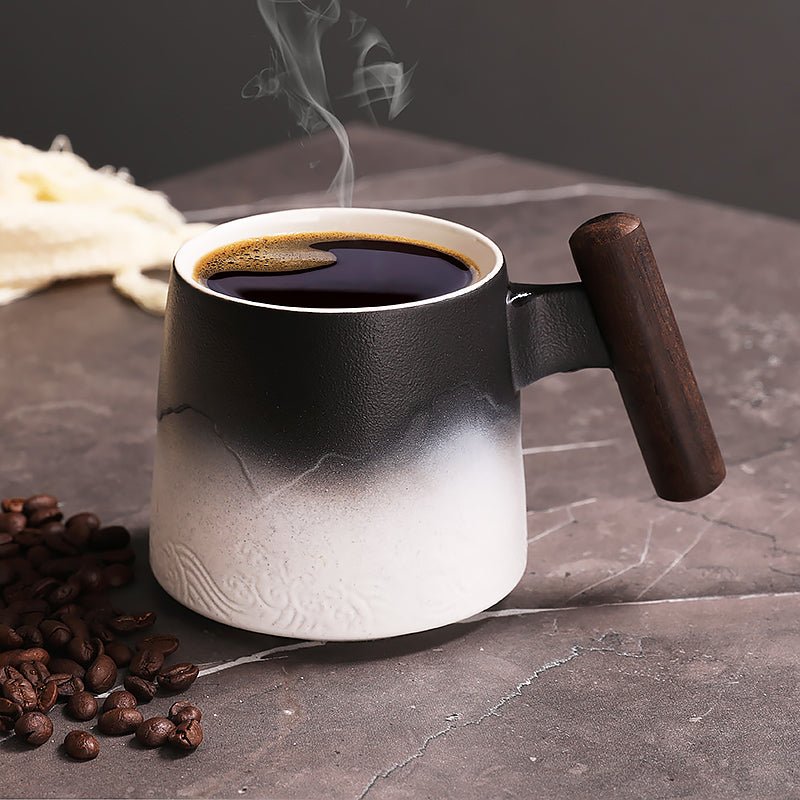
Mugs That Keep Coffee Hot: What to Buy and What to Avoid
Mugs that keep coffee hot depend on more than the label. We break down the materials, lid fit, sizes, and care details that actually change how long your coffee stays drinkable.
En savoir plus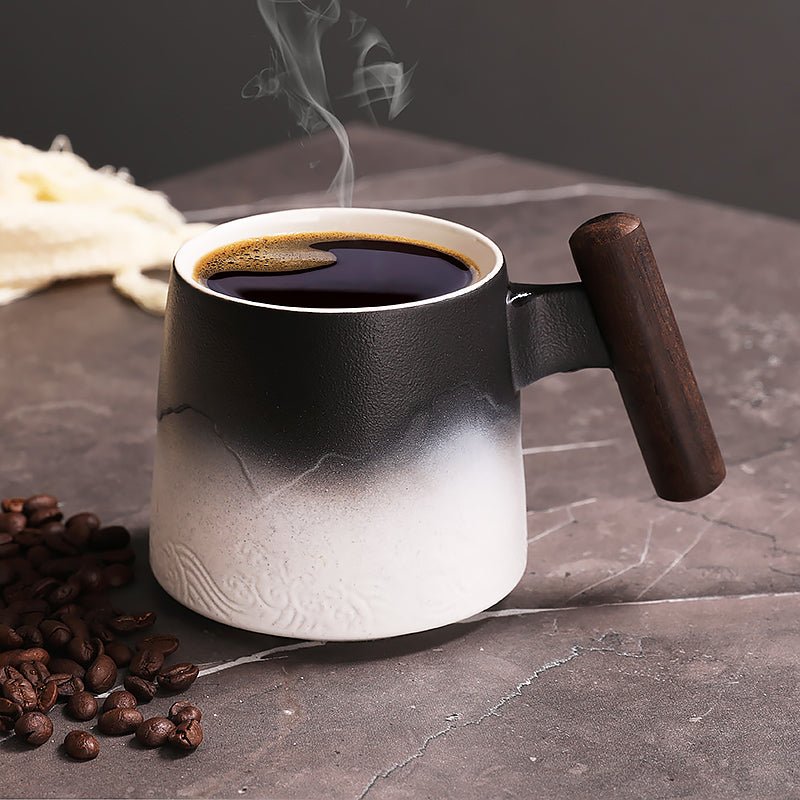
Coolest Coffee Mugs: What to Buy and What to Skip
We compare the coolest coffee mugs by size, material, comfort, and daily use so you can pick one that looks good and still works at the sink, desk, and microwave.
En savoir plus
Laisser un commentaire
Ce site est protégé par hCaptcha, et la Politique de confidentialité et les Conditions de service de hCaptcha s’appliquent.