
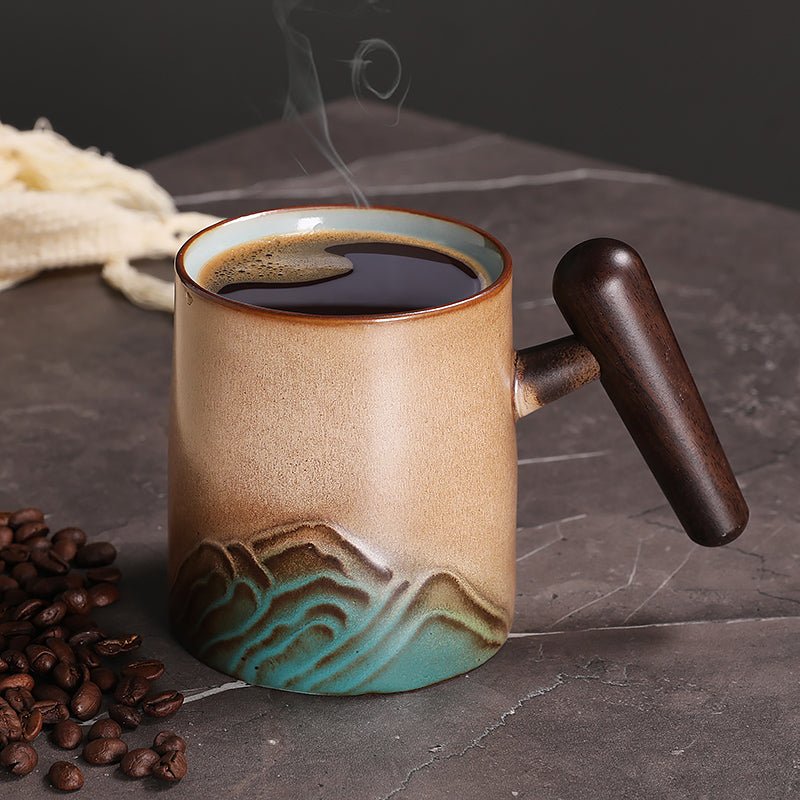
Big Mugs for Daily Coffee: Size, Material, and Fit Guide
Reading time: about 9 minutes
A 20 oz mug can feel perfect at breakfast and awkward by 10 a.m. if the handle is tight, the base is too wide for your shelf, or the rim gets hot faster than expected. That is the real difference between a mug that gets used every day and one that ends up at the back of the cabinet.
At CoffeifyMug, we see buyers choosing big mugs for very different reasons: one person wants a desk mug that keeps a full pour close at hand, another wants a weekend mug for tea or cocoa, and someone else just wants fewer refills during a long work block. Our article Big Coffee Mugs for Daily Use: What to Buy and What to Skip covers the day-to-day side of that choice. Here, we focus on the actual buying checks that separate a useful oversized mug from a frustrating one.
What size should a big mug be for daily coffee?
Most shoppers use the phrase big mugs to mean anything above a standard cup, but the useful range depends on how you drink. A mug around 14 to 16 oz usually fits a single generous pour. Move up to 18 or 20 oz and you get more room for milk, cream, or a long black coffee without reaching for a refill right away.
We usually tell shoppers to start with the drink itself, not the label. If you brew from a drip machine, an 18 oz mug is often a good middle ground. If you make americanos, pour-over refills, or hot chocolate, 20 oz can make sense. If you mostly drink espresso-based drinks in a small cup, a large mug is usually the wrong shape because the drink cools faster in all that open space.
Our own notes on Big Mugs Coffee: How to Choose the Right Large Mug for Daily Use and Big Mugs for Coffee: How to Choose the Right One point to the same thing: size alone does not make a mug better. The shape has to match the routine.
- 14 to 16 oz: Best for a standard coffee pour with a little extra room.
- 18 oz: A practical daily size for desk use and longer coffee breaks.
- 20 oz and up: Better for heavy coffee drinkers, tea, cocoa, or people who dislike refills.
If you are unsure, compare your usual pour against the mug’s usable fill line, not just the marketing number. A mug with a flared rim can look larger than it drinks, while a tall straight-sided mug can hold more than expected and still feel comfortable.
Which material is the best fit for a big mug?
Material changes how a big mug feels in the hand, how long the drink stays hot, and how much risk you take with chips or stains. In our experience, ceramic is the most common choice for everyday big mugs because it feels familiar, cleans easily, and works well on a kitchen counter or office desk. That said, ceramic is not the only sensible choice.
| Material | What it does well | What to watch for |
|---|---|---|
| Ceramic | Comfortable feel, broad style range, easy everyday use | Can chip if knocked against sinks, counters, or other mugs |
| Stoneware | Usually feels thicker and sturdier in the hand | Often heavier, which matters if you hold the mug one-handed for long stretches |
| Stainless steel | Strong heat retention and better durability for travel-style use | Less ideal for a classic coffee-mug feel at a desk or breakfast table |
| Glass | Good for seeing layered drinks and lighter visual styling | More fragile and usually not the best choice for rough daily handling |
For a big mug that stays on a kitchen counter, ceramic or stoneware usually makes the most sense. For a mug that might travel between rooms or live near a laptop, we would put more weight on grip, balance, and resistance to accidental bumps. The trade-off is simple: more durability often means more weight, and more visual appeal sometimes means more care.
If you want a broader browse of current mug options, start with our products page and then compare what you see against the full collection.
What details make a big mug comfortable instead of bulky?
This is where a lot of shoppers get disappointed. A mug can have the right ounce count and still feel wrong if the handle is cramped, the rim is too thick, or the base does not sit cleanly on the table. We check these details because they affect the first five seconds of use, not just the photo.
Look for these details before you buy:
- Handle clearance: Your fingers should pass through without touching the mug wall. A tight handle is fine on display and annoying in daily use.
- Rim thickness: A smooth, not overly chunky rim usually feels better on the lip and gives a cleaner sip.
- Base stability: A wider, flat base is less likely to wobble on a desk, coaster, or tray.
- Wall thickness: Thicker walls can help with heat retention, but they also add weight. Thin walls feel lighter but can cool faster.
- Interior shape: A gently rounded interior is easier to clean than a mug with a hard shoulder where coffee residue can gather.
We also pay attention to common defect modes. On big mugs, the most annoying issues are a handle that is slightly off-center, a glaze that pools near the base, or a tiny lip chip from packing and shipping. None of those make the mug unusable, but they are the kind of flaws that show up every morning. If a mug will live on a desk or as a gift, those details matter more than a decorative print.
Our article Extra Big Coffee Mugs: How to Choose the Right One for Daily Use goes deeper on the point where big turns into too big. That line is different for everyone, but it usually shows up when the mug starts feeling like a bowl instead of a cup.
Which big mug works best for home, office, or gifting?
The best big mug depends on where it will actually be used. A mug that feels perfect at the kitchen table can be the wrong choice on an office desk, and a gift mug should usually be easier to like than to justify.
For home use, prioritize comfort and dishwasher-friendly care. A ceramic mug with a balanced handle and a stable base is usually the safest pick.
For office use, keep the footprint in mind. A very wide mug can crowd a keyboard, mouse pad, or notebook. Tall, narrower big mugs often fit desks better, as long as the handle is still easy to grab.
For gifting, neutral shapes are safer than novelty shapes. A mug that looks strong on a shelf but awkward in hand is a weak gift. Plain glazing, a useful size, and an easy-to-clean interior usually beat a flashy design.
If you are comparing styles for a larger coffee routine, you may also want to read 16 oz Coffee Mugs: What to Check Before You Buy or 20 Ounce Coffee Mugs: What Buyers Should Check Before Ordering. Those size-specific guides are useful if you already know your target capacity and want to narrow the fit.
One limitation to keep in mind: big mugs are not ideal for espresso, short macchiatos, or anyone who prefers a compact cup that cools slowly and sits neatly under a low machine spout. If that is your drink, a smaller mug or cup will usually serve you better.
How do you keep a big mug in good shape?
Care is straightforward, but big mugs do benefit from a little discipline. The bigger the mug, the more likely it is to get dropped into a sink with other dishes, knocked against a faucet, or stacked in a cabinet where the rim takes a hit.
Use these care checks:
- Check the label: Dishwasher-safe is helpful, but decorated mugs and hand-finished glazes may still last longer with gentler washing.
- Avoid thermal shock: Do not move a mug from very cold to very hot water too quickly, especially with ceramic or stoneware.
- Watch stacking: Stacking big mugs can chip rims or glaze edges if the shapes do not nest cleanly.
- Inspect the handle joint: Small cracks often show where the handle joins the body, so that is the first place to check after a drop.
- Mind stains: Dark coffee residue builds up fastest in textured interiors and around narrow rims, so a smooth glaze is easier to keep clean.
For most shoppers, the goal is not delicate care. It is simply buying a mug that can handle a normal kitchen sink, a dishwasher cycle, and daily use without becoming a special-occasion item. That is the standard we aim for in our store when we review mug options for the shelf.
Frequently asked questions
What size is considered a big mug for coffee?
Most shoppers start calling a mug big once it moves past the standard coffee-cup range and into 14 oz, 16 oz, 18 oz, or 20 oz territory. The right size depends on how much you actually pour and whether you want room for milk, cream, or foam. A mug can be technically large and still feel wrong if it is too wide or too heavy for daily use.
Are big mugs good for tea and hot chocolate?
Yes, especially if you like a longer drink or want fewer refills. Big mugs work well for tea and hot chocolate because they leave room for steeping bags, marshmallows, or extra milk. They are less useful if you want a concentrated drink that stays hot in a smaller volume.
Do big mugs fit under most coffee machines?
Not always. Tall big mugs can run into the machine head or drip tray, and wide mugs can be hard to position under a small spout. If you brew at home every day, measure the clearance under your machine before you buy.
Should I choose ceramic or stainless steel for a big mug?
Choose ceramic if you want a classic mug feel for home, office, or gifting. Choose stainless steel if durability and heat retention matter more than the feel of a traditional mug. Stainless steel is usually less charming on a desk, while ceramic is easier to chip if handled roughly.
How do I know if a big mug will feel comfortable in my hand?
Check the handle opening, the mug weight, and the balance of the base. If the handle pinches your fingers, the mug will annoy you no matter how good it looks. A comfortable big mug should feel stable when full and should not force you to curl your fingers too tightly.
If you want to compare current options side by side, start with our products page, then use the full collection to narrow by size, shape, and finish. Before you click buy, check four things: usable capacity, handle clearance, material, and care label.
More from our blog
Read more
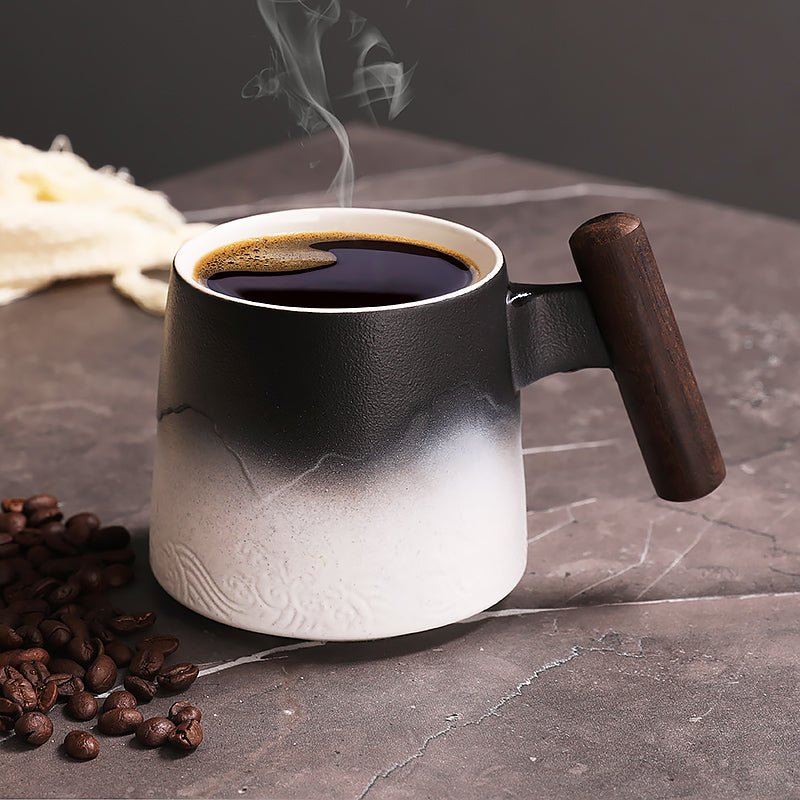
Giant Mugs for Coffee: How to Choose the Right Size and Shape
Giant mugs for coffee only work well when the capacity, handle, and base match the way you drink. We break down the sizes, materials, and small details that separate a comfortable desk mug from an ...
En savoir plus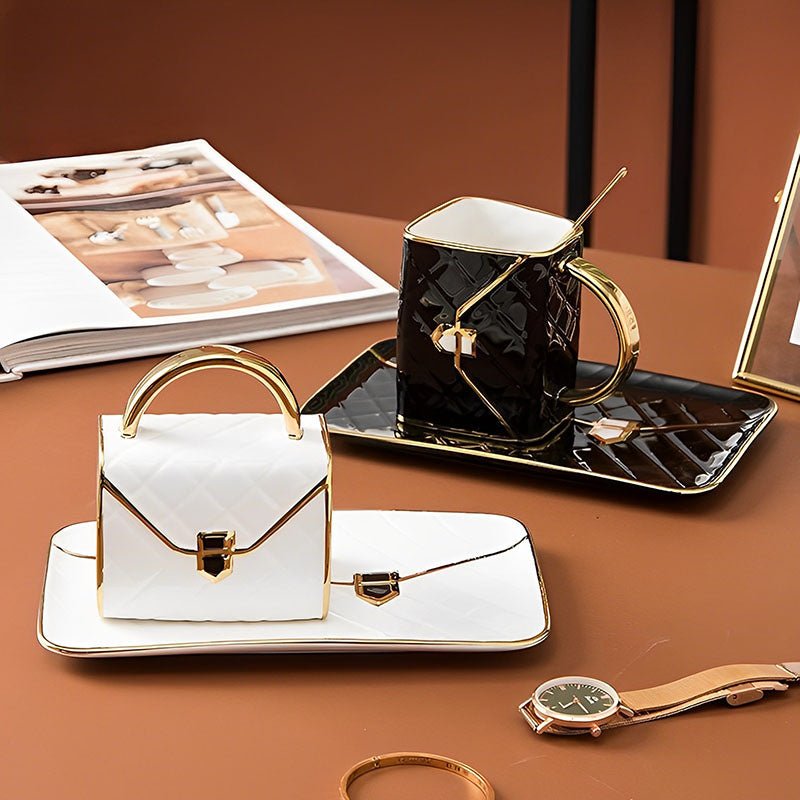
Unique Coffee Cups for Everyday Use, Gifts, and Desk Coffee
A unique cup should feel good in the hand, hold up in the dishwasher, and fit the way you actually drink coffee. This guide breaks down materials, sizes, and the small details that separate a displ...
En savoir plus
Laisser un commentaire
Ce site est protégé par hCaptcha, et la Politique de confidentialité et les Conditions de service de hCaptcha s’appliquent.