
Best Mug for Coffee: How to Choose the Right Everyday Cup
Reading time: about 8 minutes
What actually makes the best mug for coffee?
A mug can look good on a shelf and still be awkward at 7 a.m. We see the same buying mistakes repeatedly in our store: a handle that fits two fingers but not a full grip, a cup that looks generous but feels shallow for a latte, or a shape that cools coffee too fast on a cold desk.
The best mug for coffee is the one that matches how you actually drink. For some people that means a simple ceramic mug with a comfortable handle and enough room for cream. For others it means a narrower cup that holds heat a little longer, or a novelty shape that works better as a gift than as a daily office mug.
Our team looks at mugs the same way shoppers do at the counter: we check the rim, the handle clearance, the base stability, and whether the size makes sense next to a coffee machine, microwave, or dish rack. Those small details matter more than the photo.
Which size is best for coffee drinkers?
Size is usually the first decision, because it controls everything else: how much coffee fits, how much milk you can add, and whether the mug works with your brewer. If you want a deeper breakdown of common sizes, our 10 oz Coffee Mug: Size, Fit, and What to Check Before You Buy and 11 oz Coffee Mug: Size, Fit, and What to Check Before You Buy articles are good references, and our 12 Ounce Coffee Mug Buying Guide for Daily Use and Better Fit covers the larger everyday option.
- 10 oz: A practical choice for straight coffee, smaller pours, and anyone who does not want a mug that feels oversized on a small desk.
- 11 oz: A common everyday size with a little more room for milk, foam, or sugar without becoming bulky.
- 12 oz: Better for people who want a fuller cup, drink cappuccinos or larger pour-overs, or prefer fewer refills.
If you use a single-serve machine, pay attention to cup clearance under the spout. A mug that is too tall is inconvenient fast. If you make pour-over at home, a wider mouth can help the coffee cool sooner, which some drinkers like and others do not.
Should you choose ceramic, stoneware, or novelty shapes?
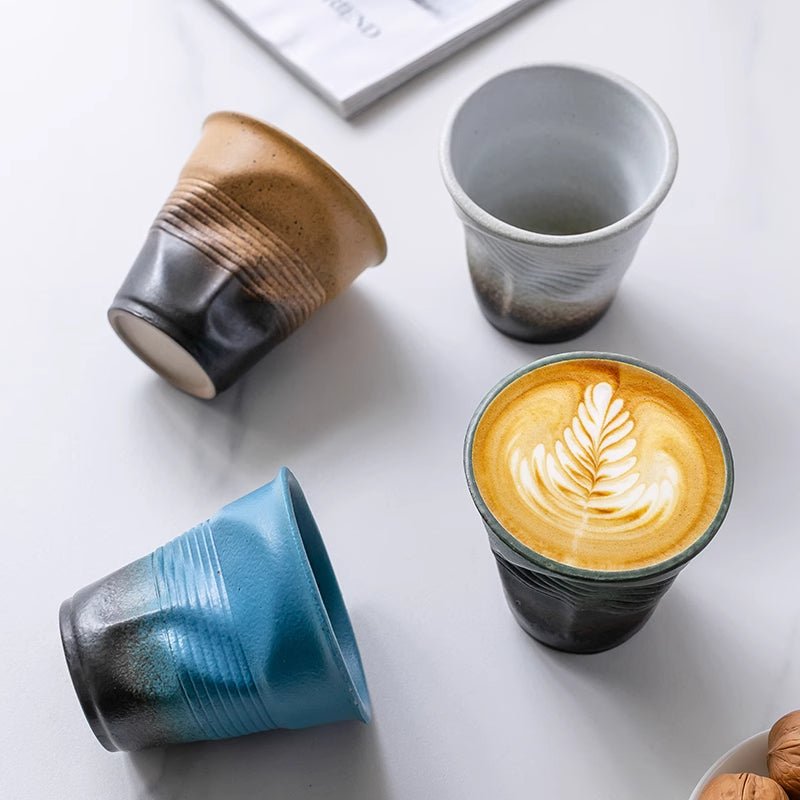
Material and shape change the experience more than most shoppers expect. A ceramic mug usually gives a familiar weight and a clean sip. Stoneware tends to feel heavier in the hand and can give a more substantial desk presence. Novelty shapes are often chosen for gifting or personality, but they are not always the easiest option for daily use.
In practice, we tell customers to think about two things: how long they want the coffee to stay warm, and how easy the mug is to live with. Thick walls can hold heat better than very thin cups, but a heavy mug is less pleasant if you carry it around the house. A dramatic silhouette may look strong in photos and still feel awkward in a dishwasher rack.
That is why we recommend comparing styles instead of chasing a single “best” design. If you want to browse the full range first, start with our collection of all mugs and compare shapes side by side.
How our own mugs fit different buying styles
If you want something more straightforward, the Planet Coffee Tea Mug is the kind of option many buyers choose for an easy daily routine. The Rhombus Coffee Tea Mug leans more geometric, which makes it a strong pick if you want a mug that feels a little more distinctive on an office desk. The Handbag Coffee Tea Mug is the more playful choice and works best when the mug itself is part of the gift.
We would not push a novelty mug on someone who wants the most practical everyday cup. A statement shape is better when the buyer values presentation, gifting, or conversation value. For a no-drama house mug, a simpler silhouette usually wins.
What details should you check before buying?
We review mugs by the parts that cause problems after the unboxing excitement fades. These are the details that separate a good buy from a regret.
| What to check | Why it matters | What can go wrong |
|---|---|---|
| Handle room | Comfort for full-finger grip | A handle that pinches or feels too small |
| Rim thickness | How the coffee feels on the first sip | A rim that feels bulky or rough |
| Base stability | Safety on desk, counter, or tray | Tipping if the base is too narrow |
| Finish quality | Longevity and appearance after washing | Glaze wear, chips, or visible flaws |
| Microwave and dishwasher fit | Daily convenience | Hand-wash only surprise or poor appliance clearance |
Common defect modes in this category are usually simple but annoying: a glaze pinhole, a hairline chip on the rim, a handle with an uncomfortable inner edge, or a mug that wobbles because the base is not flat. Those are the things we notice before a mug gets sold, and they are the things you should check on arrival.
If you have ever bought a mug that looked right online but felt wrong in your hand, the issue was probably not the color. It was one of the physical details above.
Which mug works best for office use, home use, or gifting?
The best mug for coffee depends on the setting. A mug that works at a kitchen counter may not be ideal on a shared office desk, and a gift mug needs a different balance than a personal everyday cup.
- Office use: Choose a stable base, a comfortable handle, and a size that clears your machine and desk clutter.
- Home use: Prioritize comfort and heat retention, especially if you tend to sip slowly.
- Gifting: Presentation matters. A visually distinctive mug can feel more personal than a plain one, even if it is not the most utilitarian.
For gift buyers, a mug with a strong shape or memorable silhouette often lands better than a generic cup, especially when paired with coffee beans or a sampler. For pure daily use, plain wins more often than people admit.
That is also why we recommend reading a size guide before buying. Our 11 oz Coffee Mug: What Buyers Should Check Before They Buy and 12 oz Coffee Mug: Size, Fit, and What to Check Before Buying posts are useful if you are deciding between a standard and larger daily mug.
How should you care for a coffee mug so it lasts?
Care is simple, but skipping the basics shortens a mug’s life. We recommend checking the care instructions first, then building habits around them. If a mug is dishwasher-safe, place it so the rim is not rubbing against metal rack tines. If you hand wash, avoid aggressive scrubbing pads that can dull the glaze over time.
For everyday use, let the mug cool before running it under very cold water. That reduces stress on the material. If you use the mug for coffee with oil-heavy drinks or flavored syrups, wash it sooner rather than letting residue sit overnight. That keeps the inside cleaner and helps prevent lingering smells.
And if you are buying a mug as a gift, this is worth saying plainly: not every mug is the right choice for rough use, backpack travel, or someone who wants a lid. A coffee mug is a desk or table vessel, not a travel tumbler.
Which mug should you buy if you want the safest all-around choice?
If you want the safest all-around mug, pick the one that balances comfort, size, and cleaning ease instead of the one with the flashiest design. That usually means a mug with a comfortable handle, a stable base, and a size that matches your regular drink.
For most buyers, the right answer is one of three paths:
- A simple everyday mug if you want repeat use and easy handling.
- A slightly larger mug if you regularly add milk or like a fuller pour.
- A novelty mug if the purchase is mainly for gifting or personality.
We do not think one mug style is right for everyone. A heavier decorative mug is not ideal if you commute with it around the house. A compact mug is not ideal if you fill it to the brim every morning. The best mug for coffee is the one that fits your routine without making you work around it.
Frequently asked questions
What size mug is best for black coffee?
For black coffee, 10 oz to 11 oz is usually the most practical range. It gives you a normal serving without making the mug feel oversized or letting the coffee sit too long before you finish it.
Is a ceramic mug good for coffee every day?
Yes, ceramic is a solid everyday choice for coffee because it feels familiar, cleans easily, and works well for desk or kitchen use. Just check that the rim, handle, and finish are comfortable enough for repeated use.
Are novelty mugs bad for daily use?
Not always, but they are often a trade-off. Novelty mugs can be great for gifts and personality, yet some are less comfortable to hold, harder to store, or less practical to wash.
Should I pick a bigger mug if I add milk?
Usually, yes. If you add milk, foam, or sweeteners, a 12 oz mug gives you more room and reduces the chance of overfilling. It also leaves space for stirring without spilling over the rim.
What should I check first when buying a mug online?
Check the size, handle comfort, and whether the shape fits your daily setup. We also look closely at the base, rim, and care instructions because those are the details that affect how the mug feels after the first week, not just on day one.
If you want a practical next step, compare our full range in the all mugs collection, then decide whether you want a simple daily cup, a larger size, or a more distinctive gift mug. If you are still choosing between capacities, start with the 10 oz, 11 oz, and 12 oz guides above before you buy.
Read more
Leakproof Coffee Mug Guide: What Shoppers Should Check First
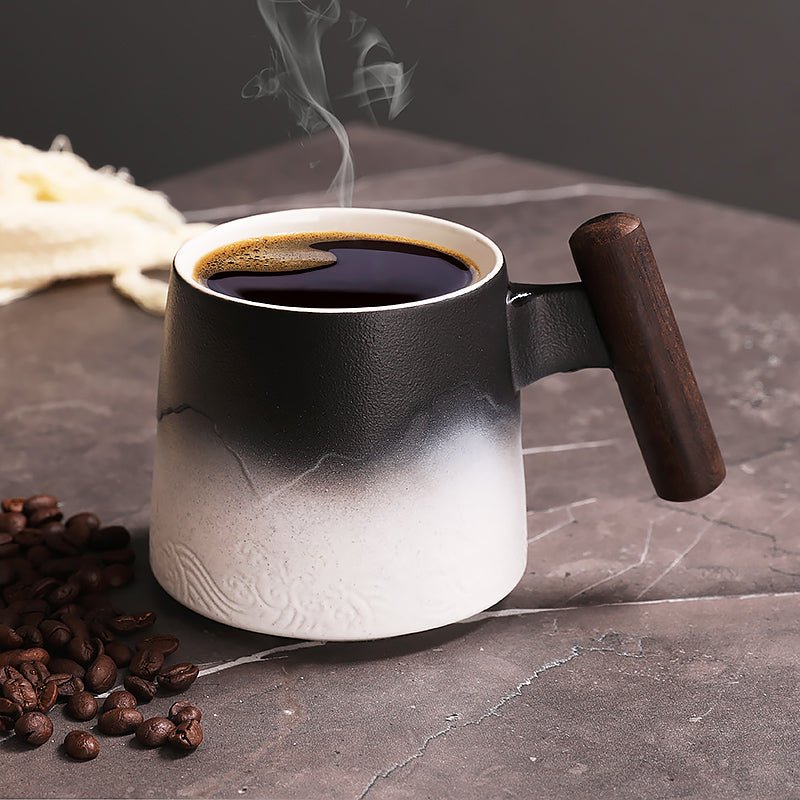
A leakproof coffee mug usually fails at the lid, not the cup. This guide shows what to inspect before you buy, how to test a seal, and which trade-offs matter for desks, cars, and bag carry.
En savoir plus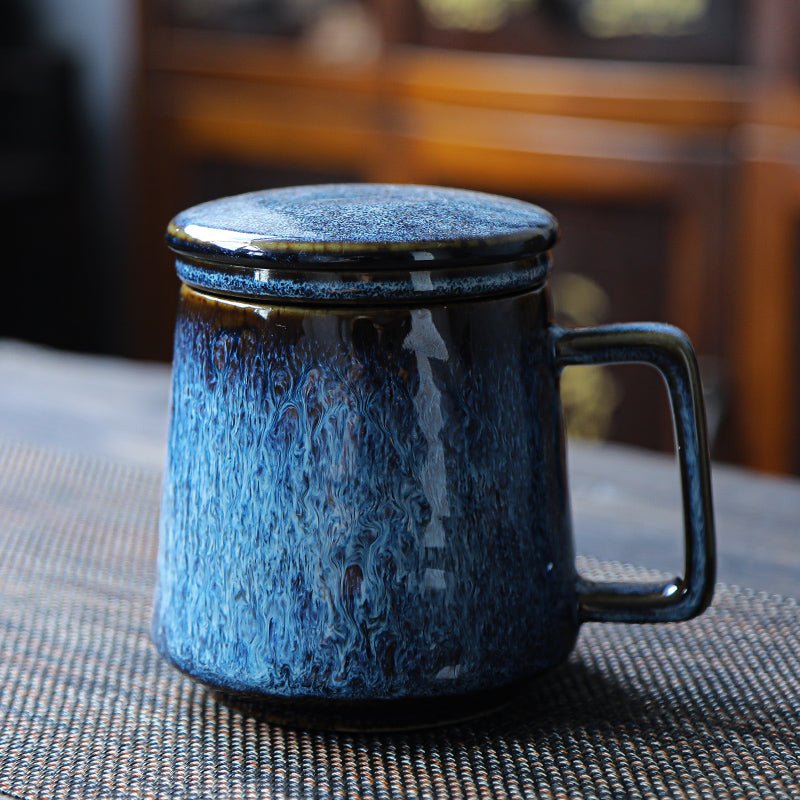
Make Your Own Coffee Mug: What Buyers Should Check First
If you want to make your own coffee mug, the real decisions are size, handle comfort, print placement, and how the mug will hold up after repeated washing. This guide shows what matters before you ...
En savoir plus
Laisser un commentaire
Ce site est protégé par hCaptcha, et la Politique de confidentialité et les Conditions de service de hCaptcha s’appliquent.