
Best Material for Coffee Mug: Ceramic, Glass, Stainless Steel, and More
Reading time: about 10 minutes
A mug that feels too hot to hold, picks up stains after a week, or chips on the first sink bump gets retired fast. We see that all the time in our store conversations: shoppers want the best material for coffee mug use, but they also want something that fits their routine, not just a pretty shelf piece.
Our practical take is simple: the best material depends on how you drink coffee. Ceramic still covers the widest range of everyday buyers. Glass is the pick for people who want to see the drink and don’t mind a more delicate feel. Stainless steel wins for travel and long heat retention, but it changes the drinking experience. Below, we break down the real trade-offs we watch for when helping customers choose.
What makes one coffee mug material better than another?
The right mug material does three jobs at once: it holds heat long enough, feels good in the hand, and survives regular washing. A mug can be beautiful and still frustrate you if the rim is awkward, the handle gets hot, or the finish stains easily.
In our experience, buyers usually compare five things:
- Heat retention: how long the coffee stays comfortably warm.
- Hand feel: weight, balance, and whether the mug feels too hot on the outside.
- Durability: resistance to chips, cracks, scratches, and dents.
- Care: dishwasher safety, stain resistance, and whether special washing is needed.
- Use case: desk coffee, home breakfast, gifting, or carrying drinks on the go.
If you are comparing mug styles for a specific size or shape, our related guides can help too. For example, our 10oz Coffee Mug Buying Guide: Fit, Materials, and Best Uses goes deeper on everyday capacity, while Coffee Mug with Handle: How to Choose the Right Size and Material is useful if grip comfort matters most.
Is ceramic the best material for coffee mug use at home?
For most shoppers, yes, ceramic is the safest starting point. It is the material we recommend most often for home kitchens, office desks, and gift orders because it balances heat, comfort, and style without asking the buyer to baby the mug.
Ceramic mugs usually feel stable in the hand and keep coffee warm reasonably well. They also work well with glazed interiors, which makes cleanup easier after espresso, drip coffee, tea, or hot chocolate. The trade-off is durability: ceramic can chip on a sink edge, crack if shocked by sudden temperature changes, and show hairline glaze wear over time if it gets heavy daily use.
Here is where ceramic fits best:
- Morning coffee at home.
- Desk use where the mug stays on a table or coaster.
- Gifts, because ceramic tends to look finished and familiar.
- People who want a broad choice of glaze colors, shapes, and handles.
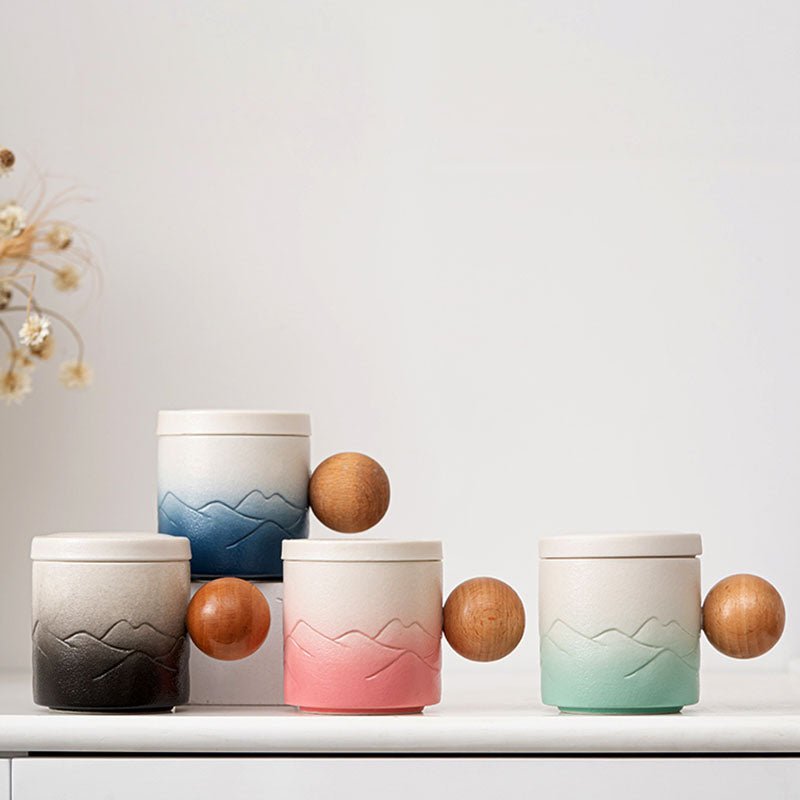
If you want a ceramic mug with a more distinctive look, our Ball Handled Coffee Tea Mug is a good example of a piece that feels more styled than a basic diner mug. The handle shape matters more than many buyers expect; a comfortable handle can make a small mug feel much easier to use every day.
Our store-side rule: if a shopper wants a dependable everyday mug and doesn’t need travel insulation, ceramic is usually the first material we point them to.
Does glass make coffee taste better, or just look better?
Glass is usually chosen for appearance first. It shows the color of the coffee, latte foam, or layered drink, which makes it popular for gift buyers and people who enjoy a cleaner visual presentation on the table.
The honest trade-off is that glass can feel less forgiving than ceramic. It is often lighter, but that lightness can also make it feel more delicate in the hand. Glass mugs are not the best choice if you tend to stack dishes tightly, wash everything quickly in a crowded sink, or want a mug that can handle the occasional bump without worry.
We typically recommend glass for:
- Gift sets where presentation matters.
- Drinkers who like to see the beverage, especially layered coffee or tea.
- Low-impact home use where the mug will not be constantly knocked around.
For shoppers comparing visual style and everyday function, our Pleated Coffee Tea Cup is a practical example of a mug that leans into presentation. If you are also looking for broader inspiration across styles and materials, browse our all collection to compare more options in one place.
One limitation with glass: if you are sensitive to heat at the rim or prefer a thicker, more insulated feel, ceramic often feels better. Glass is attractive. It is not always the most comfortable long-session mug.
When does stainless steel make more sense than ceramic or glass?
Stainless steel is the stronger choice for travel, commuting, and situations where a mug may get knocked around. It is durable, resists breakage, and usually holds temperature well. That said, a stainless steel mug changes the drinking experience. Some people like the sturdier feel. Others notice the metal cup feel and prefer ceramic for their home cup.
We see stainless steel make sense when the buyer needs:
- A mug that can handle a bag, car cup holder, or busy workspace.
- More tolerance for drops and impacts.
- Longer heat retention than an open ceramic mug.
Stainless steel is not the best pick for someone who wants a classic table mug with a handmade look. It is also not ideal if you are buying for a formal gift and want a softer, more decorative finish. It serves a different job.
If your main issue is durability and you are always moving between kitchen, desk, and car, stainless steel deserves a close look. If your main issue is comfort during a slow morning coffee, ceramic still usually wins.
How do size, shape, and handle design change the material choice?
Material matters, but the mug body and handle matter too. A great ceramic mug with a cramped handle will still feel awkward. A sturdier material can also feel less useful if the mug is too tall for your shelf or too wide for one-handed use.
These are the details we check before recommending a mug:
- Rim thickness: thinner rims often feel nicer to sip from, but very thin walls can feel less insulating.
- Handle opening: if you have larger hands or prefer a two-finger grip, handle clearance matters more than color.
- Base stability: a wider base feels safer on office desks and kitchen counters.
- Capacity: a mug around the 10 oz range works well for smaller pours, while larger mugs suit long coffee sessions.
If you are shopping by use case, our guide Coffee Mug Coffee Pot Buying Guide for Buyers Comparing Fit and Material is helpful for matching mug style with brewing routine. Buyers who like a more compact cup should also look at the question of actual fill line, not just printed capacity. A “10 oz” mug can vary more than people expect once the wall thickness and handle shape are factored in.
Which material is easiest to care for day after day?
For most home buyers, glazed ceramic is the easiest balance of simple care and good looks. It typically goes in the dishwasher, rinses clean without much scrubbing, and does not demand special storage. Glass can also be easy to clean, but it needs more careful handling. Stainless steel is durable, though some versions can show water spots or hold onto coffee odors if not washed promptly.
Here is the practical care breakdown we tell customers:
| Material | Everyday care | Common downside | Best fit |
|---|---|---|---|
| Ceramic | Usually dishwasher friendly; rinse stains early | Can chip or crack if dropped | Home, desk, gifting |
| Glass | Easy to wash but handle carefully | More fragile; can feel delicate | Presentation, tea, layered drinks |
| Stainless steel | Simple wash; dry well to reduce spots | Metal feel; not ideal for a classic mug experience | Travel, durability-focused buyers |
If you have ever noticed tiny glaze lines, chipped rims, or a handle that feels loose in the hand, those are the kinds of defects we inspect for before a mug reaches a customer. They do not always make a mug unusable, but they do affect long-term satisfaction.
What is the best material for coffee mug gifting?
For gifts, ceramic is usually the most dependable choice. It looks finished, photographs well, and works for a wide range of tastes. A gift mug should feel thoughtful without making the recipient wonder how to care for it.
That said, a gift should match the person, not just the category. If the recipient is into display-worthy drinkware, a decorative ceramic or glass mug can feel more special. If they commute every day and live out of a car cup holder, a travel-style stainless steel option may be the better gift even if it is less decorative.
For buyers who are comparing style-specific mugs, our Coffee Mug for Men: How to Choose the Right Size, Style, and Material article covers practical style choices without overcomplicating the decision. We also see gift shoppers use the same logic for coworkers, parents, and housewarming orders: choose the material that fits how the person actually drinks coffee.
Which mug material should you avoid for your routine?
No material is perfect. The wrong one just creates friction every morning. Avoid glass if you want a rugged desk mug and do not want to think about breakage. Avoid stainless steel if you want the classic taste-and-feel of coffee in a ceramic cup. Avoid thin, low-quality ceramic if you tend to wash mugs quickly in busy kitchens, because chips and glaze wear show up sooner.
In our experience, shoppers are happiest when they match the mug to a specific habit:
- Home-only coffee: ceramic is usually the best balance.
- Display or gifting: ceramic or glass, depending on the look.
- Movement, travel, rough handling: stainless steel.
- Tea and lighter drinks: ceramic or glass, depending on presentation.
If you want a visual style that stands out without losing the everyday mug feel, the Golden Waves Kio Coffee Tea Mug is worth a look. It is the kind of piece shoppers often choose when they want the mug to feel a little more special on a kitchen counter or office shelf.
Frequently asked questions
What is the best material for coffee mug use every day?
Ceramic is the most balanced choice for most everyday buyers. It offers a comfortable drinking experience, easy cleaning, and enough heat retention for home use. If your mug stays mostly at a kitchen table or desk, ceramic is usually the safest pick.
Is stainless steel better than ceramic for coffee mugs?
Stainless steel is better for durability and travel, not necessarily for the best drinking feel. Ceramic is usually more pleasant for slow coffee at home because it feels familiar and does not carry a metal taste or sensation. If you want a classic mug, ceramic usually wins.
Do glass coffee mugs break easily?
Glass mugs can break or chip more easily than ceramic or stainless steel if they are dropped or knocked into a sink. They are best for careful home use and presentation-focused buyers. If you want a mug that can handle rougher daily use, ceramic is a safer option.
What mug material is easiest to clean?
Glazed ceramic is usually the easiest all-around choice because it rinses clean quickly and often goes in the dishwasher. Stainless steel is also easy to wash, but it may show water spots if not dried well. Glass is simple to clean too, though it needs gentler handling.
Which material is best for gifting a coffee mug?
Ceramic is usually the best gift choice because it looks polished, suits most tastes, and works in many settings. Glass can feel more decorative, while stainless steel is better if the recipient needs a travel-friendly option. We usually recommend choosing based on the person’s routine first, then the look.
If you are still deciding, compare the mug’s material against how you actually drink coffee: home desk, kitchen counter, or on the move. Then browse our all collection and check for the material, handle shape, and capacity that fit your routine before you buy.
Read more
Audi Coffee Mug: Styles, Fit, and What to Check Before Buying
We compare the mug styles shoppers actually pick for desks, gifts, and daily coffee, with the trade-offs that matter before you buy. This guide helps you choose an audi coffee mug that looks right ...
En savoir plus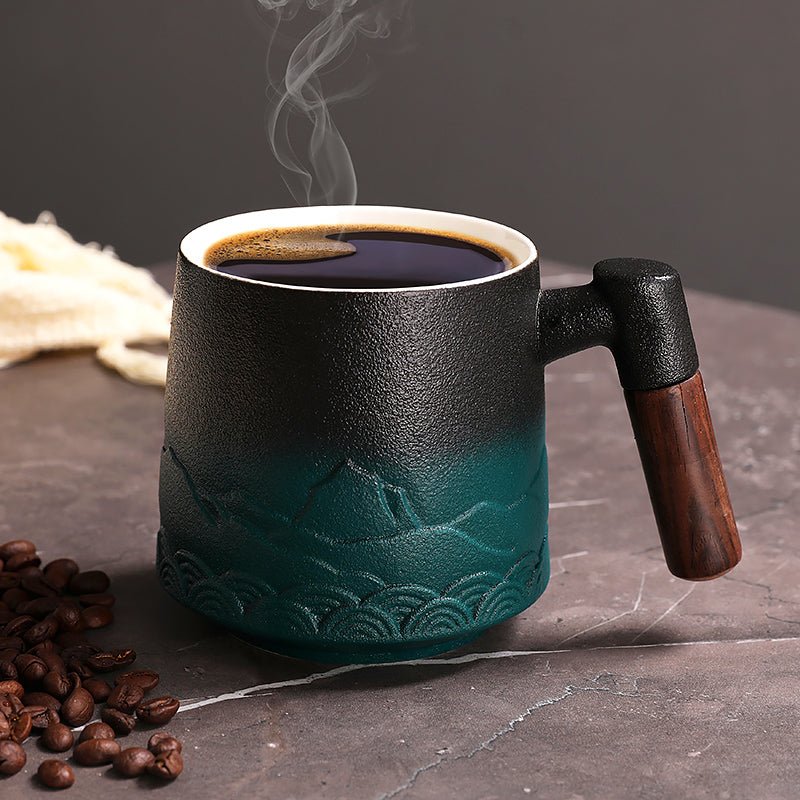
Coffee Mug Puns: Funny Gift Ideas, Best Styles, and What to Buy
Coffee mug puns work best when the mug is actually comfortable to hold, easy to clean, and sized for the person using it every day. Here’s how we choose pun mugs that get a laugh without becoming c...
En savoir plus
Laisser un commentaire
Ce site est protégé par hCaptcha, et la Politique de confidentialité et les Conditions de service de hCaptcha s’appliquent.