
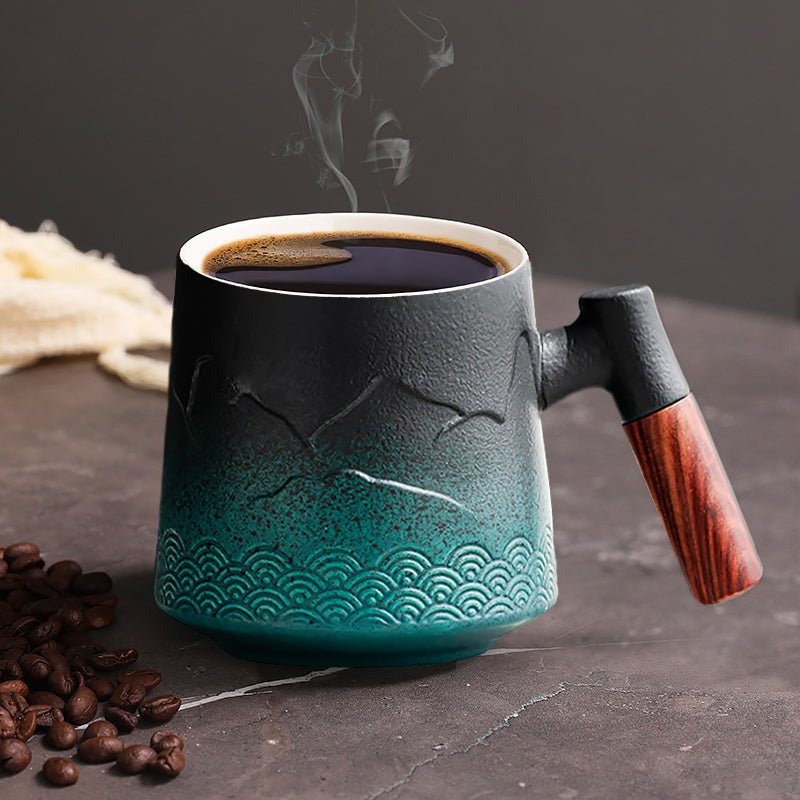
Best Insulated Coffee Mug with Handle: What Buyers Should Check
Reading time: about 10 minutes
The first thing most buyers notice is not the insulation rating. It is the handle. A mug can look solid online, then feel awkward the first time it sits beside a keyboard, slips in a dishwasher rack, or gets too hot at the rim after a long pour.
We handle these mugs in our store all the time, and the same complaints come up again and again: a lid that leaks around the sipping edge, a handle that feels cramped, or a body shape that does not fit the way people actually drink coffee at home. If you are trying to find the best insulated coffee mug with handle, the right choice is usually the one that balances heat retention, grip comfort, and easy cleaning without pretending to be a full travel tumbler.
For shoppers comparing options, our collection of coffee mugs and drinkware is the fastest place to see what we currently carry. If you want a broader overview first, our earlier guide, Best Insulated Coffee Mug: What to Check Before You Buy, covers the basics of insulation and lid design before you narrow down to handled styles.
What makes an insulated coffee mug with handle worth buying?
A good handled insulated mug does three jobs at once. It keeps coffee warmer than a basic ceramic cup, gives you a secure grip, and still feels comfortable to use around a desk, counter, or couch. The handle matters more than most people expect. On a stainless steel mug, the outer wall can stay cooler than a single-wall metal cup, but a poorly shaped handle still makes the mug feel bulky or unstable.
In our experience, buyers usually want one of two things: a mug for slow sipping at home or office use, or a mug that can move from kitchen to car without becoming a full travel flask. That distinction matters. A handled mug is usually better for comfort and everyday drinking. A tapered, lid-heavy travel tumbler is usually better for bag carry and cup holders.
Here is the practical trade-off:
- Handled insulated mug: better grip, easier desk use, easier to sip from at a normal pace.
- Travel tumbler without a handle: usually slimmer, often better for cup holders and backpacks.
- Ceramic handled mug with insulation sleeve or double wall: can feel more traditional, but may not hold heat as long as a stainless steel version.
If you are still deciding between a handled mug and a fuller travel model, our article Travel Coffee Mug with Handle: What Buyers Should Check Before Buying is a useful side-by-side read. It helps you avoid buying a mug that looks practical but does not fit your routine.
Which materials hold up best in daily use?
Material is where a lot of buyers make the wrong assumption. Stainless steel is the most common choice for the best insulated coffee mug with handle because it usually offers strong heat retention, decent durability, and less fragility than ceramic. Double-wall construction is the key feature to look for. The vacuum space between the walls slows heat loss and helps prevent the outside from getting uncomfortably hot.
That said, stainless steel is not automatically the best feel for everyone. Some people prefer ceramic for a more familiar drinking experience, especially if the mug stays at a desk or kitchen table. Ceramic can taste neutral and look cleaner for gifting, but it is heavier and more likely to chip if it gets knocked into a sink or dropped on tile.
We usually tell shoppers to look at three concrete details before buying:
- Body material: stainless steel for durability and heat retention; ceramic for traditional feel; glass only if you are comfortable with more fragility.
- Inner finish: a smooth interior is easier to rinse and less likely to trap coffee oils.
- Handle attachment: welded or firmly molded handles tend to feel more stable than decorative handles that flex under the mug’s weight.
For a deeper look at sizes, fit, and material choices, our 16 Ounce Coffee Mug Buyer’s Guide: Size, Material, and Fit goes into the practical side of what actually feels comfortable in the hand.
How much lid quality matters for spill control and heat retention?
A lid can make or break the mug. We see buyers focus on insulation, then regret the lid after the first commute, the first desk tip-over, or the first rinse. A snug lid does not just reduce spills. It also helps hold aroma and slows heat loss, especially during the first 20 to 30 minutes after pouring.
For handled insulated mugs, the best lids usually have a clear sipping opening that closes securely, a silicone or fitted sealing edge, and a shape that is easy to remove without fighting it. Cheap lids often fail in predictable ways: the sip opening feels loose, the seal warps after hot water and dishwasher cycles, or the lid pops off too easily when the mug is overfilled.
We recommend checking for these real-world details:
- Seal fit: does the lid sit evenly, or does one side lift?
- Sipping comfort: does the opening give a clean flow, or do you have to tilt too far?
- Cleaning access: can you reach the underside of the lid and the drinking channel?
If you want a more detailed checklist just for mug-and-lid combinations, read Insulated Coffee Mug with Handle and Lid: What Buyers Should Check. It covers the small lid details that shoppers often overlook until after purchase.
What size is most practical: 12 oz, 16 oz, or bigger?
Size affects everything: heat retention, comfort, and how often you refill. A 12 oz mug is often the easiest to hold and the least awkward on a smaller desk. A 16 oz mug is the most flexible middle ground for many coffee drinkers because it fits a standard pour plus a little room for milk. Larger mugs can work well at home, but they get heavier and bulkier fast once filled.
We see a common mistake in gift buying: choosing the biggest mug available because it seems like a better value. In practice, a large handled mug may feel clunky, especially if the handle opening is too narrow for bigger hands or if the mug body is wide enough to crowd a laptop, notebook, or counter corner.
| Size | Best for | Possible drawback |
|---|---|---|
| 12 oz | Smaller pours, espresso drinks, compact desk use | Needs refilling sooner |
| 16 oz | Most daily coffee drinkers, flexible home/office use | Can feel large if the handle is undersized |
| 20 oz+ | Long sessions at home, larger servings | Heavier, bulkier, less comfortable for small hands |
If you are choosing between home use and travel use, our guide Best Insulated Coffee Mug Travel: What to Buy and What to Skip is helpful because not every insulated mug with a handle is meant for commuting. Some are simply better for desk life and weekend mornings.
What problems should you watch for before buying?
The best insulated coffee mug with handle is not the one with the flashiest listing. It is the one that avoids the common failure points we see after unboxing, washing, and daily use. A mug can look polished online and still be annoying in real life.
These are the issues we watch for in our store and would flag for any buyer:
- Handle clearance is too tight: fingers fit, but the grip feels pinched once the mug is full.
- Lid and body do not match well: the lid sits, but not securely enough for movement.
- Exterior finish scratches easily: some coatings show marks quickly on a sink edge or dish rack.
- Dishwasher mismatch: not every lid, seal, or coating tolerates repeated high-heat washing the same way.
- Too much condensation or heat transfer: this usually points to weak insulation or poor construction.
We also advise shoppers to think about how they clean. A mug with a narrow opening or complicated lid parts can be fine for occasional use, but frustrating for daily coffee. If you know you will use it every morning, then easy rinsing and lid disassembly matter more than a polished product photo.
One simple test we use in-store: hold the mug by the handle with a full pour, then try a small wrist tilt as if you were setting it on a desk. If the grip feels awkward empty, it will feel worse when hot and full.
Is a handled insulated mug better than a travel mug?
Not always. A handled mug is better for comfort, slower sipping, and desk or kitchen use. A travel mug is better if you need a tighter seal, slimmer body, and more confidence in a bag or car. Some shoppers try to force one product to do both jobs, and that is where disappointment starts.
Pick a handled insulated mug if you:
- Drink coffee at a desk, kitchen table, or home office.
- Prefer a familiar mug grip over a tumbler shape.
- Want easier access for rinsing and daily hand washing.
Pick a travel tumbler instead if you:
- Carry coffee in a tote, backpack, or car cup holder often.
- Need a more closed lid for movement.
- Care more about portability than a classic mug feel.
If your use case sits between the two, the Insulated Coffee Travel Mug: What Buyers Should Check Before They Choose article can help you decide which shape fits your routine without overbuying features you will not use.
How do you choose the best one for your routine?
We usually narrow it down with a simple set of questions. This is the same checklist we use when we talk customers through options in our store.
- Where will you use it most? Desk, kitchen, couch, car, or a mix.
- How do you clean drinkware? Dishwasher-friendly pieces save time, but hand-wash details still matter for lids and seals.
- Do you want ceramic feel or metal durability? That one choice eliminates half the market.
- How important is spill resistance? If it moves between rooms, the lid matters more than the mug shape.
- How big is your usual pour? Size should match the coffee you actually drink, not the biggest number on the box.
For shoppers who want a narrower set of options, start with our product page and compare the handle shape, lid style, and capacity side by side. That is usually faster than reading specs alone, especially if you are buying as a gift and need a mug that feels right in the hand.
Frequently asked questions
What is the best size for an insulated coffee mug with handle?
For most people, 16 oz is the safest starting point because it balances capacity and comfort. Smaller 12 oz mugs are easier to hold and better for shorter pours, while larger sizes can feel heavy once filled. If you drink coffee slowly at a desk, 16 oz usually gives the best mix of convenience and practicality.
Are stainless steel mugs better than ceramic mugs with handles?
Stainless steel usually wins for durability and heat retention, especially in daily use. Ceramic often feels nicer if you want a traditional coffee mug experience and plan to keep it mostly at home. The trade-off is that ceramic can chip more easily and may not hold heat as long.
Can I put an insulated mug with handle in the dishwasher?
Sometimes, but not always in the same way for the mug body and lid. Many stainless steel bodies are easier to clean, while lids and seals may need gentler care to keep their fit. We recommend checking the product care notes and paying close attention to lid parts, since that is where warping and wear usually show up first.
What should I avoid if I want a mug for office use?
Avoid mugs with oversized handles that crowd your desk or bodies that are too wide for a cluttered workspace. Also avoid lids that are hard to remove if you refill often. For office use, comfort and easy cleaning usually matter more than maximum capacity.
Is a handled insulated mug good for commuting?
Only if your commute is short and you do not rely on a cup holder or a fully sealed travel lid. A handled mug is often more comfortable for home or office sipping than for bag carry. If commuting is the main use, a travel mug may suit you better.
If you are ready to compare real options, start with the questions above, then check our full collection for the mug shape and lid style that fit your routine. The best choice is usually the one that feels right in the hand, cleans easily, and matches how you actually drink coffee every day.
More from our blog
Read more
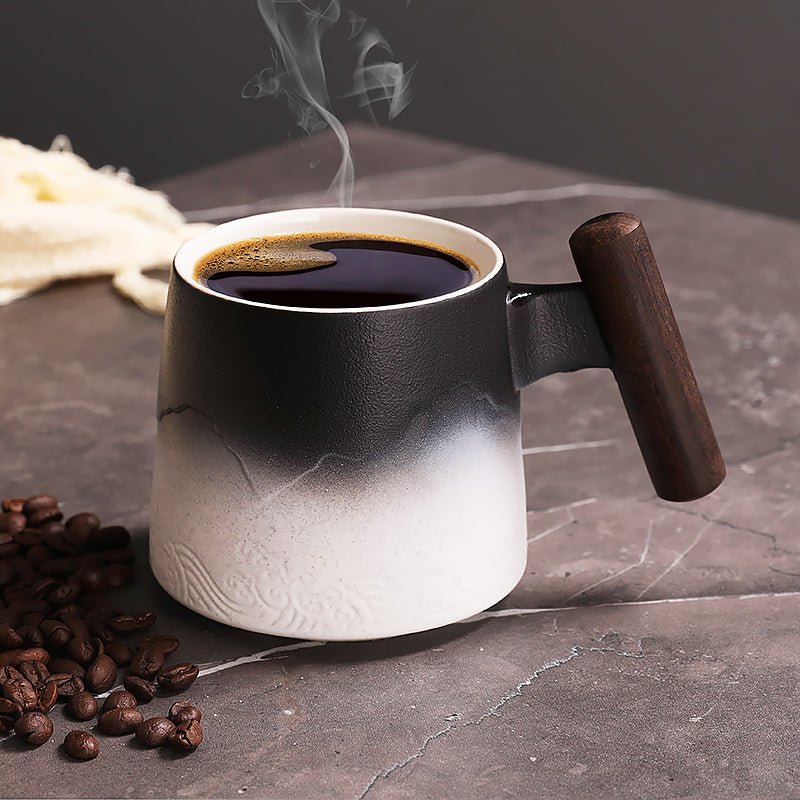
Personalized Picture Coffee Mugs: What Buyers Should Check Before Ordering
Personalized picture coffee mugs can be a great gift or desk upgrade, but the best choice depends on image quality, mug size, print method, and care. Here’s how we help shoppers compare options bef...
En savoir plus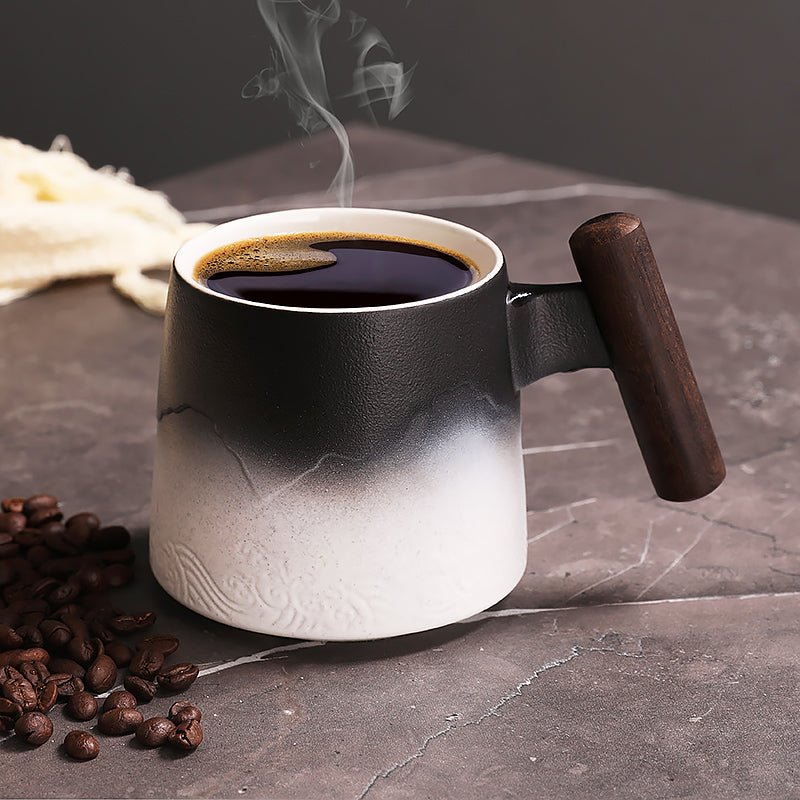
How Many Oz Is a Coffee Mug? Common Sizes and What Fits Best
A practical size guide for shoppers who want to know how many oz is a coffee mug and what those ounces mean in real daily use. We break down the most common mug sizes, where each one fits best, and...
En savoir plus
Laisser un commentaire
Ce site est protégé par hCaptcha, et la Politique de confidentialité et les Conditions de service de hCaptcha s’appliquent.