
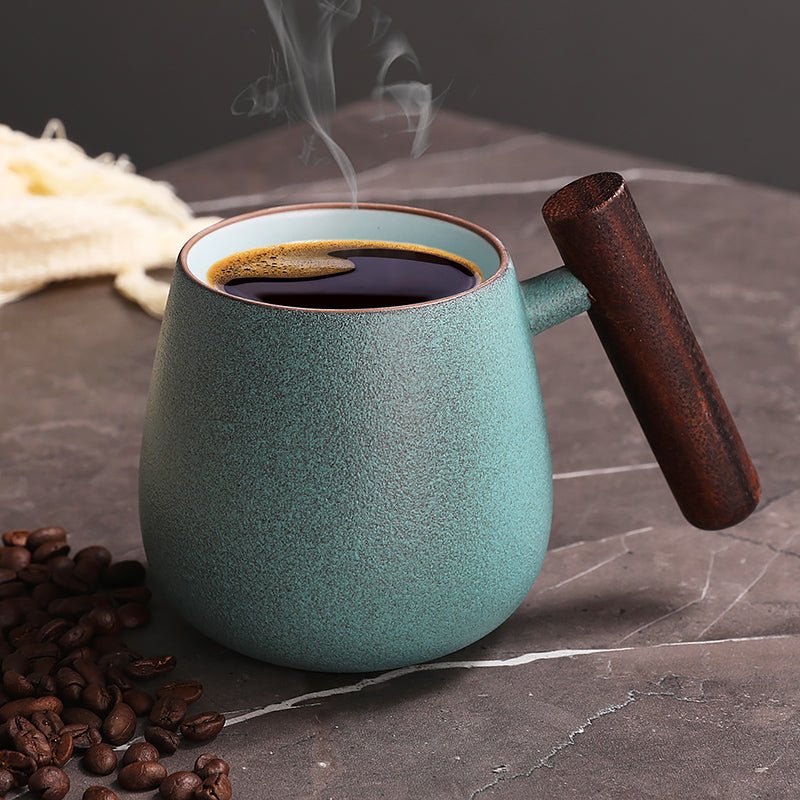
Best Coffee Mugs Travel: What to Buy for Commutes, Office Days, and Trips
Reading time: about 10 minutes
A mug that leaks once in a laptop bag changes the way people shop. We see it all the time: someone wants a mug for the morning drive, the office desk, or a weekend train ride, but the first bad lid or awkward handle turns a simple buy into a regret.
The best coffee mugs travel shoppers usually keep using are not the fanciest ones. They are the ones that fit a car cup holder, seal well enough for a commute, feel comfortable to sip from at a desk, and still clean up easily after a few dishwasher cycles. That mix matters more than a flashy finish.
At CoffeifyMug, we handle this category with those real use cases in mind. In our store, we look at what people actually do with a travel mug: carry it past a mailbox, set it down on an office desk, toss it in a tote, or wash it after a long day. Those details separate a good mug from one that gets left in the cabinet.
What makes the best coffee mug travel-friendly instead of just pretty?
A travel mug earns the label when it works outside the kitchen. That means the lid stays secure, the body feels balanced in the hand, and the opening is designed for easy drinking on the move. A mug can look great on a shelf and still fail the daily commute test.
Here is what we check first when comparing mugs for travel:
- Lid seal: A snap-on or threaded lid should close cleanly without wobble. If the seal feels loose on the counter, it usually performs worse in a bag.
- Body material: Stainless steel is the most common choice for travel because it handles bumps better than ceramic. Ceramic can work for office use, but it is less forgiving in a tote or car.
- Opening size: A wide opening can make cleaning easier and improve aroma, but it may cool faster. A narrower opening often helps with heat retention.
- Base fit: If the bottom is too wide, it may not sit well in a car cup holder. That becomes annoying fast.
- Grip and carry comfort: A powder-coated or textured exterior can help, especially on morning commutes when hands are cold or damp.
For shoppers who want a more detailed side-by-side comparison of everyday use, our guide on Coffee Travel Mugs: How to Choose the Right One for Daily Use covers the practical basics we hear about most often from customers.
Which material is better: stainless steel or ceramic?
This is the first real trade-off. Stainless steel is usually the safer pick for commuting because it resists knocks, handles temperature changes well, and tends to travel better in bags. Ceramic has a more traditional coffee feel, and some buyers prefer the taste and weight, but it is less suitable if the mug will move around a lot.
| Material | Best for | Trade-off |
|---|---|---|
| Stainless steel | Commutes, office carry, car cup holders | Can feel less like a café mug; some people prefer not to drink directly from metal interiors |
| Ceramic | Desk use, home office, slow sipping | Heavier and more breakable; not ideal for tossing into a bag |
| Plastic or polymer lids/body parts | Lightweight carry and budget-conscious use | Can scratch more easily and may not feel as durable over time |
If you are specifically considering ceramic, we recommend reading Ceramic Travel Coffee Mugs: What Buyers Should Check Before Ordering before you decide. Ceramic mugs can be a good fit, but only if your day is mostly desk-based and the mug is not being thrown into a crowded bag.
One thing we tell customers directly: ceramic is not the best choice for someone who fumbles bags, stacks the mug with keys, or commutes on uneven transit. Stainless steel is usually the more forgiving option there.
How much size do you actually need for travel?
Size is where a lot of buyers overbuy. A larger mug sounds better until it no longer fits the cup holder or feels too heavy after you fill it. For many people, 12 oz and 16 oz are the most practical ranges because they match a standard coffee pour without becoming bulky.
We see the difference clearly between a mug that is comfortable to carry and one that stays on the counter. A 12 oz mug often suits shorter commutes, smaller coffee servings, or tea drinkers who do not want a large vessel. A 16 oz mug gives more flexibility for long mornings, refill-heavy office days, or people who like room for milk.
If you are deciding between those sizes, our related guides on 12 oz Coffee Mugs: What to Check Before You Buy and 16 oz Coffee Mugs: What to Check Before You Buy can help you avoid buying a mug that is technically fine but practically inconvenient.
Here is the simplest way to think about it:
- Choose 12 oz if you want lighter carry, faster cooling for immediate drinking, and a mug that feels less bulky in a bag.
- Choose 16 oz if you want more capacity, more room for milk, or fewer refills during a long work morning.
- Go bigger only if you are sure the mug still fits your cup holder, carrier, and hand size.
Oversized mugs are not ideal for every commuter. They can feel top-heavy, and they are usually more awkward on crowded train rides or small office desks.
Do leak-resistant lids really matter for a daily commute?
Yes, and this is where shoppers should be picky. A lid that is “splash-resistant” is not the same as one that is actually trustworthy in a bag. The difference shows up quickly when the mug gets tilted, bumped, or packed beside papers.
In our experience, the most common complaint is not dramatic spilling; it is slow seepage around the lid edge or a small drip after a sip. That usually points to a lid that does not seat properly, a worn gasket, or a design that is better for desk use than for transport.
For readers focused on sealing and commuting, our article on Travel Coffee Mugs: Leak-Resistant Picks for Daily Commuting goes deeper into the features that matter before a mug ends up in a work bag. We also cover the comparison side in Coffee Travel Mugs Yeti: What Buyers Should Compare Before Ordering, especially for buyers comparing premium travel mug designs.
When checking a lid, we look for these practical signs:
- The lid clicks or threads on evenly.
- The drinking opening closes cleanly.
- The gasket sits snugly and does not appear twisted.
- The lid is easy to remove for washing without forcing it.
A mug that is excellent for a car commute may still be a poor choice for tossing into a backpack. That is not a flaw; it is just a design choice buyers should understand before ordering.
Which mug features make everyday use easier?
The best travel mugs are easy to live with. That means they are not only durable, but also easy to wash, easy to refill, and easy to set down without spills on an office desk or kitchen counter.
These are the details that matter more than most product pages mention:
- Dishwasher care: Some lids need top-rack care, while others are hand-wash only. If you hate handwashing small parts, check this before buying.
- Interior finish: A smooth interior helps with cleaning coffee oils and milk residue. Hard-to-clean corners tend to hold smell.
- Lid disassembly: Lids with removable seals are easier to clean, but only if they go back together correctly.
- Condensation behavior: Better insulation helps keep the outside dry, which matters if the mug sits next to a notebook or laptop sleeve.
- Balance when full: A good travel mug should not feel unwieldy when it is filled near the top.
We also see a recurring issue with low-cost lids: the drinking flap wears out before the cup body does. So the mug itself may last, but the part you use every morning becomes the weak point. That is one reason buyers should inspect lid design closely, not just the exterior finish.
What should you buy if the mug is mostly for the office?
If the mug spends more time on a desk than in a car, you can make different trade-offs. A desk mug does not need to be as aggressively leak-proof as a commuter mug, but it should still resist tip-overs and be comfortable to sip from slowly throughout the morning.
For office use, we usually suggest:
- A comfortable lid that opens cleanly with one hand.
- A base that feels stable on narrow desks and side tables.
- A size that does not crowd the keyboard or notebook space.
- A finish that is easy to wipe clean after coffee splashes.
This is also where some ceramic options can make sense. They can feel more natural for seated sipping and may suit a home office better than a full commute. Still, if there is any chance the mug will get carried between meetings, moved across parking lots, or packed into a tote, stainless steel is usually the safer purchase.
For shoppers who want a broader comparison of styles for regular use, we also recommend our guide on Great Travel Coffee Mugs for Commutes, Office Bags, and Weekend Trips. It is a useful bridge between desk-friendly and commute-friendly choices.
What does our store look for before we recommend a travel mug?
We do not judge a travel mug by appearance alone. In our store, we look at how it handles the everyday problems buyers mention after the first week of use. That includes lid cleanup, fit in common cup holders, and whether the body finish still looks decent after regular handling.
Our practical checklist looks like this:
- Does it match the user’s routine? Car commute, office desk, backpack, or weekend travel all ask for different features.
- Is the material right? Stainless steel for carry, ceramic for calmer desk use.
- Is the lid easy to live with? No one wants a lid that leaks or takes ten minutes to disassemble.
- Is the size realistic? 12 oz and 16 oz are often the sweet spot for most shoppers.
- Will it still be easy to clean after coffee oils and milk? If not, daily use becomes a chore.
We also try to be honest about what a travel mug is not good for. A highly insulated stainless mug is not the best choice if you want your drink to cool quickly. A ceramic travel mug is not the right pick if you need maximum portability. And a large-capacity mug may be annoying if your daily setup is a small desk or a compact car.
If you want to browse the full range we carry, start with our collection of travel mugs and drinkware or head to the main products page to compare current options side by side.
Frequently asked questions
What is the best coffee mug travel buyers should choose for commuting?
For commuting, the best choice is usually a stainless steel mug with a secure lid, a base that fits a car cup holder, and a size around 12 oz to 16 oz. That combination is easier to carry, less fragile, and more practical in a bag or car. If leaks are your biggest concern, prioritize the lid over the finish.
Are ceramic travel mugs good for everyday use?
Yes, but mainly for desk-based or home-office use. Ceramic feels pleasant to sip from and can be a nice fit for slower mornings, but it is heavier and more breakable than stainless steel. If you travel with it often, the risk of chips or cracks goes up.
What size travel coffee mug is best for most people?
Most shoppers are happiest with either 12 oz or 16 oz. Twelve ounces is lighter and easier to carry, while 16 oz gives more room for coffee plus milk or cream. If the mug will live in a bag or small cup holder, avoid going too large.
How do I know if a travel mug is actually leak-resistant?
Check how the lid seals, whether there is a gasket, and whether the opening closes firmly after each sip. A mug described as splash-resistant may still leak if it is tipped sideways or packed in a bag. For daily commuting, a stronger seal matters more than the product photo.
Should I choose a travel mug that is dishwasher safe?
If you plan to use the mug daily, dishwasher-safe parts make life easier. That said, some lids still need top-rack care or handwashing to keep the seal in good shape. We always recommend checking the care instructions before buying, especially if you want low-maintenance cleanup.
If you are comparing options right now, use this quick filter: choose stainless steel for commuting, ceramic for desk use, 12 oz for a lighter carry, and 16 oz for longer mornings. Then browse our full collection and pick the mug that matches your actual routine, not just the look you like best.
Read more
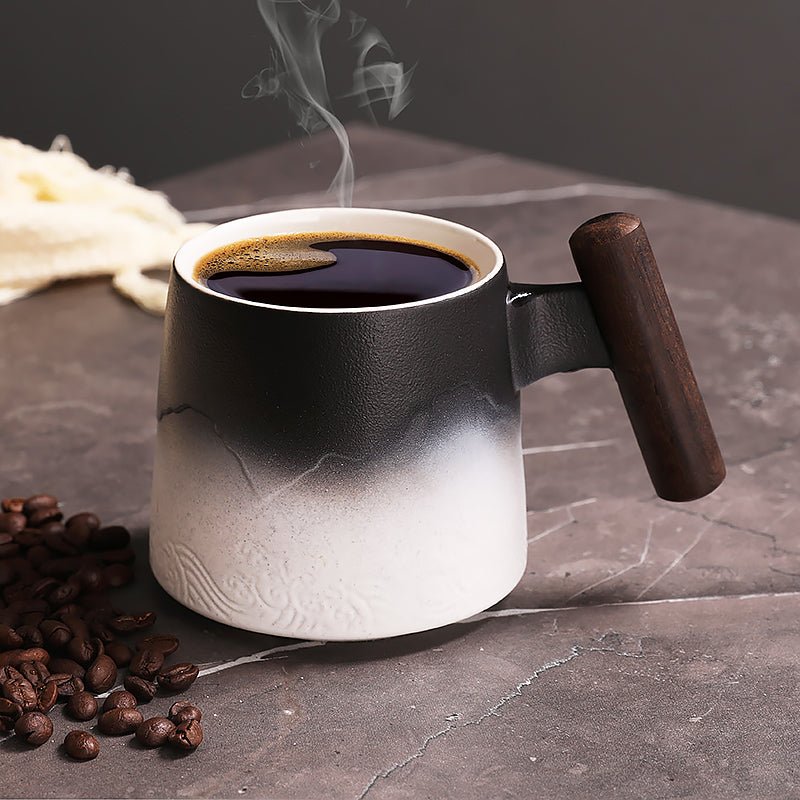
Le Creuset Coffee Mug: What to Check Before You Buy
A Le Creuset coffee mug can be a strong everyday pick, but size, weight, glaze, and care matter more than the color. We break down what to check before buying and when a different mug style is the ...
En savoir plus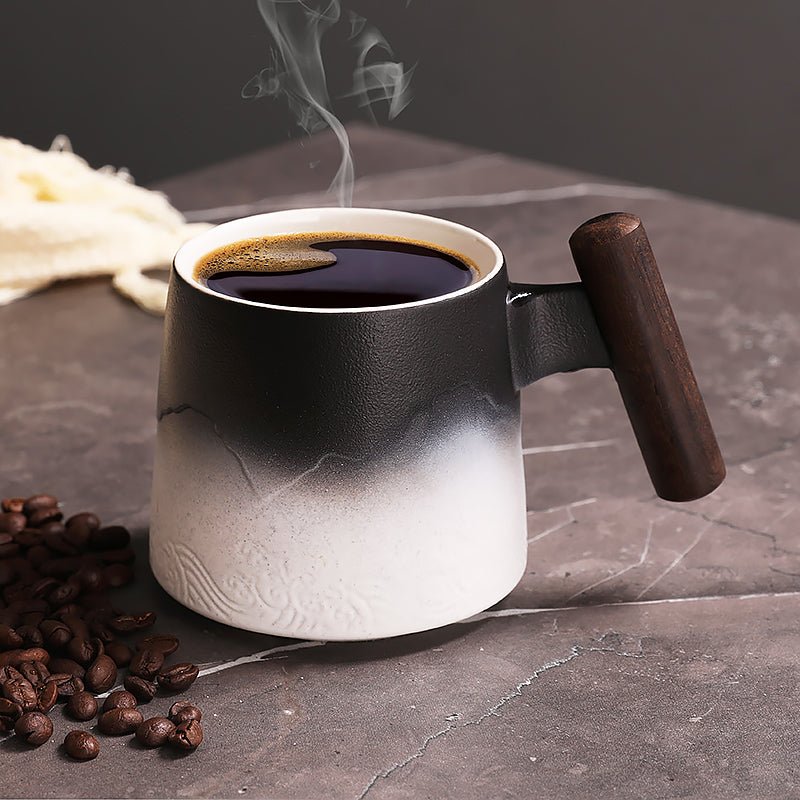
Company Logo Coffee Mugs: What Buyers Should Check Before Ordering
A practical guide for comparing company logo coffee mugs before you buy, with the real details that affect how they look on a desk, hold up in daily use, and work as gifts or staff items.
En savoir plus
Laisser un commentaire
Ce site est protégé par hCaptcha, et la Politique de confidentialité et les Conditions de service de hCaptcha s’appliquent.