
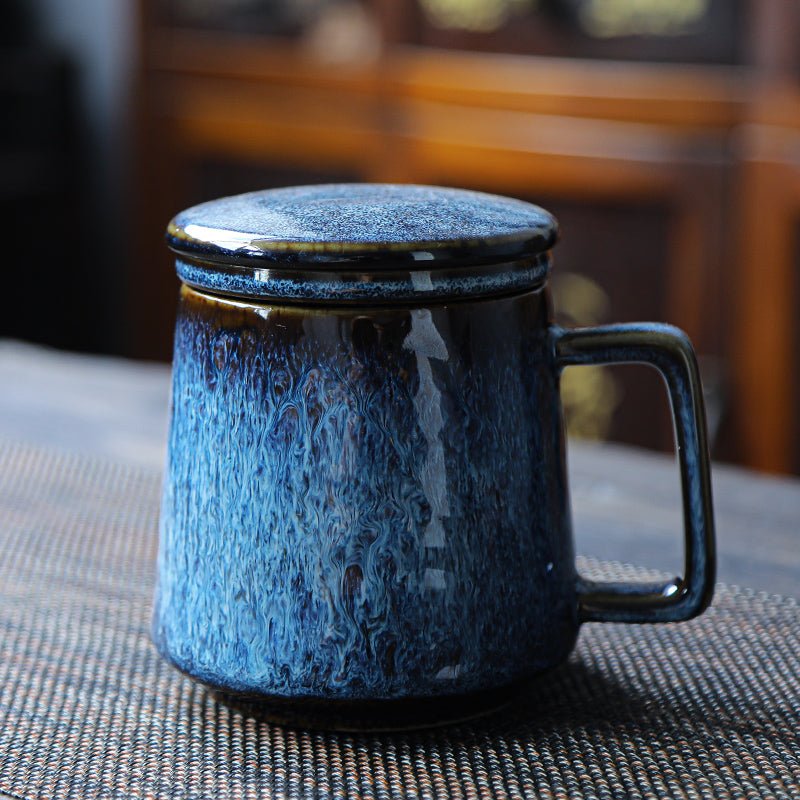
Abstract Coffee Mug Comparison: Rhombus, Gradient, or Flow?
Reading time: about 9 minutes
A 250 ml mug and a 400 ml mug can both look right on a kitchen counter, but they support very different routines once coffee is poured. This abstract coffee mug comparison focuses on that practical difference: the compact geometric Rhombus versus two larger options, the color-transition Gradient and the sculptural Flow. In our store, we see capacity and handling habits settle this decision more reliably than choosing from product photos alone.
We use abstract here as a shopper-facing style description. It refers to geometric form, changing color, or flowing curves, not to a verified artist attribution, named art movement, production method, or design provenance. That distinction matters because the useful buying question is not which mug has the most impressive label. It is which current option fits the drink, refill pattern, desk space, and recipient.
Abstract coffee mug comparison: 250 ml or 400 ml?
The clearest dividing line is nominal capacity. The Rhombus Coffee and Tea Mug is listed at 250 ml. The Gradient Coffee and Tea Mug and Flow Coffee and Tea Mug are both listed at 400 ml.
| Current option | Verified catalog detail | Best-matched routine | Main trade-off |
|---|---|---|---|
| Rhombus | 250 ml geometric form | Short coffee breaks, moderate servings, planned refills | Less capacity for long meetings or large tea servings |
| Gradient | 400 ml color-transition finish | Long desk sessions and buyers who prioritize visible color variation | More mug than necessary for a small, quick drink |
| Flow | 400 ml sculptural curves | Longer drinks and buyers drawn to shape and contour | Curved styling may not suit a minimal or strictly geometric setting |
Nominal capacity is not the same as the amount most people comfortably pour. Coffee and tea usually need some headspace below the rim, especially when the mug is carried from a kitchen to a desk. Milk, foam, lemon, or ice also uses part of the listed volume. If you routinely prepare a fixed recipe, compare the finished drink volume with 250 ml or 400 ml rather than assuming that a larger number is automatically better.
Rhombus 250 ml for compact servings and planned refills
The Rhombus is the practical starting point for someone who pours a moderate coffee, drinks it during a defined break, and is comfortable returning for a refill. Its verified 250 ml capacity separates it clearly from the two 400 ml choices, while the geometric form gives it the strongest angular visual identity in this group.
Reader situation: you make a smaller morning coffee, keep a mug beside a keyboard for only part of the day, or prefer to refresh the drink rather than pour one large serving. Why it fits: the 250 ml volume is closer to that compact routine, and the rhombus-based form answers the request for an abstract geometric mug without relying on color transition or flowing contours. The direct next step is to review the current images and listing details on the Rhombus product page.
The trade-off is straightforward. Rhombus is not the best match for someone who wants 400 ml in one pour, prepares a large tea, or expects a mug to last through a long call without a refill. It is also not a demitasse-size espresso cup. Buyers comparing much smaller coffee formats may find the serving breakdown in our 170, 200, and 270 ml cappuccino mug comparison more useful.
Gradient or Flow for a 400 ml desk drink?
Capacity does not separate Gradient and Flow because both are listed at 400 ml. The decision shifts to visual emphasis and the setting where the mug will be used. On an office desk, a 400 ml mug can reduce refill trips during a meeting or focused work block. At home, it gives more room for a longer tea, a milk-based coffee, or a drink with additions. It can also be unnecessarily large if the usual serving is short and consumed quickly.
- Choose Gradient for visible color change: Its defining catalog detail is a color-transition finish. It suits the buyer who wants the surface treatment to create the abstract effect and who prefers color variation over an angular silhouette.
- Choose Flow for shape-led styling: Its defining detail is sculptural curves. It suits the buyer who notices contour first and wants a softer, more fluid counterpoint to straight-edged kitchen or office objects.
- Choose neither solely because 400 ml sounds versatile: A large nominal capacity does not confirm that the mug fits a specific brewer, cup holder, shelf, or cabinet. Check the live product photos and current listing information before ordering for a tightly measured space.
Reader situation: you want one substantial drink beside you through a work session. Why either fits: both provide the same verified 400 ml capacity, leaving you free to choose between color transition and sculptural form. The next step is to compare the Gradient listing and the Flow listing side by side, paying particular attention to the product photographs.
Color transition, geometric form, or sculptural curves?
These three mugs approach abstract style through different visible cues. That affects how they sit with the objects already in a room. Rhombus adds an angular, geometric note. Gradient puts the emphasis on the change across its finish. Flow uses curved volume and contour.
For a kitchen with straight cabinet lines, squared storage containers, and restrained colors, Rhombus can continue the geometry rather than interrupt it. Gradient can introduce color movement without requiring the mug itself to be chosen primarily for angular form. Flow makes more sense when the buyer wants the silhouette to feel softer and more sculptural.
None of these descriptions establishes a specific art-historical influence or creator story. We would not advise buying one as a collectible based on unlisted provenance, edition status, or production claims. These are current drinkware choices to compare by capacity and visible design character. Shoppers who want to see these options in broader context can browse our unique coffee mugs collection before narrowing the choice.
Which option makes the more considered gift?
Gift buyers often focus on the most dramatic appearance and forget the recipient's normal pour. We recommend reversing that order. Start with what the person drinks, then use the design to make the gift feel specific.
- Confirm the usual serving: A person who repeatedly makes a moderate coffee may get more daily use from the 250 ml Rhombus. Someone who carries tea to a desk or pours one larger drink may be better matched with a 400 ml Gradient or Flow.
- Match the visual preference: Pick Rhombus for clear geometry, Gradient for a color-transition finish, or Flow for sculptural curves.
- Check practical constraints: Review the current listing for dimensions, material details, and care guidance if those points determine the purchase. Do not assume dishwasher, microwave, brewer, or cabinet compatibility when a specification is not stated.
- Consider the unboxing impression: Gradient is likely to appeal first through its changing finish, Flow through its contour, and Rhombus through its compact geometric identity. The recipient should still be able to use the capacity comfortably after that first impression.
Reader situation: you know the recipient likes unusual drinkware but do not know which form to choose. Why this process fits: it converts a subjective style decision into a serving-size decision first. The next step is to use our coffee mug gift comparison by routine if you need to evaluate more gift situations before returning to the product pages.
What should you verify about care and daily handling?
Capacity and appearance are verified comparison points here, but they are not the whole ownership experience. Material, exact dimensions, weight, handle clearance, microwave suitability, and dishwasher guidance can affect daily use. Those details should come from the current product listing or accompanying care information rather than from assumptions based on appearance.
Before checkout, consider the route the mug will take each day. A kitchen-to-desk mug needs comfortable clearance where it will be placed. A mug used near paperwork or electronics should not be filled to the rim. A 400 ml vessel may reduce refill trips, but a larger pour can also sit longer; actual cooling will depend on the drink, room, fill level, and mug construction, so capacity alone does not guarantee heat retention.
For iced coffee, remember that ice displaces liquid. The 400 ml options provide more nominal room than Rhombus, but that does not establish how a particular ice-to-coffee recipe will fit. For dishwasher care, check the live instructions and place the mug so it cannot knock against other drinkware during a cycle. Contact between distinctive forms and heavier dishes is a common avoidable source of chips across drinkware generally.
If your main drink is hot cocoa rather than coffee or tea, toppings and additions may change the useful capacity calculation. Our Hot Cocoa Mug Comparison: Rock, Gradient, or Flow? looks at that separate routine in more detail.
Frequently asked questions
Which option in this abstract coffee mug comparison is best for a small coffee?
Rhombus is the closest fit among these three because it is listed at 250 ml, while Gradient and Flow are both 400 ml. It makes sense for moderate servings and buyers who accept more frequent refills, but it is still larger than a traditional demitasse.
What is the difference between the Gradient and Flow mugs?
Both have a verified 400 ml capacity. Gradient is distinguished by its color-transition finish, while Flow is distinguished by sculptural curves, so the choice is primarily surface-led styling versus shape-led styling.
Is a 400 ml mug better for an office desk?
It can be better for someone who wants fewer refill trips during long calls or work sessions. It is not automatically better for a cramped desk, a short drink, or a person who prefers to refresh coffee frequently, so check the current dimensions and your normal serving before ordering.
Can I put Rhombus, Gradient, or Flow in a dishwasher or microwave?
Use the care guidance on the current product page or with the product. This comparison does not assign dishwasher or microwave suitability where it has not been verified, and appearance alone is not enough to determine either point.
Which abstract mug should I give as a gift?
Choose Rhombus for a recipient who drinks moderate servings and likes geometric form. Choose Gradient for a 400 ml drinker drawn to changing color, or Flow for a 400 ml drinker who prefers curved, sculptural shapes.
Your checkout checklist for Rhombus, Gradient, and Flow
- Pick 250 ml if the buyer drinks moderate servings and does not mind refilling.
- Pick 400 ml if the routine involves a longer tea, coffee with additions, or fewer trips back to the kitchen.
- Pick Rhombus for geometric form.
- Pick Gradient for a color-transition finish.
- Pick Flow for sculptural curves.
- Verify the live listing if material, dimensions, appliance suitability, or care instructions will decide the purchase.
Once capacity and visual preference are settled, return to the individual product page for the final specification check. If all three remain possible, compare them within the unique coffee mugs collection and choose the option that matches the routine before the room decor.
Read more
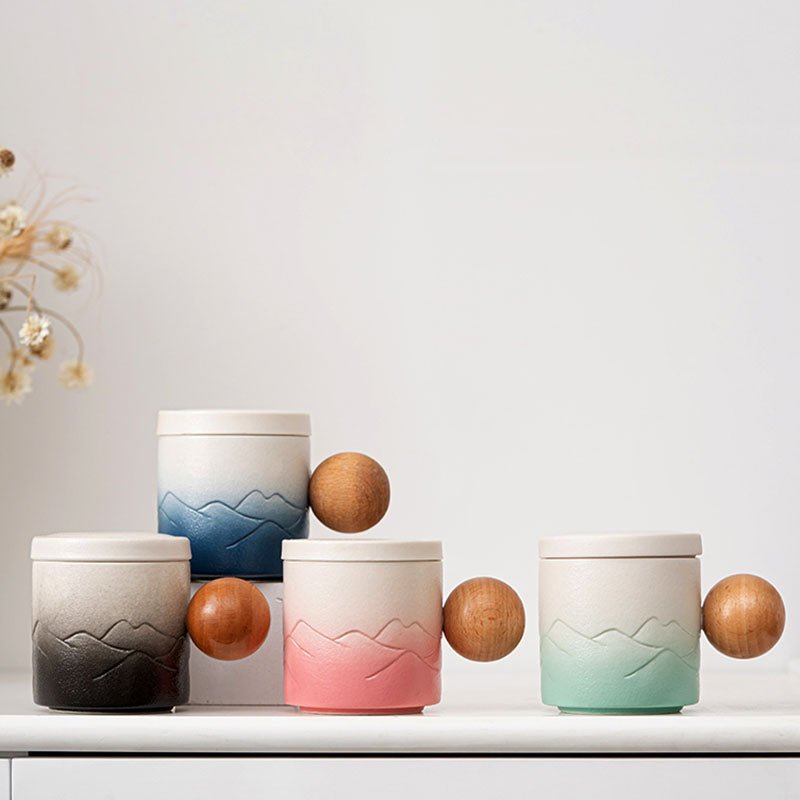
Matcha Latte Mug Comparison: 250, 390, or 400 ml?
Compare CoffeifyMug's current 250 ml, 390 ml, and 400 ml options by listed capacity and visible opening shape. See which mug fits shorter servings, larger recipes, desk use, or gifting.
En savoir plus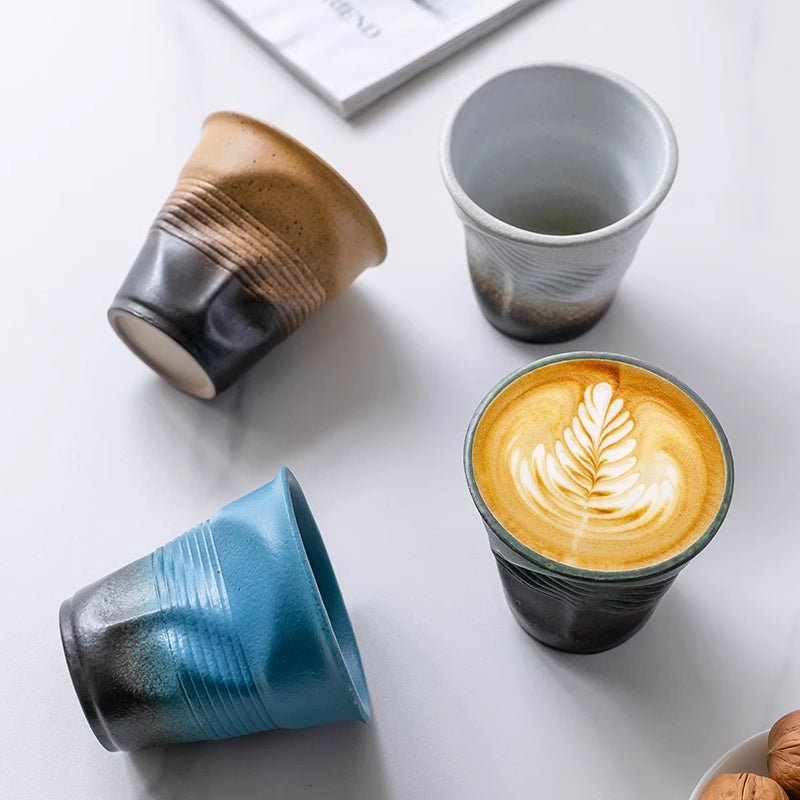
Breakfast Coffee Cup Comparison: 170, 200 or 350 ml?
Compare CoffeifyMug's current 170, 200 and 350 ml breakfast cups by serving size, table footprint and refill preference. See which option best matches quick coffee, measured portions or longer brea...
En savoir plus
Laisser un commentaire
Ce site est protégé par hCaptcha, et la Politique de confidentialité et les Conditions de service de hCaptcha s’appliquent.