
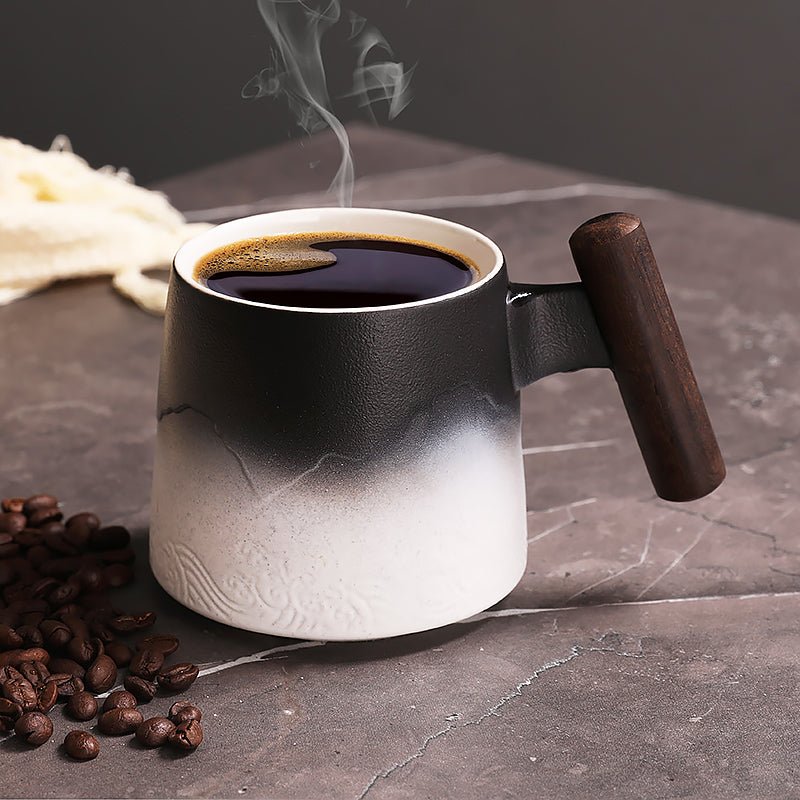
20 oz Coffee Mugs: What Buyers Should Check Before Ordering
Reading time: about 10 minutes
A 20 oz mug looks simple on a product page. On a kitchen counter, it solves a very specific problem: one bigger serving without reaching for a refill. We see shoppers choose this size for long workdays, second pours, and tea drinkers who want a little extra room for milk or cream. The catch is that not every 20 oz coffee mug feels the same in hand, fits the same machine, or cleans up the same way.
Best next step if you want a larger mug now
If you are done comparing larger mug size and just want the shortest next route, choose the shopper path, sample path, or forwardable buyer path now instead of opening more tabs.
- Pick a Mug Fast if you want the shortest compare before choosing a live product or starter set.
- Add the Round Mug to cart if you want the safest everyday-use first order without more reading.
- Open the Museum Shop Mug Sample Set if this visit is really about buyer review, sample review, or retail forwarding.
- Open the Editor & Buyer Asset Packet if you need one forwardable page with live links, product images, and buyer contact details.
If you want the measurement side first, 16 oz coffee mug guide, and 24 oz coffee mug guide can help you compare nearby sizes before using a cart route.
If you are comparing options, start with the basics we check in our store: actual capacity, handle clearance, material, and whether the mug will live on a desk, in a dishwasher, or in a cabinet with limited shelf height. For a broader comparison across sizes, our full collection is the easiest place to compare shapes and styles side by side.
What makes 20 oz coffee mugs different from smaller mugs?
A 20 oz mug sits in the “large everyday mug” range. It is bigger than a standard 12 oz mug and usually more forgiving than a 16 oz cup when you want extra room for coffee, foam, or cream. That extra volume matters most in real use: a fuller pour means less risk of sloshing when you walk from the kitchen to the desk, but it also means more weight once the mug is full.
In our experience, buyers choose 20 oz coffee mugs for three common reasons:
- They want fewer refills. Good for long meetings, reading, or work-from-home setups.
- They like room for add-ins. Cream, milk, sweetener, or whipped topping takes up space fast.
- They want a more substantial feel. A larger mug often feels steadier on a desk, especially with a wide base.
The trade-off is straightforward. A bigger mug is not always better if you drink espresso-based drinks, prefer lighter ceramic, or have small hands. If you usually fill a mug only halfway, you may be carrying extra size you do not need. If that sounds familiar, compare this with our notes on 12 oz coffee mugs and 16 oz coffee mugs before choosing.
What should you check before buying a 20 oz mug?
Capacity is only the starting point. A mug can be listed as 20 oz and still feel awkward if the proportions are off. We check the same practical details every time because these are the things that cause returns, complaints, or “this looked smaller online” disappointment.
| What to check | Why it matters | What can go wrong |
|---|---|---|
| Actual fill capacity | Some mugs are nominally 20 oz but not comfortable when filled to the brim | Spilling during the walk from counter to desk |
| Handle clearance | Your fingers should fit without pinching the cup wall | Uncomfortable grip, especially with hot liquid |
| Rim thickness | A thinner rim usually feels better for sipping | Heavy, clunky drinking experience |
| Base width | A wider base can improve stability | Tippy mug on a crowded desk or dishwasher rack |
| Dishwasher and microwave compatibility | Determines everyday convenience | Decorative finishes that fade or crack with repeated washing |
We also pay attention to material. Ceramic is the most common choice for 20 oz coffee mugs because it holds heat reasonably well and feels familiar. Stoneware often feels heavier and more durable in hand, while porcelain can look cleaner and lighter but sometimes feels more delicate. Stainless steel and insulated travel-style mugs are better if you need spill resistance, but they are not the same experience as a classic mug at the table.
If you are deciding between standard sizes and larger formats, our article on a buyer's guide to large capacity coffee mugs is a useful side-by-side starting point.
Which material is best for a 20 oz coffee mug?
The best material depends on where the mug will live most of the time. We handle mugs that spend their day on office desks, kitchen counters, and gift tables, and the right material changes with each setting.
Ceramic
Ceramic is the most straightforward pick for everyday use. It usually feels balanced, works well for coffee and tea, and is easy to rinse or dishwasher-wash if the finish allows it. The main limitation is weight. A full 20 oz ceramic mug can feel noticeably heavy, so it is not ideal if you have wrist pain or prefer a lighter cup.
Stoneware
Stoneware tends to feel sturdier and more substantial. That is appealing for home use, but it can be a little thick around the rim and heavier than expected. If you like a mug that feels solid in the hand, stoneware is worth considering. If you want something light and refined, it may feel bulky.
Porcelain
Porcelain can look elegant and feel smoother at the lip. It is a good fit for a cleaner tabletop presentation, especially for gifting. The trade-off is that it may feel less rugged than stoneware, so it is not always the best pick if the mug will live in a busy office kitchen or get stacked often.
In our store, we treat the material choice as a use-case decision, not just a style decision. A pretty mug that chips quickly is not a good buy.
How should a 20 oz mug fit in your hand, cabinet, and dishwasher?
This is where shoppers often get surprised. A 20 oz mug can be perfectly usable on paper and still be annoying in real life if the handle is cramped or the height is too tall for your cabinets. Before buying, think through the full route the mug will travel: cabinet, sink, dishwasher, counter, and desk.
- Hand fit: Make sure the handle opening is large enough for your fingers without squeezing against the mug body.
- Cabinet fit: Tall mugs may not fit under shorter shelves, especially if you stack other items nearby.
- Dishwasher fit: A wide mug can block spray arms or crowd neighboring cups.
- Desk stability: A wider base is usually better for a laptop desk or small office table.
We recommend looking at the mug from the side, not just from the front. A mug with a narrow handle and a tall body can look sleek but feel less comfortable when full. This is one reason some shoppers end up preferring a slightly shorter 20 oz profile over a tall, skinny one.
If you are still deciding between medium and large formats, our posts on 20 oz coffee mug basics and 20 ounce coffee mugs cover the size details from a different angle.
What problems do buyers run into with larger mugs?
Most returns or disappointments come from the same few issues. We see them often enough to call them out directly.
- The mug is too tall for the cabinet. This is common with larger-capacity designs that try to keep the footprint narrow.
- The handle feels undersized. A 20 oz mug should have room for a secure grip, especially when the cup is hot.
- The glaze or print does not hold up. Decorative mugs can look great on day one and fade after repeated dishwasher cycles if the finish is not made for regular washing.
- The mug is heavier than expected when full. Twenty ounces of liquid adds real weight. That matters for anyone who carries coffee from kitchen to office or from counter to couch.
- The wall is too thin or too thick for the drinker’s preference. Thin walls can feel refined but may cool faster; thick walls can hold heat longer but feel bulky.
These are not reasons to avoid the size. They are reasons to choose carefully. If your priority is spill resistance over open-cup comfort, then a travel tumbler may suit you better than a traditional mug. If you only want a quick morning pour at the counter, a smaller 12 oz or 16 oz mug may be the smarter buy.
Are 20 oz coffee mugs good for gifts?
Yes, but only if you know the recipient’s habits. A 20 oz mug makes a solid gift for someone who drinks large coffees, tea, or hot chocolate and likes a mug that feels substantial. It is less useful as a gift for minimalists, small-space apartment dwellers, or people who already have a favorite cup they use every morning.
For gifting, we look for a few practical traits:
- A comfortable, easy-to-hold handle.
- A finish that can handle routine washing.
- A shape that feels balanced, not oversized or top-heavy.
- A design that works on a desk, breakfast table, or kitchen shelf.
Gift unboxings also reveal one thing shoppers do not always think about: packaging and first impression matter, but the mug still has to work after the ribbon comes off. A novelty mug that looks fun but is awkward to drink from usually ends up in the back of the cabinet.
How do 20 oz mugs compare with 8 oz, 12 oz, and 16 oz sizes?
Size choice is mostly about routine. We sell drinkware for different habits, and each size solves a different problem.
| Size | Best for | Not ideal for |
|---|---|---|
| 8 oz | Espresso, small tea servings, compact shelves | Large coffee pours or milk-heavy drinks |
| 12 oz | Standard coffee drinkers, lighter mugs, smaller hands | Long sessions without refills |
| 16 oz | Most everyday coffee drinkers, balanced size | People who want extra room for add-ins |
| 20 oz | Big coffee servings, tea with space, desk use, fewer refills | Minimalist drinkers, small cabinets, lightweight-cup buyers |
If your current mug feels like it empties too fast, 20 oz is worth considering. If you already struggle to finish a 16 oz mug before it cools, a bigger cup may not help. Heat retention, drink speed, and personal routine matter more than the number printed in the product title.
How should you care for a 20 oz coffee mug?
Care depends on the finish, but a few habits help most mugs last longer. We recommend checking the product details before the first wash, especially if the mug has printed graphics, metallic accents, or a specialty glaze.
- Wash printed or decorated mugs according to the care notes, even if the mug is labeled dishwasher-safe.
- Avoid sudden temperature changes if the mug is ceramic or stoneware, since thermal shock can stress the material.
- Use a non-scratching sponge for glazed surfaces to keep the finish looking clean.
- Do not stack mugs too tightly if the rim or handle shape could chip against another cup.
For routine use, we like mugs that can move from coffee to rinse to dishwasher without a second thought. That said, not every decorative mug is built for that kind of daily cycle. If your top priority is easy care, choose function before novelty.
Frequently asked questions
Is a 20 oz coffee mug too big for everyday use?
Not if you regularly drink larger pours or add milk, cream, or foam. For many shoppers, it is the sweet spot between a standard mug and a travel tumbler. If you only drink a small morning coffee, though, it may feel oversized and heavier than necessary.
Will a 20 oz mug fit under a standard coffee maker?
Sometimes, but not always. Taller mugs can be awkward under low spouts or drip machines, especially if the base is wide or the handle sits high. Check the mug height against your machine’s clearance before ordering.
Are 20 oz coffee mugs dishwasher safe?
Many are, but not all. Plain ceramic and stoneware mugs are often easier to wash in the dishwasher, while printed or decorated mugs may need gentler care to keep the finish from fading. Always check the care notes for the specific item.
What is the best material for a mug that gets used at a desk every day?
Ceramic is usually the easiest balance of comfort, heat retention, and familiar feel. If you want something heavier and sturdier, stoneware is worth considering. If the mug will travel between rooms often, a travel tumbler may be a better fit than a traditional 20 oz mug.
Do 20 oz mugs make good gifts?
Yes, especially for coffee or tea drinkers who like a larger serving. They are less ideal for people who prefer lightweight mugs, small cabinets, or minimal drinkware. The safest gift choice is a simple, well-shaped mug with a comfortable handle and easy-care finish.
If you are ready to compare actual options, start with the mug style that matches your daily routine, then review the size and care details one more time. Our product page is the quickest place to check what is available right now, and if you want to compare all drinkware styles together, the full collection is the best next step.
More from our blog
Read more
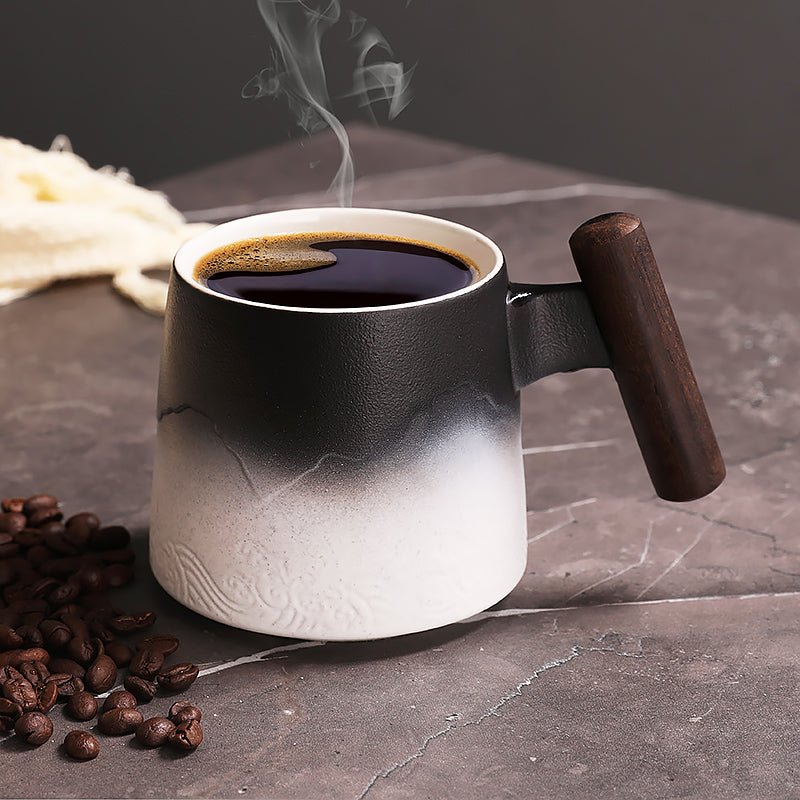
16 Ounce Coffee Mug Buyer’s Guide: Size, Material, and Fit
A practical guide to choosing a 16 ounce coffee mug that fits your drink habits, cabinet space, and care routine. We cover material trade-offs, comfort, and what to check before you buy.
En savoir plus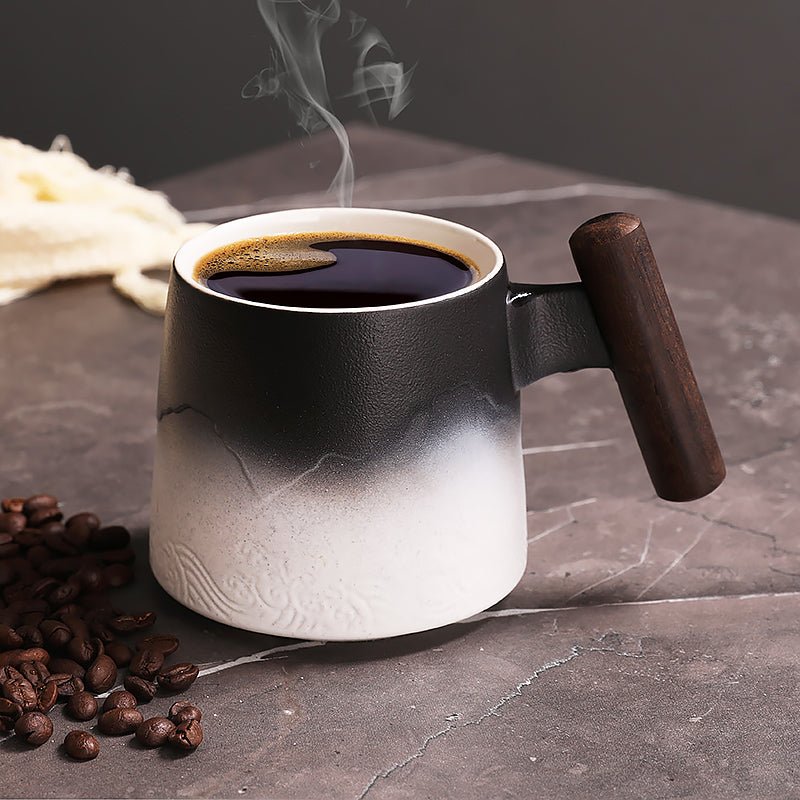
Corelle Coffee Mugs: What Buyers Should Check Before Ordering
A practical buyer’s guide to corelle coffee mugs, with the trade-offs that matter in real kitchens, offices, and gift sets. Compare weight, durability, size, and everyday use before you choose.
En savoir plus
Laisser un commentaire
Ce site est protégé par hCaptcha, et la Politique de confidentialité et les Conditions de service de hCaptcha s’appliquent.