
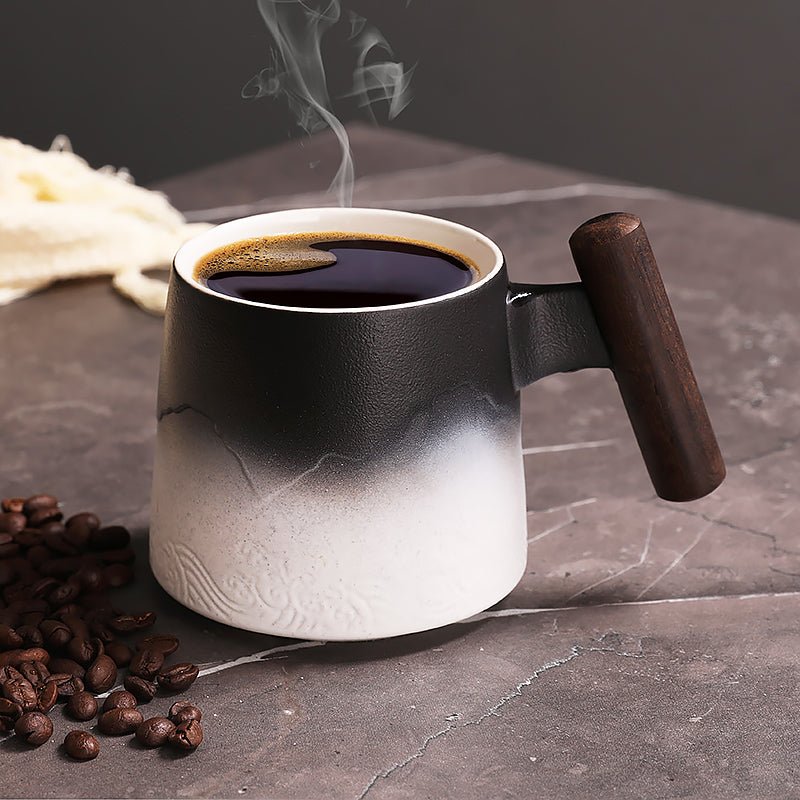
16 Ounce Coffee Mugs: Size, Materials, and Fit Guide
Reading time: about 9 minutes
A mug that looks perfect on a product page can feel very different once it is sitting under a coffee machine, next to a keyboard, or in a dishwasher rack. We see that every time shoppers compare 16 ounce coffee mugs and realize the real question is not just capacity, but comfort, material, and daily fit.
Fast routes for 16 oz buyers
If you already know you want a medium-large everyday mug, use these direct routes instead of reopening size comparison tabs. article_16oz_materials_20260604
- Pick a Mug Fast helps narrow shape and handle preference before checkout.
- Round Mug cart is the quickest single-mug route if you want the classic round silhouette.
- Museum Shop Mug Sample Set works better when you need a buyer or review set instead of one unit.
- Editor & Buyer Asset Packet opens product facts and image assets for editorial or partnership review.
If you want the measurement side first, 16 oz buyers guide, and 20 oz comparison can help you compare nearby sizes before using a cart route.
If you want a mug that can handle a standard drip coffee, leave room for milk, and still feel substantial in the hand, 16 ounces is often the sweet spot. It is also the size people regret buying when the handle is too tight, the rim feels too thick, or the mug is too tall for their machine. Our team recommends reading our 16 Ounce Coffee Mug Buyer’s Guide: Size, Material, and Fit alongside this page if you want a deeper sizing check before you buy.
What does a 16 ounce coffee mug actually hold?
A 16 ounce mug is a large everyday mug, but the stated capacity usually refers to the total fill volume, not the amount you should pour to the rim. In real use, most people leave a little headspace so hot coffee does not slosh over when the mug moves from the counter to a desk or from the counter to the sink.
That detail matters more than it sounds. If you like coffee with cream, oat milk, or foam, a 16 ounce mug gives you room without forcing you to top off the cup to the lip. It is also easier to stir in sugar or mix instant coffee without feeling cramped.
What it is not good for: very small servings, espresso-style drinks, or people who want a compact mug that fits neatly under low cabinets without any height concerns. If you mostly drink smaller pours, our 12 Ounce Coffee Mug Buying Guide: Size, Fit, and Best Uses is the better comparison point.
Which material makes the most sense for daily use?
Material changes the whole experience. A 16 ounce mug in ceramic does not feel the same as a 16 ounce mug in stoneware, glass, or double-wall metal. Weight, heat retention, and chip resistance all shift with the material.
- Ceramic: Usually the easiest everyday choice. It heats evenly and feels familiar in the hand, but the glaze and rim need care because chips show up fast on thin edges and at the handle joint.
- Stoneware: Often a little heavier and more substantial. It can hold heat well, but if the mug is overly thick, it may feel bulky for some users and take longer to dry after washing.
- Glass: Good if you like seeing the drink itself, especially layered coffee or tea. The trade-off is obvious: glass is less forgiving if it gets knocked on a sink edge or crowded in a dishwasher.
- Metal or insulated styles: Better for temperature retention and moving around the house, but they do not always give the same coffee-shop feel, and some buyers prefer them less for a desk or gift.
For most shoppers, ceramic or stoneware makes the most sense for a gift, home kitchen, or office desk. If you want a mug that feels sturdy and casual rather than delicate, that is usually the safest bet. If you want more options in that category, browse our collection of mugs and drinkware.
How do you judge size, handle comfort, and desk fit before ordering?
This is where online shopping gets practical. A mug can be the right capacity and still be awkward if the handle opening is too narrow or the body is too wide for your usual setup. In our experience, that is the most common reason a buyer replaces a mug they otherwise liked.
Before you order, check these points:
- Handle clearance: Your fingers should not press hard against the mug body when you hold it full. A cramped handle gets uncomfortable fast, especially with a hot drink.
- Base width: If the mug sits on a narrow saucer, tray, or office desk with limited space, a wide base can feel clunky even if the capacity is perfect.
- Height under cabinets or machines: Taller mugs can be a problem under some single-serve brewers and cabinet shelves. If you pour directly from a machine, measure the clearance first.
- Rim feel: A thinner rim usually feels more comfortable for sipping. A very thick rim can make the mug feel heavier and less refined.
- Weight when full: Sixteen ounces of liquid adds real weight. If the mug is already heavy before filling, it may be tiring for anyone who keeps a mug in hand while walking between rooms.
That is why a mug that looks ideal in a lifestyle photo can disappoint in a kitchen with low cupboards or a cluttered office desk. If you are comparing larger capacities, our 20 Ounce Coffee Mugs: What Buyers Should Check Before Ordering is useful for understanding what changes when you move up a size.
What should you check before buying online?
Photos rarely show the things that actually make a mug pleasant or annoying to use. We look for the details that affect daily handling, not just how the mug looks from one angle.
- Glaze quality: An even glaze matters because rough spots can catch on lips or make the mug feel unfinished.
- Rim and handle joins: These are common stress points. If the mug chips there, it usually starts with impact during washing or drying.
- Microwave and dishwasher compatibility: Some mugs tolerate repeated heat and wash cycles better than others. Decorative metallic accents, for example, are a warning sign for microwave use.
- Interior finish: A smooth interior is easier to rinse and less likely to hold coffee stains if you use dark roast every morning.
- Packaging and gifting fit: If you are buying for a gift, consider whether the mug will arrive ready to present or whether you will need to do the wrapping yourself.
We also recommend looking at the product assortment as a whole instead of picking a mug from the first image that looks nice. Start with our products page if you want to compare styles and finish options in one place.
How do 16 ounce mugs compare with 12 ounce and 20 ounce options?
The best size depends on how you actually drink coffee. A 16 ounce mug sits between compact and oversized, which is why it works for a lot of households, but not all of them.
| Size | Best for | Main trade-off |
|---|---|---|
| 12 ounce | Smaller pours, tighter storage, standard coffee servings | Less room for milk, foam, or a second top-off |
| 16 ounce | Daily drip coffee, latte-style drinks, longer desk sessions | Can feel bulky if you prefer compact mugs |
| 20 ounce | Large pours, tea drinkers, people who refill less often | Heavier when full and more likely to feel oversized for some hands |
If you are choosing between sizes, the practical question is simple: do you want one comfortable mug for a normal morning pour, or do you want extra room because you usually add milk or pour a larger cup? Our 16 oz Coffee Mugs: What to Check Before You Buy article goes deeper into the checkpoints that matter most for everyday use.
Which routines suit 16 ounce coffee mugs best?
We see the same use cases come up again and again. The size is popular because it adapts well to different routines without forcing the buyer into a very large or very small format.
- Home breakfast setup: Good if you pour a full mug and like enough space for cream or oat milk.
- Office desk use: Useful for people who sip slowly and want one mug to last through a meeting or two.
- Gift buying: A safe mid-large size for many adults, especially when you do not know the recipient’s exact coffee habit.
- Tea or hot chocolate: Works well when the drink benefits from extra volume and a little space for stirring.
What it is not ideal for is travel in a car cup holder, very compact kitchens, or buyers who want a mug that feels light and compact in the hand. A 16 ounce mug can be a great desk mug and a poor commute mug. That trade-off is normal, and it is better to accept it upfront than to expect one cup to do everything.
Frequently asked questions
Is a 16 ounce coffee mug too big for regular drip coffee?
Not usually. For many people, 16 ounces is a comfortable size for a standard drip coffee with room for cream or milk. If you drink smaller black coffee servings, though, a 12 ounce mug may feel better in the hand.
Can a 16 ounce coffee mug go in the microwave and dishwasher?
Many can, but you should always check the product details for the specific mug. Glazed ceramic and stoneware often handle everyday microwave and dishwasher use, while metallic accents, specialty prints, or delicate finishes may not. Repeated dishwasher cycles can also wear decals over time.
What material is best for a 16 ounce coffee mug?
Ceramic is usually the safest all-around choice for daily use. Stoneware feels sturdier and often holds heat well, while glass is best if you care about appearance and do not mind more breakage risk. The best material depends on whether you value weight, heat retention, or durability first.
Will a 16 ounce coffee mug fit under my coffee machine?
Sometimes, but not always. Taller mugs can be a problem under single-serve machines or low spouts, so you should measure the clearance before buying. If you brew directly into the mug every day, this is one of the first checks we would make.
Should I choose 12 ounce or 16 ounce coffee mugs for the office?
If people usually drink one standard cup and refill often, 12 ounces may be enough. If they prefer a longer-lasting mug for meetings or desk work, 16 ounce coffee mugs are usually the better buy. The right answer depends on whether the mug is meant for quick refills or fewer interruptions.
What is the smartest next step if you want to buy one?
Use a short checklist before you order: confirm the material, check the handle opening, make sure the height fits your coffee setup, and decide whether you want a mug that feels compact or more generous in the hand. If you want to compare styles now, start with our full collection or review the options on our products page and choose the mug that fits your routine instead of just the photo.
More from our blog
Read more
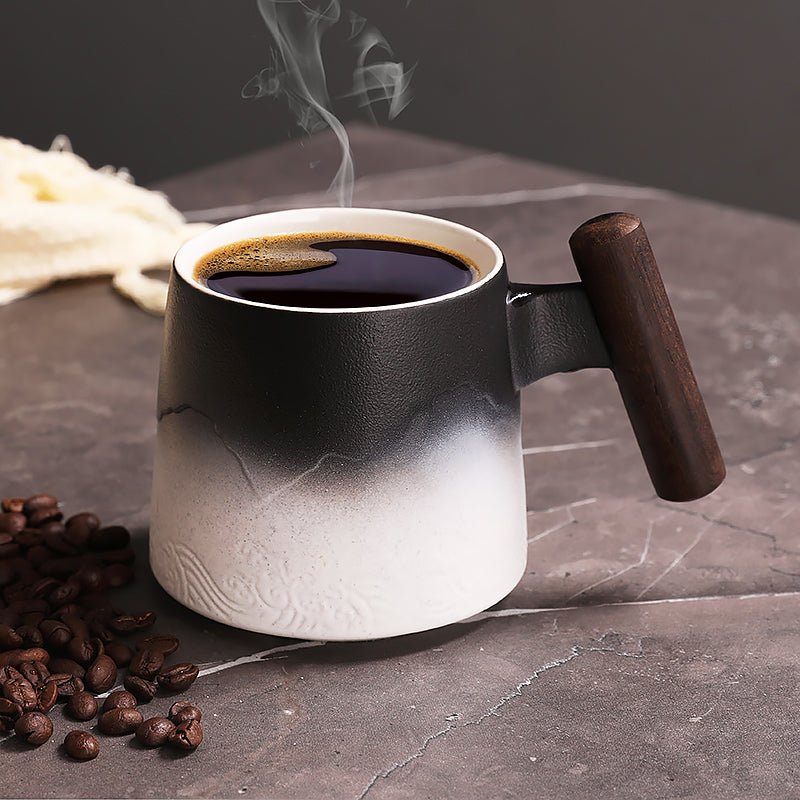
Eagles Coffee Mug: What Buyers Should Check Before Ordering
A practical buyer’s guide to choosing an eagles coffee mug by size, handle feel, material, and care. Use it to pick a mug that works on a desk, in the kitchen, or as a gift.
En savoir plus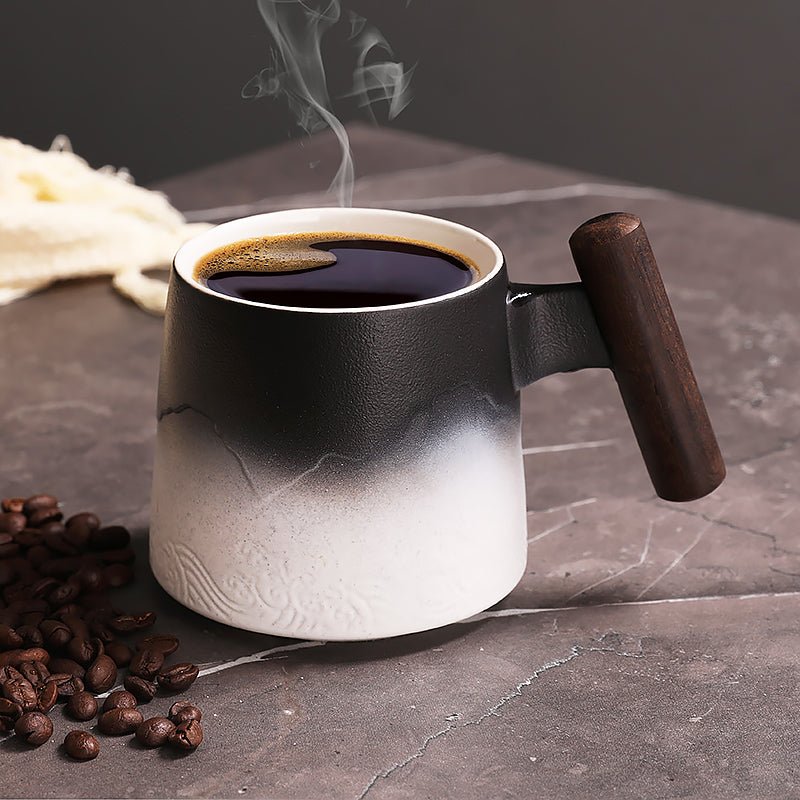
16 oz Coffee Mug: What Buyers Should Check Before They Buy
A practical guide to choosing a 16 oz coffee mug, including fit, materials, care, and the details that matter on a real kitchen counter or office desk.
En savoir plus
Laisser un commentaire
Ce site est protégé par hCaptcha, et la Politique de confidentialité et les Conditions de service de hCaptcha s’appliquent.