
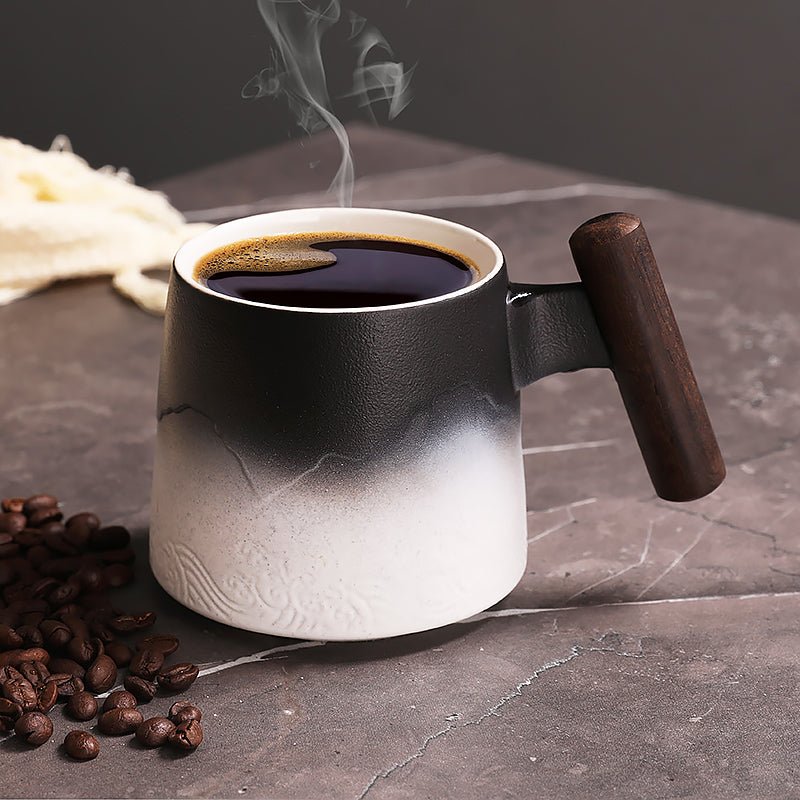
15 oz Coffee Mug: Size, Fit, and What Buyers Should Check
Reading time: about 8 minutes
Why does a 15 oz coffee mug feel different from the usual size?
A 15 oz coffee mug solves a real problem we hear about often: the standard cup that runs out too quickly, and the oversized mug that feels bulky before the first sip. In our store, this is the size many shoppers reach for when they want one full morning pour, a little room for milk, and a mug that still looks normal on a kitchen counter or office desk.
It is not a tiny mug, and that matters. A 15 oz mug usually has a wider body or a taller profile than an 11 oz cup, so it can feel more substantial in the hand and take up a bit more cabinet space. If you are still mapping out mug capacity in general, our guide on how many oz is a coffee mug is a useful baseline before you compare specific sizes.
We think of this size as the middle ground with fewer compromises. It is large enough for a generous drip coffee or tea, but not so large that it becomes a travel tumbler replacement. That balance is why it shows up so often in gift orders, desk setups, and everyday kitchen shelves.
What does a 15 oz coffee mug actually hold in real use?
On paper, 15 oz sounds straightforward. In real use, the story is a little more specific. Most people do not fill a mug to the brim, because a safe drinking level leaves room for steam, milk, foam, or a splash of cream. That means a 15 oz mug often feels best when you want a mug that holds a standard serving with some breathing room rather than one that is packed to the top.
Here is how we see it behave in everyday settings:
- On a kitchen counter, it works well for drip coffee, pour-over, and tea without needing an immediate refill.
- At an office desk, it gives enough capacity for long work sessions without looking oversized next to a laptop.
- As a gift, it feels practical because most people can use it right away, whether they drink black coffee or add milk.
- In a compact cupboard, it still fits more easily than the larger mugs in the 20 oz and 24 oz range.
If you are deciding between a smaller everyday cup and this size, our 11 oz coffee mug guide shows what you gain by stepping down, especially if cabinet space or hand size matters more than capacity.
Is a 15 oz coffee mug a good everyday size?
For a lot of buyers, yes. It is one of the easiest sizes to live with because it handles common drinks without forcing you into an oversized cup. We see it work well for people who want one mug for coffee in the morning and tea later in the day, without having to sort through multiple cup sizes.
It is a strong choice if you want:
- A mug that holds a generous pour without feeling like a soup bowl.
- A handle that usually feels more comfortable than the tighter grip on smaller mugs.
- Enough room for milk, creamer, or foam without pushing liquid too close to the rim.
- A size that still looks balanced on a desk, shelf, or gift tray.
It is not the best choice if you want a very compact cup for espresso-based drinks, if your cabinet clearance is tight, or if you prefer a lighter mug that disappears quickly into a dishwasher rack. In those cases, the 8 oz, 10 oz, or 11 oz sizes may be a better fit for the way you actually drink coffee. For larger pours, compare it with the 20 oz coffee mug and 24 oz coffee mug guides before you move up.
What should you check before buying one?
We look at the same practical details every time: material, rim shape, handle comfort, and whether the mug will survive regular use on a real kitchen schedule. A good 15 oz mug should feel steady in the hand, pour cleanly, and come out of the dishwasher without weird wear at the lip or handle joint.
| What to check | What good looks like | Why it matters |
|---|---|---|
| Material | Ceramic, stoneware, or porcelain with a smooth food-safe glaze | Stoneware usually feels heavier and holds heat longer; porcelain tends to feel lighter and more refined |
| Handle | Room for two to three fingers without forcing a tight grip | A handle that is too small turns a simple mug into something awkward after a few uses |
| Rim | Even, smooth, and comfortable against the lip | A rough or uneven rim is one of the first flaws people notice in daily use |
| Base | Stable foot ring with no wobble on a flat table | A mug that rocks feels cheap and is more likely to tip near a keyboard or breakfast plate |
| Care | Clear dishwasher and microwave guidance, especially for printed or decorated surfaces | Glossy glaze is usually easier to maintain; metallic trim or delicate decoration may need hand washing |
Common defect modes are easy to miss if you only look at photos. We watch for hairline cracks near the handle join, pinholes in the glaze, a crooked foot ring, and chipped rims from shipping or stacking. Those are not cosmetic details only; they affect how the mug feels after a week of use.
In our experience, stoneware is the most forgiving for everyday coffee because it feels sturdy and keeps heat well. Porcelain can look cleaner and lighter, but it may show chips sooner if you stack mugs tightly or use them in a crowded dishwasher. That trade-off matters more than most product pages admit.
How does a 15 oz mug compare with 11 oz, 20 oz, and 24 oz?
This is the comparison most shoppers actually need. A 15 oz coffee mug sits between the standard everyday cup and the larger mugs that are better for long sipping sessions or extra-hot drinks. If you want to compare sizes side by side, our smaller-size article on the 10 oz coffee mug and the related 11 oz coffee mug post are useful for understanding where the line starts to feel cramped.
| Size | Best for | Main trade-off |
|---|---|---|
| 11 oz | Standard coffee, smaller hands, compact cabinets | Less room for milk or a larger pour |
| 15 oz | Daily coffee with extra room, office desks, gifts | Slightly heavier and larger than the classic cup |
| 20 oz | Big coffee drinkers, long mornings, tea with plenty of volume | Can feel bulky and may be too large for some cabinets or machines |
| 24 oz | Very large servings or all-day sipping | Not ideal for small hands, tight shelves, or compact brewers |
That table is the practical version of the decision. If you know you always want extra room, the larger sizes make sense. If you care more about comfort, storage, and everyday handling, the 15 oz mug usually lands in the sweet spot.
What should you expect from a 15 oz mug on a kitchen shelf or dishwasher rack?
A 15 oz mug is usually still easy to store, but it takes a little more planning than a standard cup. Taller mugs can touch the shelf above them, and wider mugs can crowd the row next to them. We always recommend checking height, body width, and handle depth before you buy, especially if your cabinet space is already tight.
Dishwasher fit matters too. A sturdy mug should not rattle so much that the rim knocks against another cup during the cycle. If the handle is thin or the glaze is delicate, repeated washing can expose wear sooner than you expect. That is one reason we prefer smooth, even glazing and a balanced foot ring for everyday use.
For shoppers comparing options across our store, the full range on our products page makes it easier to compare handle shapes, finishes, and capacities before you commit. If you prefer to browse by all available styles in one place, our full collection is the quickest way to scan everything together.
Frequently asked questions
Will a 15 oz coffee mug fit under a standard drip coffee maker?
Often, yes, but not always. The safe check is the height from the counter to the brewer spout or brew basket, because a 15 oz mug can run taller than a standard 11 oz cup. If your machine sits low, measure before ordering.
Is a 15 oz coffee mug too big for everyday coffee?
Not for most people. It is a good everyday size if you like a full mug without constant refills, but it can feel large if you prefer a small black coffee or use a compact cup holder. If you usually drink a shorter pour, an 11 oz mug may feel cleaner and lighter.
Is ceramic or stoneware better for a 15 oz coffee mug?
Both are common, but they feel different in use. Stoneware is usually heavier and better at holding heat, while ceramic or porcelain can feel lighter and more refined. If you want a sturdy mug for daily kitchen use, stoneware is often the safer choice.
Can I use a 15 oz coffee mug for tea or soup?
Yes, as long as the shape is comfortable and the glaze is food-safe. Many buyers use this size for tea because it gives the drink room to cool a little without feeling oversized. For soup, check the rim width and handle strength before assuming it will behave like a bowl.
What defects should I look for when the mug arrives?
Check the rim, handle join, and base first. Hairline cracks, chips, glaze pinholes at the drinking edge, and wobble on a flat counter are the main issues to catch early. If a mug feels unstable empty, it will not improve once it is full.
If you are still deciding, use a simple checklist: measure your cabinet height, think about how full you actually pour your coffee, check handle comfort with two or three fingers, and decide whether you want a mug that stays compact or one that gives you extra room. Then browse the options on our collection page or compare finishes on the products page before you buy.
More from our blog
Related from our store
Read more
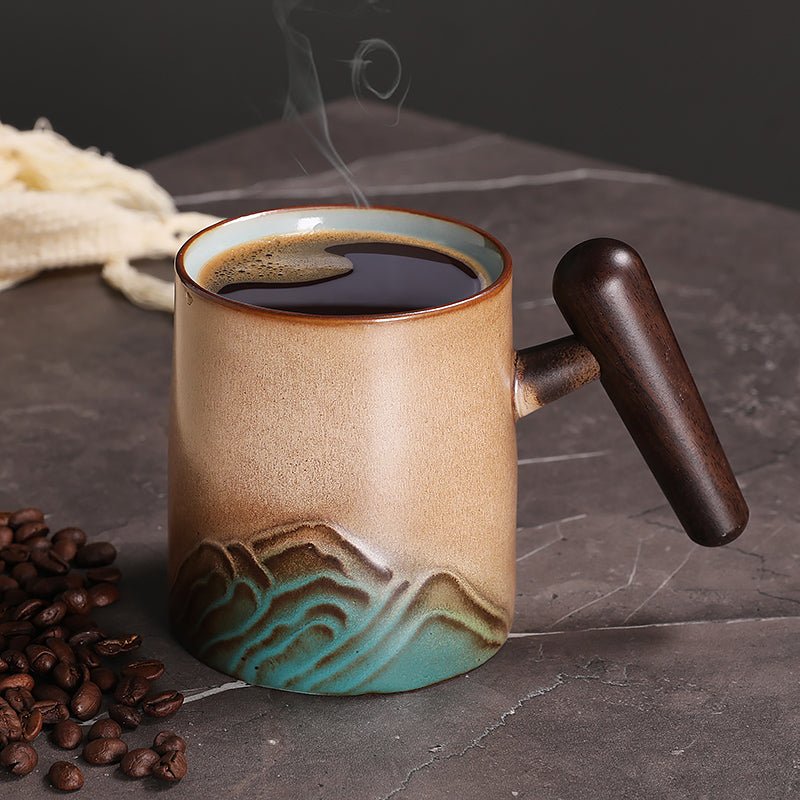
14 Ounce Coffee Mugs: Size, Fit, and Buying Guide
A practical guide to 14 ounce coffee mugs with size, material, and fit details that matter in daily use. We cover where this size works well, where it falls short, and what to check before you buy.
En savoir plus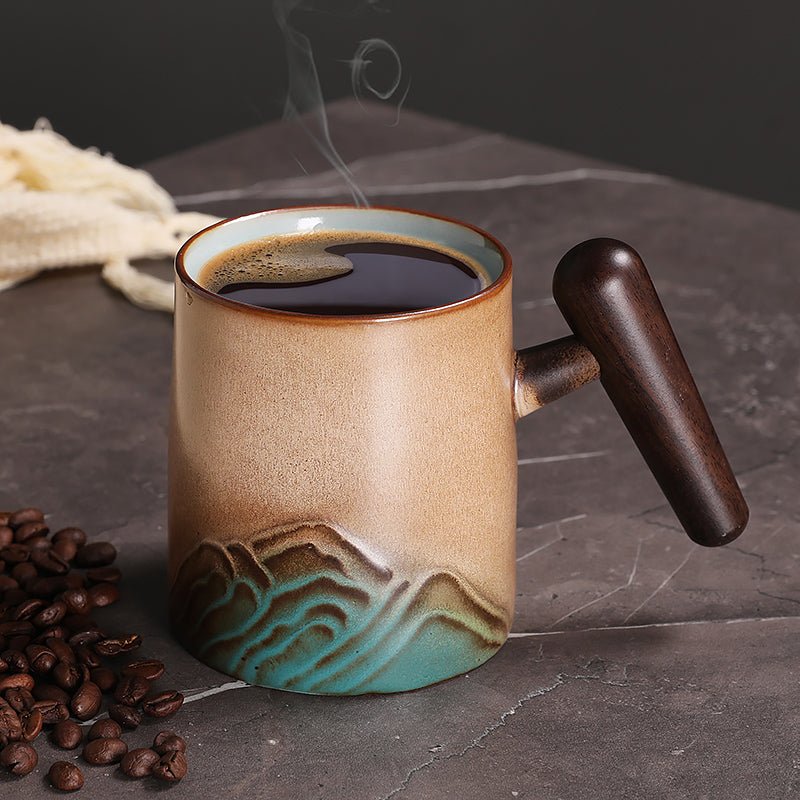
16 Ounce Coffee Mug Buyer’s Guide: Size, Material, and Fit
A practical guide to choosing a 16 ounce coffee mug that fits your drink habits, cabinet space, and care routine. We cover material trade-offs, comfort, and what to check before you buy.
En savoir plus
Laisser un commentaire
Ce site est protégé par hCaptcha, et la Politique de confidentialité et les Conditions de service de hCaptcha s’appliquent.