
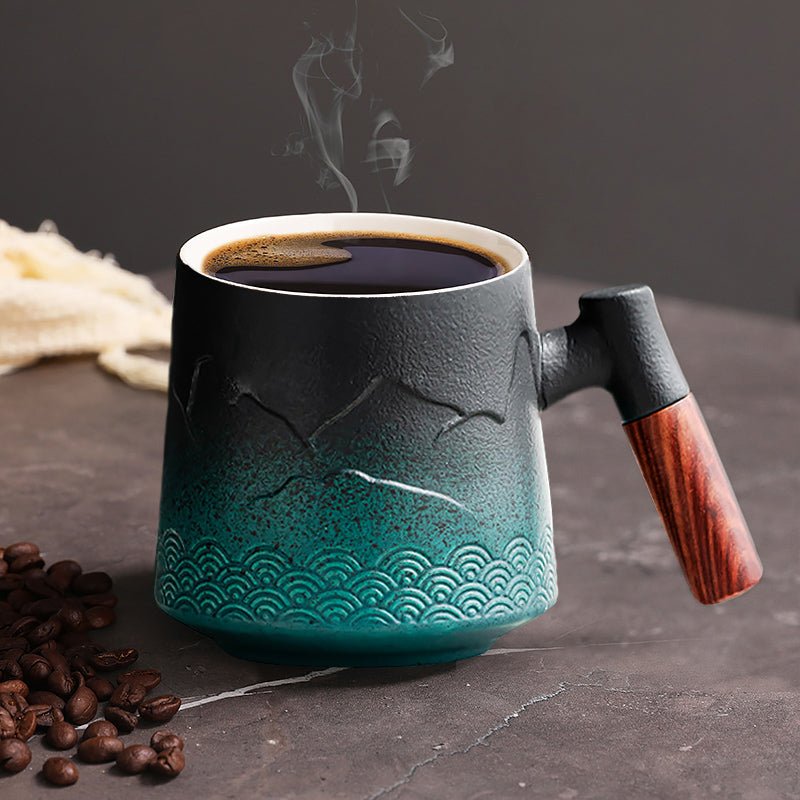
Wood Mugs: Finish, Size, and Care Checks Before Ordering
Reading time: about 8 minutes
A wood mug on a kitchen counter looks appealing right away. The real test starts later, with the first hot pour, the first hand wash, and the first time it sits on a desk next to a laptop and a stack of receipts.
In our store, we see shoppers choose wood mugs for two reasons: the look feels warmer than plain ceramic, and the mug feels more personal as a gift. We also see the same hesitation again and again. People want to know if the finish will hold up, whether the mug can take daily coffee, and if the shape is actually comfortable after a few sips. Those are the right questions.
What are wood mugs good for, and where do they fall short?
Wood mugs work best when the buyer wants a natural look and is willing to treat the mug as a care item, not a throw-it-anywhere cup. They can be a nice fit for slow morning coffee, tea on a side table, or a gift that feels a little more considered than a mass-market mug.
They are not the best choice for every routine. If you want to load everything into a dishwasher, reheat drinks in a microwave, or leave a mug soaking in the sink after a long day, wood mugs are usually the wrong pick. The material asks for more attention than ceramic or stainless steel.
The practical trade-off is simple:
- Pros: warm look, lighter feel in some builds, distinctive gift appeal, less clatter on counters and trays.
- Cons: more care, more sensitivity to standing water, and a stronger need to check the interior finish before buying.
If you are comparing styles, our earlier guide, Wood Mugs: What Buyers Should Check Before Ordering, breaks down the first-pass checks we use before we put a mug on a shelf or recommend it to a customer.
What should you check before ordering wood mugs?
The best-looking mug is not always the best buy. We look at the same details every time because they predict whether a mug will feel solid after a month, not just impressive in the listing photo.
- Material and build: Check whether the mug is a solid wood body, a laminated build, or a hybrid with a lined interior. A clean build matters more than the marketing language.
- Interior finish: The inside should be clearly sealed if it is meant for hot drinks. A porous or uneven interior is where staining, odor, and moisture problems start.
- Rim comfort: A rough or thick rim can make a simple coffee feel awkward. The lip should feel smooth, even, and comfortable against the mouth.
- Base stability: A mug that rocks on the counter is a problem on a crowded kitchen or office desk. A flat, stable base matters more than decoration.
- Care instructions: If the seller does not clearly explain washing and drying, assume the mug needs gentle hand care.
Those checks are the difference between a mug that becomes a favorite and one that gets pushed to the back of the cabinet. If you want a shorter buyer checklist, our post on 12 oz Coffee Mugs: What to Check Before You Buy is a useful companion because many of the same fit and comfort questions apply here too.
Which size works for espresso, drip coffee, or tea?
Size matters more with wood mugs than some shoppers expect. The usable capacity changes how the drink feels in hand, how much headspace you have for milk, and whether the mug feels balanced when it is full.
| Size | Best for | What to check |
|---|---|---|
| 8 oz | Espresso-based drinks, short pours, smaller tea servings | Comfortable rim and a shape that does not feel cramped |
| 12 oz | Standard drip coffee with some room left at the top | Enough headspace so the drink does not splash while carrying |
| 16 oz | Milk-heavy drinks, longer desk sessions, people who like a full mug | A base that still feels stable when the cup is filled high |
| 20 oz | Long sipping sessions, larger pours, users who do not want refills | Weight when full and whether the handle or grip still feels secure |
If you are deciding between common mug sizes, our related posts can help you compare more precisely: 8 Ounce Coffee Mugs: What Buyers Should Check Before Ordering, 16 Ounce Coffee Mugs: Size, Materials, and Fit Guide, and 20 Ounce Coffee Mugs: What Buyers Should Check Before Ordering.
For wood mugs specifically, a smaller or mid-size cup often feels more natural in daily use because it stays lighter, warms up quickly, and does not ask as much from the finish. A very large wood mug can still work, but it needs a sturdier build and more careful handling.
How do you care for wood mugs so they last?
Care is where wood mugs separate from standard ceramic drinkware. We treat them as hand-wash items unless the maker clearly states otherwise. That is not a marketing warning. It is a practical one based on how wood reacts to repeated water exposure and heat.
- Wash by hand with mild soap. Use warm, not scalding, water and a soft sponge.
- Rinse promptly. Do not leave coffee or tea sitting in the mug for hours.
- Dry right away. Wipe both the outside and the interior so moisture does not sit in seams, grain lines, or around the rim.
- Avoid soaking. Long soaks are one of the fastest ways to create swelling, a dull finish, or a lingering smell.
- Skip the dishwasher and microwave unless the product page clearly says otherwise. Heat and repeated moisture are rough on wood.
One small habit makes a big difference: after washing, leave the mug open on a rack or towel so air can move through it. That matters in a real kitchen where dishes get stacked, rinsed, and put away fast. A sealed cabinet with a damp mug inside is a bad combination.
If you are comparing care expectations across sizes and materials, our article on 16 oz Coffee Mugs: What to Check Before You Buy is a good reference point because it shows how capacity and material choice change the daily routine.
What flaws should you look for when the box arrives?
Even a good mug can arrive with issues. We tell customers to inspect wood mugs as soon as they are unboxed, before they get tucked onto a shelf and forgotten. That way you can spot a problem while the packaging and order details are still easy to match up.
- Hairline cracks: Check the rim, handle area, and base. Small cracks can grow if the mug is exposed to repeated moisture.
- Uneven finish: The interior should look consistent. Patchy coverage can lead to stains and odd smells later.
- Rough edges: Run a finger gently along the rim and handle. A rough edge is a comfort issue and a quality signal.
- Wobble on a flat surface: A mug should sit flat on a kitchen counter or desk tray. If it rocks, it is annoying now and risky later.
- Strong chemical odor: A light wood smell can be normal. A harsh, lingering finish smell is not something to ignore.
For gifts, this step matters even more. A wood mug often gets opened at the table, so the first impression counts. If the finish is clean, the base is stable, and the rim feels smooth, the mug looks intentional. If not, the whole gift feels less considered.
Are wood mugs the right pick for gifting or everyday use?
For gifting, wood mugs have an advantage: they feel different without trying too hard. The material gives the mug a quiet, natural look that works well for a housewarming, office gift, or a small add-on present. They also photograph well, which matters if the buyer wants something that looks as good as it feels in person.
For everyday use, the fit depends on the user. A person who drinks one cup at a desk and rinses it immediately may love a wood mug. A person who takes a mug through the dishwasher every day probably will not. That is the main dividing line.
If you are still comparing options, start with our current products page and then scan the broader all collection to match finish, size, and care expectations to the way you actually drink coffee.
Frequently asked questions
Are wood mugs safe for hot coffee?
They can be, but only if the mug is designed and finished for hot drinks. Check that the interior is sealed and that the seller gives clear care guidance. If that information is missing, treat the mug as decorative or light-use until you have better confirmation.
Can wood mugs go in the dishwasher?
Usually no. Dishwasher heat, detergent, and repeated soaking are hard on wood and can shorten the life of the finish. If a specific mug is labeled dishwasher-safe, follow the maker's instructions exactly, but do not assume that from appearance alone.
What size wood mug is best for daily coffee?
Most shoppers land on 12 oz or 16 oz because those sizes balance comfort and capacity. An 8 oz mug is better for smaller pours, while 20 oz works for bigger drinks if the mug still feels stable in the hand. The right size depends on how full you usually pour and how much you want to carry at once.
Do wood mugs hold odor or stain easily?
They can if they are not sealed well or if they are left wet after use. Coffee, tea, and milk residue are the main things to clean off quickly. A well-finished mug should be easier to keep fresh, but it still needs more attention than ceramic.
Are wood mugs good for gifts?
Yes, especially if you want something that feels thoughtful and a little different from standard drinkware. They are a stronger gift choice for people who enjoy natural materials and light daily use. They are not ideal if the recipient is known for throwing everything in the dishwasher without thinking about it.
If you are ready to compare models, use the checklist above first, then review our products page against the care notes and sizes you actually need. If you want a wider browse, the all collection is the fastest place to compare current options side by side.
More from our blog
Read more

Cool Coffee Cups: What Actually Matters Before You Buy
A practical guide to cool coffee cups that covers materials, sizes, everyday use, and giftability. We focus on the details shoppers notice after the unboxing, not just the first look.
Leer más
Beer Coffee Mugs: What to Check Before You Buy
Beer coffee mugs can be roomy, sturdy, and comfortable, but the right pick depends on capacity, material, handle shape, and how you actually drink coffee at home.
Leer más
Dejar un comentario
Este sitio está protegido por hCaptcha y se aplican la Política de privacidad de hCaptcha y los Términos del servicio.