
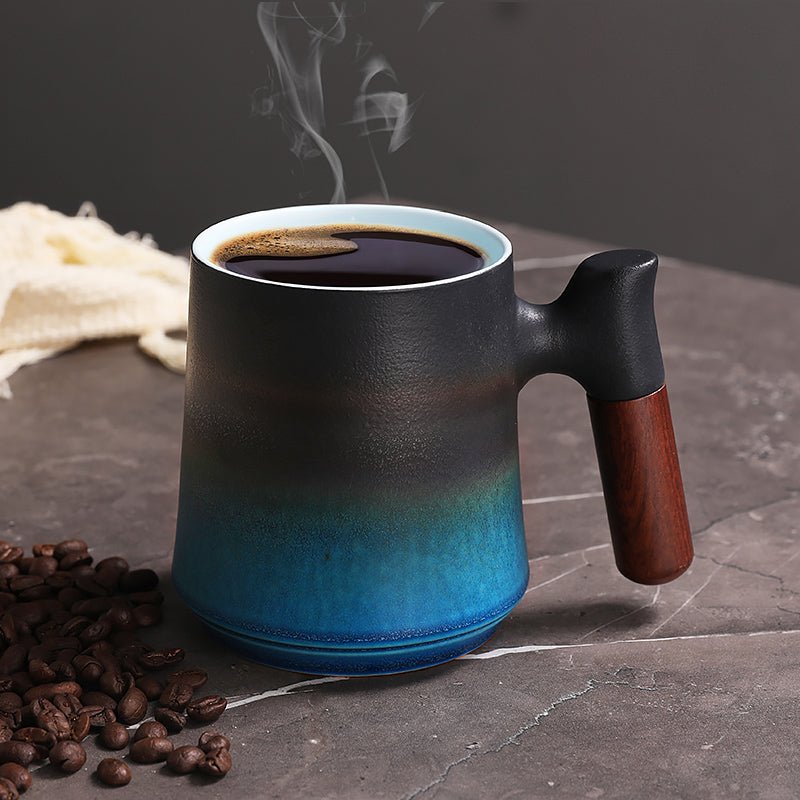
Walmart Coffee Mugs: What to Compare Before You Buy
Reading time: about 10 minutes
We see the same pattern all the time: someone buys a cheap mug because it looks fine on the shelf, then realizes it chips too easily, feels awkward in the hand, or is too small for the coffee they actually drink. That is the real issue with walmart coffee mugs and similar mass-market options. The mug itself is usually not the problem. The mismatch between the mug and the buyer’s routine is.
If you are comparing walmart coffee mugs for home, office, or gifting, the details matter more than the label on the box. Capacity, handle shape, wall thickness, and finish all change how the mug feels after a week of use. In our store, we handle this category as daily-use drinkware first, decor second. That means we look closely at what holds up on a kitchen counter, in a dishwasher, and on a desk that gets used every morning.
If you want to browse our current mug selection while you compare styles, start with our full collection. For shoppers who prefer to compare mugs by use case instead of hunting one by one, our products page is the fastest place to start.
What should you check first before buying walmart coffee mugs?
The first question is not which mug looks nicest. It is which mug matches the way you drink coffee. A 10 oz mug can feel perfect for a short morning pour, but frustrating if you add milk, foam, or a second refill. A 15 oz or 16 oz mug is often better for people who want fewer trips to the coffee pot, but it can feel bulky if you like a lighter cup.
We usually tell shoppers to check these details first:
- Capacity: Common everyday sizes are around 11 oz, 12 oz, 15 oz, and 16 oz. Bigger is not always better if the mug is too wide for your cupboard or car tray.
- Material: Ceramic is the most common choice for daily coffee mugs. It keeps a familiar feel, but thinner ceramic can chip faster on a hard sink edge. Stoneware usually feels heavier and sturdier, though it may be bulkier in the hand.
- Handle comfort: A handle should fit at least two fingers comfortably without forcing your knuckles into the cup body. This matters more than most buyers expect.
- Finish and care: A glossy glaze is easier to wipe clean, while some matte finishes can show utensil marks sooner. If the mug is dishwasher-safe, confirm whether the print or decal is also rated for repeated washing.
Those details sound small, but they are the difference between a mug you keep reaching for and one you stop using after a month.
Are cheap walmart coffee mugs good for everyday use?
Sometimes yes, but not always for the reasons people hope. A basic mug can be fine for work break rooms, guest cabinets, and short-term use. It is less convincing for a daily mug if the base is unstable, the glaze is uneven, or the handle feels sharp where your fingers rest.
In our experience, the most common weak points in lower-cost mugs are easy to spot once you know what to look for:
- Hairline cracks near the handle after a few heating and washing cycles.
- Chipping at the rim from contact with sinks, shelves, or stacked mugs.
- Printed designs that fade after repeated dishwasher use.
- Uneven glazing or rough spots where the finish was not applied cleanly.
That does not mean every affordable mug is bad. It means you should expect simpler construction and decide whether that trade-off works for your routine. If you want a deeper breakdown of what makes a mug durable enough for repeat use, our article Ceramic Coffee Mugs: What to Look For Before You Buy covers the details we check before we put a mug on the shelf.
A low-cost mug is usually a good fit if you need a spare, a guest mug, or a simple backup for the office. It is not the best fit if you are rough on dishes, wash everything on a crowded bottom rack, or expect the mug to stay pristine after frequent travel between desk and sink.
Which size works best for coffee, tea, and office desks?
Size affects more than volume. It changes temperature, balance, and even how much room the mug takes up around a laptop or keyboard. A larger mug gives you more room for cream or milk, but it also cools more slowly and can feel heavy once full.
Here is how we usually think about it in the store:
| Size range | Best for | Trade-off |
|---|---|---|
| 8 oz to 11 oz | Smaller coffee pours, tea, espresso drinks with less milk | Needs refills more often |
| 12 oz to 14 oz | Most standard daily coffee drinkers | Can feel too average if you prefer oversized mugs |
| 15 oz to 16 oz | Long work sessions, big pours, milk-heavy drinks | Takes more cabinet space and can feel heavy when full |
| 18 oz and above | Very large drinks or people who want one mug for the morning | Not ideal for small hands or tight desk setups |
If you are mainly shopping for big capacity options, our A buyer's guide to large capacity coffee mugs and Big Coffee Mugs for Daily Use: What to Buy and What to Skip explain where larger mugs help and where they get annoying fast.
For office desks, the most practical mug is usually not the biggest one. It is the one that fits under a coffee machine, sits stable on a crowded desk, and does not crowd the mouse pad every time you set it down.
What material should you choose if you care about cleanup and durability?
Most shoppers comparing walmart coffee mugs end up choosing between ceramic, stoneware, and sometimes glass or metal alternatives. Ceramic and stoneware are still the most common daily-use choices because they give a familiar drinking feel and usually work well for hot coffee.
Ceramic is often lighter and smoother. It is a solid pick for standard home use, especially if you want a cleaner look and an easy rinse after coffee or tea. The downside is that thinner ceramic can chip if it gets banged against a sink or shelf.
Stoneware tends to feel heavier and more substantial. It can be a better choice if you want a mug that feels sturdy on the table, but it may be too bulky if you prefer a lighter cup or need to stack several mugs in a small cabinet.
Glass shows the drink clearly, which some buyers like for tea or layered drinks. It is not our first pick for everyday desk use because it can feel less forgiving if you are clumsy before your first sip.
Metal mugs are usually better for travel than for sitting at a desk. They can change the drinking experience, especially if you care about taste and heat retention, and they are not always the best choice for microwave use.
We also recommend checking whether the mug is labeled for dishwasher and microwave use before you buy. That sounds basic, but it saves frustration later. A mug that is fine in the microwave but not the dishwasher is less convenient than most shoppers expect.
If you prefer a practical, everyday ceramic-first approach, our blog on Coffee Mugs Coffee: How to Choose the Right Mug for Daily Use is a useful next read.
What signs tell you a mug is better than a disposable-looking option?
We look for a few signals that separate a real daily-use mug from one that only photographs well. You can spot most of them without special tools.
- Check the rim. A smooth, even rim usually feels better to drink from and is less likely to chip early.
- Flip the mug over. The base should sit flat. If it rocks on the counter, it will do the same on a desk.
- Inspect the handle join. This is a common stress point. The handle should feel solid where it meets the body, not thin or fragile.
- Look at the glaze. Uneven glazing, pinholes, or rough patches are warning signs for quality control issues.
- Test the balance. A mug should not feel top-heavy when empty, especially if you tend to carry it one-handed.
Gift buyers should care about these points too. A mug set that looks charming in a box can still disappoint once someone takes the first sip and realizes the handle is awkward. For holiday or gifting situations, our article Christmas Coffee Mugs: How to Choose Gifts, Sets, and Everyday Favorites is a good reference.
Which walmart coffee mugs are not a good fit?
Some mugs are simply the wrong tool for the job. We say that because a lot of shoppers only realize it after the purchase.
Skip a standard mug if:
- You need a true travel mug for commuting or a car cup holder.
- You want something that keeps coffee hot for a long stretch without reheating.
- You prefer a very lightweight cup because of hand comfort or grip issues.
- You wash dishes aggressively and do not want to baby the finish.
- You are buying for a workplace with heavy daily use and frequent breakroom stacking.
For coffee that stays with you during a commute, a travel tumbler is the better category. For a desk mug that gets used constantly, a solid ceramic or stoneware piece is usually better than a novelty design that only looks good in photos.
We also see shoppers choose oversized mugs when they really want a balanced daily cup. That is a mistake if the mug feels unwieldy once it is full. Big capacity is useful, but only if the handle, weight, and shelf space all still work for you.
How do you shop smarter if you want a mug that lasts?
The easiest way to shop smarter is to narrow the use case before you compare styles. We do that in our store every day because the best mug for a home kitchen is often different from the best mug for a break room or gift bag.
Use this quick checklist before you buy:
- Daily coffee at home: Choose a comfortable handle, a stable base, and a size that matches your usual pour.
- Office desk: Prioritize a mug that fits the space around your keyboard and is easy to clean between meetings.
- Gift purchase: Pick a design with broad appeal unless you know the person’s exact style.
- Large drink preference: Read our Best Coffee Mugs for Daily Use, Gifts, and Office Desks guide before choosing a bigger size.
- Durability first: Favor simple shapes, solid glazing, and dishwasher-safe construction over decorative details that may wear sooner.
For shoppers who want to compare multiple styles in one place, we keep our current selections on the products page and the broader all collection. That makes it easier to compare shape, size, and finish side by side instead of guessing from a single photo.
Frequently asked questions
Are walmart coffee mugs usually dishwasher safe?
Many are, but not all of them are. The mug body may be dishwasher safe while the printed design or metallic accent is not. Check the care label before buying if you plan to run it through frequent wash cycles.
What size coffee mug is best for daily use?
For most people, 12 oz to 14 oz is the most practical daily range. It holds a standard coffee pour without feeling oversized on a desk or too small for a splash of milk. If you drink larger servings, 15 oz to 16 oz is often a better fit.
Do ceramic mugs chip easily?
They can chip if they hit a sink, countertop, or another mug hard enough. Thicker ceramic and stoneware usually hold up better than very thin mugs. The rim and handle are the first places we watch for damage.
Are bigger mugs better for coffee?
Not automatically. Bigger mugs are useful if you want more volume or add milk, but they can feel heavy and take up more space. If you prefer a quick, balanced cup, a mid-size mug is often the better buy.
What is the best mug type for an office desk?
A stable ceramic mug with a comfortable handle is usually the safest choice for desk use. It should fit near your laptop, not tip easily, and clean up without fuss. If you heat coffee repeatedly, microwave-safe construction also matters.
If you are narrowing down your options now, start with the mug size you actually use most often, then check material, handle comfort, and care instructions. From there, compare the styles in our all collection and pick the one that fits your kitchen counter or desk without compromise.
More from our blog
Read more

Photo Coffee Mugs: How to Choose a Print That Looks Good and Lasts
Photo coffee mugs work best when the image, mug size, and finish fit the way the mug will actually be used. Here’s how we help shoppers compare print quality, care, and everyday durability before t...
Leer más
Book Coffee Mug: What to Check Before You Buy
A book coffee mug should feel good in the hand, sit stable on a desk, and hold up to daily washing. Here’s what we look for before adding one to our store.
Leer más
Dejar un comentario
Este sitio está protegido por hCaptcha y se aplican la Política de privacidad de hCaptcha y los Términos del servicio.