
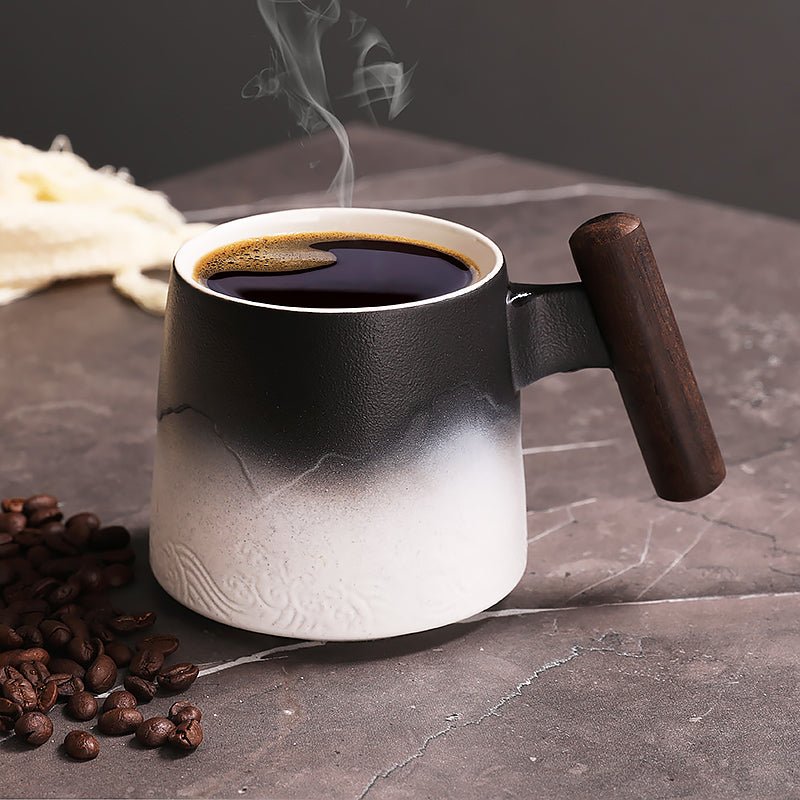
Waffle House Coffee Mug: What Buyers Should Check Before Ordering
Reading time: about 9 minutes
A diner-style mug gets judged in the first minute it hits the counter. If the handle pinches, the base rocks, or the logo looks off-center, it stops feeling like a real daily mug and starts feeling like shelf clutter.
In our store, we look at this category the same way a customer does at 7 a.m. on a kitchen counter or at a desk between meetings: does it feel solid, does it pour comfortably, and will it still look good after a few dishwasher cycles? That is the standard we use for a waffle house coffee mug, too.
What should you check before buying a Waffle House coffee mug?
The graphic matters, but it should not be the only thing you check. A good diner mug has a stable base, a comfortable handle, and a glaze that feels smooth at the lip. If you plan to use it every day, those details matter more than the novelty of the design.
We usually tell shoppers to look at four practical points first:
- Handle clearance: You want room for three or four fingers without scraping the mug body.
- Rim finish: A smooth, even rim makes a bigger difference than most buyers expect.
- Base stability: The mug should sit flat on stone, laminate, or wood without wobbling.
- Print placement: A centered logo and clean edges make the mug feel finished instead of rushed.
Those checks sound simple, but they are where most disappointment starts. A mug can look right online and still feel wrong in the hand.
Our shortcut: if the mug feels awkward empty, it will feel worse once it is filled. Handle fit and balance matter more than a few extra ounces.
Which size feels closest to the classic diner mug?
Most classic diner-style mugs sit in the 10 oz to 12 oz range, with larger 15 oz versions giving you more room for milk, foam, or a longer pour. If you are comparing smaller and mid-size options, our guides to the 10 oz Coffee Mug: Size, Fit, and What to Check Before You Buy, 11 oz Coffee Mug: Size, Fit, and What to Check Before You Buy, and 15 oz Coffee Mug: Size, Fit, and What Buyers Should Check show how those capacities actually feel in real use.
| Size | How it feels in the hand | Best for | Main trade-off |
|---|---|---|---|
| 10 oz | Compact and close to a traditional diner pour | Small drip coffee, tea, office desks | Less room for milk or extra volume |
| 11 oz | Balanced and easy to live with | Everyday use, gift giving, kitchen counters | Not especially large if you like a full mug |
| 12 oz | Slightly roomier without feeling oversized | Long mornings, cream-heavy drinks | Takes up a little more cabinet space |
| 15 oz | Heavier and more substantial | Big pours, people who drink slowly | Bulkier, and not as close to the classic diner feel |
If you want the most familiar diner look, the smaller end of that range usually feels right. If you drink a large mug on purpose, size up. The mistake we see most often is buying for the graphic and ignoring the capacity.
What materials and finish details matter most?
For this kind of mug, the usual body is ceramic, sometimes with a denser stoneware feel depending on how it is made. What matters more than the label is whether the mug has enough wall thickness to feel sturdy without becoming heavy and clumsy. A good one should feel balanced, not thin and fragile.
There are a few finish details we check in our own handling process because they are the ones buyers notice later at the kitchen sink:
- Glaze consistency: The inside should feel smooth and easy to rinse.
- Foot ring quality: The bottom should not feel rough enough to scratch a desk or table.
- Handle attachment: A handle that is set too close to the body makes hot drinks less comfortable to hold.
- Print clarity: A clean graphic edge usually signals better control during production.
Common defect modes are not flashy. They are usually small, like a crooked handle, a pinhole in the glaze, an uneven base, or a logo that sits a little off center. Those are the things that make a mug feel cheap even if the photo looked fine.
If a mug arrives with a chip or hairline crack, do not treat it as a normal cosmetic issue. Our article on The Cracked Mug Coffee House: What Buyers Should Know explains why those flaws matter more than people think, especially for a mug you plan to fill with hot liquid.
Is a Waffle House coffee mug better for daily use or display?
It can work well as both, but not equally for every buyer. For daily use, the best version is the one with a comfortable handle, a stable base, and a size that matches your usual pour. For display, the logo and finish may matter more than the feel in hand.
Here is how we usually separate the use cases:
- Daily coffee: Good if you want a familiar diner look on a kitchen counter or office desk.
- Gift use: Good if the person already likes diner branding, breakfast culture, or nostalgic merch.
- Collector display: Good if the print and finish are the main reason you are buying it.
- Travel or commuting: Not the right pick. A ceramic mug is not a lid-based commuter cup.
That last point matters. A ceramic mug is a desk mug, a breakfast mug, or a shelf mug. It is not the best choice if you need insulation, spill resistance, or something that disappears into a backpack.
If you are still deciding between styles, start with our product page and compare it against the full collection. That makes it easier to see whether you want a classic diner silhouette, a larger everyday mug, or a different shape entirely.
How should you care for it so it lasts?
Most disappointment with printed mugs comes from rough handling, not normal coffee use. In our experience, repeated dish cycles, stacked cabinets, and sudden temperature swings do more damage than people expect. A mug that is treated like a display piece but used like a kitchen tool often shows wear fastest.
Use this care checklist:
- Wash it before first use so you start with a clean glaze surface.
- If the listing says dishwasher safe, top-rack washing is usually gentler than repeated high-heat cycles.
- Avoid moving it straight from very cold storage to boiling water or the other way around.
- Do not let it bang against sinks, metal dish racks, or other mugs in storage.
- Stop using it if you see a chip or crack along the rim, handle, or base.
That last point is not a small one. A tiny chip can become a larger crack after a few washes, especially if the mug is used every day. If you want a bigger daily mug instead of a classic diner size, our 16 Ounce Coffee Mug Buyer’s Guide: Size, Material, and Fit is a useful comparison point, and the broader mug mix in the full collection can help you compare shapes before you choose.
How does it compare with other mug styles we see shoppers choose?
A waffle house coffee mug usually wins on familiarity and feel. It gives you the classic diner look, a straightforward drinking experience, and enough substance that it does not disappear in the hand. That is why so many buyers choose it for a kitchen counter, a break room, or a gift that feels personal without needing extra context.
It loses in a few situations, and it is better to say that plainly. If you want a lightweight cup for quick tea refills, a ceramic diner mug may feel heavier than you want. If you need to carry coffee between rooms or out the door, a travel mug is the better tool. If you like oversized lattes, a 20 oz mug may suit you better than a classic diner size.
For buyers who want to compare those alternatives, our related guides can help you narrow it down:
- 12 oz Coffee Mug: Size, Fit, and What to Check Before Buying for a middle-of-the-road daily mug.
- 16oz Coffee Mug Buyer’s Guide: Size, Material, and Fit for shoppers who want more room without going huge.
- 20 oz Coffee Mug: What to Check Before You Buy for a larger, more generous cup.
That comparison is usually enough to separate nostalgia from real daily use. If the mug is going to sit on a desk, catch the morning drip coffee, and survive normal washing, the classic diner shape makes sense. If it has to do more than that, choose the mug that fits the job instead of the logo.
Frequently asked questions
Is a Waffle House coffee mug good for everyday use?
Yes, if the handle feels comfortable and the mug sits flat on the counter. For daily use, we care more about balance, rim comfort, and cleaning than the graphic itself. If those pieces are right, it works well as a desk mug or kitchen mug.
What size Waffle House coffee mug feels most like a diner mug?
Most buyers think of the classic diner feel in the 10 oz to 12 oz range. A 10 oz version feels the most traditional, while 11 oz and 12 oz give you a little more flexibility for cream or a larger pour. If you want something noticeably bigger, 15 oz is the next step up.
Should I buy it as a gift or for myself?
Either works, but it is strongest as a gift when the person already likes diner culture, breakfast spots, or nostalgic branding. For yourself, it makes the most sense if you want a mug that feels familiar on a kitchen counter or office desk. If you need something travel-friendly, choose a different style.
What should I check when the mug arrives?
Check the rim, handle, base, and print placement first. You want to see an even glaze, no chips, no cracks, and a handle that feels secure in your hand. If anything looks damaged, treat it as a real quality issue rather than a cosmetic one.
Can I put a printed ceramic coffee mug in the dishwasher?
Only follow dishwasher care if the product listing says it is safe to do so. Even when a mug is dishwasher safe, repeated high-heat cycles can dull some prints over time. If you want the longest life from the graphic, gentler washing usually helps.
If you are deciding today, compare the size first, then the handle feel, then the care notes. After that, browse the full collection and choose the mug you would actually use on weekday mornings, not just the one that looks best in a thumbnail.
Read more
Snowman Coffee Mug Buyer's Guide: Size, Material, and Gift Fit
A snowman coffee mug should do more than look seasonal. We break down size, material, care, and gift fit so you can pick one that still feels worth using after December.
Leer más
Coffee Mug Elko: Sizes, Materials, and What to Check Before You Buy
Practical guide for coffee mug Elko shoppers: compare sizes, materials, and comfort details before buying, with notes on daily use, care, and the trade-offs between small, medium, and large mugs.
Leer más
Dejar un comentario
Este sitio está protegido por hCaptcha y se aplican la Política de privacidad de hCaptcha y los Términos del servicio.