
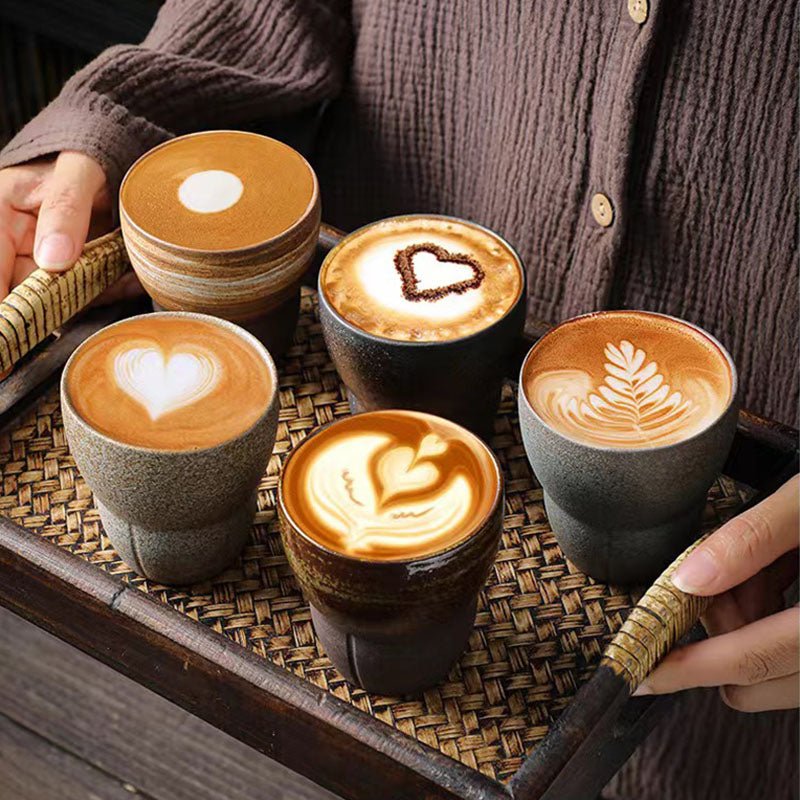
Vintage Coffee Mugs: How to Choose the Right Style, Size, and Finish
Reading time: about 10 minutes
A chipped mug with a pretty pattern can look charming on a shelf and still feel awkward in the hand at 7 a.m. That is usually where the real buying decision starts: not with the print, but with the grip, glaze, and size.
We handle this category every day in our store, and vintage coffee mugs are one of the easiest styles to love and the easiest to buy wrong. Some are made for display, some for everyday coffee, and some sit in the middle with decent comfort but a finish that needs more care than shoppers expect. If you want the old-fashioned look without giving up practical use, this guide will help you compare options with a clearer eye.
For shoppers who want to browse our current selection first, start with our product page or see everything in one place on our all collection.
What makes vintage coffee mugs worth buying?
The appeal is usually a mix of shape, color, and feel. Vintage coffee mugs tend to have softer silhouettes, warmer color palettes, and more visible character than a plain modern diner mug. That can mean a thick ear-shaped handle, a slightly rounded lip, a speckled glaze, or a printed finish that feels more like kitchen decor than officeware.
In our experience, shoppers choose this style for three main reasons:
- They want a mug that feels personal. Vintage-style patterns can make a basic coffee routine feel less sterile.
- They want a mug that looks good on the counter. These mugs often work as both drinkware and decor.
- They want a gift with character. A vintage look is easier to give than a trend-heavy design that may feel dated quickly.
The trade-off is durability and comfort can vary more than with a simple plain ceramic mug. A highly decorative mug may be beautiful but slightly awkward to sip from. A thin lip can feel elegant, but it may not hold heat as well as a thicker wall. That is why we always tell shoppers to look past the print and check the basics first.
What should you check before buying vintage coffee mugs?
There are a few details we inspect before we recommend a mug for real use. These are the features that usually decide whether a mug becomes a daily favorite or ends up on a shelf.
| What to check | Why it matters | What can go wrong |
|---|---|---|
| Material | Most everyday vintage coffee mugs are ceramic or stoneware, which hold heat well and feel sturdy. | Thin ceramic can feel fragile; rough stoneware can be heavier than expected. |
| Capacity | Typical daily-use mugs often sit around 10 to 14 oz, which suits standard coffee pours. | A mug that looks generous may actually be too small for a latte or too large for an espresso drink. |
| Handle size | A two- or three-finger handle makes a mug easier to use, especially with a hot drink. | Small handles can be uncomfortable, especially if the mug walls are thick. |
| Glaze and finish | A smooth, even glaze is easier to clean and less likely to trap stains. | Matte or textured finishes can show utensil marks and coffee residue more quickly. |
| Rim shape | A balanced rim improves the drinking experience. | Uneven rims can make a mug feel cheap even if the artwork is attractive. |
We also look for the boring stuff that matters later: a flat base that sits steadily on a desk, a handle that does not pinch the knuckles, and a glaze that looks even under bright kitchen light. Small defects are common in decorative-style mugs. Not every tiny variation is a flaw, but a wobble, sharp rim, or visible pinhole glaze is worth noticing before checkout.
Which sizes work best for coffee, tea, and desk use?
Size changes the whole experience. A mug that feels perfect for black coffee may be too small for milk drinks or too heavy for a long meeting. Vintage coffee mugs often come in mid-size formats, which is part of their appeal, but it also means the same style can work very differently depending on the drink.
Here is how we usually sort them:
- 8 to 10 oz: Best for smaller servings, tea, or shorter coffee pours. Good if you like a traditional mug feel and do not want a big handle or heavy cup.
- 10 to 14 oz: The sweet spot for many daily coffee drinkers. Enough room for milk or cream without feeling oversized.
- 14 oz and up: Better for people who want a large pour, a long desk session, or a mug that doubles for soup or hot chocolate.
If you are comparing larger options, our guide to large capacity coffee mugs covers the trade-offs between comfort, weight, and spill risk. Vintage styling can look great at the larger end, but the mug has to stay balanced. A tall mug with a narrow base is not ideal for a crowded office desk.
One practical note from our store: bigger is not always better. Large vintage coffee mugs are often lovely for home use, but they can feel too heavy once filled and harder to warm up evenly in the microwave. If you only drink a small cup before work, a mid-size mug is usually the smarter buy.
Are vintage coffee mugs good for everyday use?
Yes, if the construction is right. We stock and review mugs for real use, not just photos, so our standards are simple: the mug should feel steady, rinse cleanly, and survive normal kitchen handling without making the owner baby it.
The best everyday vintage coffee mugs usually share a few traits:
- Ceramic or stoneware body: Both are common, practical, and familiar to most shoppers. Stoneware usually feels heavier and more substantial.
- Comfortable handle clearance: You should be able to fit your fingers without touching the hot wall.
- Dishwasher-friendly care: This is convenient, but printed or metallic accents may need hand washing.
- Stable foot: The base should sit flat on a counter and not rock on a desk or tray.
That said, vintage coffee mugs are not always the right choice for every daily routine. If you want a mug that is ultralight for commuting, a travel tumbler is better. If you prefer a strict minimalist look, a simple modern ceramic shape may suit your kitchen more than a patterned vintage piece. And if you use a mug mostly for back-to-back office refills, check the capacity and handle comfort before style.
For buyers focused on everyday performance across styles, our article on best coffee mugs for daily use, gifts, and office desks is a helpful comparison point.
How do vintage coffee mugs compare with other mug styles?
We often get asked whether vintage coffee mugs are better than plain ceramic, novelty mugs, or brand-name styles. The honest answer is that they solve a different problem.
Vintage styling wins on atmosphere and gift appeal. Plain mugs win on flexibility. Funny mugs win on personality. Premium branded mugs can win on finish consistency, but they may cost you the look you actually want.
If you are trying to decide, use this simple comparison:
- Vintage coffee mugs: Best for charm, shelf appeal, and gifts. Not always the easiest to match with modern dishware.
- Plain ceramic mugs: Best for daily use and easy pairing with any kitchen. Less visual character.
- Funny mugs: Best for office gifts or casual home use. Can feel too specific for long-term use.
- Large mugs: Best for big coffee drinkers. Less ideal if you dislike handling extra weight.
If your priority is material quality rather than style first, our guide to ceramic coffee mugs: what to look for before you buy goes deeper on wall thickness, glaze quality, and everyday handling. That is a good read if you are trying to separate a nice-looking mug from one that will still feel good after a month in the sink and dishwasher.
What are the most common problems with vintage-style mugs?
Vintage-style mugs are not fragile by default, but they do have a few common weak points. We see these most often during handling and packing:
- Uneven glazing: Can make the finish look cloudy or rough in spots.
- Faint print wear: Decorative decals may fade faster if washed aggressively.
- Heavy weight: Some stoneware mugs feel solid in the hand but become tiring when full.
- Narrow handle openings: This is a common comfort issue, especially for larger hands.
- Rim inconsistencies: A slightly uneven drink line can make the mug feel less polished.
These are not automatic deal-breakers. They are trade-offs. A hand-finished look can be part of the charm, especially if you want that old-cupboard character. But if you want something perfectly uniform for a modern office pantry, a cleaner ceramic profile may be the better choice.
Our rule in the store is simple: a vintage mug should look charming at first glance and still feel easy to use on a busy morning. If one of those two things is missing, the mug is probably better as decor than as a daily cup.
How should you care for vintage coffee mugs?
Care depends on the finish, but a few habits protect most mugs well. If the mug is plain glazed ceramic or stoneware, dishwasher use is often fine. If it has metallic trim, delicate printing, or a textured surface, hand washing is safer.
We recommend this basic routine:
- Rinse soon after use so coffee oils do not sit on the glaze.
- Use a soft sponge, not an abrasive scrubber, on decorated areas.
- Dry the mug fully before stacking to reduce marks and moisture buildup.
- Avoid sudden temperature shocks, such as moving from very hot liquid to a cold sink.
- Check the base occasionally for rough edges if you place the mug on delicate surfaces.
Microwave use is another place where shoppers should pay attention. A mug that is decorative on the outside may still heat safely, but metallic accents, gold rims, and certain printed finishes should not go in the microwave. If that matters to you, check the product details closely before you buy.
If you are shopping for seasonal gifts or sets alongside vintage looks, our piece on Christmas coffee mugs can help you compare presentation versus practical use.
Who should skip vintage coffee mugs?
We like this style, but it is not the answer for every buyer. You may want a different mug if:
- You want an ultra-minimal kitchen with no decorative clutter.
- You need a lightweight mug for commuting or frequent carrying.
- You prefer oversized mugs for soups, cocoa, or all-day desk refills.
- You wash mugs hard and fast and do not want to protect printed artwork.
- You are shopping for a mug that must match a modern set exactly.
In those cases, a simple ceramic mug, a larger capacity mug, or even a novelty mug may suit you better. The right choice depends on how you actually use the cup, not just how it looks in a listing photo.
If you like the idea of a mug with personality but want something more playful, our article on coffee funny mugs that get used at home and at work is a useful side-by-side alternative.
Frequently asked questions
Are vintage coffee mugs good for daily use?
Yes, if they are made from solid ceramic or stoneware and have a comfortable handle and stable base. We usually recommend checking whether the finish is dishwasher-safe and whether any decoration needs hand washing. If the mug has metallic details or a very delicate print, it may be better for lighter use.
What size vintage coffee mug is best for home coffee?
For most people, 10 to 14 oz is the most practical range. That size gives enough room for black coffee, milk drinks, or a little foam without feeling oversized. If you drink smaller pours, an 8 to 10 oz mug may feel better in the hand.
Can vintage coffee mugs go in the dishwasher?
Many can, but not all. Plain glazed ceramic and stoneware are often dishwasher-friendly, while mugs with metallic trim, fragile decals, or textured finishes may need hand washing. Always check the care notes before buying if you want low-maintenance cleanup.
What is the difference between vintage-style and real vintage mugs?
Vintage-style mugs are newly made and designed to look old-fashioned. Real vintage mugs are older pieces, often with different wear, glaze variation, and collectible value. If you want everyday reliability, vintage-style is usually the safer buy.
Are vintage coffee mugs a good gift?
Yes, especially for someone who likes kitchen decor, cozy styling, or a mug they can use right away. They work best when the size is practical and the design matches the person’s taste. If you are gifting for an office desk or a daily coffee drinker, choose comfort and capacity over an overly delicate decorative piece.
If you are ready to compare options, start with our all collection and look for the balance of size, handle comfort, and finish that fits your routine. A good vintage mug should look right on the shelf and still earn its spot by the kettle.
More from our blog
Read more
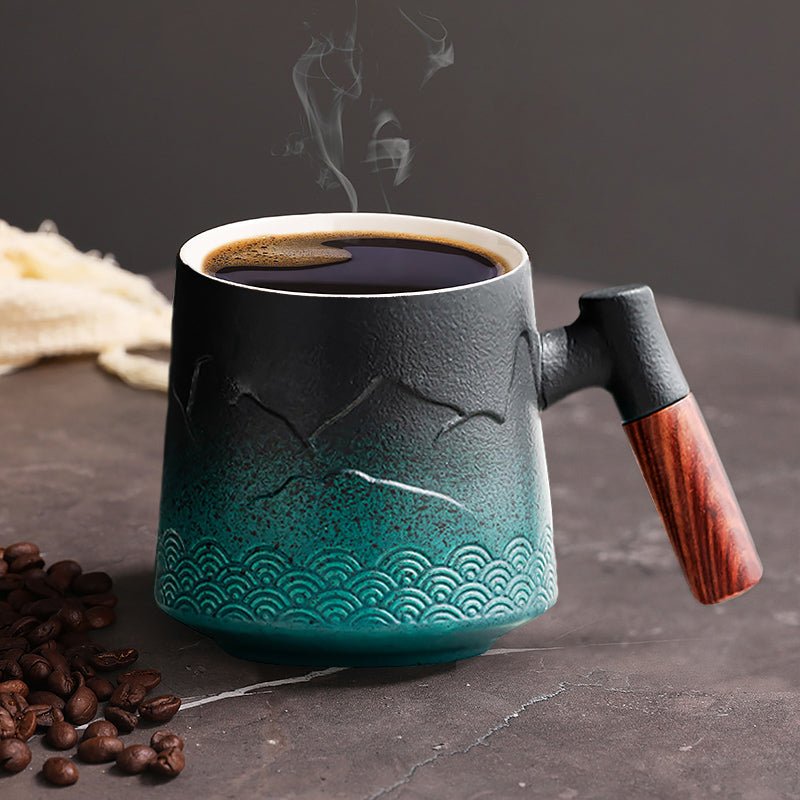
Coffee Mug with Lid: What Buyers Should Check Before They Order
A coffee mug with lid should keep heat in, cut desk spills, and still be easy to clean. We break down lid fit, materials, sizes, and the trade-offs that matter before you buy.
Leer más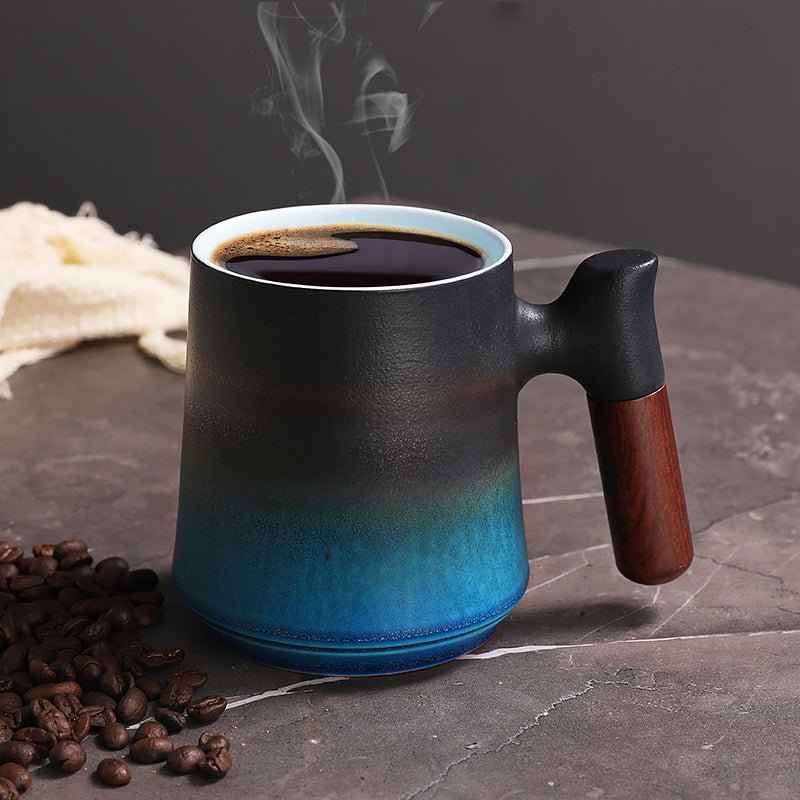
Calories in a Mug of Coffee: What Changes the Count?
A plain mug of coffee is usually very low in calories, but the count changes fast once milk, sugar, or flavored creamers enter the cup. We break down what actually matters, how mug size affects por...
Leer más
Dejar un comentario
Este sitio está protegido por hCaptcha y se aplican la Política de privacidad de hCaptcha y los Términos del servicio.