
Unbreakable Coffee Mugs: What Actually Lasts in Daily Use
Reading time: about 9 minutes
A mug usually gets called unbreakable after it survives a few hard mornings: one-handed grabs at the sink, a crowded office desk, a dishwasher cycle with other dishes, or a quick bump against the faucet. In our store, we treat unbreakable coffee mugs as a practical buying problem, not a literal promise. No ceramic mug is truly break-proof. The real question is which mug is least likely to chip, crack, tip, or feel fragile in daily use.
That is why we look at shape, wall feel, handle comfort, and the type of finish before we talk about durability. If you want to browse the full range while you compare styles, start with our collection and keep an eye out for taller mugs with a stable base and an easy-grip handle.
What do shoppers usually mean by unbreakable coffee mugs?
Most buyers are not asking for a mug that survives a drop from a granite counter. They are asking for a mug that can handle ordinary life without feeling delicate. That usually means three things: it should resist chips on the rim, stay stable on a desk or sink edge, and hold up through repeated washing without the glaze looking tired after a few weeks.
We see the same failure modes over and over. The rim chips first if the mug gets stacked too tightly. The handle can develop stress cracks if it is lifted by one finger from a heavy fill. And thermal shock, such as pouring boiling water into a cold mug, can create hairline cracks that are easy to miss at first and impossible to ignore later.
So the useful definition of unbreakable coffee mugs is simple: durable enough for real daily use, but still shaped and finished in a way that feels good to drink from. That is a much better target than a marketing claim that nobody can prove at your kitchen sink.
Which material lasts longest for everyday coffee?
Material matters, but it is not the only factor. A thicker ceramic mug can outperform a thin one. A well-shaped handle can matter more than a flashy finish. Here is the practical comparison we use when helping shoppers choose.
| Material | What it does well | Trade-off |
|---|---|---|
| Ceramic | Best everyday coffee feel, good heat retention, classic table presence | Can chip if knocked against sinks, counters, or other dishes |
| Stainless steel | Tough for travel and rough handling | Changes the drinking experience and is not the same as a desk mug |
| Silicone-sleeved mug | More forgiving grip and some impact protection | Can feel bulky and usually looks less polished for home or office use |
| Double-wall insulated drinkware | Strong for heat control and spill resistance | Better as a tumbler than as a classic mug |
For a true mug, ceramic is still the sweet spot for most shoppers. It is not the toughest material on the market, but it gives you the mug feel people actually want at breakfast, at a desk, or with a late-night tea refill. If you drop mugs often or toss them into a backpack, a travel tumbler is the better call. That is the trade-off we tell customers up front.
If you are trying to choose a more specific size alongside material, our guides to 10 oz Coffee Mugs: How to Choose the Right One for Daily Use and 12 Ounce Coffee Mugs: Fit, Shape, and Buying Tips help narrow down the fit before you decide on the final mug style.
What mug shape is safest on a desk or in the sink?
Shape is one of the most overlooked durability factors. A tall mug with a stable base can feel more secure than a short, wide mug with a narrow handle or a top-heavy profile. In our experience, the safest mugs are the ones that sit flat, do not wobble, and have enough handle room for two fingers without forcing your knuckles against the body of the mug.
Here is what we look for when we handle mugs in the store and pack them for customers:
- A base that sits evenly on the counter, not one that rocks.
- A rim that is smooth and even, because uneven rims chip faster.
- A handle that is thick enough to feel solid but not so bulky that it catches on adjacent dishes.
- A glaze finish that looks consistent, since thin spots and rough edges often reveal lower-quality finishing.
Tall mugs are especially useful for office desks and home counters because they keep the footprint compact. They are not the best choice for travel bags or crowded car cup holders, but they do well in the exact places most coffee gets spilled: the kitchen, the desk, and the meeting table.
Which CoffeifyMug mugs fit a durable daily setup?
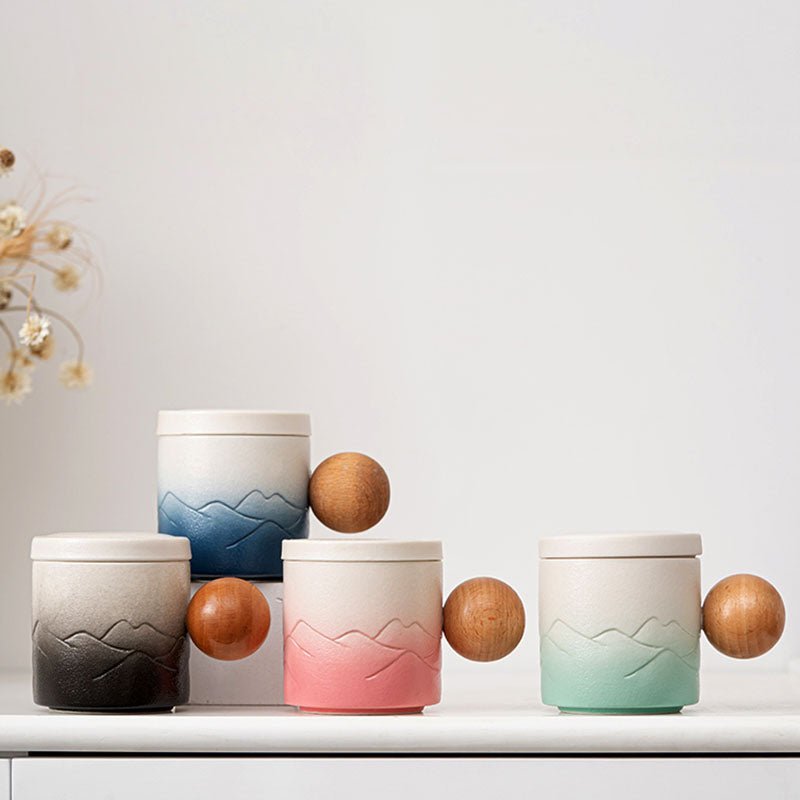
We do not sell a mug as literally unbreakable. What we do sell are mugs that make more sense for people who want everyday durability without giving up a proper coffee mug feel. If you like a taller profile and a clean presentation, the White Golden Waves Tall Coffee Tea Mug is a strong place to start. The taller shape is easy to hold, and it works well for coffee, tea, or a smaller pour when you want something that does not feel oversized.
For shoppers who want a slightly more grounded look, the Mountain Tall Coffee Tea Mug is the kind of piece we often recommend for daily use on a desk or kitchen counter. It has the kind of visual weight that makes a mug feel less fragile the second you pick it up.
The Christmas Coffee Tea Mug is a good example of where durability and gifting can meet. It is not the mug we would choose for rough worksite use, but it is the sort of seasonal gift mug that still needs to survive normal washing, storage, and repeat use after the holidays.
For capacity-focused shoppers, the difference between 10 oz, 12 oz, 14 oz, and 16 oz mugs matters more than most people expect. A mug that is too large can feel clumsy and easier to knock over. A mug that is too small gets refilled constantly and sees more handling. If you want to compare size before style, our article on 16 Ounce Coffee Mugs for Daily Use: Size, Fit, and Shape Guide is useful for bigger drinkers who want a sturdier feel without jumping into a travel tumbler.
What should you check before you buy one?
If you want a mug that lasts, inspect the same details we check before we recommend a piece to a customer. Small flaws are usually the first signs of a mug that will not age well.
- Look at the rim. A rough or uneven rim is more likely to chip and feels worse on the lips.
- Check the handle join. The handle should meet the body cleanly, without visible gaps or thin stress points.
- Study the glaze. A smooth, even glaze is easier to clean and usually indicates better finishing.
- Think about the base. A wider, flatter base is less likely to tip on a crowded desk.
- Match the mug to the use case. Home counter, office desk, gifting, and travel all ask for different levels of durability.
One more useful filter: read the care details before you buy. If a mug needs special hand washing, avoid putting it in the dishwasher with heavier items that can knock against the rim. If the mug is decorative, use it as a normal mug only if the finish can stand up to everyday cleaning. We have seen plenty of attractive mugs get damaged simply because they were treated like storage pieces instead of drinkware.
How do you keep a coffee mug from chipping?
Most chips are preventable. A mug usually does not fail because it was used for coffee. It fails because it was stacked, slammed, overheated, or washed in a way that put stress on one point too many. We tell customers to treat a good mug the way they would treat a favorite plate: use it normally, but do not ask it to survive careless handling every day.
- Do not stack mugs rim-to-rim if the cabinet space is tight.
- Avoid moving a hot mug directly to cold water, which can trigger thermal shock.
- Do not let the mug knock around with metal utensils in the sink.
- Dry the handle and base after washing so moisture does not sit in small surface imperfections.
- Store decorative mugs where they will not get brushed by heavier dishes.
That is also why we do not oversell ceramic as a rugged outdoor material. If your main concern is drops, camping, or heavy commuting, a stainless steel tumbler is a better tool. If your main concern is having a mug that feels right every morning and still looks good after repeated wash cycles, a well-made ceramic mug is usually the better buy.
Frequently asked questions
Are unbreakable coffee mugs really unbreakable?
No. In real buying terms, unbreakable coffee mugs usually means more durable than average, with better chip resistance and a safer shape. If a mug is made from ceramic, it can still crack or chip if dropped or handled roughly.
What is the best mug material if I drop mugs often?
If drops are the main problem, stainless steel or a travel tumbler is safer than a ceramic mug. Ceramic gives a better drinking feel for home and desk use, but it is not the best choice for rough handling.
Is a tall mug better than a short mug for everyday use?
A tall mug can feel steadier on a desk because it often has a compact footprint and a comfortable grip. A short mug may feel more stable in the hand for some people, but it can be easier to overflow if you pour too much in.
Can I put a durable ceramic mug in the dishwasher?
Many ceramic mugs can handle the dishwasher, but the safest habit is to keep them from banging against other dishes and to avoid sudden temperature changes. Decorative finishes and printed areas usually need the most care, so check the product details before washing.
What is the easiest way to spot a low-quality mug before buying?
Look for an uneven rim, a handle that feels thin at the join, a base that does not sit flat, or a glaze with rough spots. Those are common signs that a mug may chip sooner or feel less comfortable in daily use.
If you are deciding between durability and size, use one simple rule: pick the mug that matches how you actually drink coffee. Then compare it against our full collection and, if you want more size context, our guide to 12 oz Coffee Mugs: What to Check Before You Buy is a practical next read before you add anything to cart.
Read more
Cow Coffee Mugs: Sizes, Materials, and Gift Picks
Cow coffee mugs are easy to buy badly if you only judge the print. We break down size, handle comfort, care, and the details that decide whether a mug stays on the counter or in daily rotation.
Leer más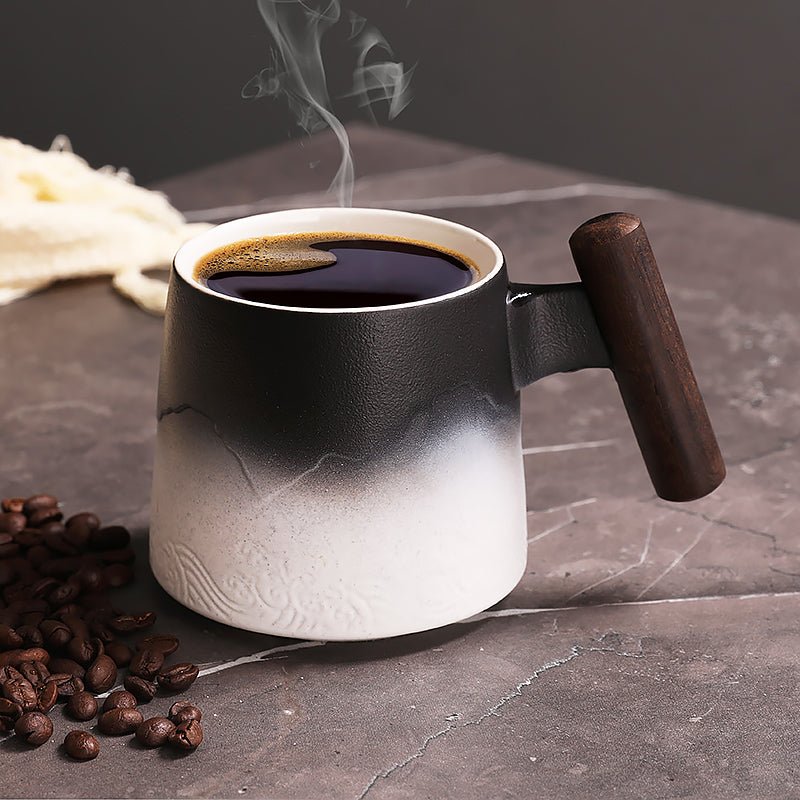
Unbreakable Coffee Mugs: What to Buy and What to Expect
A practical guide to unbreakable coffee mugs with real trade-offs, material notes, and what actually holds up at the desk, in the kitchen, and in the dishwasher. We also point to a few CoffeifyMug ...
Leer más
Dejar un comentario
Este sitio está protegido por hCaptcha y se aplican la Política de privacidad de hCaptcha y los Términos del servicio.