
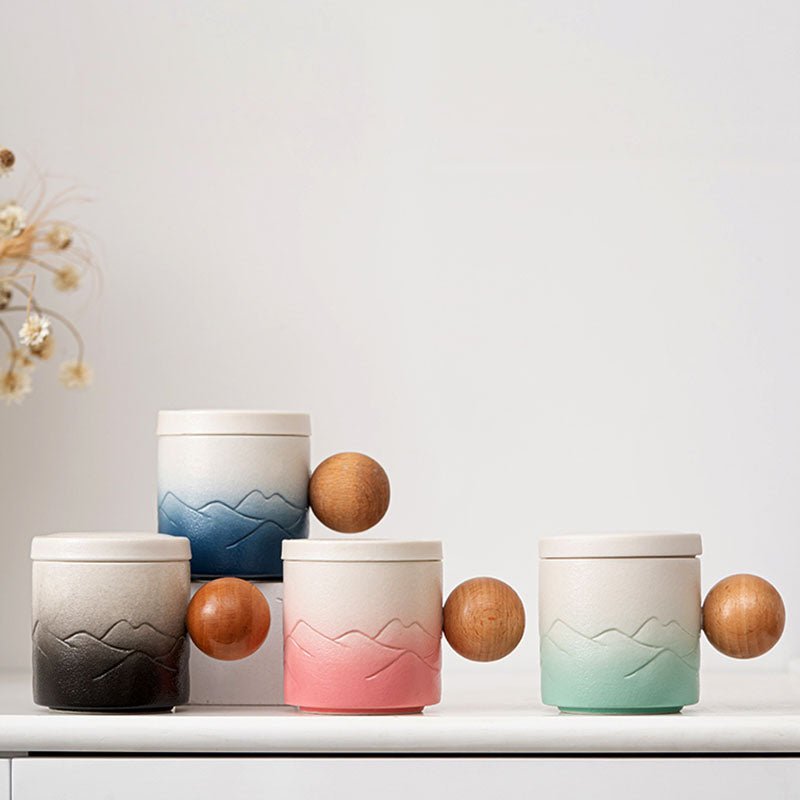
Unbreakable Coffee Mugs: What Actually Holds Up in Daily Use
Reading time: about 9 minutes
A mug slips off the edge of the counter, hits the tile, and the handle is the first thing to fail. We see that problem a lot. Shoppers usually start searching for unbreakable coffee mugs after one too many broken handles, hairline cracks, or chipped rims from the dishwasher rack.
There’s one catch: no coffee mug is truly impossible to break. What people usually want is a mug that can handle daily use without feeling fragile, look good on the table, and survive the usual mix of sink, dishwasher, desk, and shelf. That is the standard we use in our store, and it’s the right way to shop for this category.
If you want to see the mugs we carry while you read, start with our all mugs collection. For shoppers who want a tall everyday cup with a cleaner profile, the White Golden Waves Tall Coffee Tea Mug is a good place to start browsing. The same goes for the Mountain Tall Coffee Tea Mug if you prefer a stronger visual statement, or the Christmas Coffee Tea Mug if you are buying for a seasonal gift.
What do shoppers really mean by “unbreakable coffee mugs”?
Most people do not mean indestructible. They mean a mug that resists the common failures we see in kitchens and offices:
- Chipped rims from clumsy loading and unloading
- Cracked bases from sudden temperature changes
- Broken handles from bumps in the sink or on a crowded counter
- Surface wear from repeated dishwasher cycles
In practice, the most durable mugs are the ones that balance material strength, wall thickness, and a handle that does not put stress on the join. A mug can feel hefty and still be poorly made. It can also look delicate and hold up well if the body is well formed and the glaze is even.
That is why we always tell shoppers to look past the word “unbreakable” and ask a better question: which mug is most likely to survive the way I actually use it?
Which materials hold up best for daily coffee use?
The material matters more than the marketing. We handle mugs every day, and the same patterns show up again and again.
| Material | How it feels | Durability trade-off | Best for |
|---|---|---|---|
| Ceramic | Classic, solid, comfortable in the hand | Can chip if slammed against sink or tile | Everyday home use, office desks, gift mugs |
| Stoneware | Denser, often a little heavier | Strong, but still not impact-proof | People who want a sturdier feel |
| Porcelain | Smoother and lighter-looking | Can be more prone to visible chips at the rim | Cleaner table settings, lighter-looking mugs |
| Travel materials | Made for movement, not table display | Better for drops, but not the same drinking experience | Commutes, cars, bag carry |
For a true kitchen mug, ceramic and stoneware usually make the most sense. They feel stable on the table, are pleasant for coffee and tea, and work well for a daily routine. If your main concern is surviving drops, a travel mug may be the better category. If your main concern is a beautiful mug that handles regular use, a well-made ceramic mug is often the sweet spot.
One detail shoppers miss: glaze quality matters. A smooth, even glaze protects the surface better than a rough finish with tiny flaws. Another detail is the handle connection. Thin or awkwardly attached handles tend to fail first, especially when a mug is heavy with hot coffee.
How do you choose a durable mug without buying the wrong style?
We usually narrow it down by use case. A mug that works in a shared office kitchen may not be the one you want at home beside the sofa.
- Check the capacity first. If you routinely drink larger pours, look at taller formats rather than short cups. Our related guides on 10 oz coffee mugs and 16 ounce coffee mugs are useful if you are deciding between smaller and larger daily servings.
- Look at the shape. Tall mugs can feel better for tea and coffee drinks with milk because they give you more vertical room without taking up as much counter footprint as a broad mug.
- Inspect the handle. Your fingers should fit without pinching. A good handle is not decorative only; it needs enough clearance for a secure grip.
- Check how the mug is finished. Smooth rim, even color, and a stable base are signs the mug will feel solid in everyday use.
- Match the mug to the cleanup routine. If the mug will go through frequent dishwasher cycles, you want a finish that holds up without looking tired after a few washes.
If you are shopping for a specific daily size, our articles on 12 ounce coffee mugs and 15 oz coffee mugs can help you compare fit before you pick a shape.
What makes a mug feel sturdy in real life?
Sturdiness is something you feel before you can describe it. In our experience, a reliable everyday mug usually has three things going for it:
- A balanced base that does not wobble on the counter
- Enough wall thickness to feel substantial without being bulky
- A handle that is joined cleanly rather than looking thin or strained
There is also the practical side. A mug that is too thick can feel awkward at the rim and hold heat in a way that makes it uncomfortable to drink from immediately. A mug that is too thin can feel nice at first, but often shows wear sooner. The best option sits between those extremes.
Our team also checks how a mug behaves after a few dishwasher cycles, not just how it looks fresh out of the box. Fading decoration, a dulling glaze, or rough edges around the rim are all signs that a mug may not be the right everyday pick. That is one reason we prefer giving shoppers options like the Mountain Tall Coffee Tea Mug, which gives a solid feel and a practical tall profile for regular use.
Are ceramic mugs actually durable enough for everyday use?
Yes, for most shoppers, ceramic mugs are durable enough if you use them as mugs, not as tools. They are a strong choice for kitchen counters, office desks, and gift boxes because they feel stable, drink well, and are easy to clean. The weak points are usually impact and edge damage, not normal sipping or washing.
That means ceramic is a good fit if you want:
- A mug for hot coffee, tea, or cocoa at home
- A gift mug that looks good when unboxed
- A dependable mug that can go from sink to dishwasher
Ceramic is not the best choice if your mug gets tossed into bags, knocked around in a car, or used where drops are common. In those cases, a travel mug or insulated tumbler is a better match. If you want a mug that lives on the desk and stays there, ceramic is usually the better drinking experience.
Which mugs make the best practical gifts?
Gift buyers often want something that feels personal but still useful. We see a lot of shoppers choose a mug for a coworker, teacher, parent, or host because it is easy to wrap and easy to use right away.
A good gift mug should do three things:
- Look finished from the first glance. The print or pattern should be clean and centered.
- Feel comfortable in the hand. A gift mug that is pretty but awkward to hold gets used less.
- Be easy to live with. If it needs special handling, most people put it aside and use the plain mug instead.
That is why a seasonal design like the Christmas Coffee Tea Mug works well for holiday gifting. It has a clear use case and feels ready to give. For a more year-round look, the White Golden Waves design offers a calmer style that fits in a kitchen cabinet without feeling overly themed.
If you are choosing mainly for a gift box, remember that fragility during shipping and unboxing matters too. A sturdy mug still needs careful packing. No mug likes getting dropped onto a hard floor during the first five seconds out of the tissue wrap.
What should you avoid if you want a longer-lasting mug?
A durable mug is often less about buying the fanciest option and more about avoiding the wrong one. We have seen mugs fail early for a few predictable reasons:
- Rims with tiny chips from stacking or rough packing
- Uneven glaze at the handle join that can turn into a weak point
- Oversized shapes with narrow bases that tip too easily
- Decorative mugs used like workhorse mugs in kitchens with heavy daily washing
Also avoid assuming that a thick mug is automatically better. Extra thickness can make a mug feel clunky, slow to cool, and uncomfortable near the lip. In our store, we look for balance first. A mug should feel solid without turning into a brick.
There is another limitation worth saying plainly: even the best mug will not survive every fall. Tile, stone, and hard sink basins are unforgiving. That is why “unbreakable” is a practical shorthand, not a literal promise.
How should you care for a mug so it lasts longer?
Good care is simple, but it helps. We usually recommend the same everyday habits to keep mugs looking better for longer:
- Do not slam the mug into the sink or onto stacked dishes
- Leave space on the dishwasher rack so handles do not knock together
- Avoid sudden temperature shocks, like pouring boiling water into a mug that has just come from a cold cabinet
- Check the rim and handle after a drop, even if the mug still looks fine
These are small habits, but they matter. The first damage is often invisible until the next wash or the next hot pour. If you are using mugs daily at home or in an office break room, that quick visual check is worth the extra few seconds.
Frequently asked questions
Are unbreakable coffee mugs really unbreakable?
No mug is truly unbreakable. The better way to shop is to look for mugs that resist chips, cracks, and handle failure during normal daily use. If you need something for drops and travel, an insulated travel mug is usually a better choice.
What material is best for durable coffee mugs?
Ceramic and stoneware are the most common durable choices for everyday home use. They feel solid, drink comfortably, and work well in a dishwasher. If impact resistance is your top priority, a travel-style material is more appropriate than a standard mug.
Can durable coffee mugs go in the dishwasher?
Many can, but you still want to load them carefully. The biggest risk is not the wash cycle itself; it is chips from mugs knocking together or from being placed too close to hard cookware. A secure rack position helps a lot.
What size mug is best for daily coffee?
That depends on how much you actually drink. Many people settle into the 10 oz to 16 oz range, and our size guides for 12 oz coffee mugs and 14 ounce coffee mugs can help you compare fit before you buy. If you use milk, foam, or larger pours, a taller shape often feels better.
What is the most common way a coffee mug gets damaged?
In our experience, the most common problems are chipped rims, cracked handles, and damage from being knocked against sinks or tile floors. Dishwasher wear can also show up over time, especially if the mug is packed tightly with other dishes. A stable base and clean handle join help reduce those risks.
If you are ready to compare real options, start with our all mugs collection and look at the tall styles side by side. If you want a practical next step, compare shape, handle comfort, and how often the mug will move between sink, dishwasher, and desk before you choose.
Read more
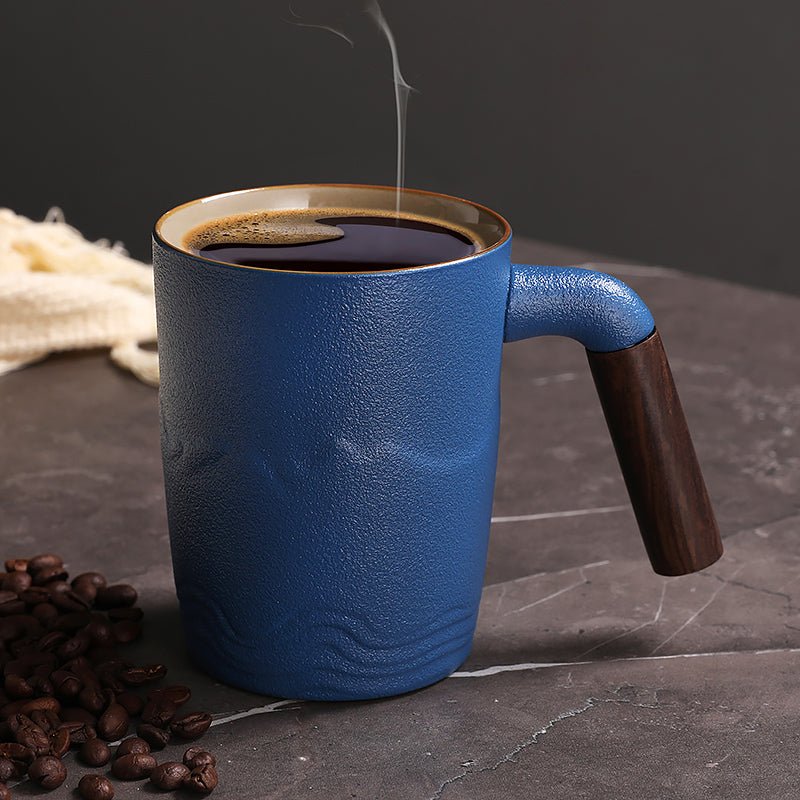
UGA Coffee Mug Buyer’s Guide: What to Check Before You Buy
A practical guide to choosing a uga coffee mug that looks good on a desk, holds up in daily use, and feels right in your hand. We cover size, shape, care, and which mug styles make sense for giftin...
Leer más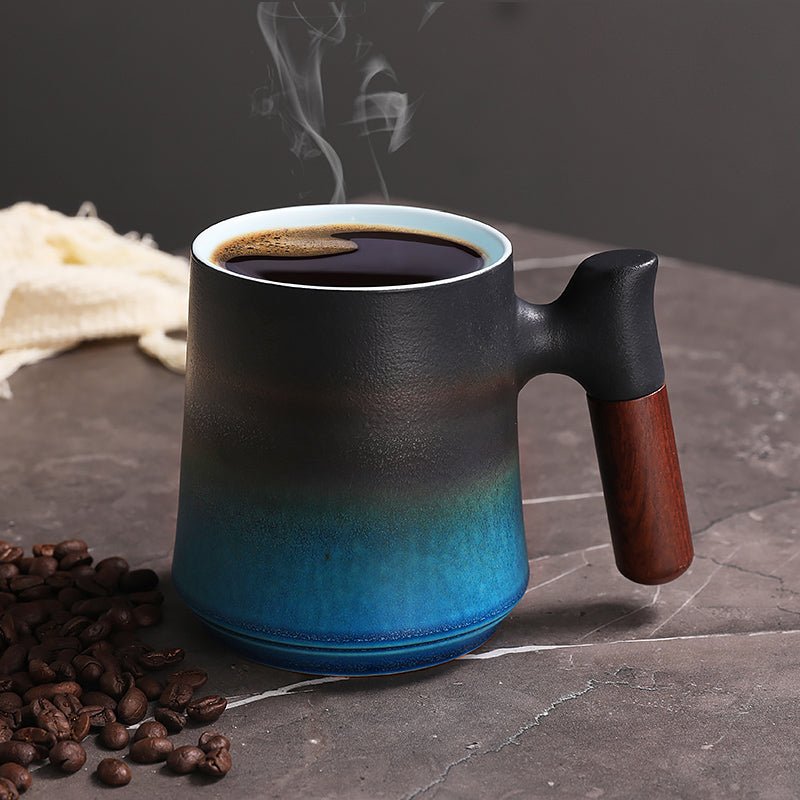
American Flag Coffee Mug Buying Guide for Everyday Use
A practical guide to choosing an american flag coffee mug that looks sharp, feels comfortable in hand, and holds up through daily use. We break down size, finish, care, and the trade-offs that matt...
Leer más
Dejar un comentario
Este sitio está protegido por hCaptcha y se aplican la Política de privacidad de hCaptcha y los Términos del servicio.