
Ugly Mugs Coffee & Tea: How to Pick One That Actually Gets Used
Reading time: about 10 minutes
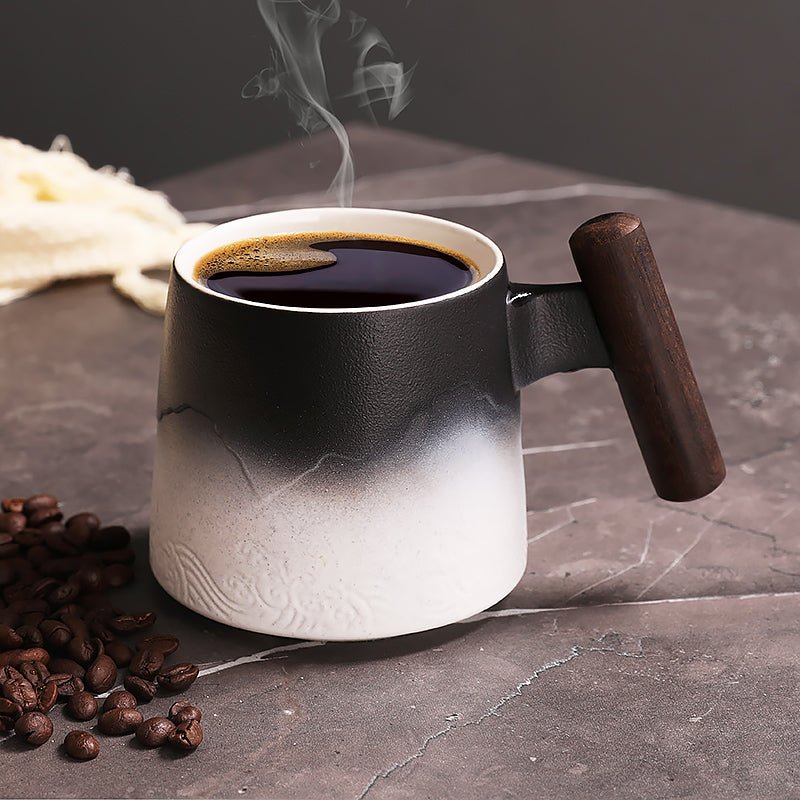
A chipped-looking glaze, a chunky handle, and a shape that feels odd at first glance can be exactly what gets a mug off the shelf and into daily use. We see this a lot in our store: shoppers want ugly mugs coffee & tea pieces that feel personal, sturdy, and a little offbeat, but they still need to work for morning coffee, afternoon tea, and everyday washing.
The problem is that “ugly” can mean a few different things. Sometimes it means intentionally rough ceramic with uneven color. Sometimes it means a funny shape that looks more handmade than polished. And sometimes it just means the mug is so specific that it is either a favorite forever or a regret after the first week. If you want the second outcome, this guide will help you sort out what is worth buying and what to skip.
For readers comparing options, our full collection is the quickest place to scan styles, while our product pages show the details that matter most before checkout. If you want a more focused starting point, our products page is where we usually point shoppers who already know they want a specific look or size.
What makes an ugly mug actually good for coffee and tea?
“Ugly” should never mean awkward to hold or annoying to clean. In our experience, the best ugly mugs coffee & tea buyers end up loving still get the basics right: a comfortable handle, a stable base, and a mouth that feels easy to drink from.
We look at three practical things first:
- Handle clearance: There should be enough space for adult fingers without squeezing. A handle can look rustic and still be painful if it is too tight.
- Rim comfort: A thick rim can feel sturdy, but if it is overly heavy or uneven, it may drip or feel clumsy at the lip.
- Base stability: A mug that rocks slightly on a flat table will get noticed fast on office desks and kitchen counters.
For coffee, a mug should keep heat long enough to finish a cup without rushing. For tea, the best mugs are usually a little more forgiving, since many tea drinkers care more about comfort and hold time than insulation alone. If you are deciding between smaller and larger capacities, our posts on 12 oz coffee mugs and 16 oz coffee mugs are useful comparisons because size changes the drinking experience more than most shoppers expect.
Which materials work best for everyday use?
For ugly mugs coffee & tea, material matters more than the joke on the side or the uneven glaze. We sell and handle mugs that are meant for real use, so we pay attention to how they feel after repeated dishwasher cycles and how they behave with hot drinks.
| Material | What it does well | Trade-off |
|---|---|---|
| Ceramic | Classic feel, good heat retention, versatile for coffee and tea | Can chip if knocked against a sink or crowded shelf |
| Stoneware | Heavier, sturdy in the hand, often best for a rustic look | Weight may be too much for some users, especially for large sizes |
| Porcelain | Smoother finish, lighter feel, clean drinking edge | Less forgiving if you want a deliberately rough or handmade look |
In our experience, stoneware is often the sweet spot for shoppers who want an “ugly” look without giving up durability. It tends to feel substantial on a desk and holds heat well enough for a slow morning. Ceramic is also a solid choice, especially for gift buying, because it is familiar and easy to live with. If you want a deeper size comparison before choosing, our article on 20 ounce coffee mugs covers the practical downsides of oversized mugs, especially for tea drinkers who do not want their cup to cool too quickly.
How do you choose a size that fits your routine?
Size changes everything. A mug that feels charming in a product photo can become inconvenient if it is too small for your coffee habit or too large for your tea leaves, steeping basket, or hand size. We see this most often with buyers who want one mug for both office coffee and evening tea.
Here is the quick breakdown we use with customers:
- 8 oz: Better for espresso-based drinks, smaller tea servings, and people who dislike heavy mugs.
- 12 oz: A balanced everyday size for drip coffee and standard tea portions.
- 16 oz: Good for longer coffee sessions, milk-heavy drinks, or anyone who refills less often.
- 20 oz: Best for people who want one large drink and do not mind extra weight or slower cooling.
The trade-off is simple. Larger mugs can be great on a kitchen counter, but they are not always ideal for tea, especially if you want the drink to stay at a comfortable temperature rather than sit and cool for a long stretch. If you want a broader buying checklist, our post on a buyer's guide to large capacity coffee mugs is a good match for shoppers leaning toward bigger cups.
One more detail shoppers miss: the same advertised size can feel different depending on wall thickness and shape. A tall, narrow 12 oz mug may feel much larger in the hand than a wide 12 oz bowl-style mug. That matters if you are buying for an office desk, a gift basket, or a daily commute setup where the mug will live next to a laptop and keyboard.
What should you check before buying one as a gift?
Gift mugs are tricky. The best ugly mugs coffee & tea gifts are personal enough to feel thoughtful but not so weird that they stay in the box. We have learned that a mug gift succeeds when it looks intentional, not random.
Before you buy, check these points:
- Hand feel: If the handle looks narrow or the mug seems top-heavy, it may not be pleasant for daily use.
- Finish: Matte glazes can look beautiful, but some show tea staining more easily than glossy finishes.
- Gift presentation: A mug with a strong visual personality can work well as a standalone gift, but only if the shape is practical enough to be used after the unboxing.
- Care expectations: If the recipient does not hand-wash anything, choose a mug that is comfortable in the dishwasher.
Our buyers often want something quirky for a coworker, housewarming, or holiday exchange, but not something fragile or fussy. If you are comparing styles that need to survive real life, our article on Ugly Mugs Coffee House: What Buyers Should Look For Before Ordering is useful because it gets into the practical side of ordering for groups, offices, and repeat use.
“Looks weird” is not the same as “good design.” The mugs people keep are usually the ones that fit the hand, sit flat, and make the drink taste normal.
How do ugly mugs hold up in real kitchens and offices?
This is where experience matters more than aesthetics. A mug can look perfect in photos and still fail the daily-use test once it meets dishwashers, stacked cabinets, microwave reheating, and crowded sink areas.
In our store, the common wear points we watch for are:
- Rim wear and glaze irregularity: Uneven edges can be charming, but they should not feel sharp or rough on first sip.
- Handle stress: A handle that is decorative but thin may feel less secure after repeated lifting.
- Chipping at the base: This often happens when mugs are knocked together in a cabinet or set down hard on stone counters.
- Tea staining on light interiors: Light-colored glazes can show staining faster, especially with black tea or herbal blends.
Dishwasher-safe is a practical plus, but even then, no mug is fully immune to wear if it gets banged into metal racks or stacked too tightly. We tell customers to leave space between mugs and avoid cramming them into the top rack. That small habit extends the life of the finish.
If you are buying for a shared breakroom, choose durability over novelty. If you are buying for a personal desk, you can lean more into the odd shape or handmade feel. That is the trade-off. More personality usually means more compromise somewhere else, whether that is weight, balance, or capacity.
Which ugly mug style should you choose for coffee versus tea?
Not every mug works equally well for both drinks. Some styles are better for coffee because they hold heat and fit a larger serving. Others are better for tea because they feel lighter and are easier to sip slowly.
| Use case | Better style | Why it works |
|---|---|---|
| Drip coffee | 12 oz to 16 oz ceramic or stoneware mug | Good balance of heat retention and manageable weight |
| Milk-based coffee drinks | 16 oz or larger mug with a wider opening | Makes room for added milk or foam |
| Black tea | 12 oz mug with a comfortable rim | Easy to sip, not overly heavy, less cooling time before finishing |
| Herbal tea | 12 oz to 16 oz mug with stable base | Good for steeping and sitting on a desk or side table |
We usually steer tea buyers away from oversized mugs unless they truly drink large pours. A giant mug can look fun, but it often makes the last third of the drink go lukewarm before it is finished. Coffee drinkers who like refills may feel the opposite and prefer one larger mug instead of two smaller cups.
If you want to compare your options side by side, the safest approach is to browse the collection first, then check size and care details on the product page before ordering. That reduces the chance of buying something that looks great but does not match your actual routine.
What are the most common mistakes shoppers make?
The biggest mistake is buying for the joke or the photo instead of the hand. A funny-looking mug can be a great purchase, but only if it still works as a cup.
These are the issues we see most often:
- Ignoring handle shape: A visually interesting handle may pinch two fingers or feel awkward for larger hands.
- Choosing oversized capacity by default: Bigger is not always better for tea, espresso drinks, or anyone who prefers a lighter mug.
- Skipping care details: Some finishes need gentler handling than the average dishwasher cycle can provide over time.
- Buying purely for novelty: If the mug is too quirky to use at work or on a small kitchen shelf, it may become a display item instead of a daily cup.
We have seen plenty of shoppers regret a mug that looked “cute” but felt clunky after a week. The flip side is also true: a mug that looks a little odd in the listing can become the one that gets used every morning because it just feels right.
Frequently asked questions
Are ugly mugs coffee & tea mugs good for everyday use?
Yes, if the handle, rim, and base are practical. The look can be unconventional, but the mug still needs to feel balanced and comfortable after repeated use. We recommend checking whether it is dishwasher-safe and whether the shape suits the drink you actually make most often.
What size ugly mug is best for coffee and tea?
For most people, 12 oz is the most flexible size. It works for drip coffee and standard tea without feeling oversized. If you drink milk-based coffee or prefer long sipping sessions, 16 oz may be a better fit.
Do ugly mugs stain more easily?
Some do, especially mugs with matte or light interiors. Black tea, coffee oils, and hard water can leave marks over time. A glossy interior is usually easier to keep clean, though nothing stays perfect forever.
Should I choose ceramic or stoneware?
Ceramic is a safe all-purpose choice, while stoneware usually feels heavier and more substantial. If you like a rugged, handmade look, stoneware often fits better. If you want something lighter and easier to handle, ceramic may be the better option.
What makes an ugly mug a bad buy?
If it rocks on a flat surface, has a handle that feels cramped, or seems too heavy for its size, we would pass. A mug can be visually interesting and still be a poor everyday cup. The best ones work as well in a kitchen sink queue as they do in a product photo.
If you are narrowing your choice now, start with the size you actually drink from, then compare materials and care notes on our products page. If you want to browse the full range of styles and find the one that fits your routine, the collection is the easiest next step.
More from our blog
Read more
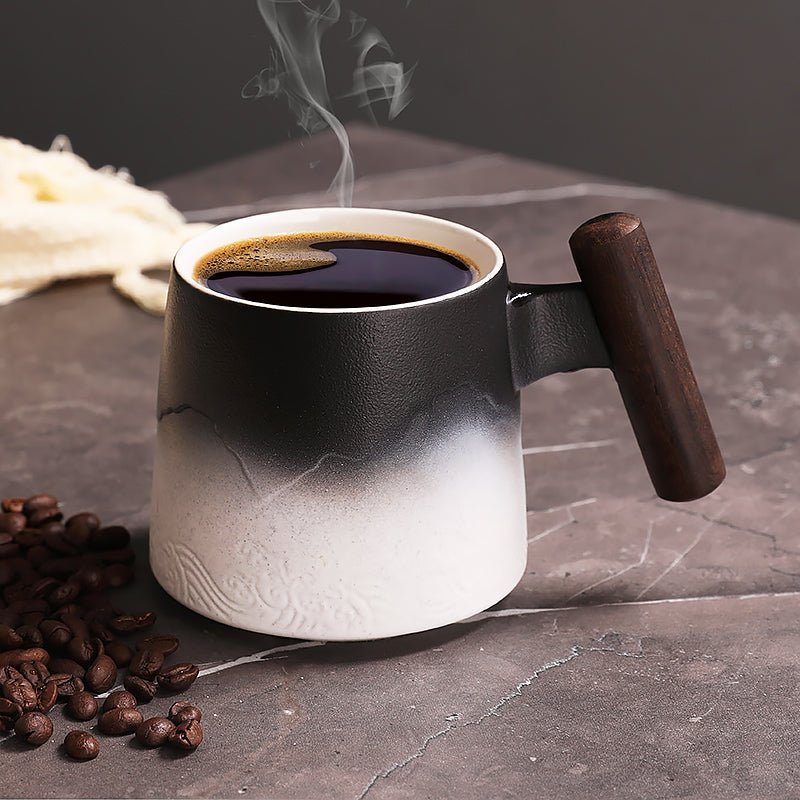
Ugly Mug Coffee: How to Choose a Mug That Feels Good to Use
A practical buyer’s guide to ugly mug coffee choices: what makes a mug intentionally “ugly,” what actually matters in daily use, and which details are worth checking before you buy.
Leer más
Coffee Mug Logo Buying Guide: Materials, Sizes, and Print Choices
A practical guide to choosing a coffee mug logo for gifts, offices, and resale. We cover mug materials, common size trade-offs, print placement, and what to check before you order.
Leer más
Dejar un comentario
Este sitio está protegido por hCaptcha y se aplican la Política de privacidad de hCaptcha y los Términos del servicio.