
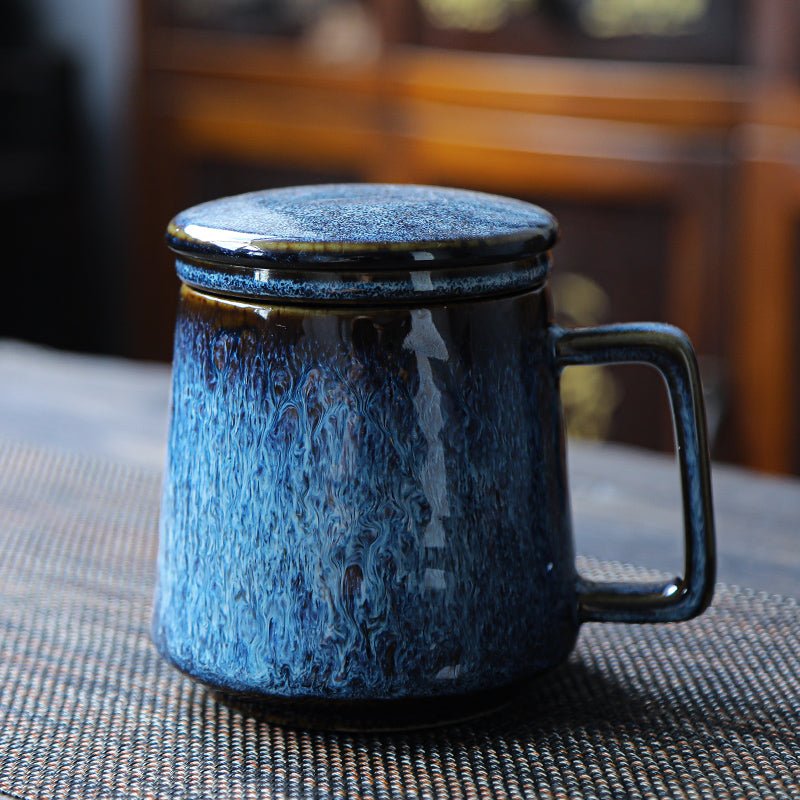
The Ugly Mug Coffee House Burbank: What Buyers Should Check First
Reading time: about 9 minutes
A mug looks simple until it ends up on a crowded office desk, in a too-small dishwasher rack, or in a gift box that feels underwhelming the second it’s opened. That is usually when people searching for the ugly mug coffee house burbank are not just looking for a place name—they are trying to figure out what kind of mug actually fits their routine.
We handle mugs for real buyers every day, and the same questions come up again and again: Will it feel balanced in the hand? Is it too narrow for a proper pour? Will the finish hold up after repeated wash cycles? This guide focuses on those practical checks so you can make a better buying decision, whether you are shopping for yourself, a gift, or comparing mug styles before ordering from our store.
If you want to compare available options first, start with our full collection. If you already know you want a specific mug style, our products page is the fastest place to see what is in stock.
What does the ugly mug coffee house burbank usually mean for a buyer?
For most shoppers, the ugly mug coffee house burbank is a navigational search. They are looking for the place, but they are also often comparing the kind of mug that feels casual, familiar, and easy to use at home. That matters because a mug that looks good in a photo can still disappoint if the handle pinches, the rim feels too thick, or the base leaves water marks after washing.
In our experience, buyers usually fall into one of three groups:
- Local café fans who want a mug that feels like a souvenir without looking overly branded.
- Practical shoppers who care more about capacity, comfort, and dishwasher use than decor.
- Gift buyers who need something that opens well, reads clearly on the shelf, and does not feel flimsy.
The name may bring you to a location, but the purchase decision still comes down to mug basics. That is why we always recommend checking size, material, and care before ordering.
What mug details should you check before buying?
We recommend checking the same details our team checks when a mug comes in from a supplier box. These are the things that determine whether a mug gets used daily or pushed to the back of the cabinet.
- Capacity: 10 oz, 11 oz, and 12 oz mugs all feel different in hand. A 10 oz mug is better for smaller pours, while a 12 oz mug gives more room for cream, foam, or tea.
- Rim feel: A thinner rim often feels nicer for sipping, but a thicker rim can make the mug feel sturdier. There is no single right answer.
- Handle size: A handle should fit at least a couple of fingers comfortably. If you have larger hands, a tiny loop becomes annoying fast.
- Base stability: A flat, even base matters on office desks and kitchen counters. Wobbly mugs are a problem you only notice after spilling coffee on paperwork.
- Finish and care: Smooth ceramic glazes usually clean more easily than textured surfaces. If you plan to use a mug daily, check whether hand washing is preferred.
For readers comparing practical mug sizes, our guides on 10 oz coffee mugs, 11 oz coffee mugs, and 12 ounce coffee mugs break down the real differences without the fluff.
How do you know if a mug size feels right in daily use?
Size is not just about ounces on a product page. It changes the way the mug feels at the table, the desk, or the sink. A mug that seems “standard” can still be the wrong shape for your routine.
Here is how we think about it in the store:
| Size | Best for | Trade-off |
|---|---|---|
| 10 oz | Smaller coffee pours, espresso-based drinks with room, tea | Less room for cream or foam; not ideal for oversized morning cups |
| 11 oz | General everyday use, gifts, balanced hand feel | Can feel ordinary if you want a larger café-style pour |
| 12 oz | Longer drinks, added milk, office refills | Can feel a little bulky if you prefer a lighter mug |
One real-world example: an office buyer may think 12 oz sounds better, then discover that the mug takes up more space in a crowded cup holder or under a low cabinet. On the other hand, a 10 oz mug can feel too small if you like a full pour with milk and still want room to stir.
If you are deciding between a “display” mug and a “daily driver,” the daily driver usually wins by being easy to pick up, easy to wash, and easy to drink from without thinking about it.
What makes a mug comfortable to hold?
Comfort is where a lot of mugs fail quietly. A mug can look right on a product photo and still feel awkward once coffee is hot and your hand is waking up.
We look at three things first:
- Handle opening: Enough room for your fingers without scraping the mug body.
- Balance: The mug should not feel top-heavy when full.
- Rim and wall feel: Comfortable sipping matters more than most buyers expect.
In our experience, customers who want a mug for long work sessions tend to prefer something that feels stable and slightly heavier, while buyers who drink quickly and move around the kitchen often want a lighter mug that is easy to carry from counter to desk. That is a real trade-off. A heavier mug can feel more premium. It can also be less convenient if you move it around all day.
This is also where our article Ugly Mug Coffee: How to Choose a Mug That Feels Good to Use helps, especially if you are comparing shape and hand feel before you buy.
Is a playful or imperfect-looking mug a good choice?
Sometimes, yes. A mug with a casual, quirky, or intentionally rough-around-the-edges look can feel more relaxed than a polished gift mug. That style works well for desks, home coffee bars, and anyone who wants something less precious.
But there are limits. A mug that looks “ugly” in a charming way is not the same thing as a mug with real defects. We would not recommend buying a mug with:
- Uneven glazing that collects residue
- A handle that feels rough or sharp
- A base that does not sit flat
- Visible cracks or hairline fractures
If you are worried about that difference, our post Ugly Mug Coffee House: What to Check Before Buying is a useful companion read. It helps separate intentional style from actual quality problems.
For a more cautious shopper, the Cracked Mug Coffee House guide explains when a flaw is cosmetic and when it is a reason to pass.
What should you expect from mug care and durability?
Most ceramic mugs are easy to live with, but they are not all equal after repeated use. Dishwasher cycles, sink bumps, and microwave heating can expose weak spots fast.
From handling and packing mugs in our store, the common issue patterns we watch for are:
- Glaze wear: light dulling over time, especially on high-touch areas
- Handle stress: small stress points where the handle joins the cup body
- Rim chips: often caused by stacking or clinking in the sink
- Base scratches: more visible on glossy counters and glass-top tables
Care usually stays simple, but you should still check the product details before assuming a mug is dishwasher-safe or microwave-safe. If a mug has specialty printing, metallic accents, or a textured finish, that can change how it should be cleaned. We always advise matching the care instructions to the finish, not just to the mug category.
For shoppers who prefer a no-fuss routine, smoother ceramic mugs are often easier to rinse and dry than highly textured novelty pieces. They are not as visually dramatic, but they are usually better for everyday use.
Which mug style works best for home, office, or gifting?
The right mug depends on where it will live most of the time. That is the part buyers often skip.
For home: Choose a mug that feels good in your hand and does not take up too much cabinet space. A balanced 11 oz or 12 oz mug is often a good fit if you make coffee or tea every morning.
For office: Go for stability and easy cleaning. A mug with a solid base and a comfortable handle is better than one that only looks decorative. If it will sit next to a keyboard, avoid a shape that feels tippy.
For gifting: Choose a style that looks clear and thoughtful out of the box. The mug should feel useful even if the recipient does not know the brand story. That is why neutral shapes and familiar sizes tend to perform best.
And if you are shopping broadly rather than for one specific mug, our all collections page is the quickest way to compare styles side by side.
What are the main trade-offs before you order?
Every mug choice has a trade-off. The goal is not to find a perfect mug. It is to find the one that fits your habits.
- Style vs. durability: A more distinctive finish may look better, but a simpler glaze can be easier to care for.
- Capacity vs. comfort: Larger mugs hold more, but smaller mugs can feel better in the hand.
- Gift appeal vs. daily use: A visually striking mug is great for gifting, but a plain, sturdy mug may be better for everyday coffee.
- Lightweight vs. sturdy: A lighter mug is easier to lift, but a heavier mug can feel more grounded on the table.
That balance is exactly why we encourage buyers to compare before ordering rather than choosing the first mug that catches the eye. A good mug becomes part of your routine. A bad one becomes clutter.
Frequently asked questions
Is the ugly mug coffee house burbank a place or a mug style?
Most of the time, shoppers use the ugly mug coffee house burbank as a location-based search, but they are often also comparing mug styles that feel casual and practical. If you are buying a mug, focus on size, handle comfort, and care details rather than the name alone.
What size mug should I choose for everyday coffee?
An 11 oz mug is often the safest everyday pick because it stays manageable on the desk and still gives you enough room for a normal pour. If you like extra milk or a larger drink, 12 oz may work better. If you prefer smaller servings, 10 oz can feel less bulky.
Are ceramic mugs good for office use?
Yes, ceramic mugs are common for office use because they feel sturdy and usually clean easily. The main thing to check is base stability and handle comfort. If your desk is crowded, avoid oversized mugs that take up too much space.
What should I avoid if I want a mug that lasts?
Avoid mugs with visible cracks, rough handle seams, or uneven bases. Those issues can turn into real problems after regular washing or stacking. A plain, well-made mug often lasts longer than a decorative one with weak construction.
Can I use this guide to compare mugs before ordering from CoffeifyMug?
Yes. Use it as a checklist, then compare shapes, sizes, and care details on our products page. If you want the broadest comparison first, start with our full collection.
If you are narrowing down your choice, check three things before you buy: the mug size, the handle feel, and the care instructions. Then compare the options in our collection or head straight to our products page and pick the mug that fits the way you actually drink coffee.
More from our blog
Read more
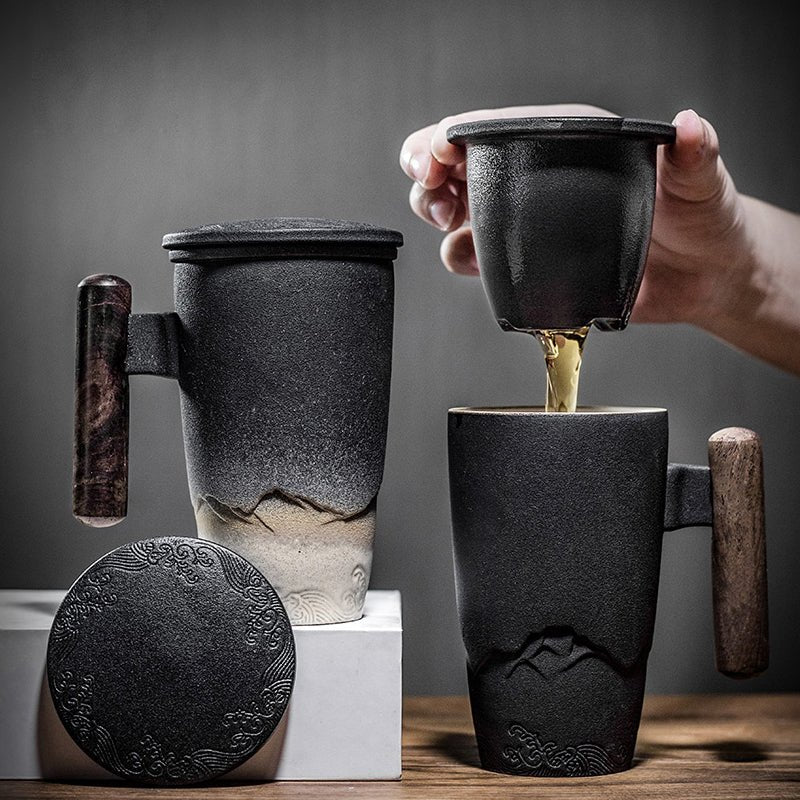
The Red Mug Coffee Co. Buyer’s Guide for Shoppers Comparing Red Mugs
A practical guide for shoppers comparing the red mug coffee co. with other red mug options, including size, finish, care, and what to check before you buy. We also point you to the right CoffeifyMu...
Leer más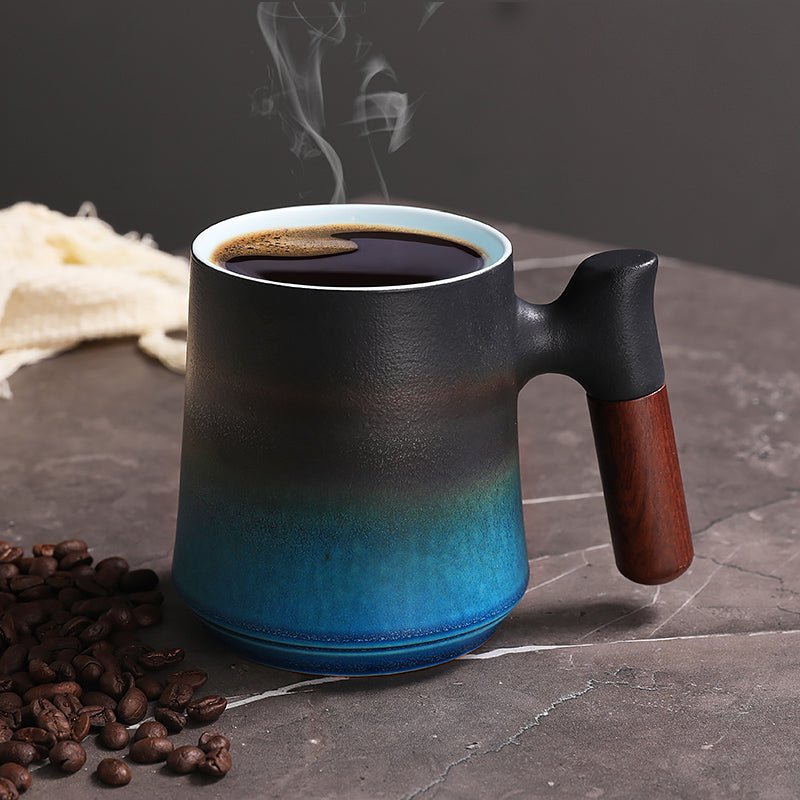
Coffee Mug Picture Buying Guide: What to Check Before You Buy
A coffee mug picture can look great online and still disappoint in person if the print, mug size, or finish is off. Here’s what we check in our store before we recommend one.
Leer más
Dejar un comentario
Este sitio está protegido por hCaptcha y se aplican la Política de privacidad de hCaptcha y los Términos del servicio.