
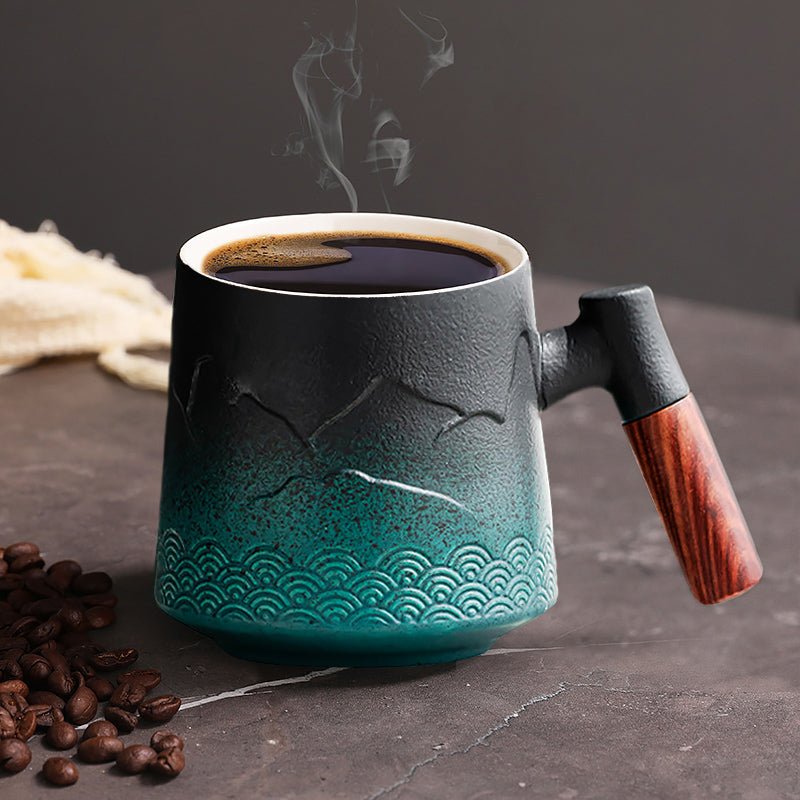
Tea Handle Buying Guide: What to Check Before You Buy
Reading time: about 9 minutes
A tea handle only feels right once the cup is full and warm. A handle that looks elegant in photos can pinch two fingers, tilt the cup forward, or warm up more than you expected after the second pour.
That is why we treat the tea handle as a buying decision, not a detail. In our store, we look at finger clearance, wall thickness, balance, and how the cup behaves on a kitchen counter, office desk, or in a gift box.
What does a good tea handle feel like in the hand?
A good tea handle should feel easy before the first sip and stay easy after the cup has been sitting for a few minutes. The best test is simple: can you slide at least one or two fingers through without scraping the cup body, and can you lift the cup without twisting your wrist?
We look for three things first: enough clearance for the knuckles, a smooth inside edge, and a grip that does not force the cup to tip forward. If the handle is too close to the body, your fingers touch hot ceramic. If the opening is too tight, the cup may be fine for display but annoying for daily use.
A tea handle that feels fine when empty can feel cramped once the cup is full. If you keep thinking about where to place your fingers, the shape is already working against you.
For buyers comparing everyday shapes, our Best Tea Mug: What to Buy for Daily Tea, Desk Use, and Gifts guide goes deeper on use case. If you want a mug-style feel instead of a traditional tea cup, the handle check is nearly the same.
Which material should you choose for a tea handle?
The handle is usually part of the cup body, so the body material affects how the handle behaves. A ceramic or porcelain tea handle tends to feel familiar and stable. A glass handle gives a lighter look but can feel less forgiving. Stainless steel is a different category entirely, usually chosen for insulation and desk use rather than formal tea service.
| Material | What it feels like | What to watch for | Best for |
|---|---|---|---|
| Ceramic or stoneware | Solid, familiar, and usually comfortable in everyday use | Check the junction where the handle meets the body for glaze drips, rough edges, or chips | Daily tea, kitchen shelves, and casual gifting |
| Porcelain or bone china | Light in the hand and often more refined | Thin handles can feel delicate, especially if you use the cup all day | Gift sets, traditional tea service, and lighter drinkware |
| Borosilicate glass | Clean, modern, and easy to see the tea color through | Heat transfer can feel more noticeable if the cup is single-wall or thin | Tea drinkers who care about appearance and brew visibility |
| Insulated stainless steel | Practical and durable, usually with a more utility-first feel | Less traditional for tea service, and the handle style can be bulkier | Desk use, longer heat retention, and busy environments |
If you are comparing handled mugs rather than tea cups, our Coffee Mug with Handle: What to Check Before You Buy article is a useful cross-check. The same material rules apply, but the shape and capacity usually change.
Which tea handle shape works best for daily use?
Shape matters as much as material. A tea handle can look decorative and still be awkward if the opening is too tight, the arc is too shallow, or the handle sits too close to the cup wall.
- Open loop or ear-style handle: Usually the most comfortable for daily use. It gives your fingers room and tends to feel balanced with a full cup.
- Narrow decorative handle: Nice on a gift table, but it can be tiring if you hold the cup for long stretches. This is not our first choice for shared office kitchens.
- Taller handle with more clearance: Helpful if the cup wall runs warm or if you prefer a looser grip. The trade-off is a slightly larger footprint.
- Double-handled cup: Stable and useful for a larger serving, but less convenient if you want one-hand use at a desk.
For traditional tea-cup styling, the Daniel Handle Tea Cups: What Buyers Should Check Before Ordering article is the right companion read. It helps separate a graceful shape from one that only looks right in a product photo.
If you are buying a lid with the handle, compare that against Coffee Mug with Lid and Handle: What Buyers Should Check. A lid changes the balance, the cleaning routine, and the way the handle feels when the mug is full.
What defects should you check before buying a tea handle?
This is where a lot of disappointments start. A handle can look fine at a glance and still feel wrong in the hand. The most common problems are small, but they matter more once the cup is hot and full.
- Check the join where the handle meets the cup. You want a smooth transition, not a sharp ridge or obvious seam.
- Look for handle symmetry. If the handle sits crooked, the cup may feel unbalanced when lifted.
- Run a finger along the inside edge. Rough glaze, a pinhole, or a sharp spot is a sign to keep looking.
- Inspect the stress points. Hairline cracks often start near the top and bottom of the handle attachment.
- Check the finish after repeated use. Even if a listing says dishwasher safe, rough glaze wear or chipping can show up around the handle area first.
Gift buyers should pay extra attention here. When someone opens a tea cup in a box, the handle is the first part they touch. A tiny chip, a rough seam, or a visible glaze flaw stands out immediately.
Which tea handle styles are not a good fit?
Some handles are technically fine but still wrong for the buyer. A very small tea handle is not a good fit if you have larger hands or if you want a cup you can use while reading, working, or answering messages with the other hand. It may look delicate, but daily comfort is the real test.
A decorative porcelain tea handle is also not ideal if the cup will live beside a busy sink or in a shared office dishwasher. The finer the handle, the more careful the handling needs to be. That is a trade-off, not a flaw, but it should be understood before buying.
Very small tea cups are not the right match for buyers who want a desk mug with enough capacity to stay warm through a meeting. In that case, a larger mug with a better grip makes more sense. If that is your use case, the handle-focused checks in our Best Insulated Coffee Mug with Handle: What Buyers Should Check guide can help you compare heat retention and comfort.
- Not a match for travel-first use if you need a leak-resistant lid more than a handle.
- Not a match for very large hands if the handle opening is shallow.
- Not a match for display-only sets if you want daily dishwasher use.
- Not a match for people who prefer a cool-touch insulated mug over a traditional tea cup.
How do we compare tea handles in our store?
We compare tea handles the same way a customer does: full cup, warm drink, real hand position, and real cleanup. A handle is useful only if it stays comfortable after the tea has been sitting long enough to cool slightly and the cup is still heavy enough to notice.
In practice, we check the finger opening, the balance point, the smoothness of the glaze, and the way the handle sits against the body. We also think about where the cup will be used. A kitchen counter buyer usually wants easy washing and durable edges. A desk buyer usually wants a comfortable grip and a stable base. A gift buyer usually wants a shape that looks polished without being fragile.
If you want to browse available styles, start with our all collection and then narrow to the current items on our products page. That is the fastest way to compare tea handle shapes side by side without guessing from one photo.
For shoppers building a broader shortlist, the cluster around tea and handled drinkware is worth a look too. The Blue Mug Coffee and Tea: What to Check Before You Buy article is useful if color matters as much as shape.
Frequently asked questions
How big should a tea handle be?
A tea handle should let at least one or two fingers pass through without scraping the cup body. If your knuckles touch the ceramic or your wrist has to twist to lift the cup, the handle is too tight for daily use. Larger hands usually need a wider opening and a deeper arc.
Is a ceramic tea handle better than a glass one?
For most buyers, ceramic feels easier to live with because it is familiar, sturdy, and usually comfortable for everyday use. Glass can look cleaner and more modern, but it may feel less forgiving if the cup is thin or if you want a warmer, more traditional feel. The better choice depends on whether you prioritize daily comfort or presentation.
Can I put a handled tea cup in the dishwasher?
Many can go in the dishwasher if the listing says they are dishwasher safe, but the handle area is still worth checking over time. We look for chips, glaze wear, and tiny cracks around the join after repeated cycles. If the cup has decals, metallic accents, or a very fine handle, hand washing is often the safer call.
What tea handle style is best for gifts?
A balanced open-loop handle is usually the safest gift choice because it works for more hand sizes and feels less delicate in daily use. Very narrow or decorative handles can look refined, but they are less forgiving if the recipient plans to use the cup every day. Neutral colors and a smooth finish also help the cup feel more universally usable.
What should I avoid if I want a tea handle for desk use?
A handle that sits too close to the cup wall is the main problem, especially if you drink slowly and hold the cup for a long time. Avoid shapes that force your fingers into a tight angle or cups that feel top-heavy when filled. For desk use, comfort and balance matter more than decorative detail.
If you are ready to compare options, use the checklist above, then start with our all collection and narrow to the current products. For side-by-side reading, the Best Tea Mug and Daniel Handle Tea Cups guides are the quickest next steps.
More from our blog
Read more
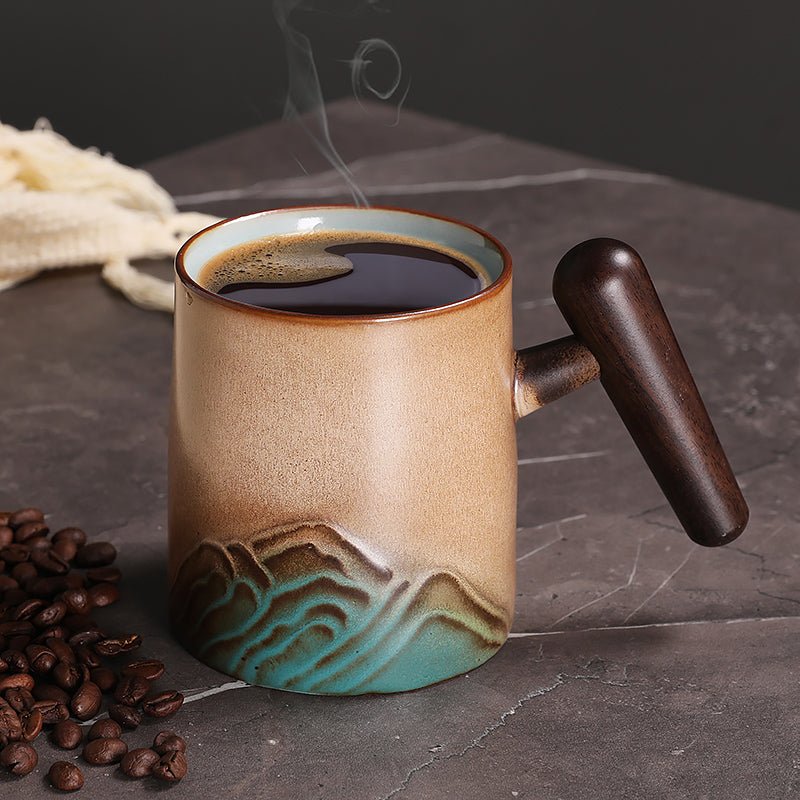
Mountain Mug Buying Guide: Sizes, Materials, and Gift Picks
A practical guide to choosing a mountain mug for everyday coffee, gifting, or desk use. We cover sizes, materials, care, and the trade-offs that matter before you buy.
Leer más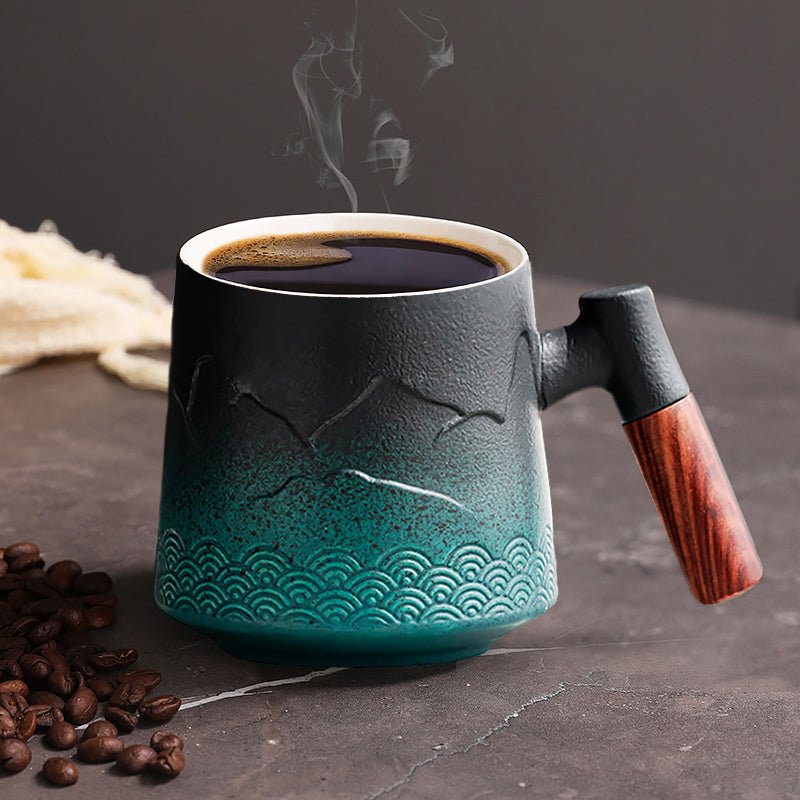
Wood Cups: What to Look for Before You Buy
Wood cups feel warm in the hand and look different on the counter, but the finish, size, and care instructions matter more than the grain pattern. We break down what to check before you buy so you ...
Leer más
Dejar un comentario
Este sitio está protegido por hCaptcha y se aplican la Política de privacidad de hCaptcha y los Términos del servicio.