
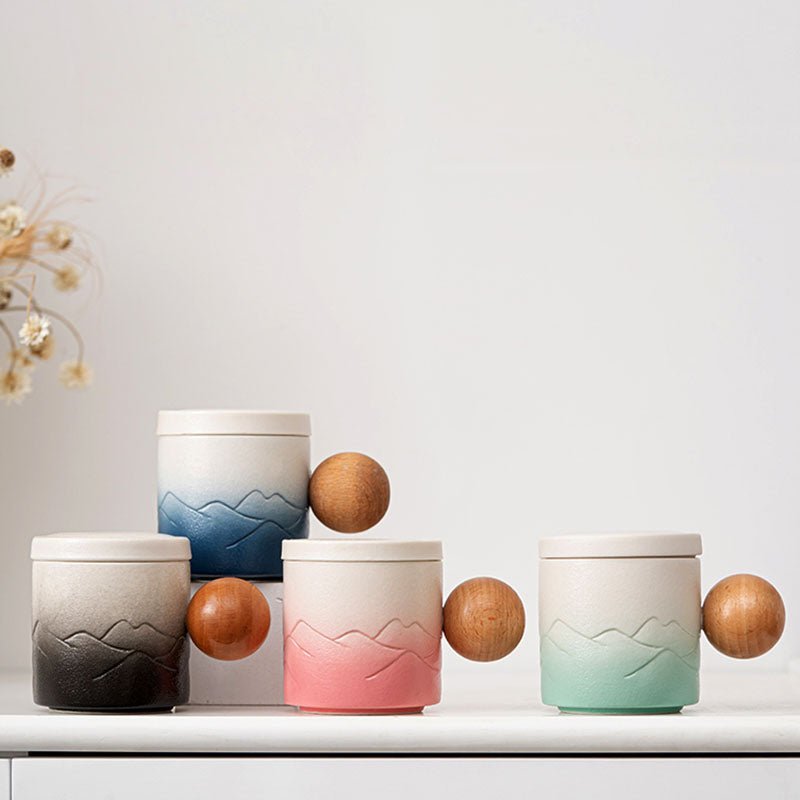
Small Coffee Mugs: What to Check Before You Buy
Reading time: about 9 minutes
A small mug makes sense the first time you try to sip a full, oversized cup before breakfast and realize the coffee has gone lukewarm before you finish it. In our experience, shoppers usually want small coffee mugs for one of three reasons: they drink short pours, they want a cleaner look on the counter, or they are replacing a bulky mug that never felt right in the hand.
At CoffeifyMug, we see this choice come down to fit more than style. A small mug can be the right tool for a morning espresso drink, an afternoon tea break, or a compact office desk. It is not the best pick for every routine, though, and that is exactly why it pays to compare the details before buying.
What counts as a small coffee mug?
There is no single industry rule, but small coffee mugs usually fall in the 6 to 10 ounce range. Some 12 ounce mugs still feel compact, especially if they have a narrow body or a short handle, but once you move into larger capacities the mug starts behaving more like an everyday all-purpose cup.
The number on the listing is only part of the story. A mug that measures 8 ounces on paper can still feel awkward if the handle opening is tight, the walls are thick, or the base is too wide for an espresso machine tray. We pay attention to those details because customers notice them the moment they pour the first drink.
If you want a focused size-by-size comparison, our guides on 8 ounce coffee mugs and 12 oz coffee mugs are a useful starting point. They show where each size starts to make more sense in a real kitchen.
Which drinks fit best in small mugs?
Small mugs shine when the drink is meant to be finished while it is still hot. That includes espresso drinks, short americanos, strong drip coffee servings, tea, matcha, and small portions of hot chocolate. They are also a good choice for people who prefer less milk dilution and a tighter ratio of coffee to cup space.
Here is where they work best in practice:
- Espresso drinks: A short cappuccino or flat white feels proportionate in a smaller vessel.
- Tea: A smaller mug helps keep the serving controlled and easier to handle.
- Office coffee: A compact mug is less likely to crowd a desk, keyboard, or notebook.
- Gifting: Small mugs are easier to pair with coffee beans, tea, or a gift box without feeling oversized.
Small mugs are not ideal if you like to nurse a drink for a long time, pour oversized lattes, or keep refilling without leaving your desk. If your normal routine is one large mug that lasts half the morning, a bigger size will probably serve you better. Our 16 oz coffee mugs guide is the better comparison point in that case.
What materials and finishes should you check?
For small coffee mugs, material matters because the mug is handled often and the footprint is small enough that flaws stand out quickly. The most common materials are ceramic, stoneware, and porcelain. Ceramic and stoneware usually feel heavier and more grounded in the hand, while porcelain tends to look a little finer and lighter. If you want a mug that feels sturdy on a kitchen shelf, stoneware is often the practical choice. If you want a cleaner, more refined look, porcelain often suits that better.
We also look closely at the finish. A smooth glazed interior is easier to clean and less likely to hold on to coffee stains. Matte finishes can look great, but they can show marks sooner if the glaze is more porous. Unfinished or rough foot rings can scratch tabletops, and a handle with a sharp edge can make a small mug unpleasant to use even if the size is right.
These are the defects and weak points we check for in our store handling process:
- Hairline cracks in the glaze: These can appear around the handle joins or near the base.
- Uneven foot rings: A mug may wobble on a flat counter if the base is not even.
- Rough lip finish: A poorly finished rim can make every sip feel off.
- Tight handle clearance: A small mug should still fit two to three fingers comfortably for most hands.
- Staining-prone interiors: Light-colored mugs show coffee and tea residue faster if the glaze is thin.
If you want a cute look without sacrificing usability, our article on adorable coffee mugs covers how style and function can work together without turning the mug into a display-only item.
How do you compare small mugs for everyday use?
The best way to compare small coffee mugs is to think about the place where they will live. A mug used on a crowded office desk has different needs than one pulled from a kitchen cabinet every morning. The handle shape, base width, and overall weight matter just as much as the listed capacity.
| What to check | Why it matters | Better for |
|---|---|---|
| Capacity | Sets how much coffee, tea, or milk it holds | Short pours, espresso drinks, tea |
| Handle size | Affects comfort and grip security | Daily use, office setups, shared kitchens |
| Base width | Determines whether it fits trays and shelves | Espresso machine stations, compact cabinets |
| Wall thickness | Changes how warm the mug feels and how fast it cools | People who drink quickly and want a solid feel |
| Glaze finish | Influences cleaning and stain visibility | Repeat coffee drinkers, tea drinkers, gift buyers |
A small mug is usually best when you want control and speed. It is not the right choice if you expect insulation, travel performance, or a long slow coffee that stays hot on its own. For that use case, a travel tumbler or a larger insulated mug makes more sense than a small ceramic cup.
In our experience, the most common mistake is buying by appearance alone. A mug can look perfect online and still fail if the handle is too tight, the lip is too thin, or the base does not sit flat.
Are small coffee mugs good for gifts and office desks?
Yes, if you are buying with the recipient’s routine in mind. Small mugs are easy to gift because they feel intentional without taking up much space. They also work well on desks where a larger mug would crowd a laptop, mouse pad, or notebook.
That said, a gift mug should not just be decorative. If the person drinks large drip coffee refills all morning, a small mug may end up unused. If they prefer espresso, tea, or a short black coffee, the smaller format is usually the smarter choice.
For office use, we recommend checking three things before you buy:
- Cabinet fit: Make sure the mug stack height works with the shelf space available.
- Cleaning routine: If it will go through frequent dishwasher cycles, choose a finish that can handle repeated washing.
- Grip comfort: A small mug should still be easy to lift with one hand, even when full.
If you are narrowing down options across the broader assortment, you can browse our products or compare everything in our collection. That is usually the fastest way to see which shape and capacity fits the use case you actually have.
What should you expect from care and daily maintenance?
The care side of a mug is easy to overlook until the first coffee ring appears. If a mug is labeled dishwasher safe, it should still be treated with some care in real life. Repeated cycles, harsh detergents, and constant clanging against other dishes can wear on printed details and thin rims over time.
For everyday maintenance, we suggest a simple habit: rinse the mug soon after use when possible, especially if you are drinking dark roast coffee or tea. That keeps the interior cleaner and reduces the chance of stain buildup. If the mug has decorative printing, metallic accents, or a delicate glaze, hand washing is usually the safer option even when the listing says it can go in the dishwasher.
Small mugs also dry faster and store more easily than larger ones, which is a real advantage in tight kitchens. The trade-off is obvious: they hold less, and they are not the right fit for people who want one oversized vessel to last half the morning.
Which small mug is the wrong choice for your routine?
Some shoppers only need to hear this part. A small mug is not the best choice if you:
- drink large milk-heavy lattes at home
- leave coffee sitting on a desk for a long time
- want one mug to cover both coffee and soup-sized portions
- need extra insulation for slow sipping
- prefer very large handles or a heavy, oversized feel
That does not make small mugs inferior. It just means they are a better tool for a specific kind of drinker. The right mug is the one that matches how you actually use it, not the one that looks biggest on the shelf.
Frequently asked questions
What size is considered a small coffee mug?
Most small coffee mugs are in the 6 to 10 ounce range. Some 12 ounce mugs can still feel compact depending on the shape, but once you get much larger than that, the mug usually starts serving a different purpose. If you are comparing sizes, our 8 oz and 12 oz guides are the best reference points.
Are small coffee mugs good for espresso drinks?
Yes, especially for short drinks like espresso, macchiato, and smaller cappuccino-style servings. A small mug keeps the portion visually balanced and helps the drink feel intentional instead of half-lost in a large cup. It is less suitable if you like oversized milk drinks.
Can small coffee mugs go in the dishwasher?
Many can, but the safest answer is to check the care notes on the specific mug. Even dishwasher-safe mugs can wear faster if they have printed graphics, metallic accents, or a thin glaze. If you want the finish to stay cleaner for longer, hand washing is the more cautious route.
What should I check before buying small coffee mugs online?
Check the capacity, handle size, base width, and material before you buy. Those details tell you more about daily comfort than the product photo does. If the listing includes interior depth or overall dimensions, use that too, especially if the mug needs to fit under a machine or in a cabinet.
Are small coffee mugs a good gift?
They are a good gift when the recipient drinks espresso, tea, or smaller servings and does not want a bulky cup. They are also easy to pair with coffee beans or tea because the gift feels complete without becoming oversized. If the person likes large refills, a bigger mug may be the safer choice.
If you want to compare options by size and use case, start with the mugs in our collection and match the shape to the way you actually drink coffee. That usually makes the choice faster than trying to judge by capacity alone.
More from our blog
Read more
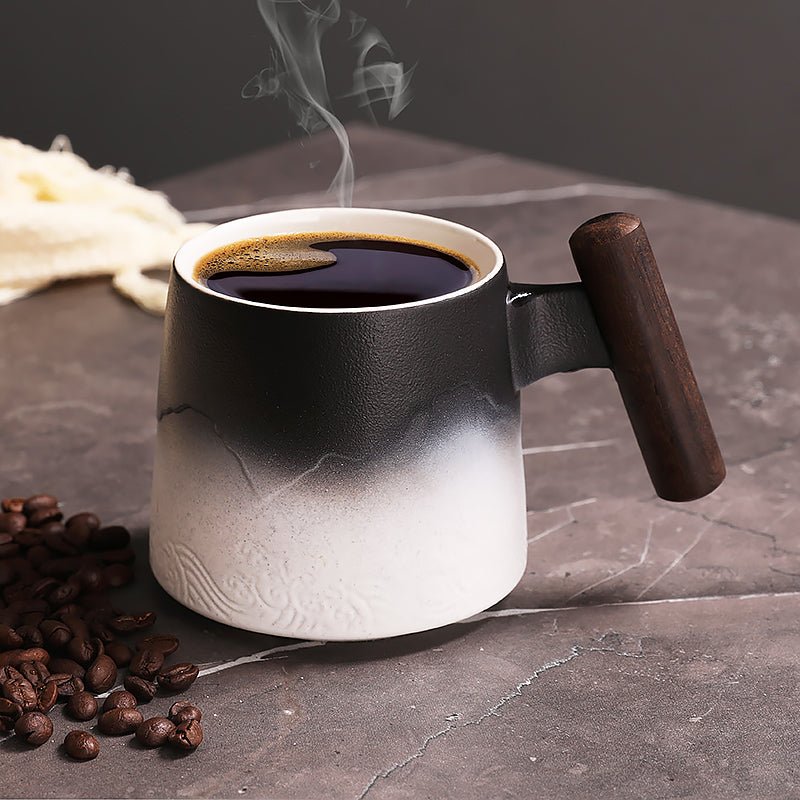
Coffee Mug Wall Hanging: What to Check Before You Buy
Coffee mug wall hanging works best with the right rack, mug size, and wall hardware. This guide shows what to check before you mount mugs in a kitchen or coffee nook.
Leer más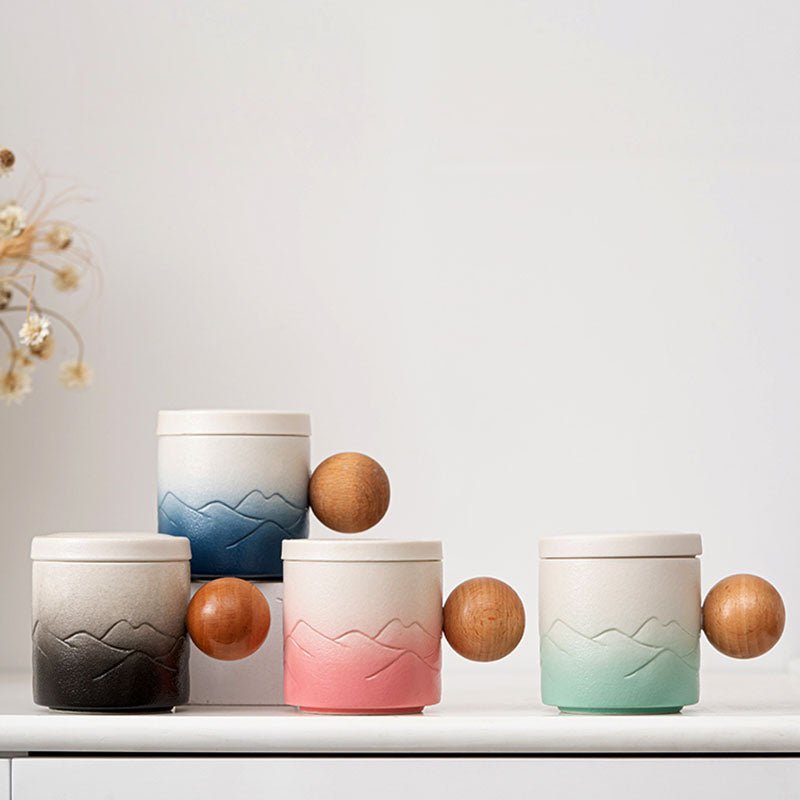
Small Coffee Mugs for Travel: How to Choose the Right One
Small coffee mugs travel best when the size matches your commute, your cup holder, and how you actually drink coffee. This guide breaks down what we look for in our store, where small mugs work, an...
Leer más
Dejar un comentario
Este sitio está protegido por hCaptcha y se aplican la Política de privacidad de hCaptcha y los Términos del servicio.