
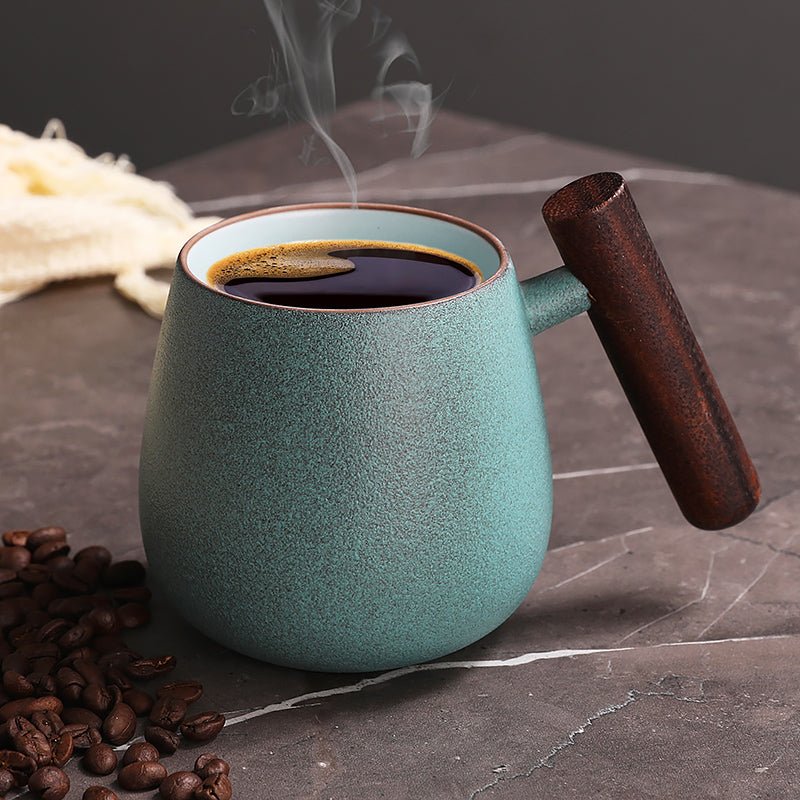
Size of Standard Coffee Mug: What Buyers Should Expect
Reading time: about 8 minutes
A mug labeled 12 ounces can still feel cramped once you pour in coffee and leave room for cream. That is why the size of standard coffee mug matters more than the number on the listing. In our store, we look at usable fill, handle comfort, and how the mug behaves on a kitchen counter or office desk, not just the capacity printed in the product details.
Shoppers usually want one of two things: a mug that feels easy for everyday coffee, or a size that does not force them to choose between spilling and drinking too hot. Those are different decisions. A true daily mug should fit the brew, leave some headspace, and still feel balanced when you carry it from the kitchen to the desk.
What does standard coffee mug size usually mean?
For everyday shopping, standard usually lands around 8 to 12 ounces. That range covers the mug most people reach for in the morning: enough for a regular pour of drip coffee, tea, or a short latte, but not so large that the drink takes forever to finish or crowds a small cabinet.
- 8 oz: compact and closer to a tea cup than a big coffee mug.
- 10 oz: a practical middle ground for black coffee and smaller pours.
- 12 oz: the size most buyers picture when they say everyday or standard.
The catch is that capacity is not the same as a comfortable pour. A mug filled to the brim is hard to carry and easy to spill, especially if you are walking across the kitchen or balancing it beside a laptop. For real use, most people leave a little space at the top.
How much coffee should a standard mug hold in real use?
We think in terms of usable ounces, not just label ounces. That is the difference between a mug that looks right and one that actually works before the first sip. A standard mug often performs best when filled to about three-quarters or a bit more, depending on the drink and whether you add milk.
| Mug size | Typical use | What it feels like | Trade-off |
|---|---|---|---|
| 8 oz | Short drip coffee, tea, smaller servings | Compact, easy to hold, quick to finish | Less room for milk or foam |
| 10 oz | Everyday coffee for a moderate pour | Balanced and easy to stash in a cabinet | Can feel small if you like a large morning mug |
| 12 oz | Most common standard choice for daily coffee | Comfortable middle ground | Still not ideal for oversized lattes or extra ice |
| 14 oz and up | Large coffee, milk-heavy drinks, longer sipping sessions | Roomy and substantial | Less like a standard mug and more like a large cup |
If you add milk, sugar, or flavored creamer, the usable capacity shrinks fast. That is why two mugs with the same printed size can feel different at the table. One may have a taller body and narrower opening; another may be wider and lower. The numbers are the same. The drinking experience is not.
Which shape feels bigger: tall, round, or wide?
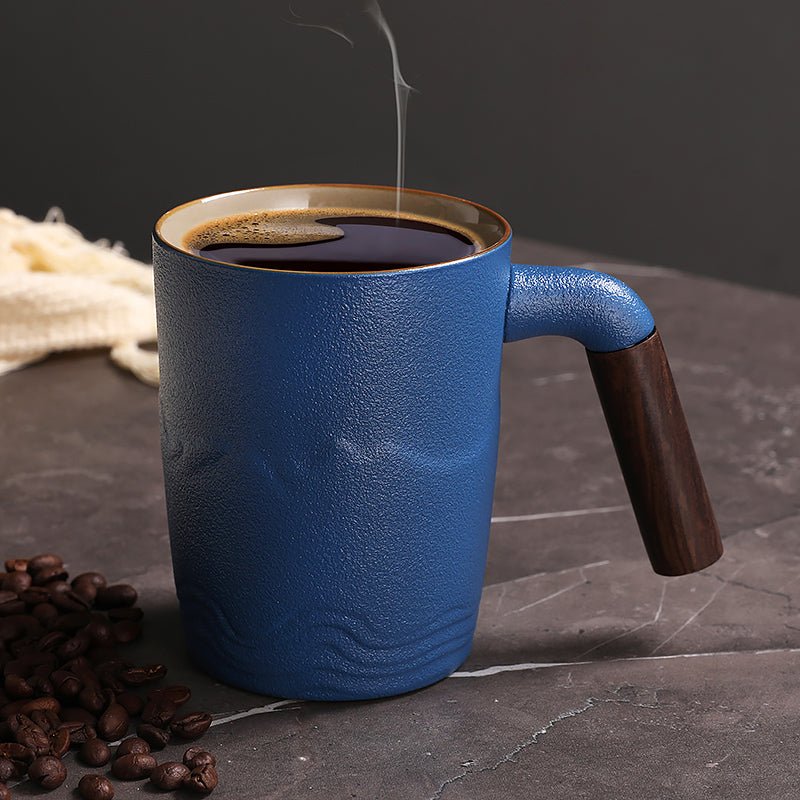
The same ounces can feel different in the hand. A taller mug often feels more upright and keeps the footprint smaller on a crowded counter. A rounder mug usually feels steadier and easier to cradle. Wide mugs expose more surface area, so they can cool faster, but they give you more room for milk, foam, or a generous pour.
If you want to compare shapes, our Landscape Tall Coffee Tea Mug is a good reference point for the taller profile, while the Round Coffee Tea Mug shows the classic everyday silhouette. For shoppers who want to compare the full range first, the collection makes it easier to look at the options side by side. We also carry the Elk and Moon Coffee Tea Mug for buyers who want a more decorative piece that still works in a daily routine.
In our experience, shape affects more than appearance. A taller mug usually takes a little less counter space and can feel better under a cabinet. A rounder mug tends to feel more stable in the hand, especially when it is full. If your coffee habit includes moving between rooms, the handle and weight distribution matter just as much as the ounce count.
Which mug size works best for drip coffee, lattes, and tea?
Different drinks make different demands on the cup. That is why one buyer can call 10 ounces perfect and another finds it too small. The right choice depends on what you pour most often.
- Drip coffee: 8 to 10 ounces works well if you like a straightforward cup without a lot of extra room.
- Lattes and cappuccinos: 10 to 12 ounces is usually the sweet spot if you want room for milk and foam without jumping to a large mug.
- Tea: 8 to 12 ounces feels comfortable for most daily tea drinkers, especially if you want the drink hot from start to finish.
- Milk-heavy drinks: 12 ounces and up gives more flexibility, but it starts to move beyond what most shoppers think of as standard.
There is also a trade-off that gets missed in a lot of product copy: bigger is not always better for heat retention in a practical sense. A very large mug can keep you sipping for a long time, but it can also make a single serving feel spread out and lose the quick, satisfying feel of a regular coffee break.
What should you check before buying a mug online?
We inspect mugs with the same questions customers ask when the box is opened at the kitchen table. The size has to work, but the details matter too.
- Handle clearance: Your fingers should fit without scraping the mug body. A handle that is too tight feels awkward from the first use.
- Rim finish: A smooth drinking rim matters more than most buyers expect. A rough edge can make a mug feel cheap even if the shape is right.
- Foot ring: Check that the base sits flat. A mug that rocks on a counter is annoying, and a rough foot can scratch a desk or coaster.
- Glaze quality: Small pinholes or tiny glaze skips are usually cosmetic, but a web of fine cracks, called crazing, can be a sign of stress over time.
- Care instructions: If you plan to wash it often, confirm the maker’s guidance. Daily dishwasher cycles can be fine for many ceramic mugs, but decorated surfaces and metallic accents need more caution.
We also think about common failure points that show up after repeated use. Handles can develop stress at the joint if they are thin or badly attached. Dark stains can settle into micro-texture on a rough glaze. A mug with a thinner wall may feel lighter, but it can also be less forgiving if it gets knocked against the sink.
Those are not reasons to avoid standard mugs. They are reasons to choose carefully.
Is a standard mug always the right choice?
No. A standard mug is the best fit for a lot of people, but not all of them. If you want a large latte, a big desk drink that lasts through the whole morning, or a mug for soup, a standard size may feel too limited. If you love a compact cup that heats quickly and fits neatly under a coffee maker or on a small shelf, a larger mug can be the wrong direction.
The trade-off is simple:
- Choose standard if you want a daily mug that is easy to store, easy to wash, and familiar to hold.
- Choose larger if you want room for milk, whipped foam, or a longer drinking session.
- Choose smaller if you prefer strong coffee in a short pour or want something that feels closer to a tea cup.
If you are still deciding between sizes, our related guides Standard Coffee Mug Size: How to Choose the Right Everyday Mug and Coffee Mug Ounces: How to Pick the Right Size for Daily Coffee cover the decision from two angles: daily use and ounce-based comparison.
For shoppers who care about fit as much as capacity, we keep coming back to the same three questions: does it hold the drink you actually make, does the handle feel natural, and does the shape suit the space where you will use it? That is the practical test we use in our store.
Frequently asked questions
How many ounces is a standard coffee mug?
A standard coffee mug is usually around 8 to 12 ounces. In everyday shopping, 10 to 12 ounces is the range most buyers mean when they say standard, while 8 ounces feels closer to a smaller tea-style cup.
Is a 12 oz mug standard for coffee?
Yes, 12 ounces is one of the most common standard sizes for coffee mugs. It gives enough room for a normal pour and a little milk without feeling oversized, which is why many buyers use it as their default everyday mug.
What size mug is best if I add milk or creamer?
For coffee with milk or creamer, 10 to 12 ounces is usually the safest starting point. If you like a lot of milk or foam, a 14-ounce mug gives more room, but it no longer feels like a compact standard mug.
Are tall mugs better than round mugs?
Neither is better in every case. Tall mugs save counter space and can feel more compact, while round mugs usually feel steadier and easier to hold. The better choice depends on how you carry it, where you store it, and whether you prefer a smaller footprint or a fuller hand feel.
Can a standard coffee mug go in the dishwasher?
Often yes, but check the care instructions for the specific mug. Many ceramic mugs handle normal dishwasher use well, yet decorated finishes, metallic details, or lower-quality glazes can wear faster with repeated high-heat cycles.
If you want the most practical next step, compare a tall shape against a round one, then decide whether 10 to 12 ounces is enough for your daily pour. From there, browse the full collection and choose the mug that matches your drink, your cabinet space, and the way you actually use it at home or at work.
More from our blog
Read more
Coffee Mug Double Wall: How to Choose the Right One
A practical guide to choosing a coffee mug double wall for heat retention, desk comfort, and easier care, with real trade-offs and product picks from our store.
Leer más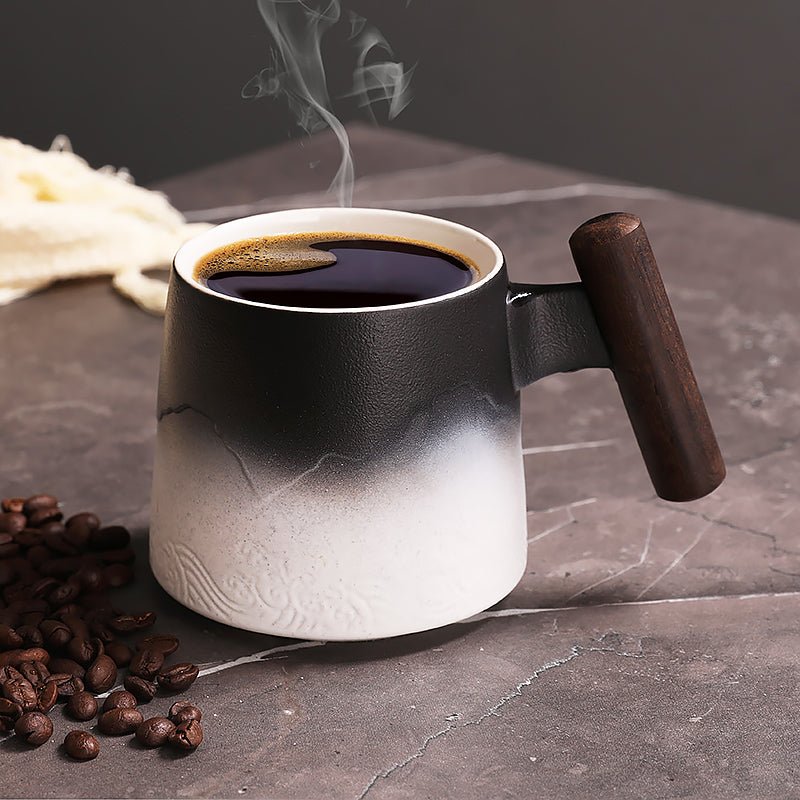
Automotive Coffee Mugs: How to Choose the Right One to Buy
Automotive coffee mugs work best when the shape, handle, and finish fit real daily use, not just a car-themed design. Here’s how we help shoppers compare options for home, office, and gifting.
Leer más
Dejar un comentario
Este sitio está protegido por hCaptcha y se aplican la Política de privacidad de hCaptcha y los Términos del servicio.