
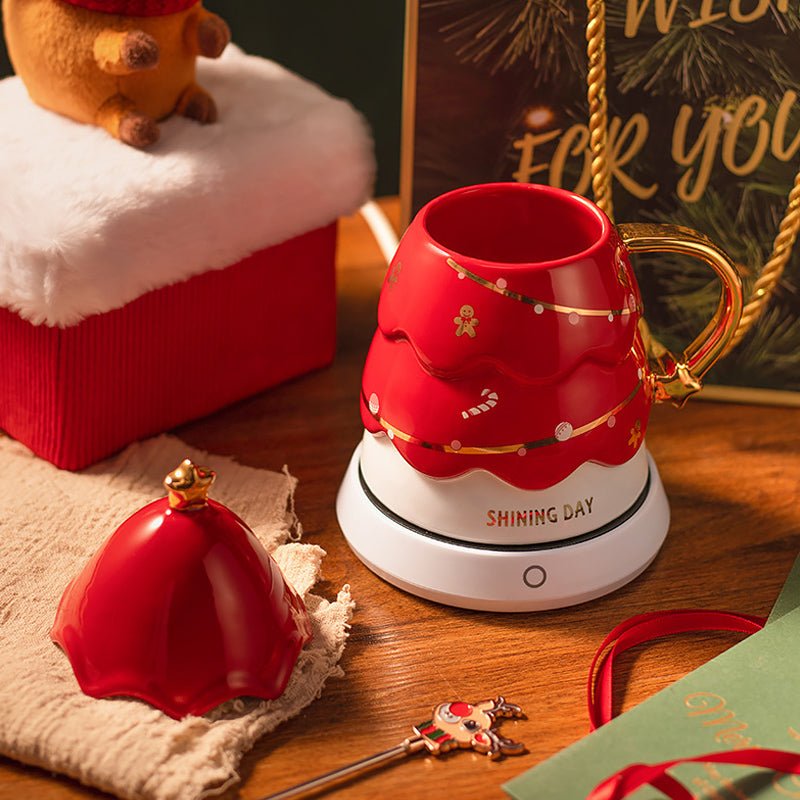
Santa Claus Coffee Mugs: How to Choose One That Gets Used
Reading time: about 9 minutes
A Santa mug that looks charming in a listing photo can still be annoying on a kitchen counter. We see it every season: the handle is a little tight, the base wobbles, or the print starts to feel more decorative than usable after the first wash.
That is why we treat santa claus coffee mugs like a real drinkware decision, not just seasonal decor. If you want to compare mug shapes before narrowing down a Santa design, our Mountain Sea Coffee Tea Mug, Spittoon Coffee Tea Mug, and Planet Coffee Tea Mug show three different silhouettes we stock. For a broader browse, start with our all mugs collection.
What should a Santa mug do besides look festive?
The best Santa mug earns its place after December. It should feel balanced in the hand, fit the drink you actually make, and survive regular use without losing the print or becoming a shelf-only piece. In our store, the mugs that get chosen twice are usually the ones that work for weekday coffee, weekend cocoa, and a quick desk refill without feeling awkward.
We also pay attention to the unglamorous details. A mug can look good online and still fail because the rim feels too sharp, the handle opening is too small for two fingers, or the glaze has tiny rough spots around the base. Those are the things shoppers notice once the gift is opened and the coffee is poured.
- Use first, decor second: a mug that can sit on a kitchen shelf and still get used on Monday morning is the right kind of festive.
- Clear print: Santa art should read cleanly from a normal table distance, not only in a close-up photo.
- Stable base: if the bottom rocks on a counter, it becomes annoying fast.
- Comfortable handle: a good holiday mug still needs enough clearance for a relaxed grip, especially with hot drinks.
If you want a more detailed pre-purchase checklist, our Santa Claus Coffee Mugs: What to Check Before You Buy covers the practical things we look for before we recommend a seasonal mug to a customer.
Which size and material fit real daily use?
For everyday coffee, size matters more than most holiday buyers expect. A smaller mug can be great for espresso drinks or a shorter cup of drip coffee, while a larger mug makes more sense for tea, cocoa, or anyone who likes room for milk. Our own rule is simple: buy the mug for the drink you actually make, not the one you imagine on a postcard.
Most Santa mugs in the market are ceramic or stoneware. Ceramic usually gives a smooth finish and crisp printed art, while stoneware tends to feel a little denser and heavier in the hand. Neither is automatically better. If you want something light and easy to lift, ceramic often feels more approachable. If you prefer a mug with more heft on the desk, stoneware can be the better fit.
| Use case | What usually fits best | What to check |
|---|---|---|
| Morning drip coffee | Smaller to mid-size mug | Comfortable handle and a rim that does not feel too thick |
| Hot cocoa or tea | Mid-size to larger mug | Enough room for foam, milk, or a teabag without spilling |
| Desk use | Stable, balanced mug | Base sits flat and the handle is easy to grab between calls |
If you are choosing primarily by capacity, our guide to 12 oz Coffee Mugs: How to Choose the Right Mug for Daily Use is a useful companion. It explains why a 12-ounce mug can feel perfect for one person and too small for another. For shoppers who drink larger pours, the shape and fit advice in our 14 Ounce Coffee Mugs for Daily Coffee, Tea, and Desk Use article is worth a look too.
There is also a trade-off to keep in mind. Bigger Santa mugs are better for cocoa bars and slow mornings, but they can feel bulky in a crowded office drawer or under a low cabinet. Smaller mugs are easier to store and quicker to wash, but they may not satisfy someone who drinks a full cup of coffee at a time.
What should you check in the finish, handle, and print?
This is where a lot of novelty mugs separate from the ones people actually keep. We look at the join where the handle meets the body, the smoothness of the glaze near the rim, and how the design sits on the mug. The common defect modes are boring but real: hairline cracks around the handle, uneven printing, rough glaze at the foot, and tiny pinholes that you only notice once the mug is in your hand.
A strong Santa mug should not rely on one oversized graphic alone. Good placement matters. If the artwork is too close to the rim, it can feel cramped. If the image wraps awkwardly around the seam, the design can look off from every angle except the photo that sold it. We also prefer a handle that gives enough room for gloved hands or people with larger fingers, because that is exactly the kind of thing shoppers notice after the mug is unboxed.
- Rim finish: run your eye along the lip for chips, roughness, or uneven glaze.
- Handle join: check for visible stress points where the handle attaches to the cup.
- Base: a flat foot is better than a mug that teeters when you set it down.
- Artwork: the print should look centered and deliberate, not stretched or blurry.
- Interior surface: the inside should be easy to rinse so coffee oils do not cling.
If you want a broader framing on how we compare seasonal drinkware against everyday use, our Santa Coffee Mugs: How to Choose a Mug That Actually Gets Used article goes deeper on the same issue: choose the mug that will still make sense after the decorations come down.
Which Santa mug works best for gifts, desks, and display?
The right choice changes with the setting. A gift mug needs broad appeal, a desk mug needs stability and easy cleanup, and a display piece can lean more decorative. We tell shoppers to imagine the first three places the mug will live: in a gift bag, on a counter, or under an office coffee machine.
For gifting, clean artwork and a comfortable size matter most. The person opening it may not love oversized novelty handles or a design that only works with a matching set. For desk use, a mug with a stable base and a handle that is easy to reach quickly is usually the safer pick. For display, a bolder Santa face or seasonal color palette can work well, but that same mug might be less practical for everyday coffee.
If you are buying for a coworker or relative who drinks from the same mug all season, choose something that looks festive without becoming fragile. Raised ornaments, metallic accents, and complicated shapes can be charming, but they are not always the best match for dishwashers, tight shelving, or a daily office routine. That is the trade-off: more decorative often means less forgiving.
Our experience is that the most useful holiday mug is the one you can hand to someone without explaining how to wash it or where to store it.
When shoppers want more than one angle, we point them to the all-category browse first and then to the specific Santa buying checklist. That sequence usually prevents impulse buys that look good on paper but do not fit the actual use case.
How should you care for it so it lasts beyond December?
Care depends on the finish, but a few habits go a long way. If the mug has printed decoration, let it cool before washing so you do not shock the glaze with a sudden temperature change. If the product page says it is dishwasher safe, the top rack is usually the safer place than the bottom rack, where heat and spray are harsher. If the mug has metallic details, hand washing is the safer choice because dishwashers can be rough on those finishes.
We also tell customers to avoid stacking mugs with delicate prints directly on top of one another unless there is enough cushion between them. A tiny chip from storage is a common reason a good mug gets retired early. The same goes for rough scrub pads. They can dull glossy prints and make the mug look older than it is.
- Wash after use so coffee stains do not settle into the glaze.
- Do not pour boiling water into a cold mug and then rinse it with cold water right away.
- Store with enough space around the rim so the art is not scratched by other cups.
- Use a soft sponge for decorated surfaces unless the maker specifically allows stronger cleaning.
For sizing and use-case guidance after the holidays, our 16 Ounce Coffee Mugs for Daily Use: Size, Fit, and Shape Guide is a good next read if you know you want a larger cup style year-round.
The short version: Santa mugs are not a great fit for someone who wants zero-fuss drinkware with no care instructions. If that is the priority, a plain mug with a straightforward glaze and simple shape will usually be a better buy.
Frequently asked questions
Are Santa Claus coffee mugs dishwasher safe?
Some are, but not all. The safest answer is to follow the care instructions on the product page, especially if the mug has metallic accents, hand-painted details, or an unusual finish. If you want the lowest-maintenance option, choose a plain ceramic mug with a simple printed design and clear wash guidance.
What size Santa mug is best for coffee?
For most people, a mid-size mug is the easiest daily choice because it balances comfort, capacity, and storage. Smaller mugs work well for shorter coffee pours, while larger mugs suit tea, cocoa, or anyone who likes extra room for milk. If you are unsure, our 12-ounce buying guide is the safest place to start.
Do Santa mugs make good office gifts?
Yes, if the design is tasteful and the mug is easy to use. A stable base, comfortable handle, and durable finish matter more in an office than an oversized novelty shape. We usually recommend avoiding mugs that are too tall, too wide, or overly decorative for shared break-room use.
How do I keep a printed Santa design from fading?
Use gentle washing, avoid abrasive scrub pads, and do not expose the mug to sudden temperature swings. If the design includes metallic ink or raised decoration, hand washing is the safest route. A well-made print should hold up far better than a thin novelty graphic, but care still matters.
What should I avoid if I want a Santa mug that gets used daily?
Avoid mugs with awkward handles, wobbly bases, or highly fragile decorative details. Also skip designs that only work as display pieces if your goal is a daily coffee mug. If the mug feels good empty and still feels balanced with a full pour, that is usually a good sign.
If you want the easiest next step, start with our all mugs collection, then compare size and care against the advice in Santa Claus Coffee Mugs: What to Check Before You Buy before you choose your final mug.
Read more
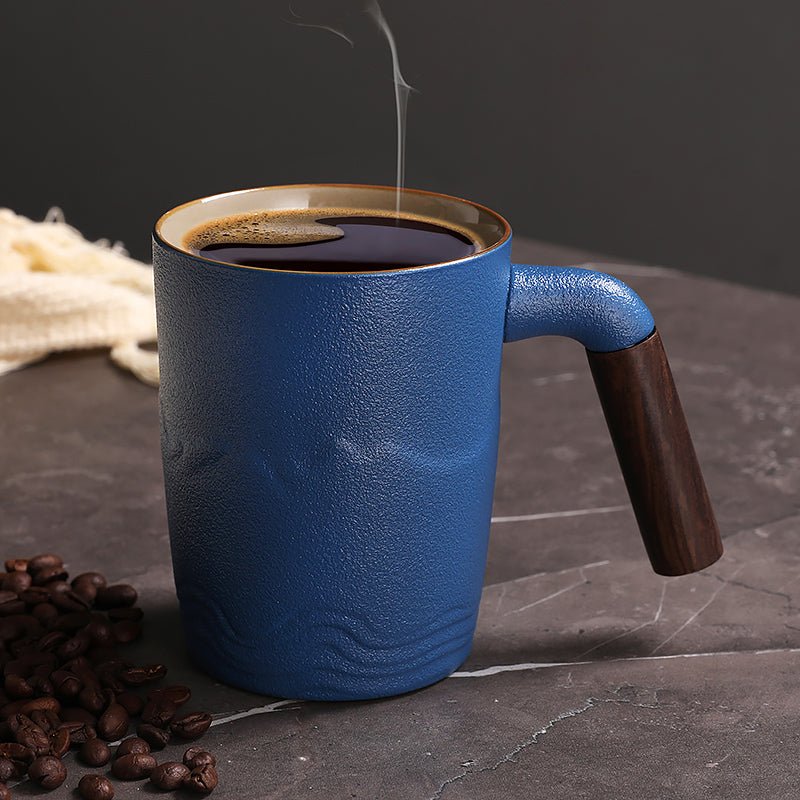
Pink Coffee Mugs: How to Choose the Right Finish and Size
Pink coffee mugs are not all the same once you compare finish, size, and handle feel. We break down what works for daily use, what is better for gifting, and what to check before you buy.
Leer más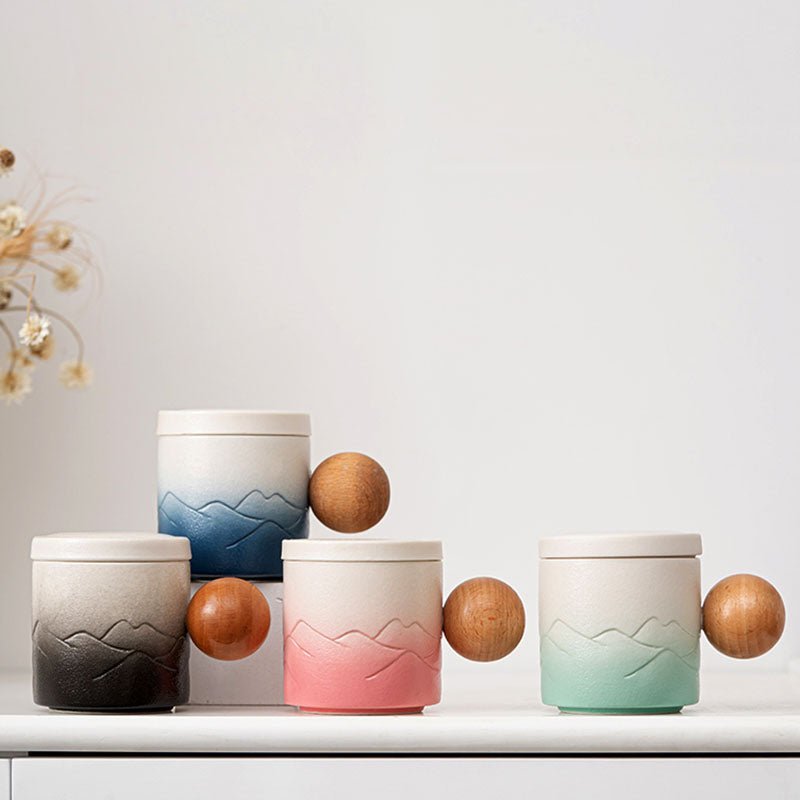
Linus Coffee Mug Buying Guide: Fit, Use, and Gift Worthiness
A practical guide to choosing a Linus coffee mug without guessing on size, comfort, or daily use. We cover fit, care, common trade-offs, and which mug style makes sense for real kitchens and desks.
Leer más
Dejar un comentario
Este sitio está protegido por hCaptcha y se aplican la Política de privacidad de hCaptcha y los Términos del servicio.