
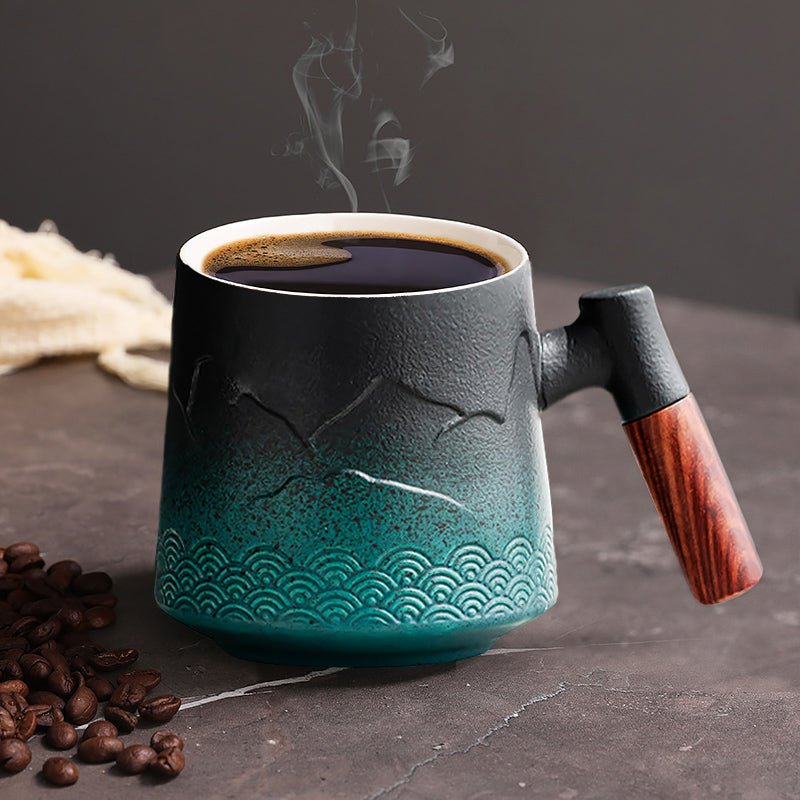
Retired Coffee Mug Buying Guide: What to Check Before You Buy
Reading time: about 10 minutes
A retired coffee mug usually gets attention for one reason: it looks a little different from the standard mug sitting in the cabinet. Maybe the shape is softer, the finish is more unusual, or the handle has a wood accent that makes it feel like a better everyday cup than the plain office mug that chips at the rim and lives too close to the sink.
We handle mugs for real use, not just shelf photos, so our first question is always simple: does it feel good in the hand, hold a normal serving of coffee or tea, and survive routine washing without becoming fussy? That is the standard we use in our store, and it is the right standard for a retired coffee mug too.
If you are comparing options, this guide will help you separate style from practicality. And if you want to browse while you read, start with our full mug collection and keep an eye out for shapes that match how you actually drink coffee at home or at work.
What is a retired coffee mug, really?
In buyer terms, a retired coffee mug is a mug style that feels discontinued, limited, older, or simply less common than the standard white ceramic cup. Sometimes it is a design that has been phased out. Sometimes it is a shape that feels old-school or collected rather than mass-market. For shoppers, that usually means one of two things: you want something more distinctive, or you want a backup mug that still feels nicer than a random promotional cup.
That category can be tricky because the word “retired” does not tell you much about fit. A mug can look great and still be awkward if the body is too narrow, the handle pinches your fingers, or the rim is too thick for comfortable sipping. We see that most often with mugs bought as gifts: the unboxing is good, but the recipient ends up using a different cup every morning because the retired mug is pretty and slightly inconvenient.
So the real question is not just whether the mug looks retired or collectible. It is whether it works on a kitchen counter at 7 a.m., on an office desk during a long meeting, or next to a coffee machine that gets used every day.
What should you check before buying one?
We look at the same practical details every time, because those details decide whether a mug stays in rotation or gets pushed to the back of the cupboard.
- Capacity: Check the actual ounce size, not just the photos. If you usually drink drip coffee, tea, or a smaller pour, a 10–12 oz mug often feels more manageable than an oversized cup.
- Handle shape: A wood-handled mug can be comfortable, but the handle opening still needs to fit your fingers without forcing a cramped grip.
- Wall thickness: Thicker ceramic usually holds heat longer, but it can also make the mug feel heavier in daily use.
- Rim comfort: A smooth, even rim matters more than many shoppers expect. A slightly uneven lip is one of the fastest ways to make a mug feel cheap.
- Care routine: If you want low-maintenance use, check whether the mug fits your dishwasher habits. Hand-wash-friendly pieces can be perfectly fine, but they are not ideal for someone who wants zero extra steps.
For shoppers comparing compact sizes, our size-focused guides can help you judge fit before you buy. If you are deciding between smaller everyday cups, read 10 oz Coffee Mug: Size, Fit, and What to Check Before You Buy or 11 oz Coffee Mug: Size, Fit, and What to Check Before You Buy for a more exact comparison.
Which retired-style mugs make the most sense for daily use?
Not every distinctive mug is a good everyday mug. In our experience, the best retired-style choices are the ones that keep a practical silhouette while adding one detail that makes them feel special. A wooden handle, an unusual glaze, or a slightly sculpted body can give you personality without turning the cup into a display-only item.
Three products in our store show that balance well:
- Mountain Sea II Coffee Tea Mug with Wooden Handle — a strong option if you want a more tactile grip and a mug that feels different from standard ceramic.
- The Cloud Coffee Tea Mug Wooden Handle — a softer-looking choice for buyers who like a lighter visual style but still want a practical everyday mug.
- The Rock Coffee Tea Mug — best if you want a more grounded, solid feel and do not need the extra visual detail of a wood handle.
The trade-off is straightforward. Wooden-handle mugs bring character and a better visual story, but they are not the right pick for someone who wants the simplest possible wash-and-stack routine. A plain ceramic mug is often easier to live with if you are loading the dishwasher daily or handing the mug around an office kitchen.
If you are shopping a little wider, the article 12 Ounce Coffee Mug Buying Guide for Daily Use and Better Fit is useful when you want a mug that feels generous without becoming bulky.
How do materials and construction change the experience?
Material is where many mug purchases go wrong. A mug can have the right size and still disappoint if the construction does not match the way you use it.
| Feature | What it affects | Buyer trade-off |
|---|---|---|
| Ceramic body | Heat retention, feel, weight | Usually comfortable and familiar, but heavier than thin travel cups |
| Wooden handle | Grip, visual style, comfort | Distinctive and easy to hold, but not as simple as all-ceramic care |
| Thicker walls | Heat holding and sturdiness | Can feel durable, though some shoppers prefer a lighter cup |
| Smooth glaze | Cleaning and appearance | Looks clean and is easier to rinse, but chips can show clearly if handled roughly |
We also pay attention to the common failure points that show up over time. The first is rim wear, which appears after repeated stacking or rough washing. The second is handle stress, especially on mugs that get yanked from a crowded drying rack. The third is finish inconsistency, where a mug looks good in photos but has a slightly uneven glaze or texture in person. Those are not cosmetic nitpicks; they are the details that decide whether a mug becomes a favorite.
If you are buying for a desk setup or a gift box, a mug with a distinctive handle or finish can feel more thoughtful than a standard cylinder. If you are buying for a shared kitchen, simplicity matters more because the mug will be used by different people with different preferences.
What does a retired coffee mug do well, and where does it fall short?
A retired coffee mug is a strong fit for shoppers who want something with a little personality. It works well as a gift, a desk mug, a secondary coffee cup, or a replacement for a plain mug that has done its job for years. It can also be a better visual match for homes that lean toward natural materials, softer colors, or a less commercial look.
But there are limits. A retired coffee mug is not the best choice if you want:
- the lightest possible cup for frequent refills,
- a mug that stacks tightly with every other mug in the cabinet,
- the simplest care routine with minimal special handling,
- or a shape built for very large pours.
That trade-off matters. Some buyers fall for the style and only later realize the mug feels slightly too wide for their hand or takes more drying space than they expected. That is why we suggest checking measurements and handle fit before you buy, especially if you already know you are picky about lip comfort or grip.
How should you match the mug to your coffee routine?
The best mug depends on how you actually drink coffee, not just how you want it to look on the shelf.
- For slow mornings at home: choose a mug that feels solid, comfortable, and easy to hold with one hand while you read or answer messages.
- For office use: prioritize a mug that is easy to set down on a desk, does not overpower a keyboard area, and can handle repeat washing.
- For gifting: pick a style with a clear design story. A mug with wood accents or a distinct silhouette usually lands better than an ordinary cup.
- For tea drinkers: pay extra attention to rim shape and heat retention. A mug that is too thick or too open may cool faster than expected.
That is why we keep recommending practical comparisons instead of chasing the most unusual shape. A mug should make your routine easier, not just look nice in the product photo.
If you want to compare a smaller cup against a slightly roomier one, our article 10oz Coffee Mug Buying Guide: Fit, Materials, and Best Uses is a good companion read before you choose your size.
How do you avoid buying the wrong one?
We use a short checklist in our store because it catches most regrets before checkout. It is simple, but it works.
- Confirm the mug size in ounces and picture it beside the amount you usually pour.
- Check the handle opening if you have larger fingers or prefer a looser grip.
- Think about where the mug will live: cabinet, office desk, gift shelf, or daily sink rotation.
- Decide whether you want a fully practical mug or one that is a little more decorative.
- Choose the care level you will actually follow, not the one you wish you would follow.
In our experience, most bad mug purchases happen because the shopper focuses on the theme and ignores the hand feel. A retired coffee mug can be a great buy, but only if it still behaves like a good mug after the first week of use.
Frequently asked questions
Is a retired coffee mug good for daily use?
Yes, if the size, handle, and finish fit your routine. A retired coffee mug is often best for daily use when it still has a comfortable grip and a practical shape, not just a collectible look. If the mug is heavy, awkward to clean, or too wide for your cabinet space, it may be better as a display or occasional-use cup.
What size retired coffee mug should I buy for coffee or tea?
Most everyday drinkers do well with a mug in the 10 to 12 oz range. That size usually works for drip coffee, tea, and smaller pours without feeling oversized on a desk or in the hand. If you like larger servings, check the dimensions carefully so the mug does not become bulky.
Are wooden-handle mugs harder to care for?
They can be slightly more specific to care for than all-ceramic mugs. We recommend checking how you wash and dry them, especially if you rely on the dishwasher every day. A wooden handle adds character and grip, but it is not the best choice for buyers who want the absolute easiest cleanup.
What should I look for if I want a mug as a gift?
Look for a shape that feels thoughtful but still practical. A retired coffee mug with a distinct finish or wooden handle usually feels more personal than a plain cup, and it is easier to gift if it suits a home kitchen, office desk, or tea routine. Avoid overly unusual shapes unless you know the recipient likes novelty pieces.
How do I know if a mug is better for collection or everyday use?
Ask whether the mug still works as a comfortable drinking vessel after the first impression. If it feels balanced, washes easily, and fits your hand, it can handle daily use. If the main appeal is the look and the shape feels delicate or awkward, it is probably better as a display piece.
If you are ready to compare styles side by side, start with our full collection and narrow by the mug shape that matches your daily pour, then open the product pages for Mountain Sea II, The Cloud, and The Rock to compare feel, style, and routine fit before you choose.
Read more
Portmeirion Coffee Mugs: What to Buy, What to Avoid, and Best Fits
A practical guide to portmeirion coffee mugs for shoppers comparing styles, sizes, and everyday use. We break down what matters in hand feel, care, and fit so you can choose the right mug with less...
Leer más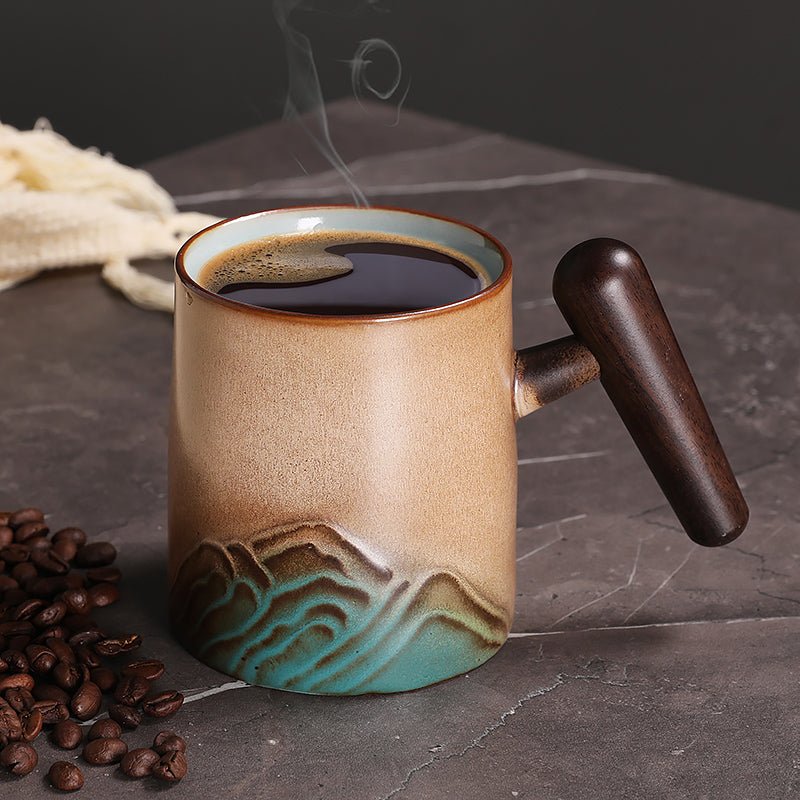
Shark in Coffee Mug: What Buyers Should Check Before Ordering
A shark in coffee mug design should do more than look fun on a screen. Here’s how we judge fit, daily use, and which CoffeifyMug options make sense if you want a mug that actually works at the desk...
Leer más
Dejar un comentario
Este sitio está protegido por hCaptcha y se aplican la Política de privacidad de hCaptcha y los Términos del servicio.