
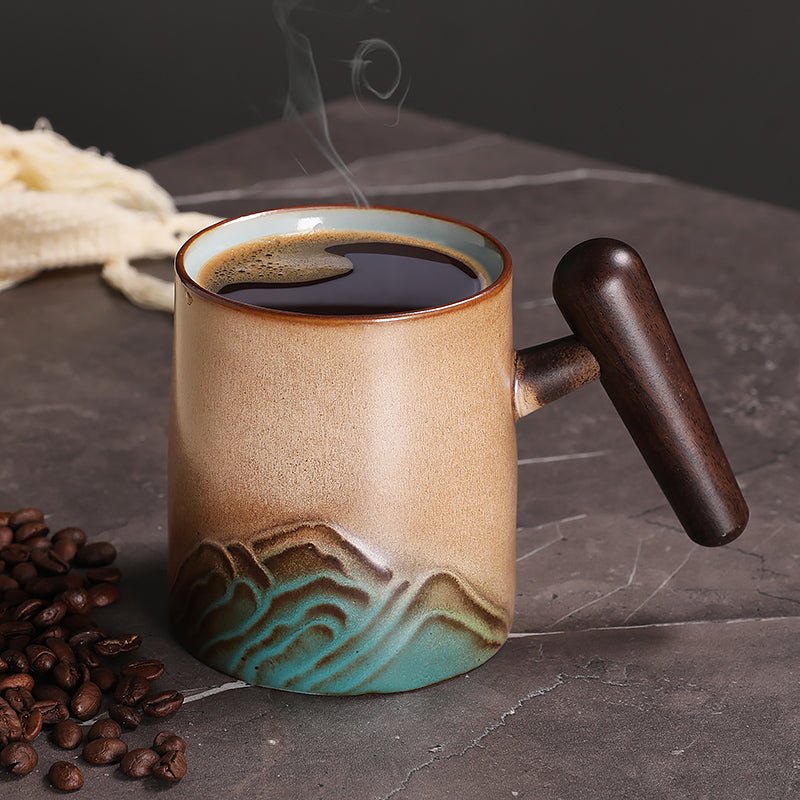
Regular Coffee Mug Size: What Buyers Should Expect Before Ordering
Reading time: about 8 minutes
What does a regular coffee mug size usually mean?
A regular coffee mug size usually sits somewhere between 8 oz and 12 oz, and that range covers most everyday coffee drinkers. In our store, we treat that as the practical middle ground: large enough for a normal pour of drip coffee, but not so oversized that the drink cools too slowly or feels clumsy on a desk.
The catch is that "regular" is not a fixed standard. Some buyers think of a compact 8 oz cup as regular because it matches a breakfast pour. Others want 11 or 12 oz because they add milk, like a little room at the top, or simply prefer fewer refills. That is why the exact capacity matters more than the label on the listing.
If you want a quick benchmark before choosing, our related guides Average Coffee Mug Size: What Buyers Should Expect and Coffee Mug Size Guide: How to Choose the Right Fit Before Buying both help frame the numbers against real daily use.
How many ounces should a daily-use mug hold?
For most buyers, a daily-use mug lands best at 10 to 12 oz. That size handles a standard mug of drip coffee with some space left for cream, milk, or a little foam. It also tends to feel balanced in the hand, which matters more than people expect when the mug is full and warm.
Here is the practical breakdown we use when helping shoppers compare options:
- 8 oz: best for smaller servings, espresso-based drinks, or buyers who like a compact cup.
- 10 oz: a strong middle option for black coffee, tea, and mixed drinks with milk.
- 12 oz: better if you pour generous servings or want room for add-ins without spilling near the rim.
- 14 oz and up: better for a larger beverage habit, but not always ideal for a regular mug if storage space is tight.
A regular coffee mug size is not just about volume. Rim width affects heat loss, handle size affects grip, and the base affects stability. A wide mug can feel generous, but if the handle is cramped or the foot ring is too narrow, it becomes annoying on a crowded kitchen counter or office desk.
What should you check before buying a mug online?
We always tell shoppers to look past the headline ounce number and check the build details. That is where the real difference shows up after the first week of use.
| What to check | Why it matters | What can go wrong |
|---|---|---|
| Capacity in ounces or milliliters | Tells you how much coffee it actually holds | A mug can look standard but run smaller than expected |
| Rim thickness | Affects drinking comfort and perceived quality | Very thin rims can feel fragile; very thick rims can feel bulky |
| Handle clearance | Decides whether two or three fingers fit comfortably | A tight handle makes the mug awkward when full |
| Base and foot ring | Helps the mug sit flat and stable | A slight wobble becomes obvious on smooth counters |
| Finish and glaze | Influences cleaning and stain resistance | Pinholes, rough spots, or uneven glaze can show up with use |
Those details matter whether you are buying for a home kitchen, an office break room, or a gift. A mug can be the right size on paper and still feel wrong in the hand. We see that most often when the handle is too small, the body is too tall for a standard mug tree, or the cup is wider than the buyer expected from the photos.
If you want a more specific comparison of size choices before you commit, our post Coffee Mug Ounces: How to Pick the Right Size for Daily Use goes deeper into everyday serving habits.
Which mug style fits a regular coffee mug size best?
The best style depends on how you actually use it. Some people want a classic straight-sided mug. Others want a more sculpted cup that feels lighter, smaller, or more giftable. We stock styles that suit different preferences, and each one changes the experience a bit even when the capacity is similar.
For a more traditional feel, the Retro Coffee Tea Cup is a good example of a mug profile that works well for a standard serving. If you want a more tactile handle and a different hand feel, the Ball Handled Coffee Tea Mug is worth a look. For buyers who prefer a more decorative silhouette, the Pleated Coffee Tea Cup gives a distinct shape without moving too far from a regular everyday size.
Different styles solve different problems:
- Traditional mug shape: best for stacking, simple storage, and predictable use.
- Ball handle design: can feel more secure in the hand, especially for buyers who care about grip and balance.
- Pleated or textured form: adds visual interest and can make a mug feel more special for gifting.
These styles are not equally suited to every buyer. A decorative mug is not always the best pick if your main goal is maximum dishwasher efficiency or a minimal look on a compact shelf. If your priority is utility first, keep the shape simple and pay closer attention to capacity and handle comfort.
How do regular mugs compare with smaller or larger sizes?
We see three common decision points: buyers who go too small, buyers who go too large, and buyers who want a mug that does too many jobs at once. A regular coffee mug size sits in the middle for a reason. It is easier to live with day after day.
Here is the trade-off in plain terms:
- Smaller than regular: good for espresso drinks, tea, or small servings, but it may feel limiting for full mugs of coffee.
- Regular size: works for most people, fits most shelves, and usually balances comfort with capacity.
- Larger than regular: ideal for long desk sessions or big pours, but it can feel heavy and take up more cabinet space.
A bigger mug is not automatically better. If you brew a moderate amount of coffee each morning, an oversized cup can cool unevenly and become less pleasant to drink from. If you use milk, the reverse can happen: a mug that is too small leaves you with no room for add-ins and increases spill risk near the rim. That is why regular size remains the safest choice for most buyers.
For shoppers comparing size across the whole range, our collection page all coffee mugs is the quickest place to compare styles and capacities side by side.
What should you expect from a mug in real use?
We handle mugs as practical objects first, not just as photos. That means we think about the details that show up on a kitchen counter, in a sink, and in the dishwasher after several rounds of use.
A good everyday mug should do a few things reliably:
- Sit flat without wobbling.
- Feel comfortable with a full pour, not just when empty.
- Have a handle that leaves enough clearance for normal fingers.
- Keep the rim comfortable against the lips.
- Clean easily after coffee, tea, or milk residue.
There are also common failure points to watch for. Chips often start at the rim or handle edges. Fine glaze pinholes can appear in lower-quality pieces. A poorly centered handle can make the mug feel off-balance even if the capacity is right. And if the body is too thin, it can feel less stable in hand, especially when the mug is filled near the top.
Our experience is that buyers are happiest when they choose a mug that fits their routine instead of chasing the biggest number on the page. A mug for a desk should be easy to lift one-handed. A mug for a breakfast table should feel balanced with coffee and a splash of milk. A gift mug should look good, but it still needs to be practical enough that the person actually uses it.
If you are looking for broader buying guidance beyond one size, the article Average Coffee Mug Size: What Buyers Should Know Before Ordering is useful for cross-checking expectations before checkout.
Which regular coffee mug size should you choose for your use case?
If you want the short version, this is how we would narrow it down:
- Choose 8 oz if you want a compact cup and usually drink smaller servings.
- Choose 10 oz if you want the most balanced everyday option.
- Choose 12 oz if you often add milk or want extra room near the rim.
We would not push a large mug on someone who drinks short black coffee and cares about compact storage. We also would not recommend a tiny mug to someone who wants a relaxed morning pour with milk and enough room to stir without splashing. The right regular coffee mug size is the one that fits the drink you actually make most often.
Frequently asked questions
Is 10 oz a regular coffee mug size?
Yes. Ten ounces is one of the most common everyday mug sizes because it gives enough room for a standard coffee serving without making the cup bulky. It also works well for tea and smaller milk-based drinks.
Is 12 oz too big for a regular mug?
Not usually. Twelve ounces is still a regular mug size for many buyers, especially if they add milk or want some open space at the top. It becomes less ideal only if you want a compact cup or have very limited cabinet space.
What size mug is best for black coffee?
For black coffee, 8 to 10 oz is often the most comfortable range. It keeps the drink manageable without leaving too much empty space, which can matter if you like your coffee hot and want a straightforward pour.
What should I look for besides ounces?
Check the handle comfort, rim thickness, base stability, and whether the mug is easy to clean. Those details change how a mug feels in daily use more than the capacity number alone.
Are decorative mugs a bad choice for daily use?
Not at all, but they are not always the most practical option. Decorative shapes can be slightly harder to stack, store, or fit in a dishwasher rack, so they make more sense if style matters as much as function.
If you are comparing a few options right now, start with the size you actually pour each morning, then check the handle, base, and capacity details on the product page. After that, browse our full mug collection and choose the style that fits your routine, not just the photo.
Read more
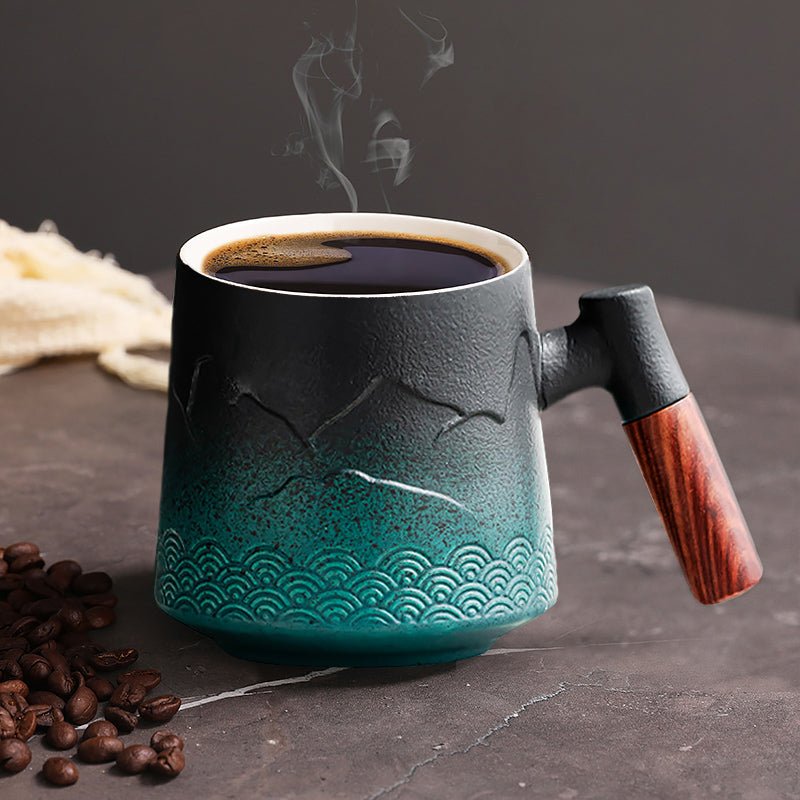
Coffee Mugs with Coffee Sayings: How to Pick One That Gets Used
A mug with the right saying gets used every morning; the wrong one ends up in a drawer. We break down size, handle feel, print quality, and gift value so you can buy once and be happy with it.
Leer más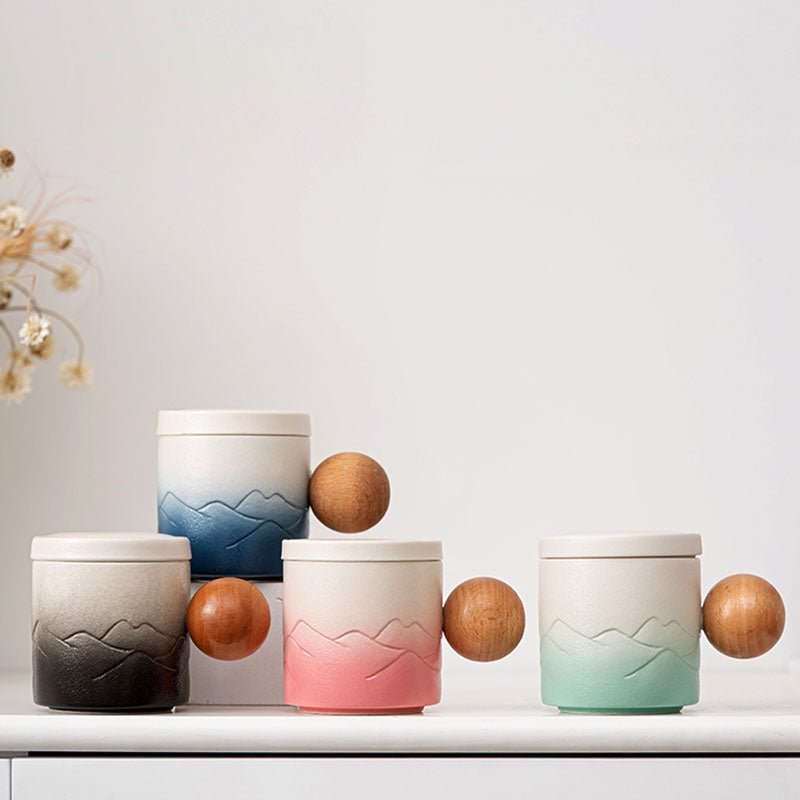
Extra Large Mug Buying Guide for Daily Use and Easy Gifting
A good extra large mug should feel steady on a desk, comfortable in the hand, and easy to clean after daily use. We compare three CoffeifyMug styles and the checks we use before recommending a larg...
Leer más
Dejar un comentario
Este sitio está protegido por hCaptcha y se aplican la Política de privacidad de hCaptcha y los Términos del servicio.