
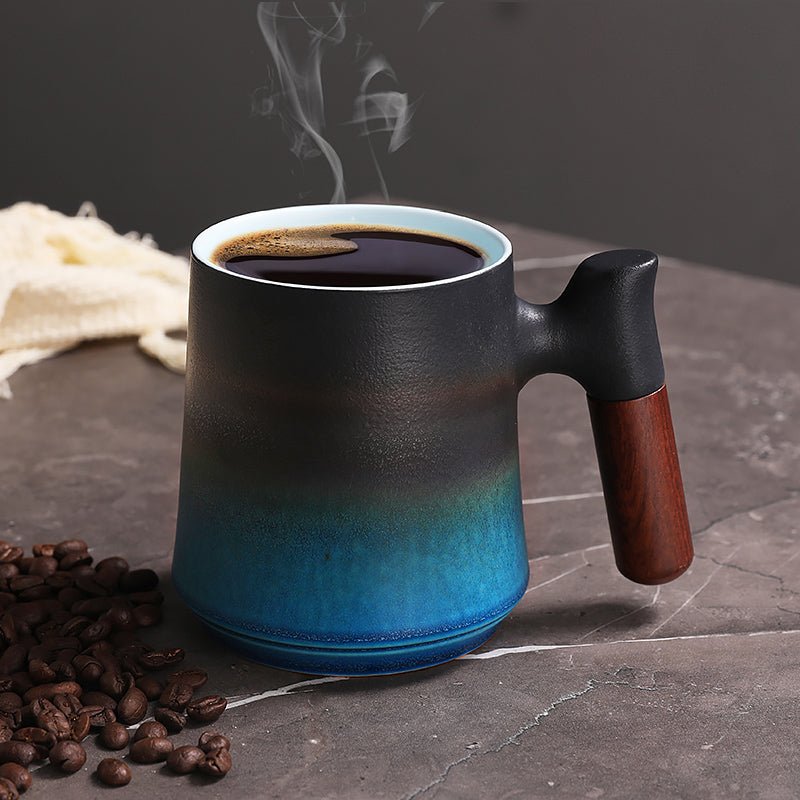
Porcelain Coffee Mugs: How to Choose the Right One Before Buying
Reading time: about 10 minutes
A mug looks simple until you use it three times a day. Then the real differences show up: a handle that feels cramped, a rim that drinks too hot, a finish that stains faster than expected, or a cup that feels too light for a desk setup and too heavy for a quick morning pour.
That is why we treat porcelain coffee mugs as a practical purchase, not just a style choice. In our store, we look at how the mug feels in the hand, how it behaves after repeat dishwasher cycles, and whether the shape works for coffee, tea, or both. Some buyers want a clean white mug for the kitchen shelf. Others want a giftable mug with more personality. Both can be right, but they do not need the same cup.
If you want a quick path to options, start with our all mugs collection, then compare the details below before you buy. For a broader buying checklist, our guide Porcelain Coffee Mugs: What Buyers Should Check Before Ordering covers the basics in more detail.
What makes porcelain coffee mugs different from stoneware or ceramic mugs?
Porcelain is a type of ceramic, but it usually feels smoother, finer, and a bit more refined than heavier stoneware. The body is typically denser, which is why many porcelain coffee mugs have a cleaner edge at the rim and a more polished look on the table. That also makes them a strong fit for buyers who want a mug that can move from weekday coffee to weekend guests without looking too casual.
In daily use, we usually see three practical differences:
- Weight: porcelain often feels lighter than thick stoneware, which is nice for people who carry coffee between the kitchen, desk, and couch.
- Finish: the glaze is usually smoother, which helps with cleanup and gives the mug a more finished appearance.
- Presentation: porcelain tends to look cleaner for gifting, office use, and table settings where the mug is visible all day.
That said, porcelain is not the best choice for everyone. If you want a very chunky mug that stays warm longer by sheer wall thickness, or if you tend to knock mugs around in a busy workshop or dorm kitchen, a thicker stoneware mug may suit you better. Porcelain can be durable in normal home use, but it is still a more refined category than a rough-and-ready workhorse mug.
What should you check before buying porcelain coffee mugs online?
We always tell shoppers to look past the photos and check the practical details. A mug can look perfect in a listing and still be awkward on your shelf if the handle opening is too tight or the cup is taller than your cabinet clearance.
Here is the checklist we use when we handle mugs in our store:
- Capacity: make sure the size matches your drink. If you mostly make drip coffee, a mug in the 12 oz to 16 oz range is often more useful than a very small cup.
- Rim comfort: a thinner rim usually feels better to sip from, but it should still feel sturdy enough for daily washing.
- Handle clearance: check whether two or three fingers fit comfortably. A pretty handle that pinches the knuckles gets old fast.
- Base stability: look for a flat enough base to sit securely on a desk, coaster, or warm tray.
- Care instructions: confirm whether the mug is dishwasher safe and microwave safe if that matters in your routine.
For size-focused shoppers, our article on 12 oz Coffee Mugs: How to Choose the Right Mug for Daily Use is a useful comparison point, especially if you are deciding between a smaller daily cup and a larger pour.
One more practical note: porcelain glaze can show tea or coffee staining if you leave dark drinks sitting for long periods without rinsing. That does not mean the mug is low quality. It usually means the finish is doing what glossy finishes do. If you want a mug for constant black tea use, choose a lighter interior glaze and plan on a quick rinse after each drink.
Which porcelain coffee mug size works best for daily use?
Size affects more than volume. It changes the balance in your hand, how fast your coffee cools, and whether the mug fits under your machine or into your dish rack. We see a lot of shoppers focus on ounces, but the better question is how the mug will be used on a normal Tuesday morning.
| Typical size | Best for | Trade-off |
|---|---|---|
| 12 oz | Standard coffee, tea, compact cabinets | Can feel too small for larger pours or milk drinks |
| 14 oz | A bit more room for cream or a longer drink session | May take up more shelf and dishwasher space |
| 16 oz | Big coffee, office desks, people who top off often | Can feel oversized if you prefer a small, hot cup |
| 20 oz | Very large drinks, soup-adjacent use, long desk sessions | Heavier when full and not ideal for compact storage |
If you are unsure, we usually recommend matching the mug to the drink you make most often, not the drink you make on special occasions. A 16 oz mug sounds versatile, but for some people it becomes a half-full cup every morning. For others, it is exactly the right size.
If size is your main decision point, our guides 16 oz Coffee Mugs: How to Choose the Right Mug for Daily Use and 20 Ounce Coffee Mugs: Fit, Shape, and Buying Guide go deeper into fit and daily handling. We also cover practical sizing in 14 Ounce Coffee Mugs: Size, Fit, and Buying Guide if you want a middle-ground option.
How do porcelain coffee mugs hold up in real kitchens and offices?
In our experience, porcelain does well in the places where mugs actually live: dish racks, office break rooms, kitchen counters, and desk corners beside laptops. The real test is not a single use. It is the repetition of wash, dry, stack, use, repeat.
Here is what we look for after those everyday cycles:
- Glaze consistency: a good finish should not look patchy or overly uneven under bright kitchen light.
- Rim integrity: chips often begin at the rim or the edge of the handle, especially if mugs are stacked carelessly.
- Handle attachment: the handle should feel secure where it joins the body, without thin stress points that make the mug feel fragile.
- Surface resistance: minor utensil marks can happen over time, but the mug should still look presentable after normal use.
Porcelain is a strong choice for a home kitchen or office coffee station, but it is not the mug we would hand to someone who routinely wants an ultra-thick, almost indestructible camp-style cup. It is more refined than that. If you want a mug that looks pulled together on a tray, on a meeting table, or in a gift box, porcelain makes sense.
For shoppers comparing multiple mug types, our article 16 Ounce Coffee Mugs: Size, Materials, and Fit Guide is helpful if you are weighing weight, feel, and everyday practicality at the same time.
Which porcelain coffee mugs are good for gifts, and which are better for everyday use?
Gift mugs and everyday mugs are not always the same thing. A gift needs visual impact out of the box. An everyday mug needs comfort after the tenth wash. We handle both types, and the best choice depends on who is using it and how often.
For gifting, look for a mug that has one or more of these traits:
- A distinctive pattern or color that stands out without being hard to match in a kitchen
- A balanced shape that photographs well and feels polished when unboxed
- A versatile size that works for coffee, tea, and cocoa
For everyday use, we lean toward mugs that are easier to live with:
- A comfortable handle opening
- A stable base for desks and side tables
- A finish that cleans easily after repeated coffee use
Our Mountain Tall Coffee Tea Mug is a good example of a mug that brings height and presence to the table. It suits people who like a taller profile and do not mind a cup that stands out a bit more than a standard round mug. If you want a more seasonal gift, the Christmas Coffee Tea Mug fits the kind of buyer shopping for a holiday present or a December kitchen refresh. For a more decorative, pattern-forward look, the Green Waves Coffee Tea Mug is the sort of mug many buyers choose when they want something calmer than a novelty print but less plain than an all-white cup.
What care and cleaning should you expect with porcelain coffee mugs?
Most buyers want simple care. We do too. For normal home use, porcelain coffee mugs are generally easiest when treated as everyday drinkware: rinse soon after use, wash with standard dish soap, and avoid rough scouring pads unless you are removing a stubborn mark.
From handling mugs in a store setting, the common mistakes we see are simple:
- Stacking mugs too tightly and letting the rims rub together
- Using metal scrubbers on glossy glaze
- Leaving dark coffee or tea sitting overnight, especially in light interiors
- Expecting all porcelain to behave the same in the microwave or dishwasher without checking the product listing
Porcelain often works well for daily cleaning, but not every mug is built for the same routine. If a listing says dishwasher safe or microwave safe, follow that guidance. If it does not say so, assume you should be more cautious. That is especially true for mugs with printed artwork, metallic accents, or highly decorative finishes.
If you are comparing a mug for constant daily use, it can help to read the product page closely and then compare it with our current selection in all mugs collection before checking out.
What porcelain coffee mugs are not the right pick?
We like porcelain, but we do not pretend it is the best answer for every buyer. A good buying guide should say where a product is weak as clearly as where it is strong.
Porcelain coffee mugs may not be the best fit if you:
- Want a very thick, heavy mug that feels rugged and insulated
- Need a cup for rough outdoor use or a busy workshop
- Prefer oversized, extra-deep mugs for soup or very large milk drinks
- Need a mug that can take a lot of stacking abuse in a shared space
In those cases, a sturdier stoneware mug or a larger-format mug may fit better. If your main question is size, not material, our guide on 12 oz Coffee Mugs: What to Check Before You Buy can help you decide if a smaller cup is actually the smarter purchase.
For many shoppers, though, porcelain is the sweet spot: refined enough for a kitchen you care about, practical enough for everyday coffee, and easy to gift without overthinking the styling.
Frequently asked questions
Are porcelain coffee mugs dishwasher safe?
Many are, but not all. Check the individual product details before you buy, especially if the mug has printed artwork, special finishes, or decorative accents. For normal daily use, dishwasher-safe porcelain is usually the easiest option.
Do porcelain coffee mugs chip easily?
They can chip if they are knocked against sinks, counters, or other mugs during stacking. The rim and handle are the areas we watch most closely. With normal home use and careful washing, a good porcelain mug should hold up well.
What size porcelain coffee mug is best for coffee and tea?
For most people, 12 oz to 16 oz covers daily coffee and tea without feeling too small. If you take larger pours or add milk, 14 oz or 16 oz usually feels more comfortable. If you want a compact cup that fits easily in the hand, 12 oz is often the cleaner choice.
Are porcelain coffee mugs better than stoneware mugs?
They are better for some buyers, not everyone. Porcelain usually looks more refined, feels smoother, and works well for gifting or office use. Stoneware is often the better pick if you want something thicker, heavier, and more rugged.
Can I use porcelain coffee mugs for both coffee and tea?
Yes, that is one of their strengths. Porcelain handles both well and usually works across breakfast coffee, black tea, and herbal tea. If you use strong tea often, choose a lighter interior glaze so staining is less noticeable.
If you are ready to compare styles, start with the all mugs collection, then narrow down by size, handle comfort, and finish. That way you will choose a mug that works on your counter, on your desk, and after the hundredth wash—not just in the product photo.
Read more
How to Get Coffee Stains Out of Mugs Without Damaging the Finish
Coffee stains build up fast on daily-use mugs, especially around the rim and inside the bowl. Here are safe ways to clean them, what to avoid, and how to keep the finish looking good.
Leer más
Mug Coffee Buying Guide: How to Choose the Right Daily Cup
Pick a mug coffee option that fits your routine, from desk use to gifting. We break down size, handle feel, finish, and the trade-offs that matter before you buy.
Leer más
Dejar un comentario
Este sitio está protegido por hCaptcha y se aplican la Política de privacidad de hCaptcha y los Términos del servicio.