
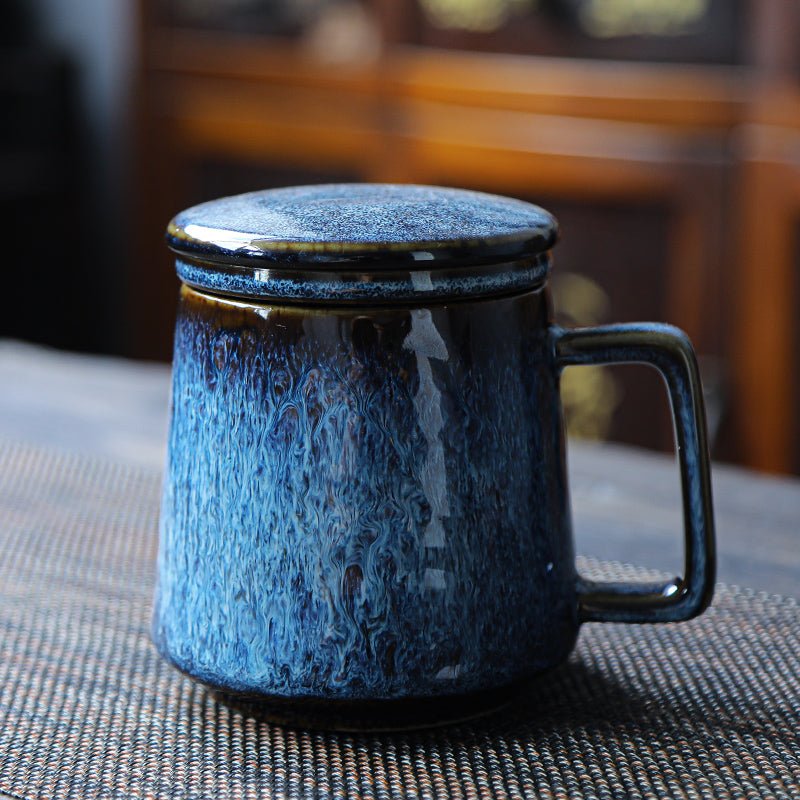
Polish Pottery Coffee Mug Buying Guide: What to Check Before You Buy
Reading time: about 9 minutes
A mug can look perfect in a listing and still feel wrong the first time you wrap your hand around it. The handle pinches, the rim feels too thick, or the cup ends up too small for the coffee you actually make every morning.
That is why a polish pottery coffee mug deserves a closer look before you buy. These mugs are usually chosen for their hand-painted look, sturdy stoneware build, and heavy glaze finish, but the best pick depends on how you drink coffee, how much cabinet space you have, and whether you want a daily workhorse or a display-worthy piece.
At our store, we handle mugs like this every day, and we see the same buying mistakes over and over: picking by pattern only, ignoring handle shape, and forgetting to check whether the mug suits a big latte, a small drip coffee, or an office desk setup. If you want a style-first mug that still works in real life, this guide will help you compare the details that matter.
What makes a polish pottery coffee mug different from a regular stoneware mug?
A polish pottery coffee mug is usually about more than decoration. The category is known for dense stoneware, glossy glaze, and hand-applied or hand-finished patterns that give each mug a slightly individual look. That matters because the finish is not just visual; it affects how the mug feels in hand and how easily it wipes clean after use.
Compared with a plain stoneware mug, polish pottery styles often have more visual detail and a more collected, giftable feel. In our experience, shoppers choose them for kitchen shelves, office desks, and gift unboxings because they look intentional without needing a full matching dinnerware set.
That said, this style is not ideal if you want a feather-light mug, a paper-thin rim, or a minimalist look. If your priority is stacking lots of mugs in a tight cabinet or carrying a drink around all morning, a simpler cup shape may suit you better.
Which features should you check before buying one?
If we are helping someone choose a polish pottery coffee mug, we focus on the same practical checkpoints every time. Pattern matters, but it should not be the only thing you look at.
Use this short buying checklist:
- Capacity: Make sure the mug fits your usual pour. A lot of buyers shop by looks and then find the mug is better for tea than for a full coffee serving.
- Handle size and grip: A comfortable handle should give your fingers room without feeling flimsy. This matters most for people with larger hands or those who drink hot coffee quickly.
- Rim thickness: A thicker rim can feel sturdy, but it also changes the sipping experience. Some people like that substantial feel; others prefer a smoother edge.
- Base stability: A wide, flat base sits better on a desk or countertop, especially if you tend to reach for your mug one-handed.
- Glaze finish: A glossy glaze can make hand-painted detail pop and usually wipes down easily. Matte or textured finishes can be charming too, but they may show wear differently.
- Care expectations: Check whether you want an easy rinse-and-go mug or one you treat more carefully during washing and drying.
For a deeper look at fit and finish, our Polish Coffee Mug Buying Guide: Finish, Fit, and Best Styles breaks down the common shape and finish choices we see shoppers compare.
Which mug shape feels best in real use?
Shape affects comfort more than most shoppers expect. A mug that photographs beautifully can still feel awkward if the body is too bulbous for your hand or the handle sits too close to the cup wall.
Here is how we think about the most common everyday shapes:
| Shape | Best for | Trade-off |
|---|---|---|
| Rounded mug | Everyday coffee, a softer hand feel | Can feel bulkier in smaller cabinets |
| More tapered cup | Smaller servings and a neater profile | May not suit large pours |
| Handled cup with sculpted sides | Gift sets, desk use, decorative display | Sometimes less roomy inside than it looks |
If you want a classic hand feel, the Ball Handled Coffee Tea Mug is worth a close look. The rounder handle gives a more substantial grip, which many shoppers prefer for morning coffee when fingers are still waking up. If your style leans a little dressier and you want something that looks good on an open shelf, the Pleated Coffee Tea Cup offers a more refined silhouette.
For buyers who want a more decorative finish with movement in the pattern, the Golden Waves Kio Coffee Tea Mug adds a warmer visual contrast than the usual blue-and-white look. That can be a better gift pick if the person likes something a little more distinctive.
How do you tell if the mug is comfortable enough for daily coffee?
Comfort is where a lot of beautiful mugs lose the sale. The best polish pottery coffee mug should feel balanced when it is full, not top-heavy or slippery.
When we check a mug for real use, we pay attention to three things:
- Finger clearance: Your fingers should pass through the handle without scraping the mug body. Tight handles can be annoying fast, especially with hot drinks.
- Weight distribution: A dense stoneware mug should feel steady, not clunky. If the base feels too heavy relative to the cup size, it can feel awkward during longer sipping sessions.
- Lip comfort: A clean, even rim matters if you drink coffee black or sip slowly. The feel at the lip is something photos rarely show.
In our store, we see this most often with office mugs. A mug used at a desk needs to settle securely on a coaster, fit under a machine or dispenser if needed, and still be comfortable after the third refill. That is a very different use case from a kitchen display mug that only comes out for guests.
If you want more size-specific shopping help, our Pottery Coffee Mug Buying Guide: What to Check Before You Buy covers the practical questions we ask before recommending any stoneware cup.
What care and durability trade-offs should you expect?
Stoneware and polished glaze are durable for regular use, but they are not indestructible. A polish pottery coffee mug can hold up very well in day-to-day rotation, yet chips often start at the rim, the handle edge, or the base if the mug is knocked against a sink, dishwasher rack, or countertop.
Here is the honest version of the trade-off: these mugs are great for routine coffee and tea, but they are not the best choice if you need a feather-light travel mug, a spill-proof lid, or something you can toss in a bag. They are also not the right pick if you want a minimalist mug with no visual pattern at all.
For care, the safest routine is simple:
- Wash with a mild dish soap and a soft sponge when possible.
- Let the mug dry fully before stacking to reduce rubbing at the glaze.
- Avoid sudden temperature shocks, like going from very cold storage to boiling liquid immediately.
- Check the rim and handle periodically for chips if the mug gets heavy daily use.
Shoppers who want a mug primarily for gifting often care less about stacking durability and more about presentation. For that audience, the finish and pattern matter more than whether the mug is the lightest option on the shelf.
Which style should you buy if this is a gift?
Gift buyers usually want a mug that feels special the second it is opened. That means pattern, shape, and first impression matter more than sheer utility, but utility still matters because nobody wants a pretty mug that sits unused.
If you are buying for a partner, coworker, teacher, or host, we usually recommend looking for one of these signals:
- Distinct handle shape: It makes the mug feel more considered than a generic cup.
- Visible glaze depth: Glossy finishes catch the light well and look good in unboxing photos.
- A design that works solo: A good gift mug should not depend on a full set to make sense.
That is where a style like the Golden Waves Kio Coffee Tea Mug can stand out. It gives you a more curated look without being overly fussy, which is usually the sweet spot for gifting.
If you are comparing more giftable stoneware options across our range, the full collection is the fastest place to scan shapes, finishes, and patterns side by side.
What do shoppers usually compare before they click buy?
We see the same comparison pattern again and again. Buyers are usually choosing between a mug that feels handmade and artistic versus one that feels easy and everyday. The right choice depends on how visible the mug will be in your routine.
Use this quick comparison before you buy:
- Buy for display: Prioritize glaze, pattern, and handle style.
- Buy for office use: Prioritize grip, stability, and easy cleaning.
- Buy for coffee lovers who drink fast: Prioritize comfort, rim feel, and a size that matches their pour.
- Buy for tea drinkers: Prioritize a balanced cup that feels good at slower sip pace and does not overwhelm smaller servings.
For shoppers comparing classic southwestern-inspired stoneware alongside more decorative polish-style pieces, our article Peet's Brown Southwestern Stoneware Mug: Buyer Checkpoints is useful for seeing how shape and finish change the buying decision. If you like the more patterned side of the category, Peets Coffee Mug Stoneware Pottery Cup Brown Aztec Southwestern Design is another helpful comparison point.
Frequently asked questions
Is a polish pottery coffee mug good for everyday coffee?
Yes, if you want a sturdy mug with a decorative finish and a comfortable handle. It is a strong everyday choice for home kitchens and desks, but it is less suitable if you want something ultra-light or travel-friendly.
Can a polish pottery coffee mug go in the dishwasher?
Many stoneware mugs can handle regular washing, but care depends on the specific piece and finish. We recommend checking the product details and avoiding rough handling in the dishwasher rack, especially near the rim and handle.
What size should I choose for a polish pottery coffee mug?
Choose based on your real pour, not just the shape. If you usually drink a standard coffee or tea serving, a mid-size mug is the safest bet; if you like larger lattes or extra room for milk, choose a mug with more capacity and a wider opening.
Are these mugs too heavy for daily use?
They are typically more substantial than thin porcelain mugs, and that is part of the appeal. Some people love that solid feel, while others prefer something lighter, so we would not recommend this style for anyone who dislikes a heavier cup in hand.
What should I inspect when the mug arrives?
Check the rim, handle, base, and glaze right away. A smooth rim, secure handle, and even glaze are the main signs of a well-finished mug; small cosmetic variations can be normal in hand-finished pieces, but chips or cracks are not.
If you are ready to compare styles side by side, start with our full collection, then narrow it by handle shape and finish. If you want the most buyer-friendly shortcut, compare one rounded everyday mug, one more sculpted cup, and one decorative option before you decide.
Read more
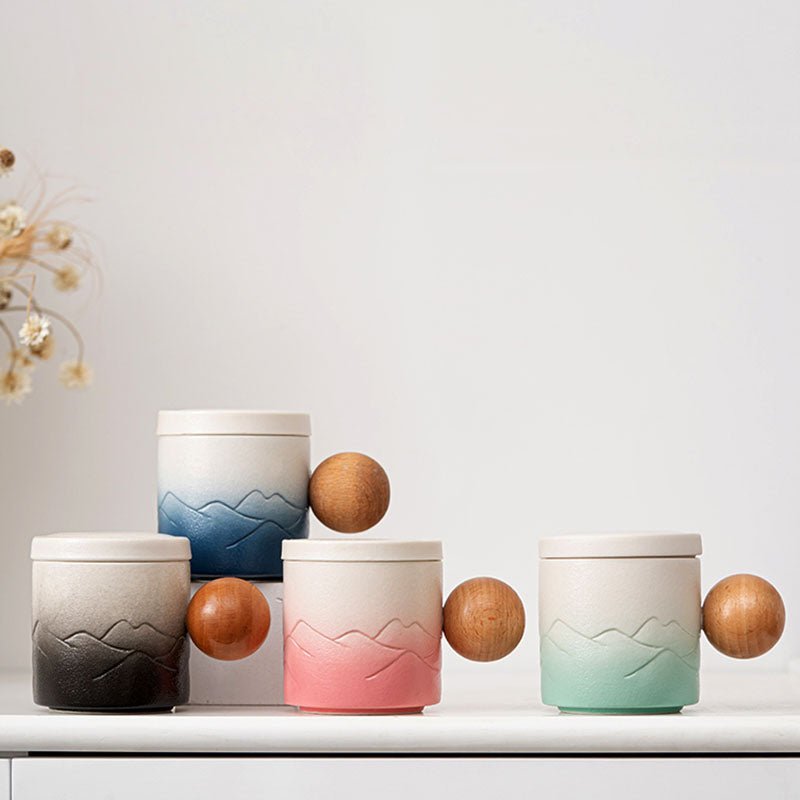
Lang Coffee Mugs: Size, Style, and Buying Guide for Daily Use
Lang coffee mugs can mean different things to different shoppers, so we break down the sizes, shapes, and everyday trade-offs that matter before you buy. We also point you to a few CoffeifyMug pick...
Leer más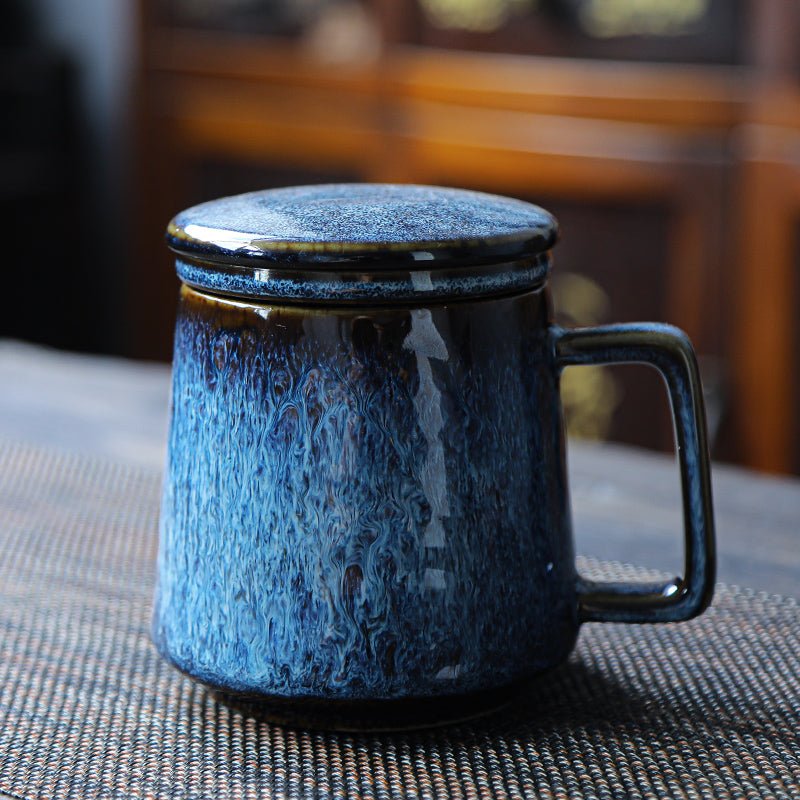
Coffee Flask Mug Buying Guide: What to Look for Before You Buy
A practical guide to choosing a coffee flask mug that fits your commute, desk, and cleanup routine. We compare shape, lid style, handle comfort, and the trade-offs that matter before you buy.
Leer más
Dejar un comentario
Este sitio está protegido por hCaptcha y se aplican la Política de privacidad de hCaptcha y los Términos del servicio.