
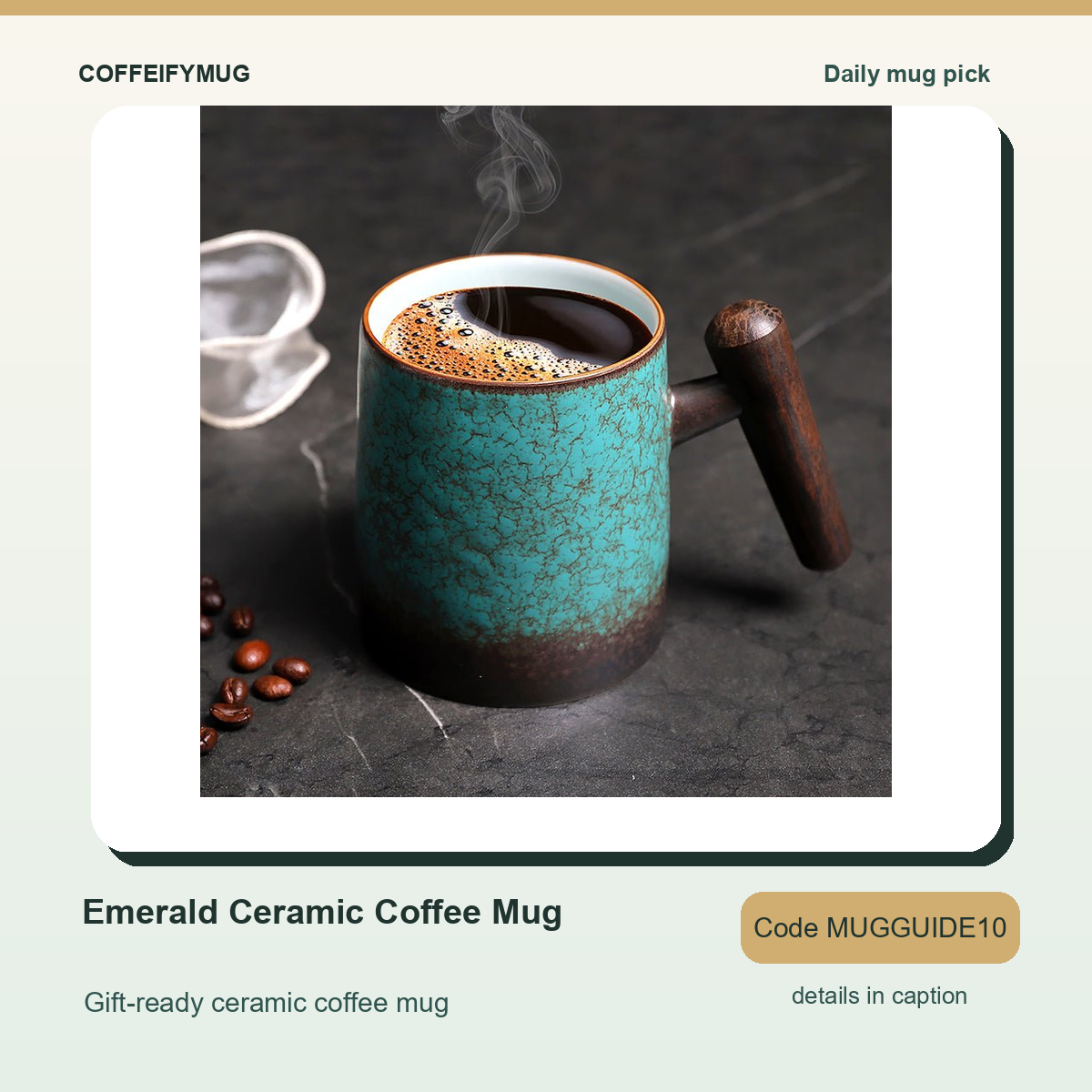
Piccolo Cup for Small Coffee Setup: Compare 170 ml to 270 ml
Reading time: about 10 minutes
The problem usually appears after the espresso machine is already on the counter: there is room for the machine, grinder, and a small milk pitcher, but not for a pile of mugs that only work for one drink. A piccolo cup for small coffee setup should earn its place by fitting your usual pour, storing neatly, and still being pleasant to hold during a rushed morning or an afternoon desk break.
In our store, we see shoppers use the word piccolo for a smaller milk-coffee moment rather than for one universally fixed cup size. That distinction matters. Cup names are useful shopping shorthand, but they do not guarantee a certified drink format, a fixed milk-to-coffee ratio, or the amount you personally pour. The practical decision is capacity: how much headroom you want above the coffee, how often you add milk, and whether one cup also needs to handle tea or a longer coffee.
Our current relevant choices are 170 ml, 250 ml, and 270 ml. They are deliberately different compromises, not interchangeable versions of the same cup. Start by comparing the Retro Coffee Tea Cup at 170 ml, then decide whether your routine really needs the extra capacity of a larger option.
Is 170 ml, 250 ml, or 270 ml better beside a compact espresso machine?
Capacity changes the daily experience more than a product photo suggests. A 170 ml cup keeps the drink physically compact and leaves less empty space when you make a short coffee with a modest amount of milk. A 250 ml or 270 ml cup gives more room for a fuller pour, but it also invites larger drinks that can make a small espresso taste comparatively light unless you adjust your coffee preparation.
| Option | Listed capacity | Best practical fit | Trade-off to consider |
|---|---|---|---|
| Retro Coffee Tea Cup | 170 ml | Short coffee drinks and tight shelves | Less room for a larger milk coffee or tea |
| Ball Handled Coffee Tea Mug | 250 ml | One cup for coffee, tea, and a more generous pour | Uses more cabinet and counter space than 170 ml |
| Emerald Coffee Tea Mug | 270 ml | Shoppers who prefer extra headroom or a longer drink | May feel oversized for a compact espresso-led drink |
The 170 ml Retro Coffee Tea Cup is the logical starting point for a two-person apartment setup, a dorm kitchenette, or an office shelf where every stored item is visible. Its smaller stated capacity makes it the closest fit of these three for someone who wants a restrained coffee-and-milk serving. It is not the best choice for a large tea, a generously filled iced drink, or a buyer who dislikes refilling.
For comparison, a ceramic cortado cup comparison is useful if your normal drink is even smaller and you want to avoid buying more cup capacity than you will use. Conversely, a cup selected for a compact setup does not need to be tiny; it needs to match the drink you actually repeat.
How much shelf space does a small coffee cup really save?
Capacity is only one measurement. The outer diameter, base shape, handle projection, and whether cups stack safely determine the shelf footprint. A 170 ml cup can still take meaningful space if its handle projects outward, while a taller 250 ml mug may fit neatly below a cabinet but not in a shallow drawer. Before ordering, measure the usable height between your shelf and the shelf above it, not simply the full inside height of the cabinet.
We recommend making three quick checks at the coffee station:
- Measure the width of the tray, shelf, or machine-side area where the cup will wait before use.
- Check clearance under the espresso machine spouts with the cup in place, including enough room to remove it without scraping a cabinet.
- Count how many cups you realistically need for one morning, then allow space for clean cups after the dishwasher or drying rack cycle.
- Consider the handle as part of the stored size. A handle that is comfortable for fingers can prevent close side-by-side placement.
For a small setup, two matching cups are often easier to live with than a mixed group of four shapes. This also matters after hosting: cups that fit a designated shelf return to the station instead of drifting into general kitchen storage. If your counter is already crowded, browse the unique coffee mugs collection with your available shelf measurements in hand rather than choosing by capacity alone.
Who should choose the 250 ml Ball Handle Coffee Tea Mug?
The 250 ml Ball Handled Coffee Tea Mug makes sense for the buyer who wants one compact-station cup to cover more than espresso-based coffee. The listed capacity gives more flexibility for tea, a larger morning coffee, or a drink where you prefer visible headroom rather than filling close to the rim. The handle is also a meaningful comparison point for anyone carrying a hot drink from a kitchen counter to a desk.
The compromise is straightforward: 250 ml is not a minimal-volume choice. If you consistently make a short coffee and only a small amount of milk, the extra volume can leave the cup looking underfilled. It is also less suitable than the 170 ml option for a shelf designed around very small cups. Buyers who mainly want a compact cup for a stronger, shorter drink should not select the larger size just because it appears more versatile.
We often suggest thinking about the least convenient use, not the ideal photograph. If your coffee setup is shared with a tea drinker, 250 ml may prevent the need for a second everyday mug. If it is strictly an espresso corner, the smaller option is usually the more disciplined storage decision.
Does a 270 ml cup still work in a small coffee setup?
Yes, provided the setup is compact because of its location, not because every drink must be small. The 270 ml Emerald Coffee Tea Mug is appropriate for a buyer who keeps one or two cups in a limited space but wants a more relaxed serving size. It can be easier for tea, a longer coffee, or a drink with plenty of room below the rim.
That added capacity is not automatically an advantage for a piccolo-style routine. The cup is not presented as a certified piccolo cup, and 270 ml may be too large if your goal is a compact, concentrated coffee with only a small addition of milk. It is also not the strongest choice for an under-cabinet shelf with very limited depth or for anyone trying to make their coffee station look visually spare.
Think of it as the flexibility option: fewer cup types in the kitchen, with a larger single-cup footprint. Shoppers who want a broad base of drink choices may also find our 12 oz ceramic mug guide for small setups helpful when comparing a compact coffee cup against a more traditional daily mug.
What care details matter when cups live by the machine every day?
A cup at a small coffee station gets more handling than a cup stored in a high cabinet. It moves from shelf to machine, then often to desk, dishwasher, or drying rack. Check the care guidance on the specific product page before assuming dishwasher or microwave compatibility; care instructions can vary by item and finish, and we do not recommend treating a general category assumption as product-specific confirmation.
For any cup used frequently, a few habits help prevent avoidable wear and breakage:
- Avoid abrupt temperature changes, such as moving a chilled cup directly into very hot water or placing a hot cup on a cold, wet surface.
- Do not allow metal spoons to rattle against the inner wall during vigorous stirring; this is where small surface marks often begin.
- Use a stable drying position so the handle is not bearing the weight of another cup.
- Inspect the rim and handle junction after an accidental knock. A hairline crack is a reason to stop using the cup for hot drinks.
These points are not meant to make cup ownership fussy. They are the practical details that come up after repeated dishwasher cycles, crowded sinks, and a busy countertop. A larger handle can be more comfortable, but it is also the part most likely to meet a cabinet edge when storage is tight.
How should you compare a piccolo cup for small coffee setup against other drink styles?
Start with the beverage you make most often, then choose the smallest capacity that leaves comfortable headroom. Headroom matters because a cup filled to the rim is harder to carry from the machine and less forgiving when milk or foam is added. It is better to buy a cup that looks appropriately filled during your normal routine than one chosen solely for a style name.
- Make your usual coffee and milk drink for two or three days in a measuring jug or existing cup.
- Note the total amount you actually pour, including the space you prefer to leave at the top.
- Measure your shelf height, shelf depth, and espresso-spout clearance.
- Choose 170 ml for the most compact listed option, 250 ml for broader everyday use, or 270 ml for extra room and longer drinks.
- Confirm the product page's care information before making it part of a dishwasher-heavy routine.
If your usual order is closer to a broader milk coffee, our flat white cup guide for a small coffee setup offers a useful adjacent comparison. The point is not to force every home drink into a cafe label. It is to choose a cup whose capacity and footprint work together.
Frequently asked questions
What size piccolo cup for small coffee setup should I buy?
Choose based on the amount you pour and the space around your machine. Of the current CoffeifyMug options discussed here, 170 ml is the most compact listed capacity, while 250 ml and 270 ml provide more room for tea, longer coffee, or added milk. None should be treated as a guaranteed standard piccolo format because personal recipes and cup terminology vary.
Is a 170 ml cup too small for coffee with milk?
It can work well for a short coffee with a modest amount of milk and enough headroom for comfortable carrying. It is not ideal for shoppers who regularly make a large milk coffee, drink tea from the same cup, or prefer a visibly larger serving. In those cases, the 250 ml or 270 ml option is likely more practical.
Should I buy a 250 ml cup or 270 ml cup for a small kitchen?
The 250 ml Ball Handled Coffee Tea Mug is the more moderate choice if you want a single cup for coffee and tea without moving fully into a larger format. Choose the 270 ml Emerald Coffee Tea Mug when extra headroom and a longer drink matter more than the smallest possible shelf footprint. Measure the cup storage area and account for the handle before deciding.
Can I use these cups for tea as well as coffee?
Yes, their product names identify them as coffee tea cups or mugs, and the larger listed capacities may be more comfortable for tea than the 170 ml option. Check each product page for its current care guidance and use requirements. A smaller 170 ml cup may require refilling for a typical tea break.
What should I check before putting a new coffee cup in the dishwasher?
Read the care instructions on that exact product page first, since dishwasher suitability should not be assumed from the cup's appearance or capacity. In the dishwasher, avoid overloading around handles and keep items from knocking together during the wash. After an impact or chip, inspect the rim and handle area before using the cup with hot drinks.
Choose the cup that fits your actual counter routine
Before selecting a cup, write down your usual finished drink amount, the height beneath your cabinets, and how many clean cups need to sit at the station at once. Choose the 170 ml Retro Coffee Tea Cup for the smallest listed capacity, the 250 ml Ball Handled Coffee Tea Mug for a flexible daily coffee-and-tea role, or the 270 ml Emerald Coffee Tea Mug for more room in a still-limited setup. Then compare the available styles in the CoffeifyMug unique coffee mugs collection against those measurements before you order.
Read more
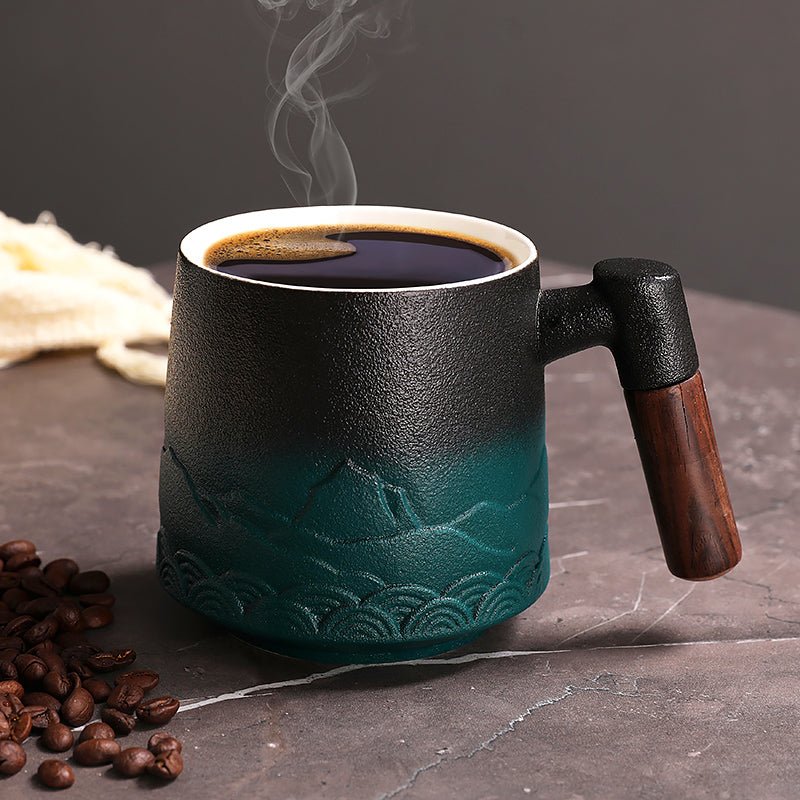
Clay Pottery Coffee Mugs for Small Coffee Setup: Compare
Compare clay pottery coffee mugs for a compact counter, shelf, office desk, or single-cup station. Use capacity, resting footprint, storage clearance, and coffee-versus-tea habits to choose a mug t...
Leer más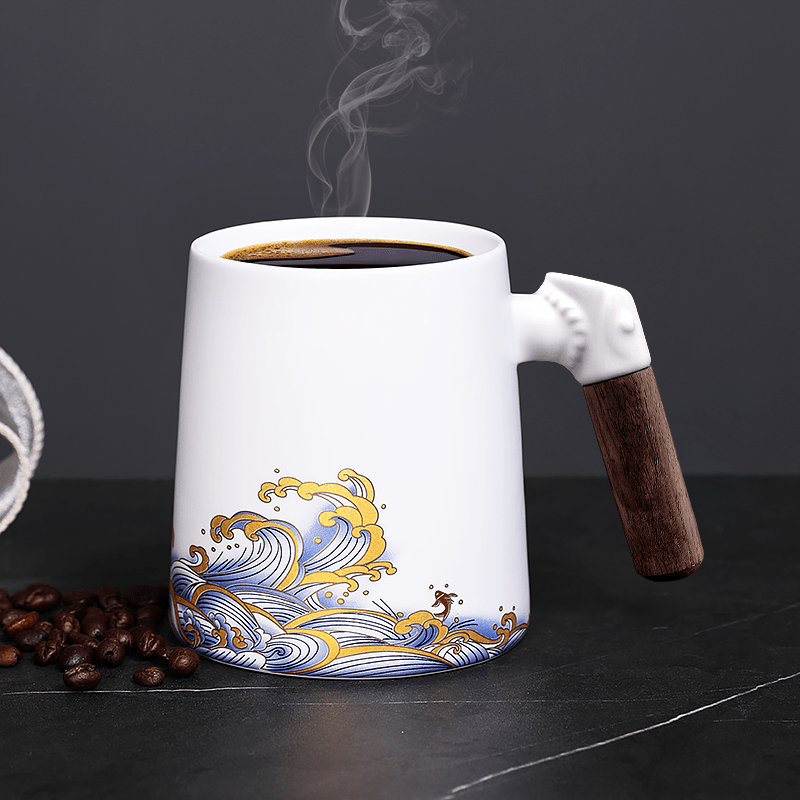
Large Decorative Coffee Mugs for Small Coffee Setup: Compare
Compare large decorative coffee mugs for a small coffee setup by checking shelf clearance, base footprint, usable drink capacity, handle room, and care details before a design catches your eye.
Leer más
Dejar un comentario
Este sitio está protegido por hCaptcha y se aplican la Política de privacidad de hCaptcha y los Términos del servicio.