
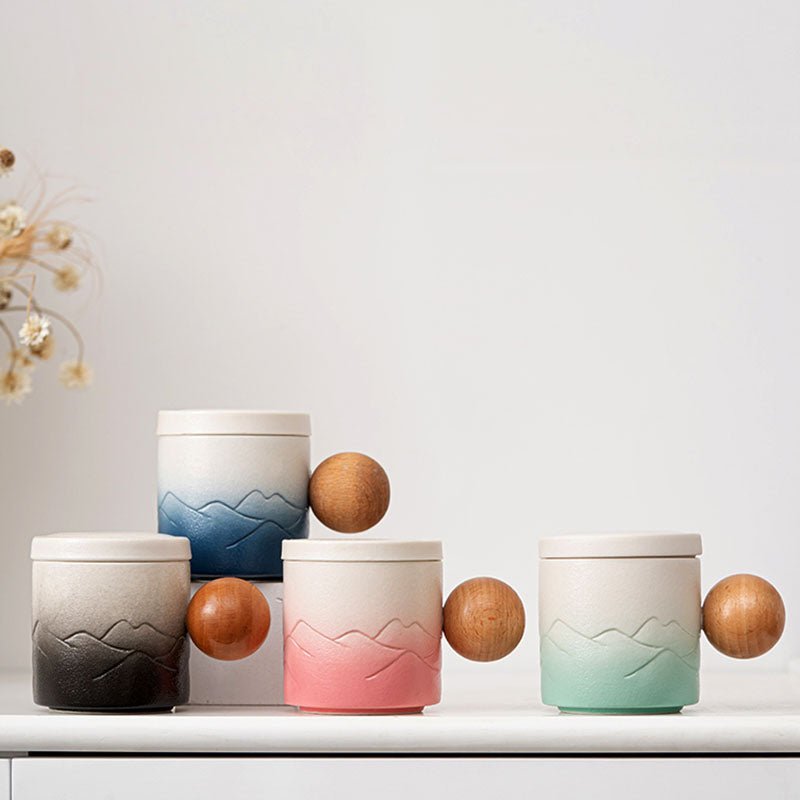
Piccolo Cup Daily Use Guide: 170 ml, 250 ml, or 270 ml?
Reading time: about 9 minutes
A 170 ml cup can feel perfectly judged beside an espresso machine before work, then feel undersized when it follows you to a desk for a slow drink. The opposite happens with a roomier mug: convenient for milk and fewer refills, but less compact in the hand and on the shelf. Our piccolo cup daily use guide compares three listed capacities we sell - 170 ml, 250 ml, and 270 ml - around the routines that usually decide the purchase.
Using the piccolo cup daily use guide: what does capacity change?
We use piccolo cup as a practical shopping and daily-use description here, not as a certification. These products are not being presented as certified piccolo cups, and we do not apply one fixed coffee-to-milk ratio to them. The reliable comparison points are their listed capacities, starting with the Retro Coffee Tea Cup at 170 ml. Shoppers who want to compare shape and visual style beyond these three can also browse our unique coffee mugs collection.
| Option | Listed capacity | Daily situation it suits | Main limitation |
|---|---|---|---|
| Retro Coffee Tea Cup | 170 ml | A short coffee with modest milk, served and finished promptly | Limited room for extra milk, ice, or a long desk drink |
| Ball Handled Coffee Tea Mug | 250 ml | A more flexible coffee serving or an office drink that lasts longer | May feel too roomy if you want a deliberately compact portion |
| Emerald Coffee Tea Mug | 270 ml | More space for milk, tea, headroom, or a few ice cubes | Only 20 ml larger than the 250 ml option, so the practical difference may be subtle |
The capacity jumps are worth putting in perspective. Moving from 170 ml to 250 ml adds 80 ml, while moving from 250 ml to 270 ml adds only 20 ml. The largest option holds 100 ml more than the smallest. Those differences affect refills and headspace, but listed capacity should not be treated as the ideal fill line.
Is 170 ml practical for a short morning drink?
Picture a weekday kitchen counter: espresso is prepared, a modest amount of milk is added, and the drink is finished before leaving the room. That is the clearest use case for the 170 ml Retro option. Its smaller listed capacity encourages a compact serving and avoids the half-empty appearance that a short drink can have in a larger mug.
Headspace still matters. Filling any cup close to its maximum makes it easier to spill while carrying it, and textured milk takes up room as it is poured. We would not choose 170 ml for a generous milk drink, a long tea, or an iced coffee. Ice displaces liquid quickly, leaving little usable room in a vessel of this size.
In our store, the useful question is not whether 170 ml matches a universal recipe. It is whether your normal poured drink, including milk and practical headroom, fits comfortably. For adjacent drink-size context, our ceramic cortado cup daily use guide for 170 ml to 270 ml explains how similar capacity decisions affect another short milk-coffee routine.
Does 250 ml make more sense at an office desk?
The 250 ml Ball Handle option is the middle ground for shoppers who start with coffee but do not always stop at a short serving. The extra 80 ml over the Retro cup can accommodate more milk, a little more headspace, or a drink that stays at the desk longer before the next refill. It is also more adaptable when one cup is shared between coffee and tea routines.
The named ball handle is a visible style choice, not a guarantee of ergonomic fit for every hand. Grip comfort depends on finger position, hand size, cup weight when full, and how the mug is lifted. Study the product images with your usual grip in mind, especially if you prefer to place several fingers through a conventional handle.
This is not the best option for someone who uses cup size as a strict visual cue for a small portion. A short coffee may look sparse in 250 ml, and some drinkers respond by adding more milk than they intended. If your comparison includes broader milk drinks, the flat white cup daily use guide for 200 ml, 250 ml, and 270 ml gives relevant serving-size context without imposing a fixed ratio.
Who benefits from the 270 ml Emerald option?
The 270 ml Emerald Coffee Tea Mug suits a shopper who wants the roomiest of these three choices without moving into a much larger everyday mug. It gives 100 ml more listed capacity than the Retro cup, which is meaningful for extra milk, tea, or ice. It also leaves more forgiving headspace when carrying a drink from the kitchen to another room.
Against the 250 ml Ball Handle mug, however, the difference is only 20 ml. That may be less noticeable than the difference in handle shape, overall dimensions, balance, or visual design. We would not recommend choosing the Emerald option solely because 270 is the largest number. It makes sense when you prefer its style and consistently use the added room.
It is not the strongest fit for a buyer trying to recreate the compact feel of a small coffee service. It can also be the wrong choice if shelf height, espresso-machine clearance, or a crowded desk is the main constraint. Capacity alone does not reveal the vessel's outside height or footprint.
How do fill level, ice, and machine clearance affect the choice?
A capacity figure answers only one question: how much the vessel is listed to hold. It does not establish the comfortable serving volume, exterior dimensions, weight, wall thickness, or heat retention. Material and construction also affect how quickly a drink cools, so a larger number should not be treated as proof that coffee will stay hot longer.
- Espresso-machine use: Check the available distance between the drip tray and group head or spout. A 170 ml cup can still be too tall for a particular machine, while a wider 250 ml mug may fit if it is lower.
- Kitchen storage: Measure shelf height and consider the handle's projection. Capacity does not tell you how efficiently a mug will sit beside other cups.
- Office desks: More volume may reduce refills, but it does not guarantee a smaller footprint or greater stability. Leave enough clear space around keyboards, notebooks, and charging cables.
- Milk drinks: Allow headspace for pouring and carrying. The right capacity depends on your actual espresso and milk volumes, not a single prescribed ratio.
- Iced coffee: Ice occupies part of the listed capacity before coffee or milk is added. The 250 ml and 270 ml options are more practical than 170 ml, though they are still moderate rather than oversized iced-drink vessels.
What care details matter after repeated use?
Care instructions can vary with material, finish, and construction, so we do not assume dishwasher or microwave compatibility from appearance alone. Check the current product page and any care information supplied with the cup. If dishwasher suitability is not stated, hand washing is the more cautious routine, particularly for a decorative finish.
- Let a hot cup cool before rinsing it with cold water. Avoiding abrupt temperature changes is a conservative habit when a material's thermal tolerance is not specified.
- Rinse coffee or tea residue reasonably soon, then use mild detergent and a soft, non-abrasive sponge. Abrasive pads can mark some finishes.
- Dry the cup fully before stacking or closing it inside a cabinet. Trapped moisture around bases and contact points makes storage less tidy.
- After delivery, place the empty cup on a flat counter and check that it sits properly. Inspect the rim, base, and handle attachment for chips, hairline cracks, or shipping damage.
- Repeat that inspection occasionally, especially after knocks or repeated dishwasher cycles. A cup with a crack, loose handle, or chipped drinking rim should not continue in hot-drink service.
This takes less time than dealing with a damaged cup once it is full. It also catches common problems at the stage when order or shipping documentation is still easy to find.
Which size is easier to give as a gift?
A gift cup works best when it matches the recipient's routine, not just the buyer's favorite appearance. Think about what is normally on the recipient's desk, how often they refill, and whether they prepare drinks under a machine with limited clearance.
- For the short-coffee drinker: Choose the 170 ml Retro cup when the recipient prefers a compact serving and does not usually add generous milk or ice.
- For the flexible everyday user: The 250 ml Ball Handled mug fits someone who alternates between short coffee, milkier drinks, and tea, provided the distinctive handle suits their grip.
- For the recipient who likes more room: The 270 ml Emerald mug is the better fit when extra milk, headspace, or tea capacity matters more than a compact profile.
During gift unboxing, the recipient should still inspect the rim, handle, and base before first use. If you do not know their preferred drink volume, the 250 ml choice offers broader flexibility than 170 ml, but that does not make it universally better. Handle preference and storage space can outweigh capacity.
What should you check before ordering?
The point of this piccolo cup daily use guide is to turn a vague size label into a decision based on your real routine. Use the following check before selecting a product:
- Estimate the amount of coffee, milk, water, or ice you normally put in the cup.
- Add room below the rim for pouring, stirring, and walking with the drink.
- Decide whether the cup will stay at the kitchen counter or follow you to a desk for longer use.
- Measure espresso-machine clearance and cabinet space rather than relying on capacity alone.
- Confirm the current material and care guidance on the product page before assuming dishwasher or microwave compatibility.
- Choose 170 ml for a deliberately short serving, 250 ml for greater daily flexibility, or 270 ml when the most room among these three is useful.
If shape and personality matter as much as capacity, compare the three products with the wider CoffeifyMug unique coffee mug collection. Keep your target poured volume and available storage measurements nearby while browsing.
Frequently asked questions
Which size does this piccolo cup daily use guide favor for a short drink?
There is no universal winner, but the 170 ml Retro cup is the closest fit among these three for a deliberately short coffee with modest milk. Leave practical headspace and do not treat 170 ml as a required recipe or certification.
Is a 170 ml cup too small for a piccolo-style milk coffee?
It depends on the volume of espresso and milk you actually use. It can work for a compact serving, but it becomes restrictive if you prefer generous milk, extra foam, or room for stirring without spills.
Is 250 ml or 270 ml better for an office desk?
Choose 250 ml if you want flexibility without automatically taking the largest option. Choose 270 ml if the extra headspace or slightly larger serving is useful, but remember that the difference is only 20 ml and exterior dimensions may matter more on a crowded desk.
Are these CoffeifyMug options dishwasher-safe?
Do not assume dishwasher compatibility based on the cup's name or appearance. Review the current product page and supplied care information; if dishwasher use is not stated, use mild detergent and a soft sponge for cautious hand washing.
Where can I compare other compact coffee mug styles?
Browse the unique coffee mugs collection after deciding your preferred poured volume, headspace, grip style, and storage limits. That short checklist will narrow the options more reliably than choosing by the piccolo label alone.
More from our blog
Read more
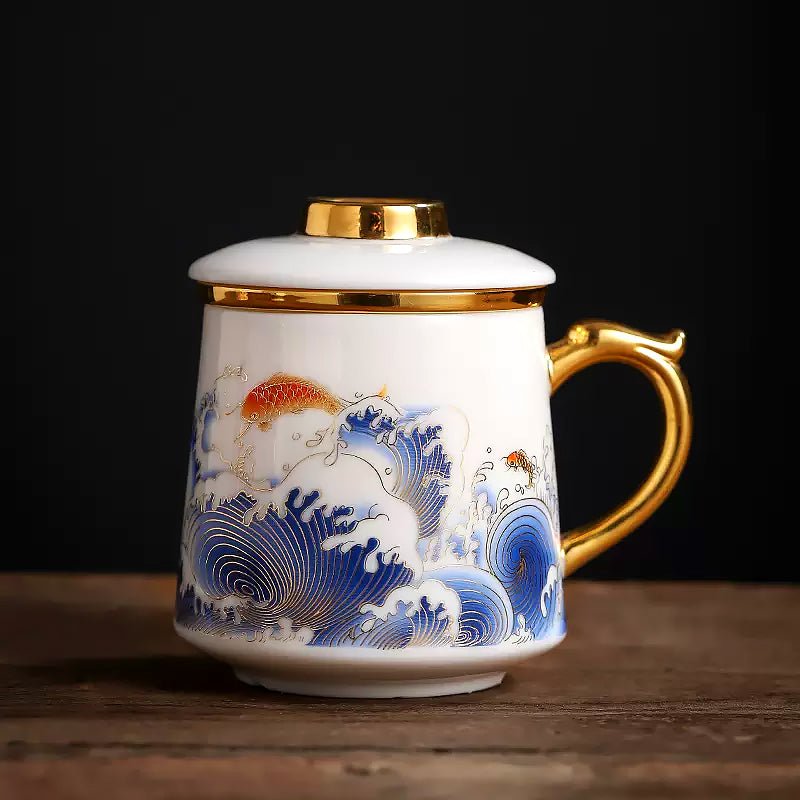
High Quality Ceramic Coffee Mugs Daily Use Guide: Trade-Offs
A practical comparison of rim comfort, handle clearance, glaze, base stability, care, and desk fit, with honest use cases for three CoffeifyMug designs.
Leer más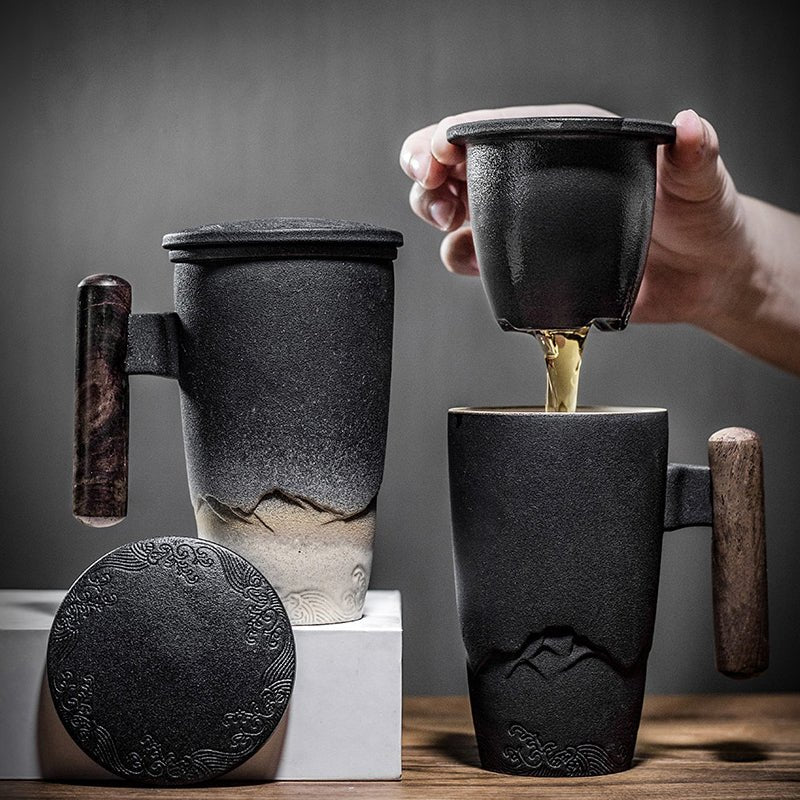
Breakfast Coffee Cup Daily Use Guide: 170, 200, or 350 ml?
Compare CoffeifyMug's 170 ml Retro, 200 ml Pleated, and 350 ml Landscape Tall options by breakfast-table space, refill habits, drink style, and daily care. See where each cup fits and where it does...
Leer más
Dejar un comentario
Este sitio está protegido por hCaptcha y se aplican la Política de privacidad de hCaptcha y los Términos del servicio.