
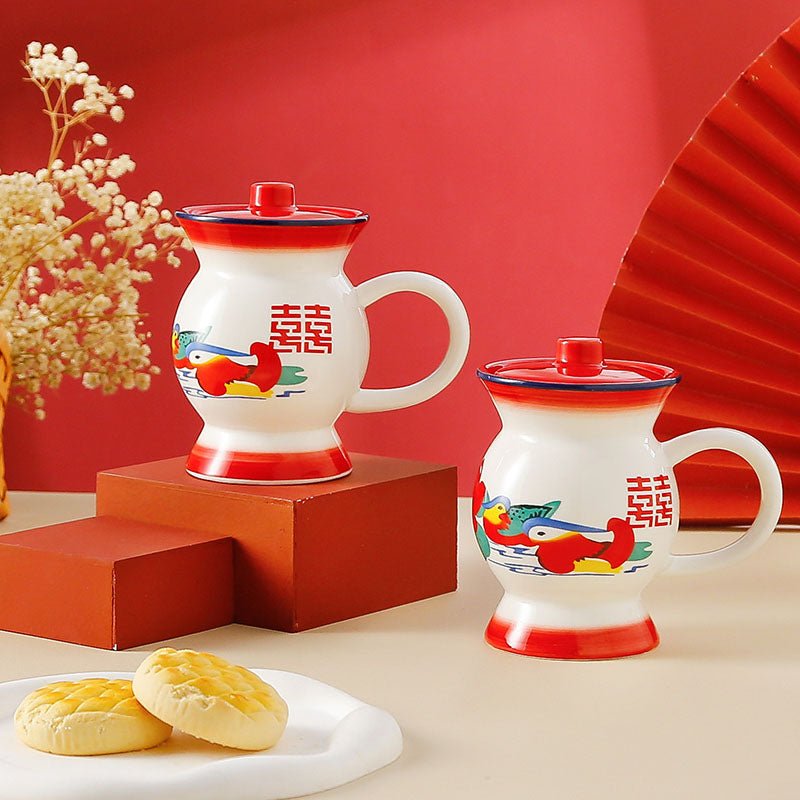
Oversized Mugs: How to Choose the Right Size and Shape
Reading time: about 8 minutes
A mug that looks perfect on a product page can feel wrong the second it lands on a crowded desk. If the cup is too wide, the coffee cools before you finish it. If the handle is tight, your fingers feel cramped once the mug is full.
That is the real decision behind oversized mugs. In our store, we see shoppers choose them for long mornings, office refills, cocoa nights, and gift orders, but the best pick is rarely the biggest one. It is the mug that fits the drink, the hand, and the cabinet.
What actually counts as an oversized mug?
There is no single industry cutoff, but most shoppers start thinking of a mug as oversized once it moves beyond a standard everyday cup and begins to hold a fuller pour. Capacity matters, but shape matters just as much. A tall, narrow mug can feel manageable at a larger size, while a wide bowl-like mug may feel bigger than its volume suggests.
If you are comparing shapes, start with a product that gives you a sense of hand feel, like our Pleated Coffee Tea Cup, then compare that against the rest of the assortment in our collection. That side-by-side view helps more than reading capacity alone.
We usually tell buyers to check three things before they call a mug oversized enough for daily use:
- Actual capacity rather than the name on the listing.
- Handle clearance so two fingers can fit without squeezing.
- Base width so the mug does not feel top-heavy once it is full.
A lot of oversized mugs fail on balance, not volume. The mug may technically hold enough coffee, but if the base is too narrow or the wall is too thick, it becomes awkward in the hand and hard to trust on a work desk.
Which shape is best for coffee, tea, or cocoa?
The right shape depends on how you drink, not just what you drink. Coffee drinkers who finish quickly often prefer a taller mug that holds heat a little longer. Tea and cocoa drinkers often like a wider opening because it lets aroma and foam open up, even if the drink cools faster.
| Shape | Best for | Trade-off |
|---|---|---|
| Tall and straight-sided | Desk coffee, drip coffee, longer sipping sessions | Can feel narrow to clean and may tip if the base is too small |
| Wide and bowl-like | Tea, hot chocolate, latte-style drinks | Loses heat faster because more of the surface is exposed |
| Tapered with a wider base | Everyday use on counters and office desks | May hold less usable space than the shape suggests if the walls are thick |
If you want a deeper sizing breakdown, our guide on Oversized Mugs: How to Choose the Right Size, Shape, and Material covers the practical differences between volume, mouth width, and balance.
There is also a comfort factor people forget: lip shape. A rolled lip feels softer and more forgiving when you are drinking coffee hot from the mug. A sharper lip can look sleek, but it is less comfortable if you sip slowly. That is a small detail on paper and a big one at 7 a.m.
What materials and construction details are worth checking?
For oversized mugs, the material is only part of the story. Ceramic, stoneware, and porcelain all show up in this category, and each has trade-offs. What we look for is a mug that feels solid without becoming heavy enough to be annoying when it is full.
Three construction details matter more than most shoppers expect:
- Glaze quality: a smooth, even glaze is easier to clean and less likely to trap staining from coffee or tea.
- Foot ring finish: an unglazed or rough foot can scratch shelves and countertops if the mug is dragged rather than lifted.
- Handle attachment: a handle should feel fused cleanly to the body, without a weak-looking seam or wobble.
We also inspect for common defect modes that are easy to miss in photos: pinholes in the glaze, hairline crazing, uneven rims, and handles that sit slightly off-center. Those issues may not ruin the mug on day one, but they are the things that make a piece feel less reliable after a few dishwasher cycles.
If you are comparing oversized mugs for daily use, our 16 Ounce Coffee Mugs: Size, Materials, and Fit Guide is a useful reference point because it focuses on the part that matters most: how the mug actually lives on a counter, in a cabinet, and in the dishwasher.
One practical rule we use in the store: if a mug has metallic trim or decorative accents, do not assume it is microwave-safe. If the product page does not clearly say it is microwave-safe and dishwasher-safe, treat that as a limitation, not a detail to ignore.
Which oversized mug fits a desk, a kitchen, or a gift box?
Not every oversized mug is trying to do the same job. Some are meant to be the mug you keep at your desk all morning. Some are better as a kitchen-side piece that looks good on open shelving. Others work as gifts because they have enough visual character to feel special when they are unboxed.
Here is how we would break down three options from our store:
- Pleated Coffee Tea Cup if you want a mug with more texture in the hand and a shape that feels considered rather than plain.
- Golden Waves Kio Coffee Tea Mug if you want a more decorative look that still belongs in a daily routine instead of sitting unused on a shelf.
- The Flow Coffee Tea Mug if you prefer a cleaner silhouette and want the mug to disappear into the routine rather than dominate it.
If you are still comparing giftable styles, our article Oversized Coffee Mugs: How to Choose the Right One is the fastest way to narrow the choice without getting lost in decorative details.
We find this is where the buyer decision usually turns: the mug may look beautiful, but if it is too wide for a cup warmer, too tall for a cabinet shelf, or too heavy for one-handed use, it stops being a good everyday choice. That does not make it a bad mug. It just makes it the wrong mug for some routines.
What trade-offs should you expect from oversized mugs?
Oversized mugs are useful, but they are not the best choice for every setup. The bigger opening, the heavier fill, and the larger footprint all create real trade-offs. Buyers should know those limits before they commit.
- They cool faster if the mouth is wide. More surface area means more heat loss, especially for coffee you sip slowly.
- They can be tiring when full. A large ceramic mug of coffee feels very different from an empty one sitting on the counter.
- They do not fit every machine or shelf. Single-serve brewers, narrow mug racks, and shallow cabinets can be a poor match.
- They are not ideal for espresso-first drinkers. If you mainly want small pours, an oversized mug can make the drink feel diluted or visually underfilled.
- They take more dish space. In a crowded dishwasher, handles can knock into each other and chip the glaze.
That is why oversized mugs are better for people who actually use the extra capacity, not just people who like the look of a bigger cup. If you mainly drink one short coffee and move on, a smaller mug may be the better fit. If you refill, mix milk into tea, or like a long stretch of warm drink at a desk, oversized makes sense.
We check handle comfort first. If two fingers do not fit comfortably before the mug is filled, that mug usually feels too tight in real use.
How should you care for oversized mugs so they last?
Oversized mugs last longer when they are treated like daily tools, not display pieces. The main risks are thermal shock, chips around the rim, and small glaze cracks that get worse if the mug is knocked against a sink or crowded dishwasher rack.
Our practical care steps are simple:
- Let a hot mug cool briefly before rinsing it with cold water.
- Do not stack heavy mugs inside each other if the interiors are tight.
- Load the dishwasher so handles do not hit neighboring cups or plates.
- Hand-wash decorated or textured pieces if the finish feels delicate.
- Retire any mug with a crack through the body, base, or handle.
If the listing says dishwasher-safe, that is helpful, but it does not mean the mug is indestructible. A sturdy glaze can still chip if it is slammed into a metal rack or pulled out while another mug is pressing against it. Good care is less about babying the mug and more about avoiding the few habits that create damage.
Frequently asked questions
Are oversized mugs good for daily coffee?
Yes, if you actually drink enough to use the extra capacity. They work well for long desk sessions, second pours, or coffee with milk. If you usually finish one small cup quickly, a standard mug may be more practical.
Do oversized mugs keep coffee hot longer?
Not always. A taller, narrower mug can hold heat better than a wide one because less surface area is exposed. If the mug opens like a bowl, it may cool faster even if the capacity is larger.
What size is too big for a mug I use at my desk?
If the mug crowds your keyboard, blocks your notes, or feels unstable when you lift it with one hand, it is too big for desk use. The right size should leave room for your hand and your workspace, not just the drink.
Can oversized mugs go in the microwave and dishwasher?
Many can, but only if the product page clearly says so. Avoid microwaving mugs with metallic accents, and be careful with the dishwasher if the handles are bulky or the glaze looks delicate. When in doubt, hand-wash the more decorative piece.
What is the best shape if I want one mug for coffee and tea?
A tapered mug with a stable base is usually the safest middle ground. It gives you enough room for coffee with milk or tea with a bag or infuser, without feeling as bulky as a very wide bowl-shaped mug.
If you are narrowing the choice now, go back to our collection and compare three things side by side: capacity, handle clearance, and base width. That is usually enough to separate a mug that looks oversized from one that actually works every day.
Read more
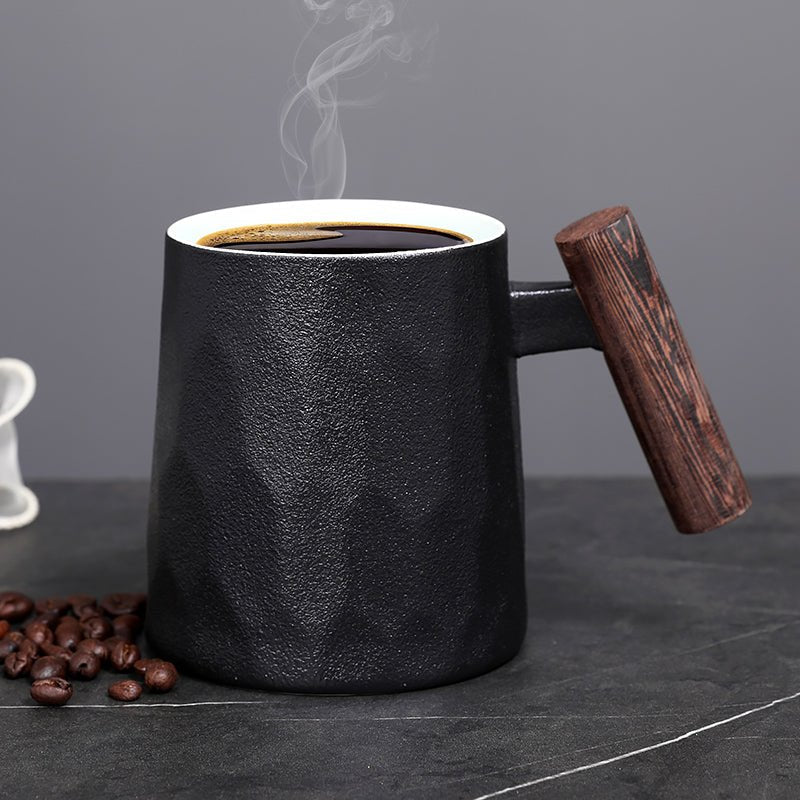
Shamrock Coffee Mugs: How to Choose the Right Material and Size
Shamrock coffee mugs can be festive without being fragile or awkward to use. We break down the materials, sizes, and shape details that matter before you buy.
Leer más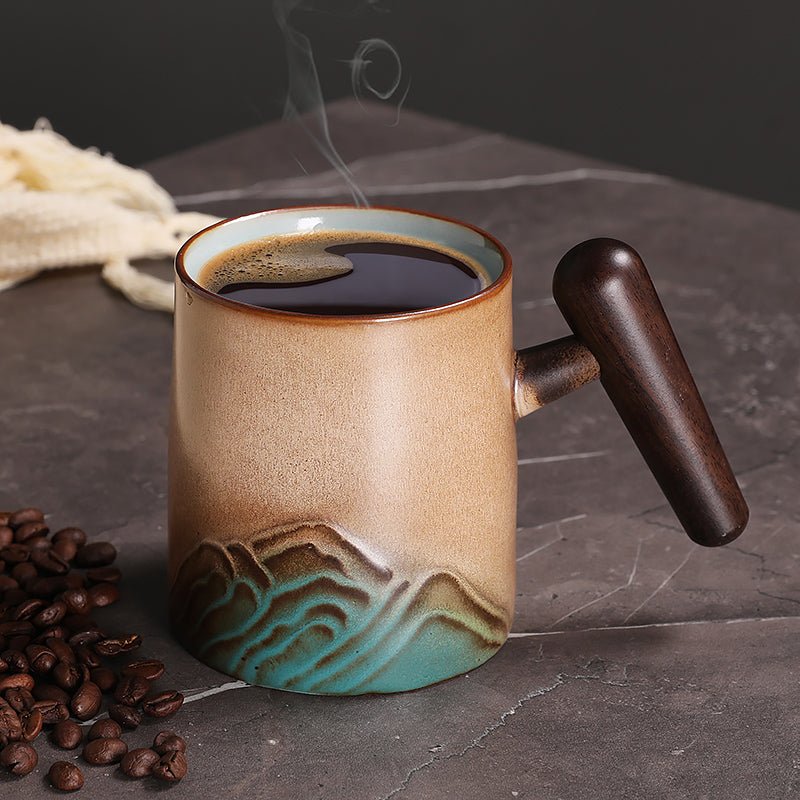
Sasquatch Coffee Mug: Best Picks, Fit, and Care Tips
Compare our sasquatch coffee mug styles, see which one fits a desk, gift, or daily coffee routine, and check the care trade-offs before you buy.
Leer más
Dejar un comentario
Este sitio está protegido por hCaptcha y se aplican la Política de privacidad de hCaptcha y los Términos del servicio.