
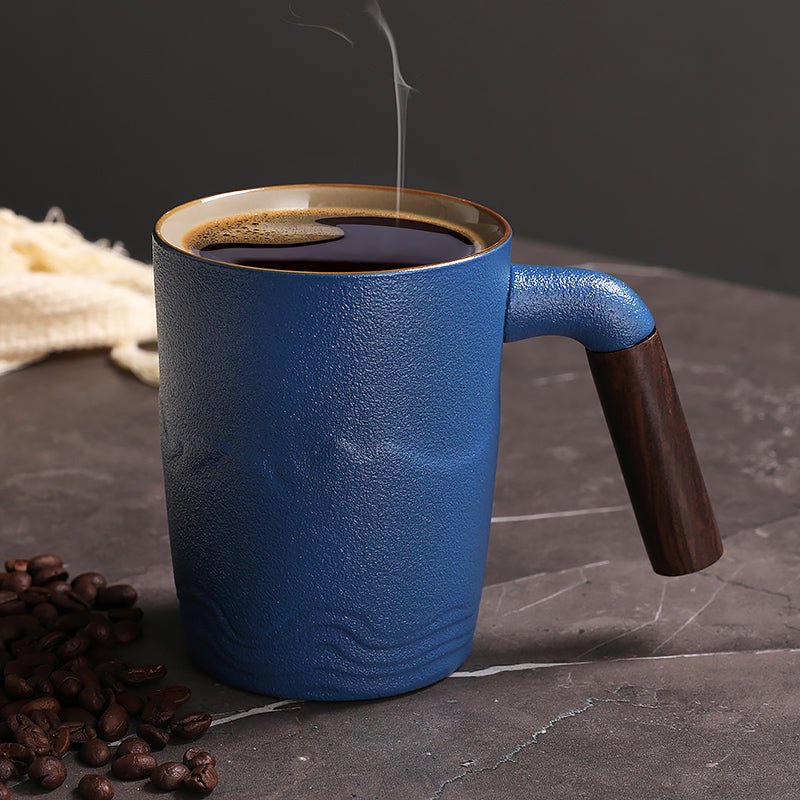
Non Breakable Coffee Mugs: What to Buy for Everyday Use
Reading time: about 8 minutes
A mug chipped on a sink edge is annoying enough. A mug that cracks after a few dishwasher cycles is worse, especially if it was the one you liked most. That is usually why shoppers start looking for non breakable coffee mugs: they want something that can handle daily use on a kitchen counter, a crowded office desk, or a gift box that gets opened and used right away.
At CoffeifyMug, we see the same buying pattern again and again. People do not just want a mug that looks sturdy. They want one that feels balanced in the hand, cleans easily, and does not become a problem the first time it gets knocked against a sink or squeezed into a full dish rack. Our own experience handling this category is that the best choice is rarely the heaviest mug or the thickest-walled mug. It is the one that matches how you actually drink coffee and tea.
If you are comparing options, start with our full mug collection and then narrow down by shape, size, and daily use. For a few of our more durable-looking everyday styles, take a look at the Retro Coffee Tea Cup, the Ball Handled Coffee Tea Mug, and the Pleated Coffee Tea Cup.
What do buyers usually mean by non breakable coffee mugs?
Most shoppers are not looking for a mug that is literally impossible to break. They are looking for a mug that is far less likely to chip, crack, or shatter during normal use. That usually means a mug with a durable body, a stable base, and a shape that does not feel fragile in the hand.
In our experience, people use this phrase for a few different needs:
- Family kitchens where mugs get stacked, bumped, and washed often.
- Office desks where mugs are carried one-handed and set down next to laptops.
- Gift buying where the recipient wants something attractive but not delicate.
- Travel or break-room use where dishes get handled quickly and roughly.
That said, “non breakable” does not mean all-day abuse proof. A mug can still chip if it hits tile, a metal sink, or another mug with enough force. If you want a mug for a bag, a car, or the outdoors, a lidded travel tumbler is usually a better fit than a classic coffee mug shape.
Which materials and constructions hold up best in everyday use?
Material matters more than marketing language. The feel in your hand, the rim thickness, and the glaze finish all affect how a mug holds up over time. Our store handles a lot of everyday drinkware, and the common failure points are predictable: thin rims, awkward handles, unstable bases, and glazes that show wear quickly.
| Material or build | What it does well | Where it falls short |
|---|---|---|
| Ceramic with a sturdy wall | Feels substantial, keeps drinks comfortable, easy to match to home decor | Can chip if dropped or knocked against hard surfaces |
| Stoneware-style mug | Usually has a heavier feel and better stability on a desk or counter | Heavier to hold; not ideal if you prefer a lighter cup |
| Thin decorative mug | Looks refined and often feels lighter | More likely to feel fragile and less forgiving in daily use |
Three concrete details we always check before recommending a mug for everyday use:
- Rim thickness: a slightly thicker rim usually feels sturdier and is less likely to develop rough edges after repeated washing.
- Handle clearance: if your knuckles brush the mug body, the mug may feel awkward when full.
- Base stability: a wider, flatter base is less likely to wobble on a desk or crowded dishwasher rack.
If you are comparing everyday sizes, our related guides on 10 oz coffee mugs and 12 ounce coffee mugs can help you decide whether you want a compact cup or a more generous pour.
How do shape and handle design affect durability and comfort?
Shape changes how a mug survives real use. A mug can be sturdy in the hand but still annoying on a shelf if the handle catches on other mugs. The reverse is true too: some mugs look elegant but are harder to grip once they are hot.
Here is how we look at it in our store:
- Round, classic bodies are easy to stack and usually less fussy for shared kitchens.
- Fluted or pleated surfaces add grip and visual character, but the surface texture can trap dust if a mug sits unused on open shelving.
- Ball-style handles can feel distinctive and secure, but buyers should check whether the opening suits their finger size.
- Retro silhouettes often balance style and function well, especially for people who want an everyday mug that still looks intentional.
That is why the Ball Handled Coffee Tea Mug is a good example of a mug style that feels different without trying too hard, while the Pleated Coffee Tea Cup gives you a more textured look that still works for daily coffee or tea. If your priority is a simple dependable mug for home or desk use, the Retro Coffee Tea Cup is the kind of style many shoppers choose when they want something practical first and decorative second.
Our rule of thumb: if a mug feels good empty, balanced full, and easy to wash after a busy morning, it is much more likely to become a daily favorite.
What size should you buy for coffee, tea, and desk use?
Size affects more than capacity. It changes how fast your drink cools, how much space the mug takes on a tray, and whether it fits under your coffee machine. A larger mug may seem safer because it feels substantial, but it can be clumsy if you only drink a small pour.
For most shoppers, these are the practical trade-offs:
- Smaller mugs are easier to handle, lighter when full, and often better for espresso-based drinks with a splash of milk.
- Mid-size mugs are the most versatile for drip coffee, tea, and hot chocolate.
- Larger mugs suit long work sessions, but they can feel heavy and may not fit smaller coffee makers or shelf spaces.
If you want a deeper size comparison, our guides on 12 oz coffee mugs: what to check before you buy and 14 ounce coffee mugs: size, fit, and buying guide are useful before you choose a mug for everyday use. For many desks, 12 oz is a comfortable middle ground. It gives enough room for coffee without turning the mug into a bulky object that dominates the workspace.
How should you clean and care for a mug so it lasts longer?
Even a sturdy mug needs sensible care. The most common wear we see is not dramatic breakage. It is gradual dulling from heavy use, minor chips from rough handling, and staining from coffee sitting too long in the cup.
A simple care routine helps:
- Rinse soon after use so coffee oils do not settle on the glaze.
- Load the dishwasher with space around the mug instead of wedging it between metal bottles or heavy bowls.
- Avoid sudden temperature shocks, like moving a very hot mug straight to a cold counter or under cold water.
- Dry the base and handle area if you store mugs stacked, since trapped moisture can create a sticky feel over time.
If you are buying for a household with frequent dishwasher cycles, durability matters more than a delicate finish. A mug that looks ornate but shows wear quickly is usually a poor choice for everyday kitchens. If your priority is safe materials as well as durability, our guide to non toxic coffee mugs is a helpful companion read.
Which non breakable coffee mugs are best for different buyers?
The best mug depends on the buyer, not just the product photo. We see three common shopper types:
- The daily coffee drinker: wants a comfortable handle, balanced weight, and a mug that works on repeat.
- The tea or desk user: wants a mug that looks good beside a keyboard and is easy to carry with one hand.
- The gift buyer: wants a mug that feels special right out of the box, without looking overly fragile.
For a clean everyday choice, the Retro Coffee Tea Cup is a straightforward option. If the handle shape matters to you, the Ball Handled Coffee Tea Mug gives you a more distinctive grip. If the person you are buying for likes texture and visual detail, the Pleated Coffee Tea Cup is the one that feels a little more styled without becoming fussy.
One trade-off worth stating clearly: a mug that is built for everyday use is not automatically the best mug for hot, rough, outdoor, or travel conditions. For commuting or carrying coffee in a bag, choose insulated drinkware with a lid. A classic mug is better for desks, counters, and slow drinking at home.
Frequently asked questions
Are non breakable coffee mugs actually unbreakable?
No. Most of these mugs are better described as durable or break-resistant in normal use. They can still chip, crack, or break if dropped onto tile, hit hard against a sink, or packed too tightly with other heavy dishes.
What is the best material for a mug that won’t crack easily?
For most home and office buyers, a sturdy ceramic or stoneware-style mug is a practical choice. It offers a good balance of feel, weight, and everyday durability, though it is not as impact-proof as insulated metal or travel drinkware.
Can I put these mugs in the dishwasher?
Many everyday ceramic mugs are dishwasher friendly, but the safest approach is to check the individual product details and avoid overcrowding the rack. Even dishwasher-safe mugs can chip if they knock into metal items or other heavy pieces during a cycle.
What mug size works best for daily coffee at a desk?
A mid-size mug is usually the easiest choice because it is comfortable to hold, fits most desks, and does not take over the workspace. If you like smaller pours or coffee with milk, a compact size may feel better.
Which style is best if I want a durable mug that also looks giftable?
Choose a mug with a clean shape, a stable base, and a handle that feels comfortable in the hand. Styles like the Retro Coffee Tea Cup or Pleated Coffee Tea Cup usually work well because they look polished without feeling delicate.
If you want the easiest next step, compare the three product styles above, then browse the full collection with your preferred size, handle shape, and daily-use habits in mind. That is the fastest way to find non breakable coffee mugs that fit the way you actually drink.
Read more
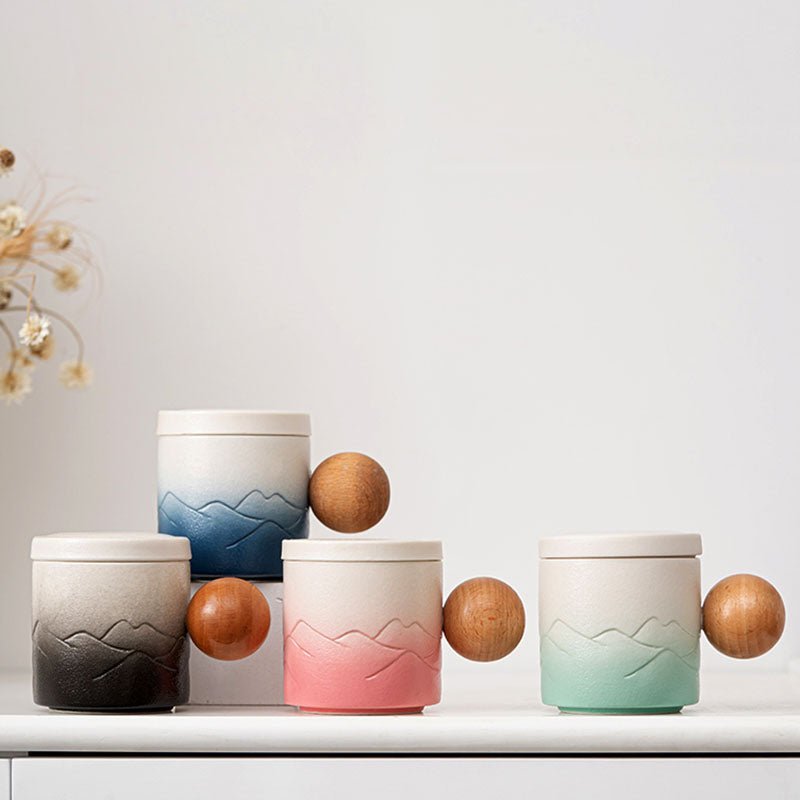
Pier One Imports Coffee Mugs: What to Buy Instead
If you are replacing a favorite Pier One mug, the right choice is usually about shape, handle comfort, and finish quality, not just the look. Here is how we compare daily-use replacements before th...
Leer más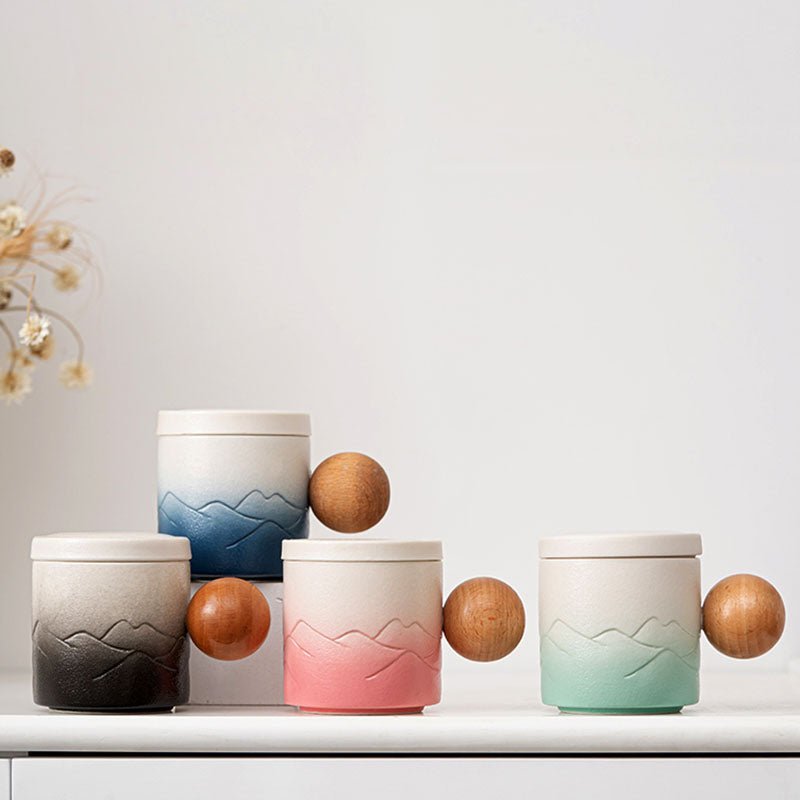
Rabbit Coffee Mug: How to Choose the Right Style for Daily Use
A rabbit coffee mug can be a sweet everyday cup or a gift that gets used, not tucked away. Here’s how to compare shape, capacity, care, and style before you buy.
Leer más
Dejar un comentario
Este sitio está protegido por hCaptcha y se aplican la Política de privacidad de hCaptcha y los Términos del servicio.