
Nautical Coffee Mugs: What to Buy for Daily Use and Gifts
Reading time: about 8 minutes
A mug can look perfect on a screen and still be awkward at the counter. That shows up fast with nautical coffee mugs: a handle that feels tight, a print that looks busy in person, or a cup that is more decorative than practical for daily coffee.
We see that split all the time in our store. Some shoppers want a true coastal piece with anchors, stripes, or harbor colors. Others want the same relaxed feel without going all-in on novelty. If you are comparing options, start with our full mug collection, then use this guide to sort out what actually matters before you buy.
What should nautical coffee mugs do besides look coastal?
A good nautical mug should feel usable before it feels themed. The design matters, but the real test is how it behaves on a kitchen counter, at a desk, or during a gift unboxing where the first impression happens in the hand, not just in a photo.
In our experience, the best buyers look for a few practical details:
- Handle clearance: enough room for two fingers without pressing your knuckles into the mug body.
- Stable base: a flat, even foot ring so the mug does not wobble on a desk or ship in a sink rack.
- Print placement: artwork that stays centered and leaves the rim clean, so the mug still feels refined after repeated use.
- Finish: glossy mugs show fingerprints and water spots more readily, while matte finishes can feel softer but may mark faster if they are not cared for gently.
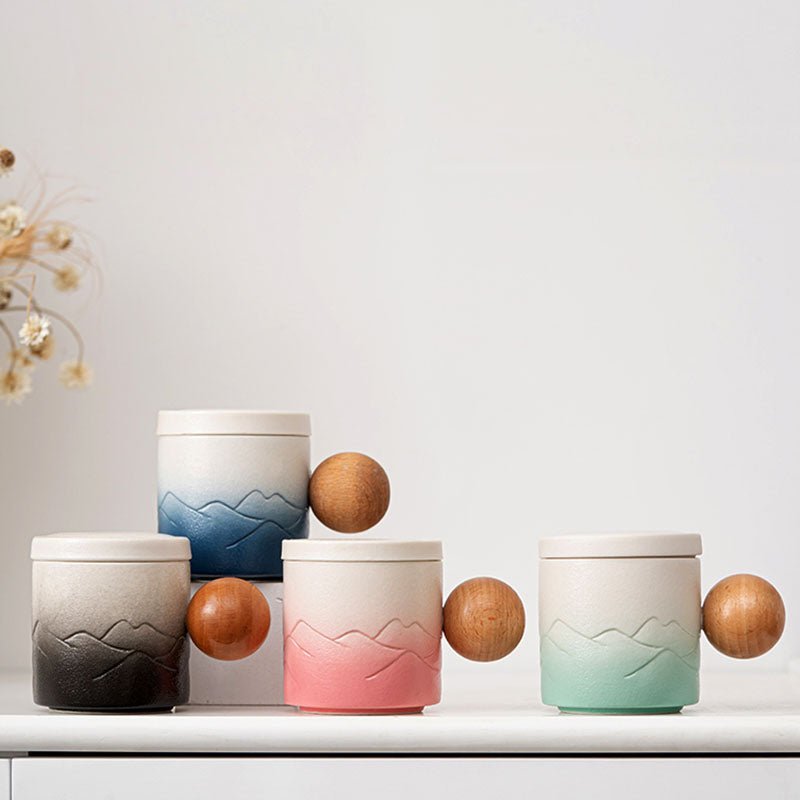
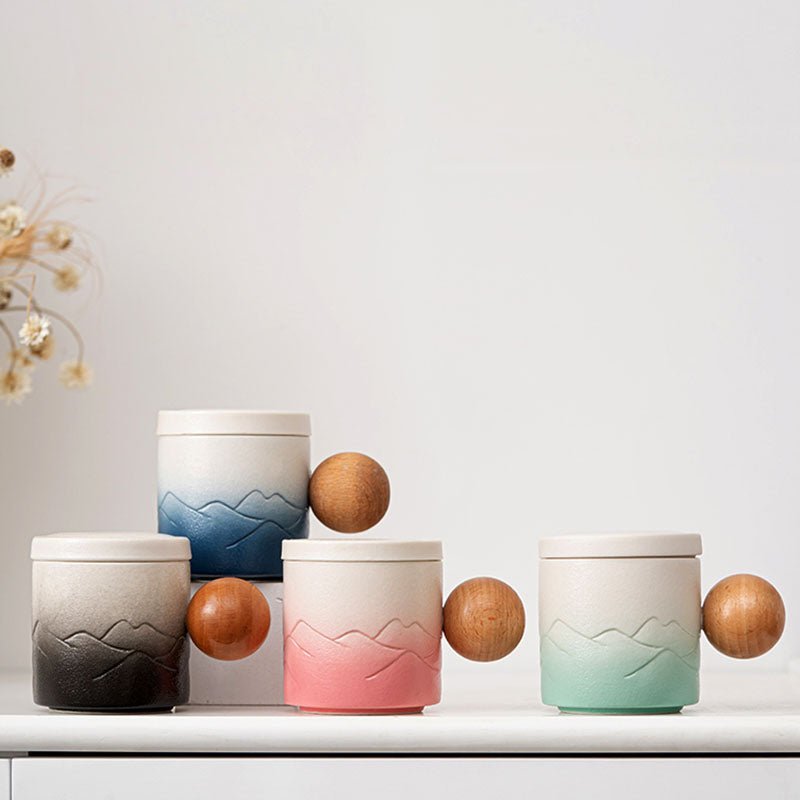
If you want something that feels themed but not overly literal, we often point shoppers toward simpler illustrated pieces like the Morning Night Coffee Tea Mug. For buyers who like a calmer scenic look, the Mountain Coffee Tea Mug and Great Mountain Coffee Tea Mug show how a mug can carry a mood without depending on a crowded print.
We see more regret from mugs that look clever than from mugs that look simple. A cleaner design usually ages better on the shelf and in the dishwasher.
Which size works best for daily coffee, tea, or espresso drinks?
Size changes the whole buying decision. A small mug can feel elegant, but it may not leave room for milk, foam, or a second pour. A larger mug is useful for tea, longer office sessions, or people who want one cup to last through the morning.
If you are choosing among common capacities, this is the practical breakdown we use:
| Capacity | Best for | Trade-off |
|---|---|---|
| 10 to 12 oz | Smaller coffee servings, espresso-based drinks, and buyers who like a compact hand feel | Less room for milk, cream, or extra volume |
| 14 oz | Daily coffee, tea, and desk use when you want a fuller pour without a heavy oversized mug | Can feel tall if the handle or wall profile is bulky |
| 16 oz | Large coffee, long tea sessions, and people who refill less often | Heavier when full and not ideal for small hands |
If you want a size-first comparison, our guides on 12 oz coffee mugs, 14 ounce coffee mugs, and 16 oz coffee mugs are the quickest way to match capacity to real use.
A nautical mug that is too small feels like a souvenir. One that is too large can crowd a shallow shelf or make the handle feel far from the body. For most everyday buyers, 12 to 14 oz is the sweet spot.
What materials and finishes last longest?
Most nautical coffee mugs shoppers end up choosing ceramic. It is the most familiar option for heat retention, it prints well, and it gives the mug that solid, kitchen-ready feel people expect. Ceramic is also the category where small quality differences show up fastest, especially around the rim, handle, and glaze.
Here is what we tell customers to compare:
- Ceramic: best for home, office, and gifting. It feels substantial and usually gives the cleanest printed finish.
- Enamel: better for a camp or cabin look, but it chips more easily and is not the right choice if you want a polished tabletop mug.
- Stainless steel: practical for travel, but it does not deliver the classic mug feel most people want for a coastal kitchen theme.
- Gloss finish: easier to wipe clean, though fingerprints and water spotting can show.
- Matte finish: visually softer, but it may show wear sooner if it is scrubbed with abrasive pads.
Common defect modes to watch for are simple and predictable: a rough rim, a handle with sharp edges, a glaze pinhole, a thin print near the lip, or a hairline crack where the handle meets the body. Those are the details we inspect first because they affect everyday use, not just the photo.
For decorated mugs, hand washing is the safest default unless the seller clearly says otherwise. Repeated dishwasher cycles on high heat can be hard on printed surfaces, especially if the mug is stacked tightly with heavier pieces.
Which designs make the best gifts, desk mugs, or cabin mugs?
Nautical coffee mugs work in different ways depending on where they are used. A gift mug should feel personal right out of the box. A desk mug should sit comfortably near a keyboard. A cabin mug should feel tough enough for regular use without looking precious.
- For gifts: choose a clean print, a balanced handle, and a size that feels easy to hold. Busy artwork can look exciting online and crowded in person.
- For desks: prioritize a stable base and a capacity that does not overfill from one coffee pour. A 12 or 14 oz mug is usually easiest to live with next to a laptop.
- For cabins or beach houses: choose a mug that feels relaxed and durable, but not so decorative that nobody wants to use it. Simple stripes, navy tones, and restrained iconography usually age better.
One trade-off deserves a straight answer: ceramic is not the best pick for open-deck boating or travel use. If the mug is going to bounce around, stainless steel or a handled travel tumbler makes more sense. A ceramic mug is better for the galley, the kitchen, the office, or the gift shelf.
If your buyer profile leans more toward understated art than literal anchors, the illustrated mugs we linked above are useful reference points. They show the kind of mug people keep reaching for after the novelty wears off.
How do you keep printed mugs looking good after repeated washing?
The best-looking mug can age badly if it is treated like a heavy diner cup. We usually recommend a simple care routine, especially for mugs with printed artwork or colored glaze detail.
- Rinse coffee or tea residue soon after use so stains do not set into the glaze.
- Use a soft sponge instead of a rough scrubber, especially around the printed area and rim.
- Avoid rapid temperature shock, such as moving a very hot mug straight into cold water.
- Stack carefully if you store mugs in cabinets. Rim-to-rim contact is where chips often start.
- If the print is delicate, keep the mug out of the heaviest dishwasher zone and do not crowd it against metal utensils.
These steps sound minor, but they are the difference between a mug that still looks sharp after months of daily use and one that picks up visible wear on the handle edge or lip. For buyers who use one mug every morning, that matters more than the artwork trend.
Frequently asked questions
Are nautical coffee mugs dishwasher safe?
Some are, but not all decorated mugs handle repeated dishwasher cycles equally well. If the print is applied lightly or the glaze is thin, hand washing will usually keep the mug looking better for longer. Check the product care notes before relying on the dishwasher every day.
What size is best for nautical coffee mugs?
For most daily buyers, 12 to 14 oz is the easiest range to live with. Twelve ounces works well for a smaller pour or a lighter hand feel, while 14 oz gives you more room for milk, tea, or a longer coffee. Sixteen ounces is better if you want a large serving and do not mind the extra weight.
Are nautical coffee mugs a good gift for boat owners?
Yes, if the person actually uses ceramic mugs at home or in a cabin. They are less useful for people who need something travel-proof on the water, because ceramic can chip. For a boat owner who likes coastal decor, they make a better kitchen or dockhouse gift than a boating accessory.
Do printed nautical mugs fade over time?
They can, especially if they are scrubbed aggressively or run through hot dish cycles constantly. The safest approach is gentle washing and avoiding abrasive pads on the printed area. Good print placement and a clean glaze help, but care still matters.
Should I choose a nautical mug or a plain mug?
Choose nautical if the mug is meant to feel like part of the room, the gift, or the theme of the home. Choose plain if you want the most flexible everyday mug and do not want the design to limit where it fits. A plain mug usually wins for minimum visual risk; a nautical mug wins when personality matters.
If you want a fast next step, compare capacity, handle comfort, and care instructions first, then browse our full mug collection to narrow down the mug that will actually get used, not just admired on the shelf.
Read more
New York Coffee Mug Buying Guide for Size, Handle, and Daily Use
A practical guide to choosing a New York coffee mug for desk use, gifts, or everyday coffee, with size checks, handle fit, care notes, and real trade-offs.
Leer más
How to Spot a Crap Coffee Mug Before You Buy
A bad mug fails fast: rough rims, weak handles, and glaze flaws show up at the sink, on the desk, or after a few dishwasher cycles. Here’s how we judge what is worth buying and what to skip.
Leer más
Dejar un comentario
Este sitio está protegido por hCaptcha y se aplican la Política de privacidad de hCaptcha y los Términos del servicio.