
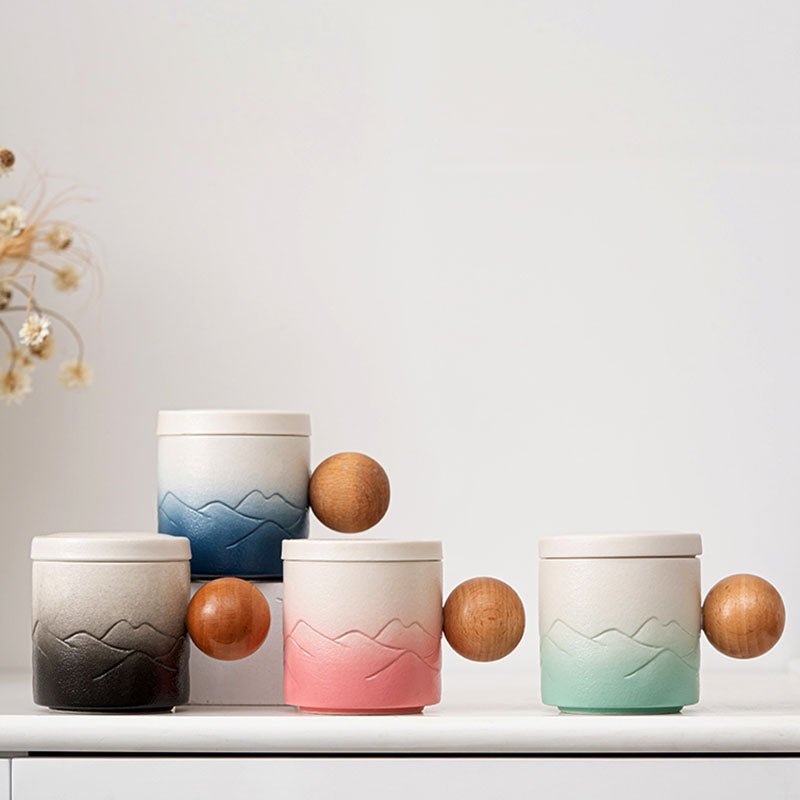
National Park Coffee Mugs: How to Choose the Right One for Daily Use
Reading time: about 10 minutes
The usual mistake is easy to spot in our store: someone falls in love with the park artwork, buys fast, and then realizes the mug is too small for their morning pour, awkward in the hand, or annoying to wash every day. National park coffee mugs should do more than look good in a photo. They need to work at a kitchen counter, on an office desk, and, if you are buying them as a gift, they need to feel worth unwrapping.
We handle a lot of mug comparisons, and the best ones always come down to the same practical checks: capacity, handle comfort, print durability, and care. A scenic design matters, but it is not the whole decision. If you want a mug you will actually reach for, start with the use case first and the artwork second.
What should you check first on a national park coffee mug?
Start with the part of the mug you will notice before you notice the design. That means the rim, the handle, the base, and the amount it holds. A mug that feels balanced in the hand tends to stay in rotation. A mug that is pretty but awkward often ends up on a shelf.
In our experience, the quickest way to narrow the field is to check these four points:
- Capacity: A smaller mug is usually better for tea, espresso-based drinks, or people who refill often. Larger cups suit drip coffee, office refills, and longer mornings.
- Handle fit: A handle should let two fingers pass through without twisting your wrist. If the handle feels tight in the store, it usually feels worse after a full pour.
- Rim comfort: A smooth, even rim matters more than most shoppers expect. If the lip feels thick or uneven, the mug can feel clunky every day.
- Care instructions: If you want low-maintenance daily use, check whether the listing says dishwasher safe and microwave safe. Decorative mugs with special finishes sometimes need hand washing.
That is the short version. The longer version is simple: buy for the person who will drink from it, not only for the park that is printed on it. If the mug is going to live on a desk, you want stability. If it is going to be a souvenir, you want the art to stay sharp after regular washing. If it is going to be used in a camper or around a campfire, a classic ceramic souvenir mug may not be the best tool.
Which material works best for daily use?
Material matters because it determines how the mug feels, how it cleans, and what kind of use it can handle. We see buyers choose based on appearance and then discover that the material is the real deciding factor. A park scene on a mug is one thing; the body of the mug is what decides whether you enjoy it every morning.
| Material | Best for | Trade-off |
|---|---|---|
| Ceramic | Home coffee, desk use, gifting, display | Can chip if knocked against a sink or counter |
| Enamel-coated steel | Camping, picnic use, rustic styling | Can show chips at the rim and is not as insulating as a travel mug |
| Stainless steel | Commute, cup holders, long heat retention | Does not give the same classic souvenir look |
Ceramic is usually the safest choice for the classic national park coffee mug look. It feels familiar, it photographs well, and it works on a desk without looking out of place next to a laptop and notebook. The limitation is fragility. A hard hit against a sink edge or granite counter can leave a chip. If the mug is for daily home use, that is manageable. If it is for a backpack or campsite, it is not the most durable option.
Enamel has a different appeal. It feels outdoorsy and fits the national park theme naturally, but it is not as smooth to drink from as a well-finished ceramic rim, and the coating can wear at the edge over time. Stainless steel is the practical answer for commuters, but it is usually the wrong pick if the buyer wants a souvenir-style mug to sit next to a stack of trail photos.
If you want more help with capacity choices, our related guides on 12 oz Coffee Mugs: How to Choose the Right Mug for Daily Use, 14 Ounce Coffee Mugs: Size, Fit, and Buying Guide, and 15 oz Coffee Mugs: Size, Fit, and Daily Use Checklist are useful companions to this article.
How do size and shape affect comfort at home or at the office?
Size is where a lot of buying decisions go wrong. A mug can look substantial online and still feel undersized once you pour real coffee into it. It can also look oversized and then turn out to be exactly what you wanted for slow desk sipping. Shape matters for the same reason. A mug with a wide body can be easy to hold but harder to fit under a single-serve machine. A narrow mug stores better but may feel less stable on a crowded desk.
If you are comparing different mug silhouettes, the shape is worth paying attention to before you commit to a theme. Our Planet Coffee Tea Mug, Rhombus Coffee Tea Mug, and Handbag Coffee Tea Mug show how much comfort can change from one body style to another. Even when the capacity feels similar, the balance point, handle angle, and overall feel can be very different.
- Choose smaller sizes if you prefer tea, espresso drinks, or coffee that cools quickly.
- Choose medium sizes if you want one mug for daily drip coffee without constant refills.
- Choose larger sizes if you work at a desk and tend to sip slowly through meetings.
- Choose a simpler shape if you stack mugs in a cabinet or want a more universal gift.
There is also a practical ceiling to keep in mind. Bigger is not always better. Very large mugs can feel heavy once full, and the handle can become harder to use if the mug is rounded or top-heavy. For buyers who care more about comfort than capacity, a slightly smaller mug with a better handle often beats a giant novelty mug.
If you are buying for someone who already has a favorite mug size, match that size first and the park design second. That sounds basic, but it is the difference between a mug that gets used and a mug that gets admired from across the room.
Are national park coffee mugs good gifts?
Yes, but only if the mug looks intentional rather than generic. A national park mug works well as a gift when the design connects to a trip, a favorite destination, or a shared memory. It works less well when the buyer is guessing and hoping the recipient likes the style. We see the best results when people buy with one concrete use in mind: morning coffee at home, office desk use, or a keepsake from a trip.
If you are shopping for a gift, start with our all mugs collection and compare the mug shape before you focus on the artwork. Then, if you want to pair that with more buying context, our park-specific guide Yellowstone National Park Coffee Mugs: What to Check Before You Buy is a good example of what to inspect in a destination-themed mug.
A gift mug should usually check three boxes:
- It should feel easy to use. If the handle is cramped or the mug is too heavy for the person receiving it, the design will not save it.
- It should match the setting. Desk gift, kitchen gift, cabin gift, and camping gift are not the same category.
- It should survive normal washing. A gift that needs special handling often becomes a display piece, not a daily mug.
That last point is where expectations matter. National park coffee mugs are usually better as everyday kitchen or office mugs than as rugged outdoor gear. If someone wants something for a backpacking trip or a cup holder, a travel mug is the better tool. If they want the feeling of a national park stopover on a weekday morning, a ceramic mug is the better fit.
What defects and care issues should you look for before buying?
This is the part many shoppers skip, and it is the part we inspect first. A mug can have a great design and still be a poor buy if the finish or build is off. The most common issues are not dramatic, but they matter in daily use.
Here is what we check in real life:
- Hairline cracks: Any crack near the handle or base is a no-go. Even small cracks can become bigger after temperature changes or regular washing.
- Rim chips: A tiny chip on the drinking edge is enough to make the mug unpleasant to use.
- Wobble: Put the mug on a flat counter. If it rocks, it will annoy you every morning.
- Print alignment: On graphic mugs, an off-center image can make the mug look sloppy even if the ceramic itself is fine.
- Glaze quality: Pinholes and rough patches are not always deal-breakers, but they can catch your eye every time you wash the mug.
Care is just as important. If the listing says hand wash only, believe it. Decorative prints, metallic accents, and specialty finishes often need gentler cleaning than plain ceramic. A dishwasher-safe mug is easier to live with, but even then, the safest route for long-term print clarity is to avoid harsh scouring pads and let the mug cool before washing. Sudden temperature swings can stress ceramic, especially if the mug goes from boiling coffee to a cold sink.
In practical terms, the best national park coffee mugs are the ones that hold up to ordinary life: countertop bumps, repeated dishwasher cycles, and the occasional hurried rinse before a second cup. If a mug looks delicate enough that you feel like you need to baby it, it is not a great daily-use purchase.
Which national park coffee mug should you buy for your situation?
If you are still deciding, use the situation first and the style second. That keeps the choice grounded. It also prevents the common mistake of buying a mug that looks right in a listing but feels wrong in the hand.
- For a daily home coffee drinker: Choose a ceramic mug with a comfortable handle, easy-care finish, and a size that matches the amount you actually pour.
- For an office desk: Choose a stable mug with a shape that does not tip easily and a capacity that avoids constant refills during meetings.
- For a gift: Choose a mug with broad appeal, a clean print, and a size that works for most people without feeling oversized.
- For camping or the trail: A decorative souvenir mug is usually not the best choice. A rugged travel or enamel option is more practical.
We approach mug buying the same way in our store. We ask how the mug will be used, how it will be washed, and how long the buyer expects it to stay in service. That keeps the decision honest. A beautiful mug that fails those questions is not a good purchase, no matter how strong the park artwork is.
Frequently asked questions
Are national park coffee mugs dishwasher safe?
Some are, some are not. Check the listing for the specific care instructions before you buy, especially if the mug has specialty printing or decorative accents. If the mug will be used every day, dishwasher safety is one of the most useful details to confirm.
What size national park coffee mug is best for daily use?
For most people, a mid-size mug is the safest starting point because it handles everyday coffee without feeling too small or too heavy. If you drink tea or smaller pours, a smaller mug may feel better. If you sip slowly at a desk, a larger mug can be more practical.
Are national park coffee mugs good gifts for travelers?
Yes, if the park connection is meaningful. A mug tied to a specific trip, favorite trail, or shared memory usually lands better than a random scenic design. For gifting, choose a shape that feels comfortable in the hand and a style that does not need special care.
Can I use a national park coffee mug for camping?
You can, but a standard ceramic souvenir mug is not the most durable camping option. It is better for cabin mornings, picnic tables, and indoor use. For rougher outdoor use, enamel or a travel mug is usually the smarter pick.
What should I avoid when buying a themed mug online?
Avoid mugs with vague size information, missing care details, or photos that hide the handle and rim. Those are usually the spots where comfort problems show up. We also avoid mugs that look decorative but seem too fragile for normal washing.
If you want the fastest way to narrow your choice, start with size, then check handle comfort, then compare care instructions. After that, browse our all mugs collection and pick the mug that fits the way you actually drink coffee.
Read more
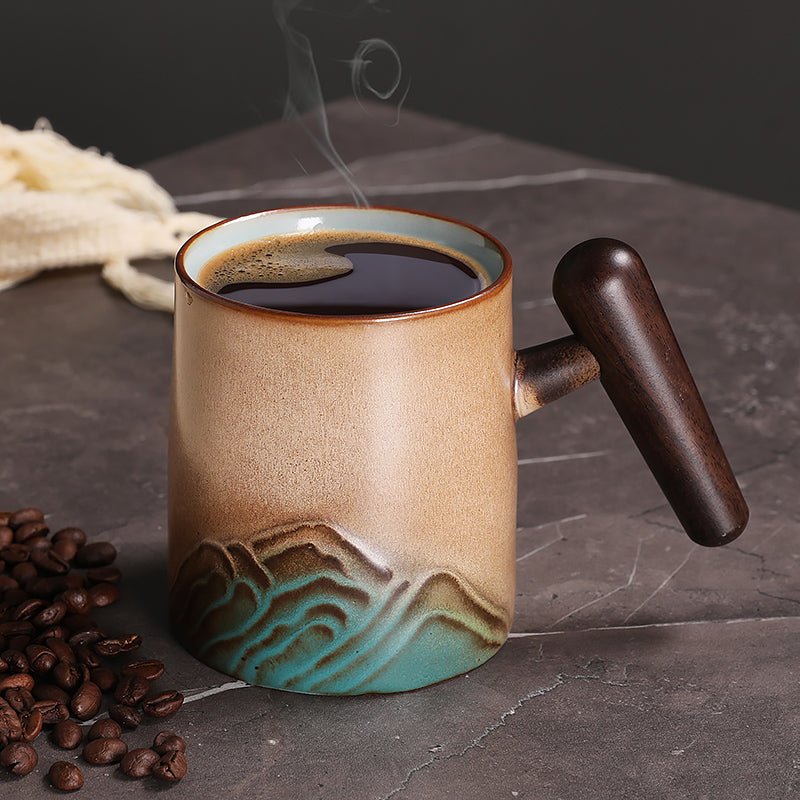
Titanium Coffee Mug Buying Guide: What Matters Before You Buy
A titanium coffee mug makes sense if you want something light, packable, and corrosion-resistant. We break down the details that matter, the trade-offs that get missed, and when a ceramic mug is th...
Leer más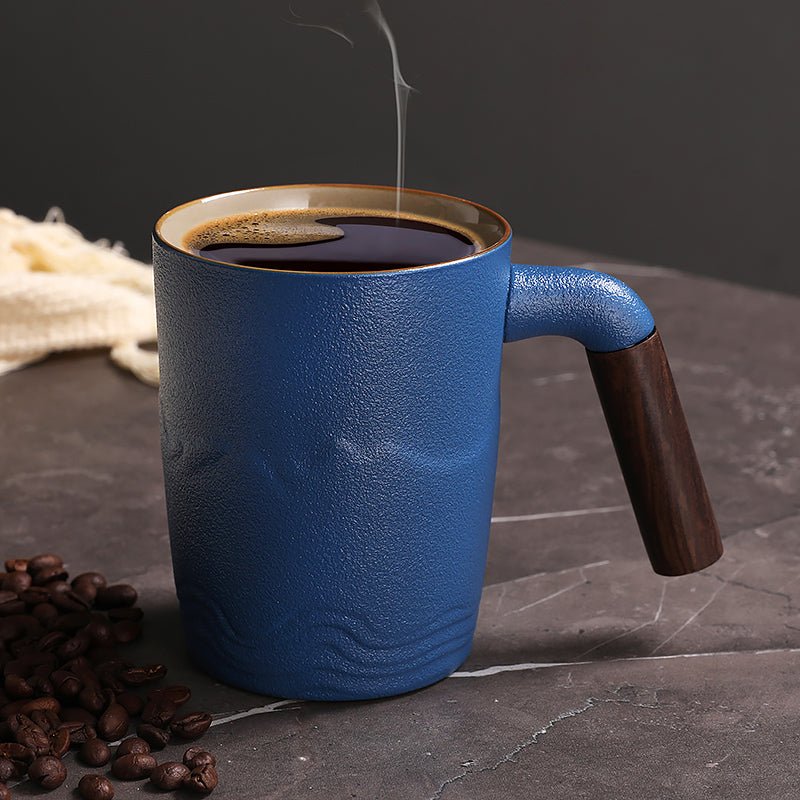
FBI Coffee Mug: What to Check Before You Buy One
An FBI coffee mug works best when the size, handle, and print quality match how you actually drink coffee. Here’s how we compare desk-ready mugs, gift picks, and daily-use options.
Leer más
Dejar un comentario
Este sitio está protegido por hCaptcha y se aplican la Política de privacidad de hCaptcha y los Términos del servicio.