
Mutton Fat Jade Buying Guide: Color, Texture, and Value
Reading time: about 9 minutes
A mutton fat jade piece can look almost plain in a product photo, then feel completely different in hand. Under warm indoor light, that creamy white surface may read soft and oily; under harsh light, the same stone can look flat, gray, or slightly chalky. That gap is where a lot of buyers get stuck.
We see the same problem in our store with customers comparing finishes, color balance, and surface feel before they buy. The difference is that with mutton fat jade, the details matter more than the label. If you are shopping for a real collector piece or a meaningful gift, you need a clear way to judge what you are seeing, what you are not seeing, and what is worth paying for.
For a deeper breakdown of color and texture terms, our guides Jade Mutton Fat Buying Guide: Color, Texture, and Value and Mutton Fat Jade: How to Judge Color, Texture, and Value cover the core grading language. This article focuses on the buying decision itself.
What does mutton fat jade actually look like?
Mutton fat jade is prized for a creamy white to off-white body color that often carries a warm, slightly waxy appearance. The best pieces do not look icy or stark. They look settled, even, and softly luminous, almost like milk warmed by sunlight rather than bright enamel.
Buyers often expect one flat color, but real pieces vary. Some lean more ivory. Others have a faint yellow or gray cast. The better question is not, "Is it perfectly white?" It is, "Does the color look clean, even, and coherent from edge to edge?"
Here is what we look for first:
- Body color: creamy white, warm white, or soft ivory without a muddy cast.
- Translucency: a gentle light passage that does not turn glassy or overly transparent.
- Surface feel: a dense, smooth look that reads waxy rather than chalky.
- Consistency: fewer abrupt dark patches, unless the piece is intentionally patterned.
If a stone looks bright white under one lamp but gray in normal daylight, that is usually a sign to slow down. The light source may be flattering the photo more than the jade.
How do you judge texture, not just color?
Texture is where mutton fat jade separates from ordinary white stone. In hand, good material should feel dense and controlled, with a finish that seems to absorb light slightly instead of reflecting it like polished plastic. That tactile quality is part of the appeal.
We pay attention to three practical cues:
- Surface finish: a proper polish should look smooth without appearing greasy or smeared.
- Internal structure: the stone should not show obvious cracks, pits, or cloudy breaks that interrupt the flow of the material.
- Edge behavior: clean edges usually indicate better workmanship, while ragged edges can hide chips or weak points.
Texture is also where buyers can get misled by online photos. A piece shot close to a ring light may look uniformly silky, while the actual item reveals uneven polishing, tiny fissures, or a flatter body color. If the listing does not show a side view, a close-up of the back, and a daylight image, treat that as a gap, not a minor omission.
In our experience, the safest purchase is the one where the seller shows the stone from multiple angles and names the defects plainly. If a piece is clean, the photos should make that easy to see.
What separates a better piece from an average one?
Value in mutton fat jade is not only about being light colored. Buyers usually pay for a combination of color, texture, craftsmanship, and scarcity of visible flaws. A piece with warm, even color and a refined polish can be more desirable than a whiter piece that looks lifeless or heavily treated.
We think about value in a very practical way:
| What to inspect | Better sign | Warning sign |
|---|---|---|
| Color | Even creamy white with gentle warmth | Patchy white, gray cast, or harsh brightness |
| Texture | Dense, waxy, and cohesive | Chalky, cloudy, or overly glossy |
| Imperfections | Minor marks that do not interrupt the look | Visible cracks, chips, or obvious repairs |
| Finish | Clean polish with controlled reflection | Uneven shine or dull, unfinished areas |
There is also a limit to what visual grading can tell you. Photos cannot prove origin, treatment history, or long-term stability. If a seller makes broad claims without documentation, that should affect your confidence even if the piece looks good at first glance.
What should you ask before buying online?
Buying mutton fat jade online is reasonable, but only if the listing gives you enough information to make an informed call. The most useful sellers answer questions before you need to ask them. That saves time and reduces returns.
We would want to know these things before purchasing:
- Is the piece natural jade, and if so, what type? The material should be described clearly, not vaguely.
- Are there any visible cracks, chips, or repairs? Small flaws should be disclosed, not hidden in vague lighting.
- How was it photographed? Daylight, indoor light, and close-up views all matter.
- What is the return policy? A buyer should know the process before checkout.
- What exact size is it? Dimensions matter more than many shoppers expect, especially for pendants, carvings, and display pieces.
That same clarity is how we present our own products. If you browse our full collection, you will see that we prefer straightforward descriptions and real-use context over vague style language. That approach matters just as much with tableware as it does with stones.
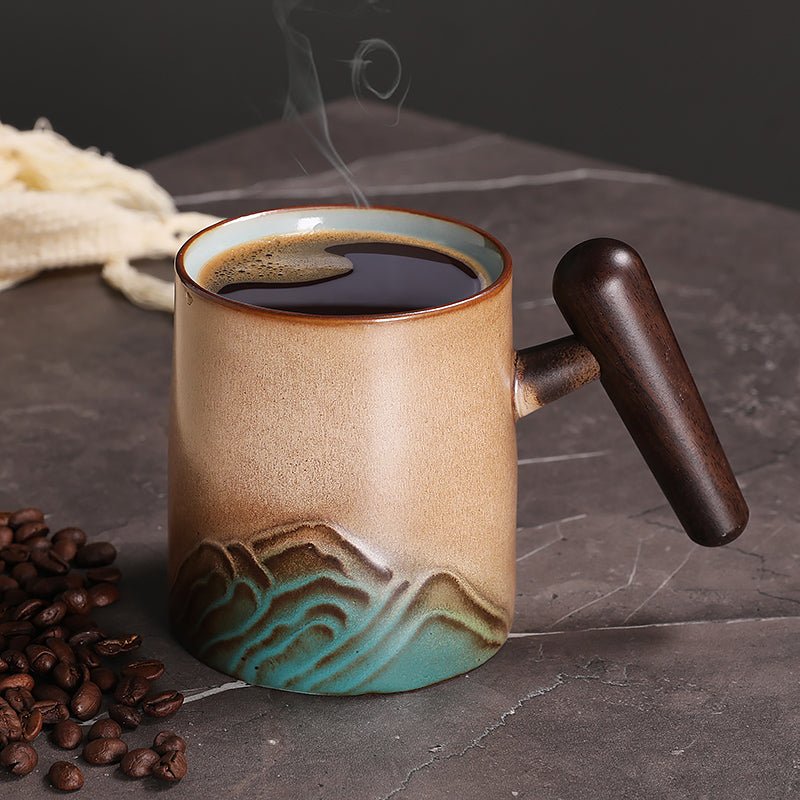
If you are drawn to the soft, cream-forward look of mutton fat jade, you may also appreciate the calm, neutral tone of our White Golden Waves Tall Coffee Tea Mug or the more grounded silhouette of the Mountain Tall Coffee Tea Mug. Those are not jade pieces, of course. They are simply examples of the same restrained color logic: warm, quiet, and easy to live with on a kitchen counter or office desk.
Which defects should make you pause?
Not every flaw is a dealbreaker, but some should slow you down. Buyers often get distracted by the overall color and miss structural issues that affect durability or long-term satisfaction.
We would pause on these conditions:
- Hairline cracks: even small ones can matter if they run into a stressed area.
- Repaired breaks: these can change the visual flow and future stability.
- Heavy clouding: if the stone looks muddy instead of softly luminous, the appeal drops fast.
- Artificially bright photos: overexposure can hide uneven color and surface marks.
- Unclear treatment claims: if the seller avoids specifics, the risk is higher.
Mutton fat jade is not the best choice if you want a stone with dramatic green veining or sharp pattern contrast. It also is not ideal if your main goal is maximum sparkle. This is a quieter material. Its strength is restraint.
How do gifting and everyday use change the choice?
A buyer choosing for display has different needs from someone buying a gift. For display, proportions and finish may matter most. For gifting, the emotional read of the stone matters more. A smooth, even, softly colored piece usually lands better than something technically rare but visually demanding.
We see a similar split with mugs. Someone shopping for a desk mug wants a shape that sits well beside a laptop, survives daily handling, and feels balanced in the hand. Someone buying a gift wants a piece that unboxes cleanly and looks thoughtful right away. The same thinking applies to jade.
If you are choosing mutton fat jade as a gift, the safest path is usually:
- Select a piece with obvious visual calm rather than a complicated or noisy pattern.
- Favor clean workmanship over oversized scale.
- Make sure the seller shows the exact item, not a stock image.
- Confirm packaging and return terms before placing the order.
For buyers who like that soft, polished presentation in everyday objects too, our Handbag Coffee Tea Mug brings that same giftable feel to a practical piece that works on a breakfast table or in a work bag. It is not a substitute for jade, but it does suit a buyer who values a refined, understated look.
How should you care for a mutton fat jade piece?
Care is simple, but it should be consistent. Most pieces do best with gentle handling, soft cloth cleaning, and protection from hard knocks. If a seller gives care advice that sounds casual or vague, ask for specifics.
Our practical care checklist would be:
- Wipe with a soft, dry cloth after handling to keep skin oils from building up.
- Store separately from harder items so it does not pick up scratches.
- Avoid aggressive cleaners or abrasive pads.
- Keep an eye on sudden changes in appearance after cleaning, which can expose hidden surface issues.
That approach is not about being precious. It is about preserving what you paid for. A good stone should still be easy to live with, just not treated like a countertop accessory or tossed into a catch-all tray.
Frequently asked questions
How can I tell if mutton fat jade is real from photos?
You cannot confirm authenticity from photos alone. What you can judge is whether the listing shows consistent color, multiple angles, close-ups, and clear disclosure of flaws. If the images are heavily filtered or only show one flattering angle, ask for more before buying.
Is whiter mutton fat jade always better?
No. A piece that is too stark can lose the soft warmth that gives mutton fat jade its appeal. Many buyers prefer an even creamy tone with gentle translucency over a bright white look that feels flat or unnatural.
What flaws are acceptable in a lower-cost piece?
Minor surface variation or a small amount of cloudy structure can be acceptable if the piece is otherwise attractive and the seller is transparent. Cracks, repairs, and poorly disclosed chips are different. Those should be treated as real reasons to pass or negotiate carefully.
Does mutton fat jade need special storage?
It does not need elaborate care, but it should be stored away from harder stones, metal, or anything that can scratch it. A soft pouch or separate compartment is usually enough. The goal is simple: avoid impact and abrasion.
What should I buy instead if I want more color contrast?
If you want stronger contrast, look at jade with green veining, darker body color, or more visible pattern movement. Mutton fat jade is the quieter choice. It is better for buyers who want calm, even color rather than drama.
If you are still comparing options, use this checklist: color looks even in daylight, texture reads waxy rather than chalky, the seller shows multiple angles, defects are disclosed, and the piece matches the kind of restraint you actually want to live with. If you want to explore more clean, display-friendly pieces for everyday use, browse our collection and compare the finishes before you decide.
Read more
Best Coffee Portable Mug: What to Buy for Commute, Desk, and Gifting
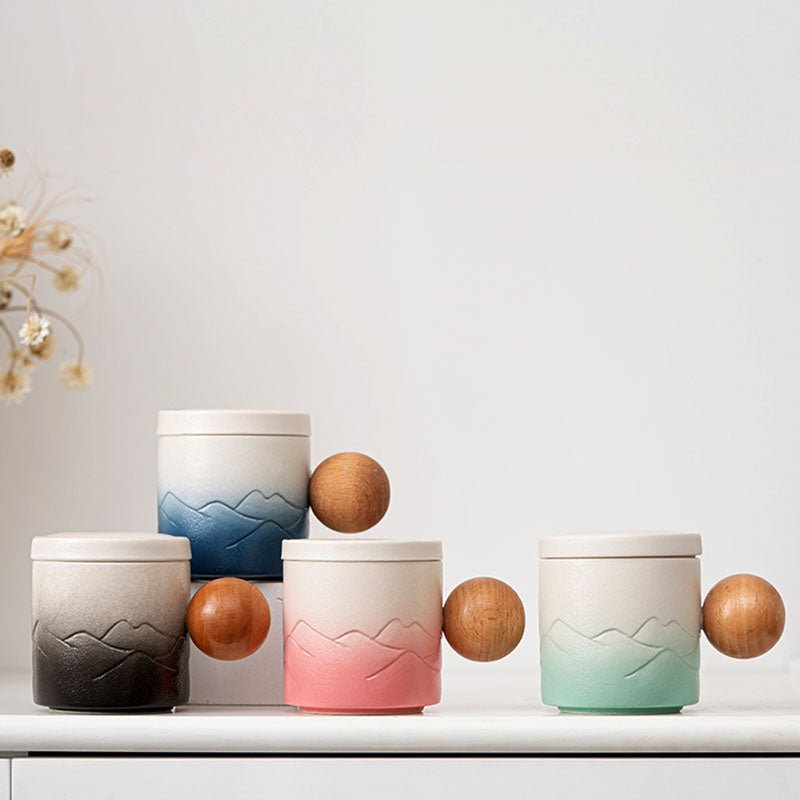
We break down what actually matters in a portable coffee mug: size, lid seal, cleanability, and where each style fits best. If you want a mug that works on a desk, in the car, or as a gift, this gu...
Leer más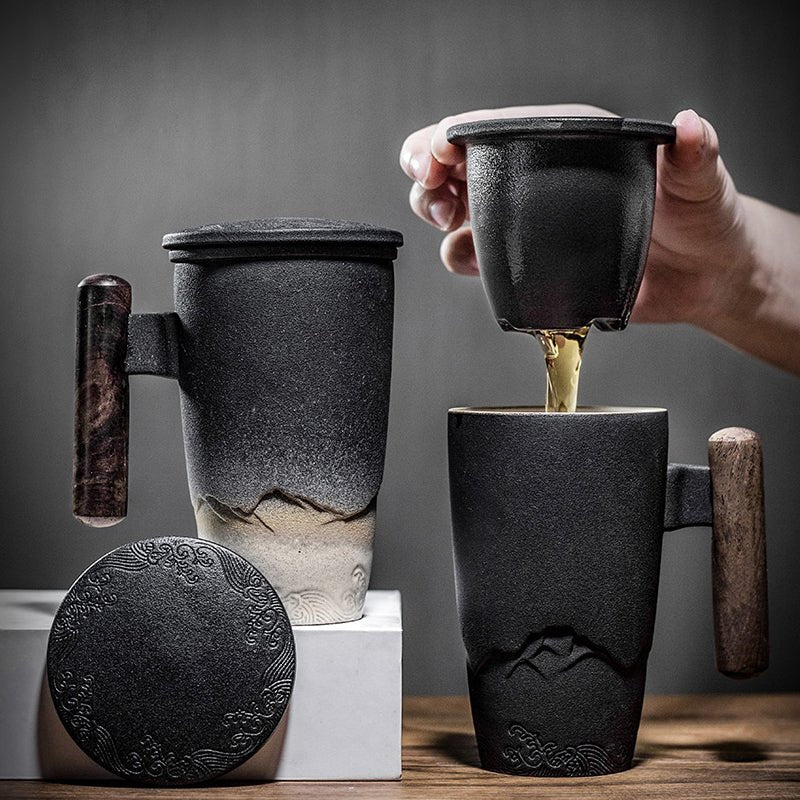
Tall Coffee Mug Buying Guide: Shapes, Sizes, and Best Uses
A tall coffee mug changes how a drink pours, sits on the table, and feels in the hand. This guide covers the real trade-offs so you can choose the right shape for daily coffee, tea, and latte use.
Leer más
Dejar un comentario
Este sitio está protegido por hCaptcha y se aplican la Política de privacidad de hCaptcha y los Términos del servicio.