
Melting Coffee: What It Usually Means and How to Fix It
Reading time: about 11 minutes
The complaint usually sounds the same in our store: the coffee went flat, watery, or oddly separated before the mug was even halfway empty. Sometimes the customer means the drink changed texture. Sometimes they mean a plastic lid softened, a printed finish dulled after repeated dishwasher cycles, or the cup got too hot to hold comfortably. Very rarely does "melting coffee" mean one single problem.
In day-to-day use, melting coffee is usually a mix of heat loss, ingredient separation, and poor drinkware fit. We have seen it on kitchen counters where a large mug leaves too much air above a small pour, on office desks where coffee sits for forty minutes between calls, and in gift mugs that look great in the box but are not built for repeated hot fills. If you are browsing options, our full mug collection is the easiest place to compare styles that are meant for regular coffee and tea use.
What does “melting coffee” usually mean in real use?
Most shoppers are describing one of four things, and the fix depends on which one is happening.
- The coffee is thinning out. Ice melts in iced coffee, whipped foam collapses, or milk separates after the drink sits.
- The mug loses heat too fast. The coffee cools down quickly, which changes body and flavor and makes the whole drink feel flat.
- A cup component softens. This is common with plastic lids, silicone seals, or decorative add-ons on lower-quality drinkware.
- The mug becomes unpleasant to handle. Thin walls and cramped handles can make a hot mug feel harsher than it should.
That distinction matters. A ceramic mug body is not going to melt from normal brewed coffee, but a poorly made accessory can warp, and a badly chosen mug can make coffee seem like it is "melting" because the drink loses structure so fast. In our experience, shoppers often blame the coffee first when the real culprit is mug size, material, or heat management.
Why does hot coffee seem to break down so quickly in some mugs?
Heat leaves fast when there is too much exposed surface area, too much empty space in the cup, or a thin vessel wall. That is why a half-filled oversized mug often performs worse than a properly filled standard mug. The coffee cools, the oils settle differently, and milk-heavy drinks lose their smooth look faster.
We also see a second issue: repeated reheating. Coffee that gets microwaved two or three times in the same morning tends to taste duller, and the mug goes through more thermal stress. If the mug already has a weak glaze line, a rough seam near the handle, or early crazing in the finish, repeated hot-cold cycles can make those flaws more obvious over time.
Three specific details matter more than most shoppers expect:
- Wall thickness. A very thin ceramic mug usually sheds heat faster than a sturdier body.
- Headspace. Leaving a little room below the rim helps prevent slosh, but too much empty space cools coffee faster.
- Handle clearance. If you can barely fit two fingers through the handle, the mug may feel awkward once the body gets hot.
That is one reason we tell customers not to shop by artwork alone. A mug can have a beautiful print and still be annoying at 7:15 a.m. when you are pouring fresh coffee, carrying it to a desk, and trying not to spill over the rim.
Which mug materials deal with heat best?
For most home coffee drinkers, ceramic remains the most practical middle ground. It feels stable, does not usually hold onto old coffee odors the way some plastics can, and works well for standard hot drinks. But ceramic is still a broad category, and shoppers often lump together very different products.
| Material | What it does well | Main trade-off |
|---|---|---|
| Ceramic | Solid everyday choice for hot coffee, comfortable hand feel, easy to style on a counter or desk | Can chip on sink edges or if knocked against another mug |
| Stoneware-style ceramic | Often feels a bit more substantial and can support heat retention better than very thin cups | Usually heavier in the hand |
| Porcelain | Smooth finish and refined look for gifting or tidy kitchen setups | Often feels lighter and may not be the first pick for rough daily handling |
| Plastic travel cups | Portable and lighter to carry | Lids, seals, and body parts can retain odor or soften if quality is poor |
| Double-wall insulated tumblers | Best for long commutes and slow sipping over time | Less of a classic mug feel and not always as giftable or display-friendly |
We sell decorative coffee mugs, so we are careful about the trade-off here. A ceramic mug is excellent for kitchen counters, reading nooks, work-from-home desks, and gift giving. It is not the right tool if your main goal is keeping coffee hot through a ninety-minute commute in a bag. In that case, an insulated tumbler is the better category.
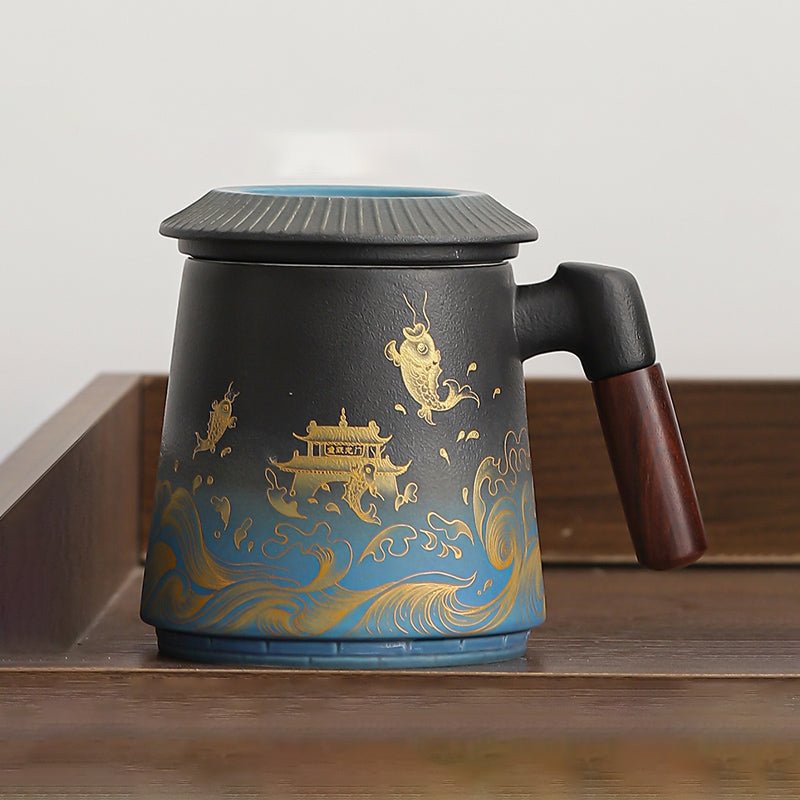
If you want a ceramic option that still feels intentional on a shelf or breakfast table, pieces like the Elk and Moon Coffee Tea Mug and the Koi Fish Coffee Tea Mug fit the kind of everyday use where appearance and comfort both matter.
Can the mug itself be the reason your coffee tastes or looks worse?
Yes, and not in a mystical way. It is usually one of a few practical problems.
- The mug is too large for your usual pour. A small serving spreads out and cools too quickly.
- The rim is too wide. More surface exposure means faster heat loss.
- The material is too thin. The cup gets hot in your hand while the drink cools faster than expected.
- The interior finish is rough or worn. Coffee residue clings more easily, which affects cleanup and can influence the next cup.
We notice this most with milk-based drinks and flavored coffee. A black drip coffee can tolerate some cooling without looking strange, but a latte, cappuccino, or sweetened iced coffee shows texture changes fast. Foam falls. Ice dilution becomes obvious. Cream separates at the edges. That is often the moment shoppers describe as melting coffee.
Another overlooked issue is residue from poor rinsing. If sugary syrups or flavored creamers dry around the inner wall, the next hot pour can loosen old residue and make the drink seem off. A smooth glazed interior and prompt washing matter more than people think, especially if the mug cycles between coffee, tea, and cocoa during the week.
What should you look for if you want a mug that handles hot coffee better?
We use a straightforward checklist when helping customers compare mugs in this category. It is less about hype and more about how the mug behaves after a month of real use.
- Choose a stable ceramic body. For regular home coffee, ceramic is still the safest bet for balancing looks, comfort, and heat handling.
- Check the handle shape. You want enough clearance for a secure grip, especially if you carry coffee from the kitchen to a desk.
- Look at the rim. A smooth, even rim is easier to sip from and easier to clean.
- Think about where the mug will live. A shelf display mug, a work mug, and a gift mug for daily use are not always the same purchase.
- Be honest about your routine. If you repeatedly reheat coffee or walk around with it, that should change what you buy.
In our store, we also pay attention to whether a mug still feels satisfying after the novelty wears off. The The Crane Coffee Tea Mug is a good example of a style people often leave out on the counter because it earns a place in the daily rotation instead of being boxed away after gifting.
What this type of mug is not good for: long commute heat retention, one-handed spill-proof travel, or being tossed into a packed tote with keys and cables. Decorative ceramic shines in seated, everyday drinking. It is less ideal for rough transport.
How can you stop melting coffee at home or at work?
Most fixes are simple. They just need to match the problem.
If your coffee is cooling too fast, start with mug fit. Use a mug that matches your normal pour instead of filling a large one halfway. If milk is separating or foam is collapsing, stir before sipping and avoid letting the drink sit in a drafty room for too long. If a lid or accessory is softening, stop using that piece with very hot drinks and switch to a plain ceramic mug for desk use.
These are the habits we recommend most often:
- Warm the mug first. A quick rinse with hot tap water helps reduce the shock of pouring very hot coffee into a cold cup.
- Avoid boiling-to-freezing jumps. Taking a cold mug straight from a chilly windowsill and filling it immediately can stress the glaze and body.
- Do not overfill. Leaving a small margin below the rim reduces slosh and keeps the outside cleaner.
- Wash soon after use. Dried milk and syrup residue are much harder to remove once baked on.
- Store carefully. Rim chips usually happen in sinks and crowded cabinets, not while the mug is on the table.
We have handled enough returned or replaced drinkware to know the failure points are usually boring, not dramatic. Tiny chips near the rim. Handle discomfort after repeated use. Surface wear from mugs clacking together in a cabinet. Those small details are what separate a mug that lasts from a mug that gets pushed to the back shelf.
Our rule is simple: if a mug cannot survive the daily cycle of hot fill, desk time, sink rinse, and cabinet storage, it is not a strong everyday coffee mug no matter how attractive the design is.
Are decorative mugs still a smart choice if melting coffee is your concern?
Yes, if you are buying for the right setting. Decorative ceramic mugs make sense for home use, guest coffee, gifting, and office desks where you want a mug that feels personal instead of generic. They also make more visual sense on open shelving and breakfast tables than most insulated tumblers.
The trade-off is function under movement. If you need something to keep coffee hot for hours in the car, decorative ceramic is not your best option. If your actual routine is brewing, sitting down, and finishing a cup over the next twenty minutes, this category works very well. That is where thoughtful designs from our mug collection tend to land: practical enough for everyday use, but still attractive enough to gift or display.
Shoppers who want a calmer, natural look often lean toward the Elk and Moon Coffee Tea Mug. Buyers looking for something brighter and more expressive often prefer the Koi Fish Coffee Tea Mug. The point is not that one of these will make coffee immortal. The point is that the right ceramic mug supports a better everyday drinking experience and avoids the weak plastic parts that cause many heat complaints in the first place.
Frequently asked questions
Can coffee actually melt in a mug?
Not in the literal sense most people imagine. Usually "melting coffee" means the drink is losing heat, ice is diluting it, foam is collapsing, or milk is separating. In some cases, a plastic lid or accessory is the part reacting poorly to heat, not the coffee itself.
Why does my coffee go watery so fast?
This is common with iced coffee, drinks with a lot of milk, or coffee served in a mug that is too large for the amount poured. More exposed surface area and melting ice both speed up the change in texture. Using a better-sized mug and drinking sooner usually helps.
Do ceramic mugs keep coffee hot longer than thin cups?
Often, yes. A sturdier ceramic mug usually feels more stable and can hold heat better than a very thin cup, especially for normal home coffee use. It will not outperform a true insulated travel tumbler for long-duration heat retention, though.
Can a mug be damaged by repeated hot coffee?
Yes, especially if it goes through sharp temperature swings or rough dishwasher and sink handling. The usual issues are small rim chips, glaze wear, early crazing, or softening in plastic accessories. The ceramic body itself is generally fine with normal hot coffee when it is made for drinkware use.
What is the best mug style if melting coffee bothers me?
If the problem is quick cooling at home or on a desk, a well-made ceramic mug is usually the best place to start. If the problem is carrying coffee for a long commute, choose an insulated tumbler instead. Match the mug to the routine, not just the design.
What is the most useful next step before you buy?
Check your actual coffee routine against the mug category. If you mostly drink at a kitchen table, on the couch, or at an office desk, compare ceramic options first and focus on handle comfort, stable shape, and easy-clean interiors. If that sounds like you, start with our full collection and compare pieces like the Elk and Moon Coffee Tea Mug, the Koi Fish Coffee Tea Mug, and The Crane Coffee Tea Mug. If you read through those with your daily routine in mind, the right choice usually becomes obvious very quickly.
More from our blog
Read more
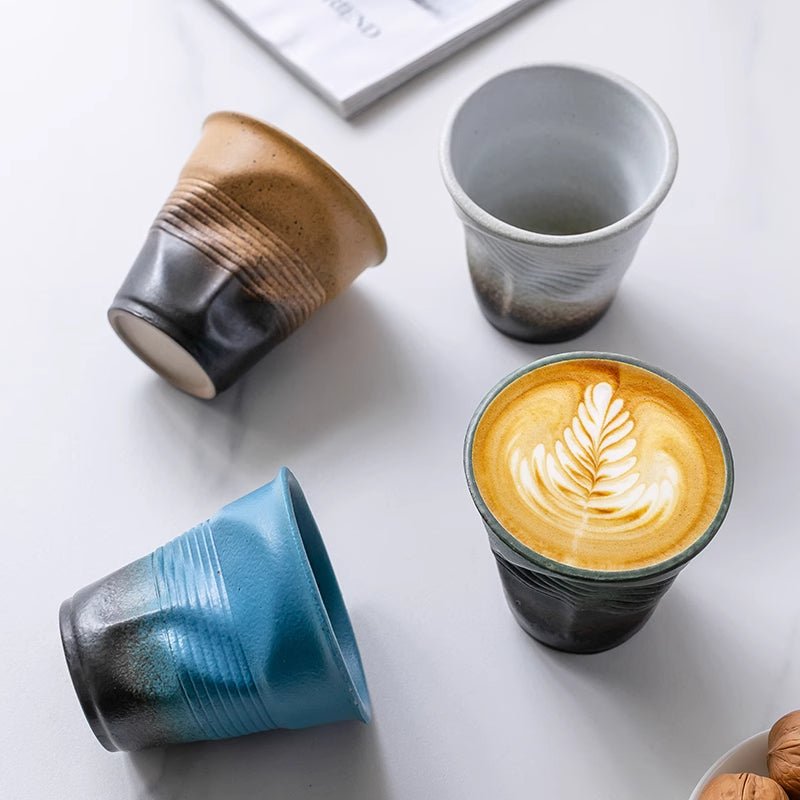
Ceramic Cup Mistakes to Avoid Before Buying a Pleated Coffee Cup
A practical guide to the ceramic cup mistakes we see most often with pleated cups, from the wrong size to overlooked finish details and gifting misses.
Leer más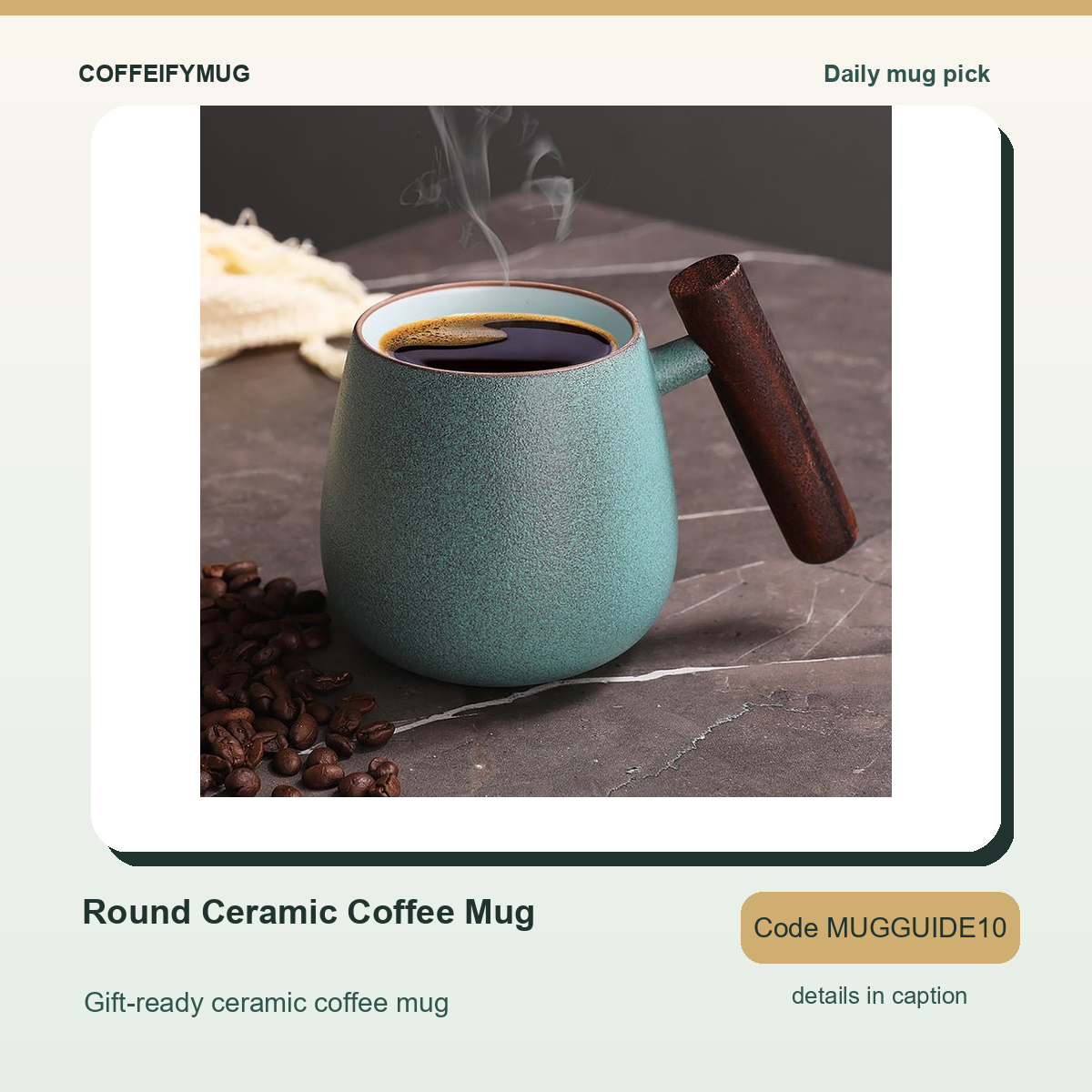
Best Ceramic Mug for a Standing Desk Coffee Setup
A practical guide to choosing a ceramic mug for a standing desk coffee setup, with a shape-by-shape comparison of surface fit, visual calm, and easy use while you are working upright.
Leer más
Dejar un comentario
Este sitio está protegido por hCaptcha y se aplican la Política de privacidad de hCaptcha y los Términos del servicio.