
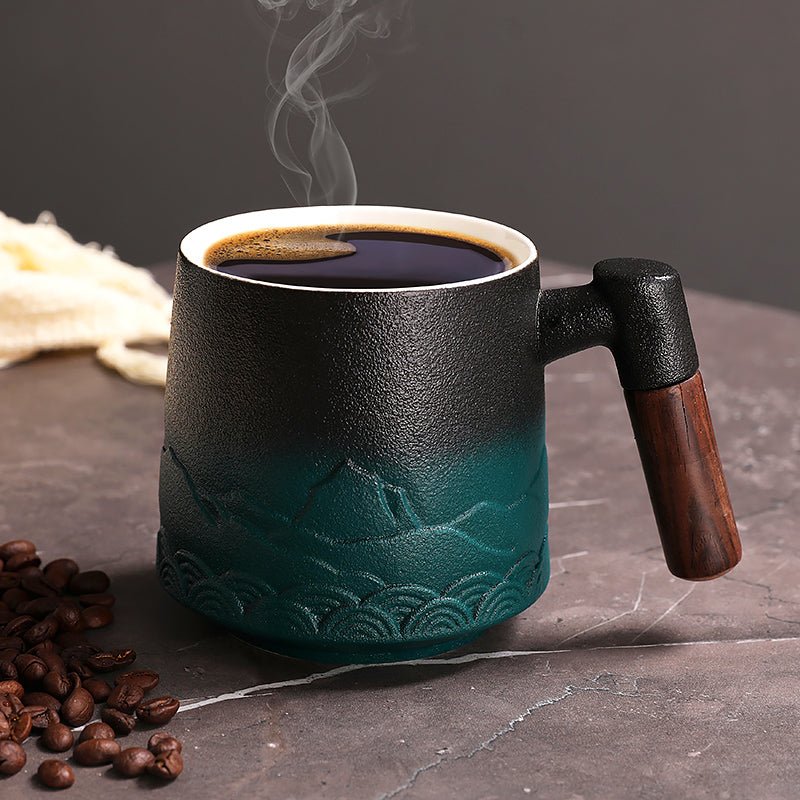
Masters Coffee Mug Buying Guide: Fit, Style, and Best Uses
Reading time: about 9 minutes
A masters coffee mug looks great on a desk until the handle feels tight, the cup gets too hot to hold, or the shape turns a simple pour into a clumsy sip. That is usually where buyers decide between a display piece and a mug they will actually use every morning.
In our store, we see the same split over and over. Some shoppers want a mug that looks sharp on a shelf or at a gift opening. Others want a cup that sits steady on a kitchen counter, survives dishwasher cycles, and feels balanced with a full pour. The right choice depends less on the name and more on the details you can feel in your hand.
What should a Masters coffee mug feel like in your hand?
The first thing we check is not the print or finish. It is the grip. A good masters coffee mug should feel easy to lift when full, with a handle that leaves enough clearance for adult fingers and a rim that does not feel sharp against the lip.
We pay attention to four practical details when we handle mugs in our store:
- Handle clearance: enough room for two to four fingers, depending on hand size and handle shape.
- Weight balance: the mug should not feel top-heavy when filled to a normal serving level.
- Rim thickness: a thinner rim can feel nicer for sipping, but it should still look and feel even.
- Foot ring stability: the base should sit flat and not wobble on a kitchen counter or office desk.
If you like a mug with a more sculpted grip, our ball-handled coffee tea mug is a strong place to start. That shape is useful when you want a handle that feels distinct and easy to find without looking down, which matters more than people expect during a busy morning.
A mug can look excellent in photos and still be the wrong fit for daily use. If the handle is narrow, the opening is too tight, or the cup feels awkward with a full pour, it will spend more time in the cabinet than on the counter.
Pick the mug for the pour you actually drink. A pretty cup that is too small, too heavy, or too awkward to hold gets left behind.
Which mug shape is better for daily coffee, display, or gifting?
Shape changes how a mug behaves. A more structured handle can make a mug feel formal and controlled. A pleated body gives visual texture and usually reads as more decorative. A fluid or waved profile can look richer on a gift table, but it may be less straightforward if you just want a simple everyday cup.
| Style | Best for | Trade-off |
|---|---|---|
| Ball-handled coffee tea mug | People who care about grip and want a mug that feels easy to lift | More sculpted shapes are not always the best match for very compact cabinet storage |
| Pleated coffee tea cup | Shoppers who want texture, a dressed-up table look, or a gift that opens well | Textured sides can be a little less minimalist than a plain everyday mug |
| Golden waves Kio coffee tea mug | Gift buyers and anyone who wants a more decorative, display-friendly mug | Decorative styling is not the best choice if you want a plain workhorse cup only |
If your goal is not one specific mug but a broader comparison, start with our all mugs collection. That gives you a cleaner view of the full range before you commit to one shape.
For shoppers comparing decorative versus everyday shapes, this is where a little honesty helps. A styled mug can be excellent for gifting, shelf display, or an office desk. It may be less practical for people who prefer a simple stackable cup, an insulated travel tumbler, or a mug that disappears into the background while they work.
What details should you check before ordering?
Most returns and regrets come from small misses, not big mistakes. The mug was too small. The handle was tighter than expected. The finish looked richer online than it did in person. Or the buyer wanted a daily coffee mug and received something better suited to a display shelf.
Before you buy a masters coffee mug, check these points:
- Capacity: Match the mug to your normal drink, not your occasional oversized pour. A mug that is too small gets refilled constantly, while one that is too large can make a standard coffee look half empty.
- Mouth opening: A wider opening can cool coffee faster and is easier to clean. A narrower opening helps hold heat a bit longer, but it can feel less open when sipping.
- Handle clearance: If you have larger hands or drink when the mug is very hot, handle space matters more than decoration.
- Care instructions: Check whether the mug is meant for dishwasher use, hand washing, or special treatment. If a mug has metallic trim or a metallic-looking finish, keep it out of the microwave unless the listing clearly says otherwise.
- Finish quality: Look for even glaze coverage, a flat base, and no rough spots on the rim or foot ring.
There are a few common defect modes we watch for when handling mugs: pinhole marks in the glaze, tiny hairline cracks near the handle join, uneven bottoms that rock on the table, and rough foot rings that scratch surfaces. Those are the details that matter once the mug is in real use, not just sitting in a product photo.
If you are choosing between sizes, our size guides are the fastest way to narrow things down. See our 10 oz Coffee Mug: Size, Fit, and What to Check Before You Buy, 11 oz Coffee Mug: Size, Fit, and What to Check Before You Buy, and 12 Ounce Coffee Mug Buying Guide for Daily Use and Better Fit if you want the practical version, not a vague sizing chart.
How do common mug sizes compare for everyday use?
Size is where many buyers make the wrong call. A smaller cup can be perfect for espresso drinks, tea, or people who like a concentrated first sip. A larger mug is better for drip coffee, long office sessions, or anyone who dislikes frequent refills.
We usually think about size in terms of how the mug sits on a real counter, not how it reads in a listing. A standard-size mug should still leave enough room for cream, foam, or a little headspace so you are not filling it to the brim every time.
- Smaller cups: Better for concentrated drinks, shorter coffee breaks, and people who like a controlled pour.
- Mid-size mugs: Best for most daily coffee drinkers because they balance comfort, heat retention, and easy handling.
- Larger mugs: Good for long mornings, tea drinkers, or office desks where one fill needs to last.
If you are comparing against broader everyday options, our 12 Ounce Coffee Mug Buying Guide: Size, Fit, and Best Uses is useful for shoppers who want a mug that works across coffee, tea, and desk use without feeling oversized. If you are deciding between a slightly smaller or slightly larger cup, that kind of comparison matters more than the name on the mug.
The main trade-off is simple: bigger mugs hold more but can feel bulky, while smaller mugs feel refined but may not suit a long pour. There is no universal best answer. There is only the mug that fits the drink you actually make.
Which Masters coffee mug works best as a gift?
Gift buyers usually care about two things: how the mug looks when opened and whether the recipient will actually use it. A decorative mug can be a good choice for a fan, a collector, or someone who likes to keep one special cup for weekends. A more practical mug is better when you do not know the person’s exact drinking habits.
From a gift standpoint, the safest choices are the mugs that look finished from every angle and do not depend on a specific setup to make sense. That is why textured or sculpted shapes often perform well at unboxing. They feel intentional without needing a full table setting around them.
Our pleated coffee tea cup is a good example of a mug that reads as a gift first and a kitchen staple second. The Golden Waves Kio coffee tea mug leans even more toward display value, which is useful if the recipient likes decorative drinkware or keeps mugs on an open shelf.
Still, a gift mug is not always the best everyday mug. If the recipient prefers minimal design, stackable cabinets, or very large coffee servings, a more restrained shape may be a better fit. The best gift is the one that gets used, not just admired once.
Frequently asked questions
Is a masters coffee mug good for everyday coffee?
Yes, if the mug has a comfortable handle, a stable base, and a size that matches your usual drink. A decorative mug can still be practical, but we would avoid it if it has a cramped handle or a shape that feels awkward when full. For daily use, comfort matters more than visual detail.
What size should I choose for drip coffee or lattes?
Most drip coffee drinkers do best with a mid-size mug that leaves a little room above the liquid line. Lattes usually need a bit more capacity because of foam and milk. If you are not sure, start with one of our size guides before you choose the style.
Can I put a decorative mug in the microwave?
Only if the product listing says it is microwave safe. If a mug has metallic trim, metallic paint, or any accent that looks reflective, keep it out of the microwave unless the maker explicitly allows it. That is one of the easiest ways to avoid damage.
What mug shape is easiest to hold if I have larger hands?
A mug with a wider, open handle and a balanced body is usually easier to hold. We also like mugs that do not have a heavy top profile, because they feel more secure when the mug is full. If grip is your priority, the handle design should be one of the first things you check.
Is a decorative Masters coffee mug a bad choice for daily use?
Not necessarily, but it depends on the shape and finish. Decorative mugs can be excellent for home use if they still sit flat, clean easily, and feel comfortable in the hand. If you need something for a rugged office routine or frequent dishwasher cycles, a simpler mug may be the safer pick.
If you want the quickest next step, compare the mug against this checklist: capacity, handle clearance, base stability, rim comfort, and care instructions. Then browse our all mugs collection and choose the shape that fits your coffee, not just the photo.
Read more
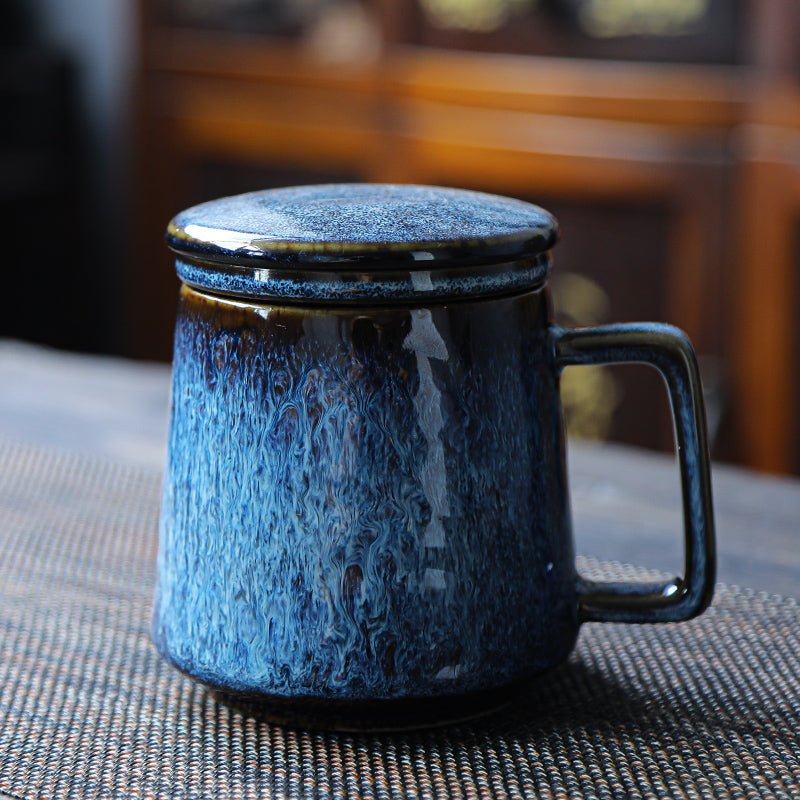
Mother's Day Coffee Mugs: How to Pick One She'll Actually Use
Practical guidance for choosing mothers day coffee mugs that feel personal, hold up to daily use, and suit the way she actually drinks coffee or tea.
Leer más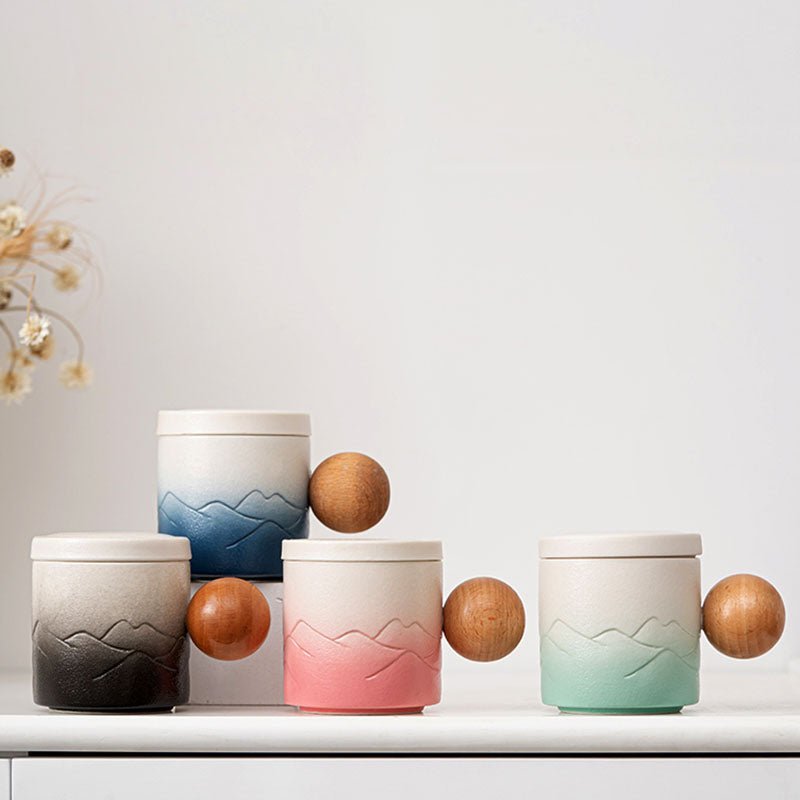
Gibson Coffee Mugs: A Practical Buyer Guide for Daily Use
A practical guide to gibson coffee mugs that compares handle feel, rim shape, size, and care trade-offs. See which styles fit a kitchen counter, office desk, or gift box before you buy.
Leer más
Dejar un comentario
Este sitio está protegido por hCaptcha y se aplican la Política de privacidad de hCaptcha y los Términos del servicio.