

Maintenance Tips That Help Coffee Mugs Last Longer
Reading time: about 10 minutes
The first signs are usually small: a faint coffee ring at the bottom, a rough spot on the rim, or a glaze line that only shows after the mug has spent a month in a crowded sink. We see this all the time in our store. The mug did not fail all at once. It picked up damage through small, repeated habits.
Good maintenance tips are not about babying a mug. They are about avoiding the few things that shorten its life quickly: sudden temperature swings, abrasive cleaning, and sloppy storage. If you use a ceramic mug every day, those details matter more than fancy packaging or a printed slogan.
If you are comparing a simple ceramic baseline, our Landscape Coffee & Tea Mug is a useful reference point, and the full all mugs collection makes it easier to compare shapes, sizes, and finishes side by side.
For a broader checklist, our guide Coffee Mug Care Tips to Make Your Mug Last Longer covers the basics; if you are sizing up a larger vessel, 20 oz Ceramic Coffee Mug Buying Guide: Fit, Heat, and Care explains why capacity changes the way you use it.
What shortens a coffee mug's life fastest?
The fastest way to age a mug is a mix of heat shock, impact, and residue buildup. A hot ceramic mug set into cold water can develop stress in the glaze. A mug knocked against a sink faucet or stacked under heavier drinkware can chip at the rim or foot. Letting coffee or tea sit for days can leave stains that become harder to remove, especially on lighter interiors.
In practice, we see four common failure modes:
- Rim chips from tapping the mug on a sink edge, counter edge, or other mugs.
- Glaze dulling from abrasive pads, powdered scrubbers, or aggressive dishwasher cycles.
- Staining and odor retention when coffee, tea, or milk residue dries inside.
- Hairline crazing, which looks like fine lines in the glaze and usually means the mug is under stress or aging out.
That is why we always tell shoppers to think about use case first. A mug that lives on a desk and goes through the microwave once or twice a day needs different care than a display mug used only on weekends. It also needs different material choices. A simple glazed ceramic mug is usually easier to maintain than a hand-painted piece with metallic accents or delicate printed trim.
How should you wash a coffee mug day to day?
For everyday care, warm water, mild dish soap, and a soft sponge are enough for most mugs. That sounds basic because it is. The trick is consistency. Wash the mug soon after use, especially if it held coffee, espresso, tea, or anything with milk. The longer residue sits, the more likely it is to leave a ring at the bottom or a smell around the rim.
Our team usually follows this order for daily mugs:
- Empty the mug and rinse it with warm water.
- Wash with a soft sponge and a small amount of mild dish soap.
- Pay attention to the base seam, handle junction, and the inside curve near the lip.
- Rinse fully so soap does not leave a film that makes the glaze look cloudy.
- Dry it right away if you are storing it on an open shelf.
Dishwashers are fine for many mugs, but only if the mug is made for that kind of use. Top rack is the safer choice because the lower rack sits closer to the heating element and sees more intense water action. If a mug has gold trim, metallic lettering, or a hand-applied decal, the dishwasher is often the wrong call. Those finishes can fade, scratch, or spot over time. If the mug is a keepsake gift, hand washing is usually the better maintenance tip even if it feels less convenient.
That trade-off matters. A daily kitchen mug can handle more wear than a decorative office mug. If you want something you can grab, rinse, and reuse without thinking, keep the finish plain and the shape practical. If the mug is more about display or gifting, accept that it may need gentler care.
What drying and storage habits prevent chips and stains?
Drying is where a lot of people lose mugs without noticing. Water that sits in the base or around the foot ring can leave mineral marks. Moisture trapped in a crowded cabinet can also keep odors around longer, especially if the mug was used for sweet drinks or milk-based coffee.
We recommend a few habits that are simple but effective:
- Dry the rim, handle, and foot ring completely before putting the mug away.
- Leave space between mugs so the handles do not grind together.
- Do not stack heavy mugs inside one another unless the shape is designed for it.
- Store mugs where they will not be bumped by pans, lids, or water bottles.
- Keep the most-used mug at eye level or easy reach so you are not dragging it out from under a pile.
This matters more with thicker ceramic or stoneware mugs because they are sturdy but still vulnerable at the rim and handle. A wide mug with a thick lip can be comfortable to drink from, but it also takes more room in the cabinet and can chip if it is wedged against another mug. A lighter porcelain mug may feel more refined, but it can be less forgiving if it is dropped on a hard sink bottom. Neither is bad. They just fail differently.
If you are comparing large everyday pieces, our article Big Mug Coffee: How to Choose a Large Mug That Actually Fits Daily Use is useful because larger capacity often changes how you wash, dry, and store the mug. That is especially true for 20 oz styles, which take up more cabinet space and get knocked around more easily on a busy counter.
Which maintenance tips change by material?
Material matters. The care that works for glazed ceramic is not identical to what works for glass, enamel, or stainless steel. Most shoppers focus on look and size first. We look at what the mug can realistically tolerate after fifty or a hundred uses.
| Material | What it handles well | What to avoid |
|---|---|---|
| Ceramic | Daily coffee, microwave reheating if unadorned, easy hand washing | Thermal shock, hard knocks, abrasive scrubbers |
| Stoneware | Heat retention and a sturdy feel | Long soaks, rough drying, cabinet crowding |
| Porcelain | Smoother glaze, lighter feel, clean appearance | Impact on sinks and counters, heavy stacking pressure |
| Enamel or metal | Camping, desk use, rougher handling | Dishwasher wear if the coating is delicate, dents, interior scratches |
For most of the mugs we sell, the safest default is still simple ceramic care: warm wash, soft sponge, full dry, gentle storage. If a mug has decorative printing, treat that print as the vulnerable part, not the body. If the mug has a glossy interior but a matte exterior, keep the exterior away from abrasive pads too. Matte finishes show scuffing faster than a smooth glazed surface.
And if you are choosing a mug mainly because it looks good on a desk, our piece Beautiful Coffee Mugs: How to Choose One That Looks Good Every Day is worth a look. A mug can be beautiful and durable, but if the finish is fragile, you need to know that before you buy.
How do you remove coffee stains, odors, and rough spots?
Stains do not always mean damage. A brown ring inside the mug is often just residue from coffee oils or tea tannins. The key is to remove it without scratching the glaze or forcing moisture into a crack.
For light staining, make a paste of baking soda and a little water. Rub it gently with a soft sponge, then rinse well. For a stronger coffee smell, fill the mug with warm water and a little baking soda and let it sit briefly before washing. If the stain is stubborn, repeat the process rather than switching to a harsh scrub pad. A rough pad may clean faster, but it also leaves the glaze more open to future staining.
Here is the line we use in the store: if you can feel a rough patch with your fingertip, stop and inspect it. A rough patch may be mineral buildup, but it may also be a chip or a crack starting at the rim or base. That distinction matters.
A few care rules are worth keeping in mind:
- Do not use bleach on every stain. It is unnecessary for most mugs and can be harsh on printed finishes.
- Do not pour boiling water into a cold mug straight from a cold cabinet if the mug has been sitting in a chilly room.
- Do not leave tea bags or espresso residue in the mug overnight if you can avoid it.
- Do not use metal scouring pads on decorative or glossy glaze.
Those are small habits, but they add up. We have seen the same mug look fresh for years in one home and look tired after a single season in another. The difference is usually cleaning discipline, not luck.
When should you stop using a mug?
There is a point where maintenance stops being about appearance and starts being about safety and comfort. A mug with a small chip on the exterior may still work for some uses, but a chip on the drinking rim can be unpleasant and rough. Hairline crazing inside the glaze is another warning sign. It may not mean the mug is about to break, but it does mean the surface is no longer as stable as it was.
We suggest retiring a mug from daily hot drinks if you notice any of the following:
- A sharp chip on the rim or lip.
- Cracks that run through the body, not just the glaze.
- Persistent odor after cleaning and drying.
- Glaze crazing that keeps spreading or darkening.
- A loose handle or a visible stress line where the handle joins the cup.
There are also cases where a mug is simply the wrong tool. A ceramic mug is not the best choice for commuting, rough outdoor use, or any situation where it is likely to bounce around in a bag or car cup holder. If that is your routine, a travel tumbler is the better category. If you want a mug for desk use, slow mornings, or kitchen counter coffee, ceramic can be the right choice as long as you accept the trade-off: it looks and feels better, but it needs more care than insulated steel.
That is the kind of honest comparison we try to give in our store. The right mug is not the one that promises the most. It is the one that matches how you actually use it.
Frequently asked questions
Can I put my coffee mug in the dishwasher every day?
Yes, if the mug is labeled dishwasher safe and has no delicate trim, metallic accents, or hand-painted details. For everyday use, top rack is the safer choice. If the mug is decorative or sentimental, hand washing is the lower-risk option even if it takes a minute longer.
How do I get coffee stains out of a ceramic mug?
Start with warm water, mild soap, and a soft sponge. If the stain remains, use a baking soda paste and rub gently, then rinse and dry fully. Avoid abrasive scrubbers, because they can dull the glaze and make future staining more likely.
Why does the inside of my mug have fine lines or cracks?
Those lines are often glaze crazing. They can appear from repeated heat changes, age, or stress in the ceramic surface. If the lines are only in the glaze, the mug may still be usable, but if you also see chips, odor, or deeper cracks, retire it from daily hot drinks.
Are mugs with metallic accents safe in the microwave?
No. Metallic trim, gold details, and some foil-style prints should not go in the microwave. If you reheat coffee often, choose a plain glazed ceramic mug with no metal decoration. That keeps the maintenance simple and avoids damaging the finish.
How should I store mugs so they do not chip?
Give each mug enough space so handles do not knock together and rims do not rub. Store them upright on a stable shelf and avoid stacking unless the shape clearly supports it. If you use larger mugs, leave extra room because the thicker walls and wider rims make them easier to bump.
If you are ready to compare mugs with care in mind, start with finish, rim thickness, and whether the mug will live in the dishwasher or by the desk. Then browse the all mugs collection and pick the one that fits your routine instead of the other way around.
Read more

Coffee Mug Buying Guide for First-Time Buyers
This buying guide helps first-time coffee mug buyers compare size, material, handle comfort, and care so they can choose a mug that fits daily use.
Leer más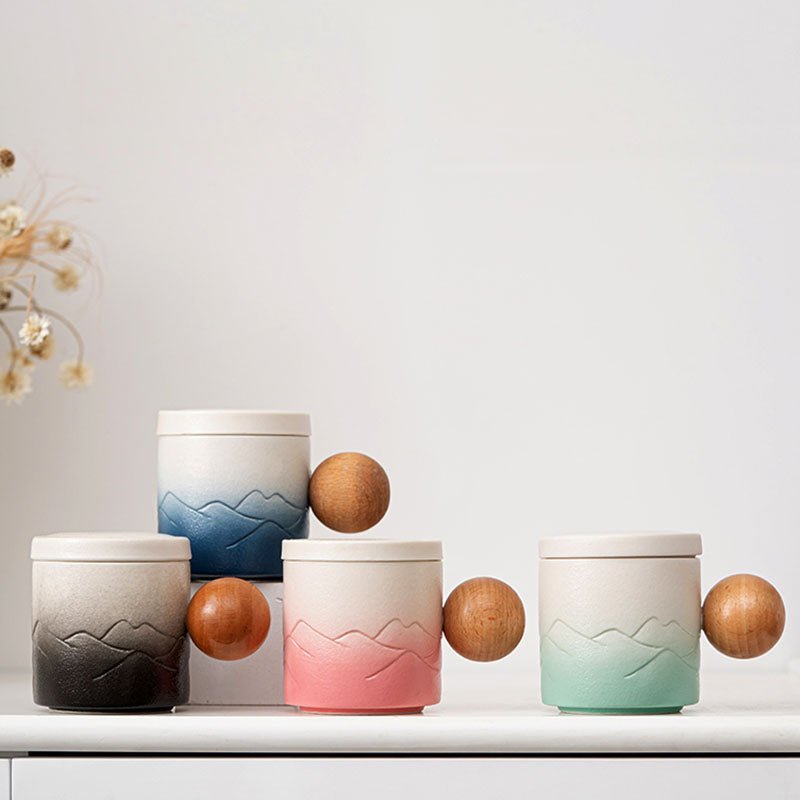
Tea Mug Buying Guide: Best Materials, Sizes, and Everyday Use
A practical guide to choosing a tea mug that feels right on the desk, holds heat well, and cleans up without drama. We cover materials, sizes, care, and the trade-offs that matter before you buy.
Leer más
Dejar un comentario
Este sitio está protegido por hCaptcha y se aplican la Política de privacidad de hCaptcha y los Términos del servicio.