
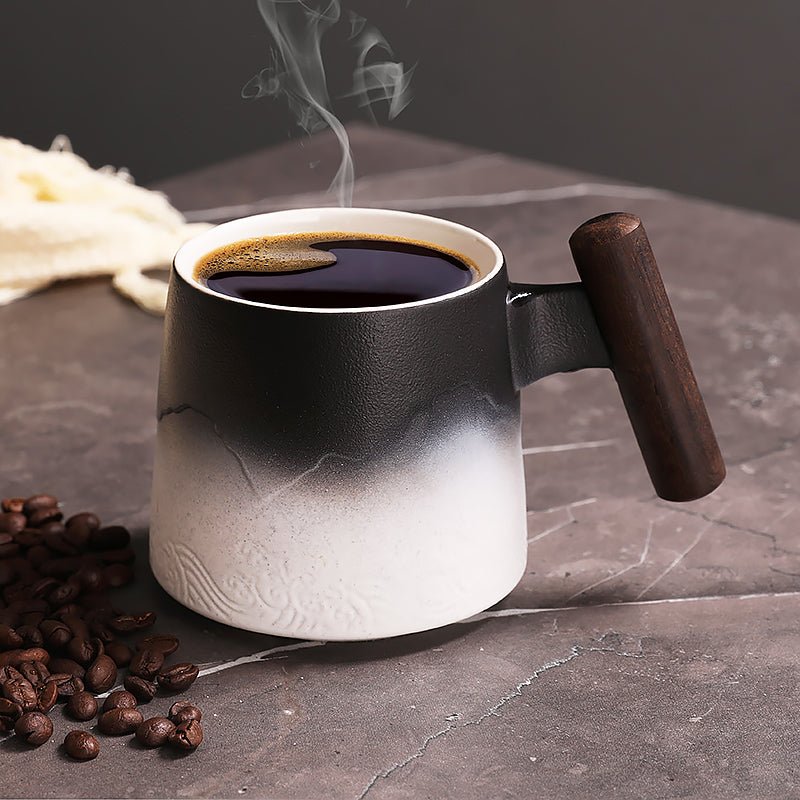
Lowes Coffee Mug Buying Guide: Size, Material, and Care
Reading time: about 8 minutes
A lowes coffee mug sounds simple until you bring it home and notice the handle is too tight for your fingers, the walls feel thin, or the 14-ounce size is smaller than your actual morning pour. We see that mismatch all the time in our store: shoppers want an everyday mug, but what they really need is the right mix of capacity, shape, weight, and cleanup.
If you are comparing options before buying, the useful question is not just “does it hold coffee?” It is “will this mug fit the way I actually drink?” That means checking rim comfort, handle clearance, base stability, and whether the finish will hold up after repeated dishwasher cycles. For a broader look at what makes a mug comfortable day after day, our Awesome Coffee Mugs: How to Choose a Mug You’ll Actually Use guide is a useful companion.
What should you check before buying a lowes coffee mug?
We recommend starting with the basics we inspect in the store: size, material, handle shape, and care instructions. Those four details tell you most of what you need to know before you spend money on an everyday mug.
- Size: Make sure the stated ounces match your real pour. A mug labeled 16 oz can feel quite different from a deeper 16 oz shape with more vertical walls.
- Material: Ceramic, stoneware, and porcelain each behave differently. Ceramic and stoneware usually feel heavier and more stable, while porcelain tends to look finer and lighter in the hand.
- Handle clearance: A handle should fit three or four fingers comfortably for most adults. Thin handles can pinch; oversized ones can feel awkward if the mug is small.
- Care: Check whether the mug is dishwasher-safe and microwave-safe before you buy. Decorative finishes and metallic accents can limit how you use it.
In our experience, most returns happen because a mug looked right online but felt wrong on the counter. A mug can be attractive and still fail at the basic job of being easy to grab, easy to clean, and steady enough not to tip near a laptop or cookbook.
Which size works best for coffee, tea, and office use?
Size is where shoppers usually overbuy or undershoot. If you only drink a standard cup of coffee, an oversized mug can cool your drink too fast and feel bulky in the hand. If you like a large milk-heavy drink, a smaller mug creates spill risk and forces you to top off too often.
For a size-by-size breakdown, our related guides on 8 oz Coffee Mug: What to Check Before You Buy, 16 Ounce Coffee Mug Buyer’s Guide: Size, Material, and Fit, 20 oz Coffee Mug: What to Check Before You Buy, and 24 oz Coffee Mug: What to Check Before You Buy cover the trade-offs in more detail. The short version is below.
| Typical size | Best for | Trade-off |
|---|---|---|
| 8 oz | Small coffee pours, espresso drinks, tea tastings | Too small for most drip coffee drinkers |
| 16 oz | Daily coffee, balanced all-purpose use | Can feel large if you prefer a modest pour |
| 20 oz | Long desk sessions, milk-heavy drinks, bigger servings | Heavier when full and easier to overfill |
| 24 oz | Big coffee days, soup, extra-large beverages | Not ideal if you want a light, compact mug |
If you want a general benchmark before choosing, our Average Coffee Mug Size: What Buyers Should Know Before Ordering article is a good reference point. It helps you avoid the common mistake of assuming all mugs in the same size label feel the same in use.
Is ceramic the right material for an everyday mug?
For most home kitchens and office desks, ceramic is still the safest default. It holds heat reasonably well, feels solid in the hand, and usually handles dishwasher cleaning without much fuss. That said, not all ceramic mugs are built the same. Wall thickness, glaze quality, and firing consistency matter more than the label alone.
Stoneware is the heavier, more rustic-feeling cousin. It can be excellent for a sturdy countertop mug, but if you want something lighter for repeated lifting, it may feel too dense. Porcelain is thinner and often more refined-looking, but thinner walls can mean a faster cooling curve and a more delicate feel. None of those are wrong. They just suit different buyers.
We tell shoppers to think about where the mug will live most of the time:
- Kitchen counter: Pick a stable, heavier mug if it will sit near a brewer or espresso machine.
- Office desk: Look for a comfortable handle and a base that will not wobble on a crowded surface.
- Gift box: A cleaner glaze and a balanced silhouette usually photograph and unbox better.
A lowes coffee mug that looks good on a shelf but feels clumsy in daily use is not a good buy. The best everyday mug is the one you stop noticing because it simply works.
What defects and quality issues should you inspect?
Even an inexpensive mug should pass a few basic checks. When we handle mugs in our store, we look at the lip, handle attachment, and glaze surface first because those are the spots where problems tend to show up.
- Rough rim: A chipped or gritty lip makes drinking uncomfortable and can signal poor finishing.
- Hairline cracks: Small cracks can spread after repeated washing or temperature changes.
- Uneven glaze: A few glaze variations are normal in handcrafted pieces, but pooling, pinholes, or thin coverage can affect durability.
- Handle seam issues: The handle should feel firmly joined, with no sharp transition where your fingers rest.
- Wobbly base: A mug that rocks on a flat counter is a daily annoyance and a spill risk.
Some mugs are intentionally decorative and not built for rough treatment. If the piece has metallic trim, textured paint, or a specialty finish, treat it as a display or occasional-use item unless the care label clearly says otherwise. That trade-off matters. A decorative mug can be a good gift, but it is not always the best choice for a microwave or dishwasher-heavy household.
We always advise buyers to choose the mug that fits their actual cleaning routine, not the one that only looks right in a product photo.
How does a lowes coffee mug compare with better-fit alternatives?
Shoppers often start with a store search and then realize they need a more specific shape, size, or finish. That is where comparison helps. If your main goal is comfort and daily use, a mug from a focused mug collection can offer more size and style choices than a generic aisle pick. If your goal is matching a kitchen set, you may care more about color consistency and stackability.
Our collection of mugs is a straightforward place to compare everyday options side by side, and if you already know you want a specific capacity, the size guides above make it easier to narrow the field. We build our product pages so shoppers can compare handle shape, capacity, and finish without guessing from a tiny shelf tag.
Here is a practical way to decide:
- Choose the size you will actually fill most mornings.
- Check whether the mug is dishwasher-safe and microwave-safe.
- Hold the handle shape against your hand size if possible, or compare dimensions carefully online.
- Decide if you want a heavier mug for stability or a lighter mug for easy lifting.
- Pick a finish that matches your real routine, not just your cabinet shelf.
That process sounds basic, but it avoids the most common buying regret: getting a mug that is pretty, yet awkward enough that it sits unused.
What is the best next step if you are still comparing options?
If you are still unsure about a lowes coffee mug, use a simple checklist before you buy: capacity, handle comfort, dishwasher compatibility, microwave compatibility, and finish durability. Those five points cover most everyday use cases and keep you from buying on looks alone.
If you want to keep comparing, start with our broader mug selection at CoffeifyMug products and then move into the size-focused guides above. That gives you a cleaner path than browsing random listings and hoping the right mug appears.
For shoppers who want a mug that works on a busy kitchen counter, in a shared office, or as a practical gift, we would start with a well-sized ceramic option, then narrow from there. If the mug cannot survive repeated washing, fit your hand comfortably, and hold the amount you actually drink, it is the wrong mug for daily use.
Frequently asked questions
Is a lowes coffee mug usually microwave-safe?
Many ceramic mugs are microwave-safe, but not all of them are. If the mug has metallic trim, foil-like decoration, or a specialty finish, skip the microwave unless the label clearly says it is safe. We always recommend checking the care instructions before buying, not after the first reheat.
What size lowes coffee mug is best for daily coffee?
For most people, a 16 oz mug is the most flexible everyday size. It gives enough room for a standard coffee pour without feeling oversized on the desk. If you take smaller servings, an 8 oz or a compact 12 oz shape may feel better in the hand.
How do I know if the handle will be comfortable?
Look for a handle that leaves enough room for at least three fingers without rubbing the mug body. The best handles have a smooth inside curve and a solid connection point to the cup. If the handle looks thin or sharply angled, it may feel cramped once the mug is full.
What is better for an everyday mug, ceramic or stoneware?
Ceramic is usually the easier everyday choice because it tends to feel balanced and cleans up well. Stoneware is heavier and can feel more substantial, which some buyers prefer on a kitchen counter. If you want a lighter mug that is easier to lift repeatedly, ceramic is usually the safer pick.
What should I avoid if I want a mug that lasts?
Avoid mugs with visible cracks, rough rims, or sloppy glaze around the handle and base. Also be cautious with decorative finishes that limit microwave or dishwasher use. A mug can look great on day one and still be the wrong buy if it cannot handle your routine.
More from our blog
Read more

Nespresso Coffee Mugs: How to Choose the Right Size and Material
Nespresso coffee mugs need to fit short pours, crema, and everyday cleanup without feeling too small or too bulky. This guide shows what to check before you buy, including size, material, and the t...
Leer más
Coffee Mug Rack Guide: Materials, Fit, and Storage Choices
A coffee mug rack should make a counter easier to use, not just prettier. This guide covers fit, materials, spacing, and the trade-offs that matter before you buy.
Leer más
Dejar un comentario
Este sitio está protegido por hCaptcha y se aplican la Política de privacidad de hCaptcha y los Términos del servicio.