
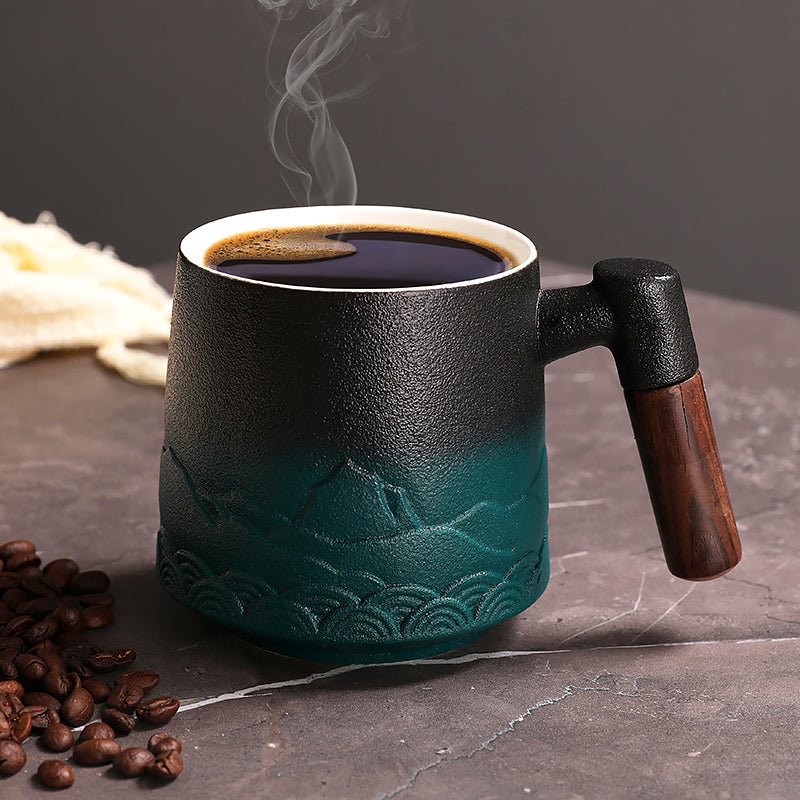
Linus Coffee Mug: What to Check Before You Buy
Reading time: about 9 minutes
A mug can look right in a product photo and still feel wrong on a Monday morning. The handle may be too tight for a two-finger grip, the rim may sip too sharply, or the cup may be too small for the amount of coffee you actually pour at home. That is the real test we use in our store, and it is the same test we would use for any linus coffee mug search: does it fit the drink, the hand, and the routine?
At CoffeifyMug, we see shoppers compare style first and then discover the practical details later. That usually works out better when the mug is a gift. It is less forgiving when the mug is for daily desk coffee, tea refills, or a kitchen cabinet that already has too many cups that look nice but do not get used. If you are still narrowing options, start with our all mugs collection and compare shape, size, and artwork before you pick one piece.
For a more visual route, our current mug styles such as the Elk and Moon Coffee Tea Mug, Koi Fish Coffee Tea Mug, and The Crane Coffee Tea Mug show how design, handle feel, and everyday use all play together. They are not the same kind of mug, and that is the point.
What should you check first in a Linus coffee mug?
The first thing we check is not the print. It is the fit. A mug can have the right theme and still be awkward to live with if the cup is too tall for a pod machine, too narrow for a hand-wash sponge, or too wide to sit safely under a spout. In our experience, the buyers who are happiest long-term are the ones who look at use case before design.
Here is the short list we use when reviewing a linus coffee mug:
- Capacity: Make sure the usable fill amount matches your usual pour, not just the printed product size.
- Handle clearance: Check whether two or three fingers fit comfortably, especially if you drink larger morning pours.
- Rim shape: A thinner rim can feel more refined, while a thicker rim often feels sturdier.
- Base width: A wider base tends to feel more stable on a cluttered desk or bedside table.
- Care needs: Confirm whether the finish or artwork needs gentler washing.
If you want a deeper fit check, our post on 10 oz Coffee Mug: Size, Fit, and What to Check Before You Buy breaks down the size question in a practical way. It is especially useful if you are buying for espresso drinks, smaller pour-overs, or tea rather than large drip coffee.
Is this a good mug for daily coffee, or just for display?
That depends on how you drink. A display-first mug prioritizes artwork and shelf presence. A daily-use mug needs a handle that feels secure, a shape that is easy to rinse, and a finish that can handle repeated contact with a sink, spoon, and drying rack. We treat those as different products, even when they share the same general category.
A linus coffee mug can be a strong choice for everyday use if the buyer wants something with personality but not a novelty shape. It is a poor choice if you need a travel mug, an insulated cup, or something that must survive being tossed in a bag. Those are different tools. A ceramic coffee cup on a kitchen counter is not a substitute for a sealed commuter tumbler, and it should not be expected to perform like one.
We also recommend thinking about where the mug will live:
- Home kitchen: A standard mug shape is fine if cabinet space is not tight.
- Office desk: A stable base and a comfortable handle matter more than a decorative silhouette.
- Gift shelf: Artwork and presentation matter more, but the mug still needs a usable shape.
For buyers deciding between sizes, our 12 oz Coffee Mug Buying Guide for Fit, Comfort, and Daily Use is a good companion read. It helps if you are trying to decide whether a mug should be a quick coffee cup or an all-morning vessel.
What mug size feels right for coffee, tea, or gifts?
Size is where a lot of returns start. Shoppers often assume bigger is better, then realize a large mug cools too slowly, overfills a small brewer, or feels heavy when filled. On the other side, a mug that is too small can leave coffee drinkers reaching for a refill before the first meeting ends.
We usually think in terms of use, not just ounces:
| Use case | What to look for | Common mistake |
|---|---|---|
| Espresso drinks or small pours | Compact capacity and a stable base | Buying a large mug that looks oversized with a short drink |
| Everyday drip coffee | Comfortable handle and enough headroom | Ignoring the actual pour size and only reading the listed capacity |
| Tea or longer desk sessions | Room for a fuller fill and easy sipping | Choosing a mug that is pretty but too shallow for repeated use |
| Gifts | Style plus broad appeal | Picking a novelty piece that only works for one narrow taste |
If you want more size context, our article 11 oz Coffee Mug: Size, Fit, and What to Check Before You Buy is useful for shoppers who want a middle-ground mug. For larger daily pours, the 12 Ounce Coffee Mug Buying Guide for Daily Use and Better Fit gives a clearer sense of what feels comfortable in hand versus what just sounds right on paper.
Which design style should you choose if you want the mug to get used?
We see two types of buyers. One wants a mug that disappears into routine. The other wants a mug that starts a conversation and still works at 7:30 a.m. Our store tends to lean toward the second group, but the key is balance: decorative enough to feel special, practical enough to earn cabinet space.
The Elk and Moon Coffee Tea Mug reads as earthy and calm, which works well on a home counter or beside a laptop. The Koi Fish Coffee Tea Mug has a more fluid visual rhythm, which suits buyers who want something that feels a little more artful. The The Crane Coffee Tea Mug is the most restrained of the three, and that restraint is often what makes a mug easier to gift.
There is a trade-off here. Highly decorative mugs can be less flexible if your kitchen style changes, and bold artwork can show wear more obviously if the mug is handled roughly or stacked under heavier pieces. A simpler cup may age more quietly, but it may not feel distinctive enough for a gift. That is why we suggest matching the design to the actual setting rather than to a vague idea of style.
If you want a broader look at our current assortment, the full collection makes it easier to compare art direction across different mug styles without jumping between unrelated shops.
How should you care for a mug so the print and surface last?
Care is often where a good mug is quietly lost. The mug itself may be fine, but harsh scrubbing, repeated thermal shock, or cramped dishwasher loading can shorten its best-looking life. We have seen plenty of mugs come back looking tired not because they were poor quality, but because they were treated like a stainless travel cup.
Our practical care advice is simple:
- Let the mug cool before rinsing it with very cold water.
- Use a soft sponge instead of abrasive pads on decorated surfaces.
- Load it so the handle is not pressed against heavier dishes.
- Do not assume every mug handles microwave or dishwasher use the same way; check the listing.
- Dry the base after washing if it sits in a humid cabinet.
For buyers who are specifically size-shopping, the post 10 oz Coffee Mug: What Fits, What Doesn’t, and What to Buy is a practical companion. It helps avoid the common mistake of buying a mug by appearance and then discovering it does not suit the drink you actually make.
One more limitation worth saying plainly: a decorative coffee mug is not the right pick if you need a sealed cup for commuting, a super-light cup for backpacking, or a workhorse mug you plan to abuse in a shared office kitchen. If that is your use case, you should shop a different category entirely.
What makes a linus coffee mug a better gift than a generic mug?
A good gift mug does two things at once. It feels personal, and it remains usable after the wrapping paper is gone. Generic mugs often fail one of those jobs. They are either too plain to feel chosen, or too quirky to get pulled from the shelf more than once.
That is why we like mugs with a clear visual identity and a conventional shape. A recipient can use them at home, at work, or as a tea mug without learning a new handle angle or fighting an odd silhouette. If you are buying for someone who values a calm desk, a subtle animal or nature motif is usually safer than a loud novelty graphic.
Before you check out, ask yourself:
- Will this mug still feel right in six months?
- Is the shape comfortable enough for daily use?
- Does the design suit the recipient’s kitchen, not just the product photo?
That is the practical filter we use in our store, and it is the difference between a mug that gets displayed and a mug that gets used.
Frequently asked questions
Is a linus coffee mug good for everyday coffee use?
Yes, if the mug has a comfortable handle, a stable base, and a size that matches your usual pour. It is less suitable if you need something insulated or travel-ready. For daily use, comfort and capacity matter more than the artwork alone.
What size should I choose if I drink drip coffee every morning?
A mid-size mug is usually the safest choice because it balances comfort and capacity without feeling oversized in the hand. If you tend to refill once, a larger option may make more sense. Check the usable fill, not just the labeled size.
Can I use a decorative mug for tea as well as coffee?
Yes, most decorative mugs work well for both coffee and tea as long as the shape suits your pour and the care instructions fit your routine. Tea drinkers often prefer a mug with a little more room and a comfortable rim for slower sipping. The main check is still the same: handle, capacity, and care.
What should I avoid if I want the mug to last?
Avoid abrasive scrubbers, sudden temperature changes, and overloading the dishwasher around fragile handles. Those are common ways a mug gets chipped or its surface starts to look worn. If the listing gives care guidance, follow that first.
Which mug style is best if I am buying a gift?
Choose a mug with broad visual appeal and a straightforward shape. The best gift mug is usually one that feels personal but not so specific that it only fits one room or one taste. Nature-inspired designs are often a safe middle ground.
If you are ready to compare options, start with the full mug collection, then narrow by size and design before you buy. That is the quickest way to avoid getting a mug that looks right online but feels wrong at the sink, the desk, or the first refill of the day.
Read more
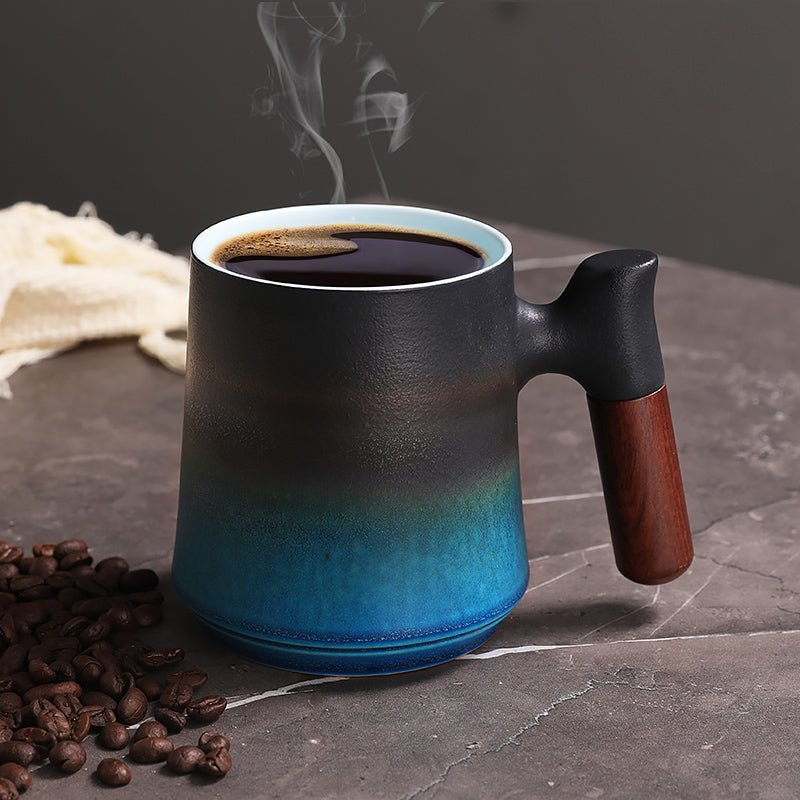
Coffee Mug Storage Ideas for Safer Cabinets and Better Displays
These coffee mug storage ideas help you choose a setup that fits your kitchen, protects ceramic rims and handles, and makes shopping easier if space is tight. We cover what actually works on real c...
Leer más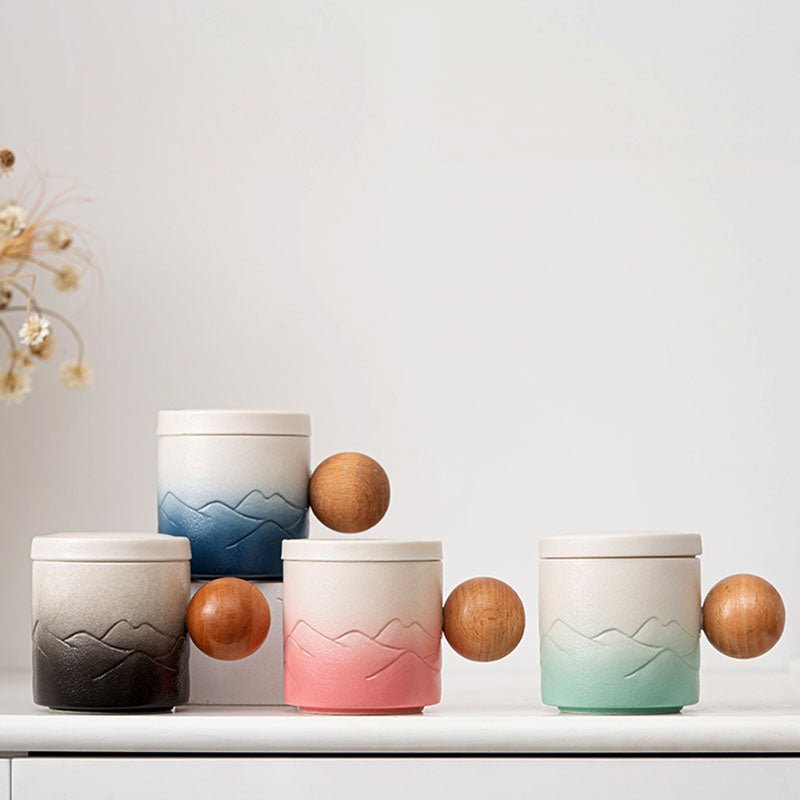
Golf Coffee Mug Buying Guide for Gifts, Desks, and Daily Use
A practical guide to choosing a golf coffee mug that looks good on a desk and still works for daily coffee. We cover size, finish, gift appeal, and the trade-offs that matter before you buy.
Leer más
Dejar un comentario
Este sitio está protegido por hCaptcha y se aplican la Política de privacidad de hCaptcha y los Términos del servicio.