
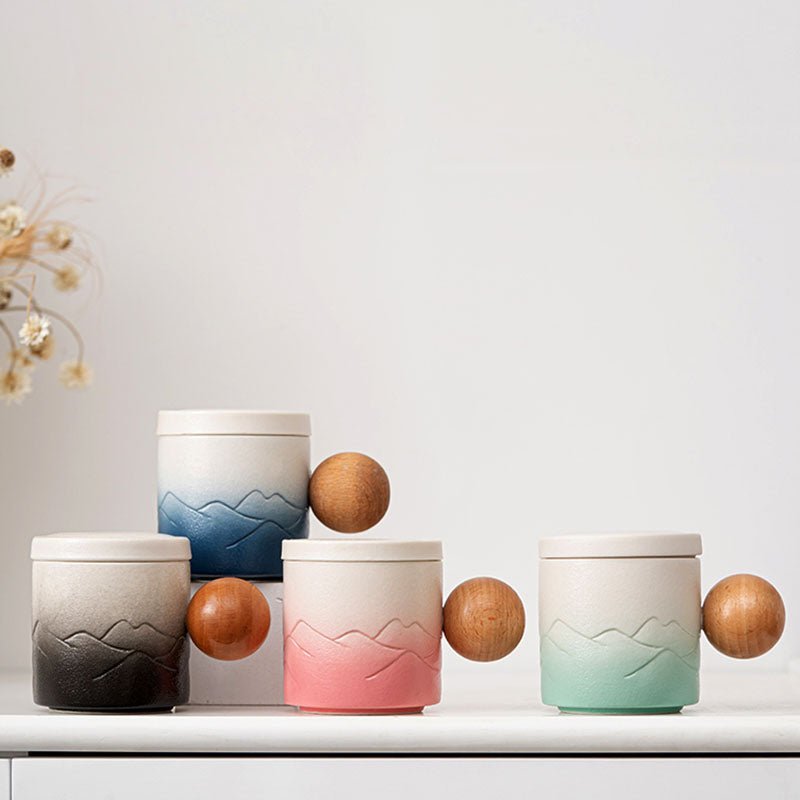
Linus Coffee Mug Buying Guide: Fit, Feel, and Daily Use
Reading time: about 9 minutes
A mug gets judged fast on a Monday morning. If the handle pinches two fingers, the lip feels sharp, or the base rocks on the counter, it stops being a daily mug and becomes shelf clutter.
That is the standard we use in our store. We compare mugs the same way people actually use them: on a kitchen counter, at a desk, next to a laptop, and after a few dishwasher cycles. If you want to compare a few design-forward options while you think through a Linus coffee mug, start with our Elk and Moon Coffee Tea Mug, Koi Fish Coffee Tea Mug, and The Crane Coffee Tea Mug. For broader browsing, the full all mugs collection is the fastest way to compare shapes and designs in one place.
What should a Linus coffee mug feel like in your hand?
We start with the feel, not the artwork. A good Linus coffee mug should balance cleanly when it is full, not tip forward when you lift it, and leave enough room for three fingers on the handle if you prefer a secure grip. On the shelf, it should sit flat without a wobble. On the table, the rim should feel smooth, not sharp or gritty.
In our experience, the small details matter more than people expect:
- A comfortable handle opening matters if you drink hot coffee and do not want to squeeze the mug by the body.
- A slightly thicker rim can feel sturdier, while a very thin rim can make the drink feel more delicate but also more fragile in daily use.
- A flat foot ring helps the mug stay stable on a desk, especially on uneven surfaces like stone counters or old office tables.
- A glazed interior is easier to rinse clean after coffee, tea, or milk drinks because it does not hold onto residue the way a rough surface can.
If you want a mug that feels good for a quick cup and the occasional refill, that is one thing. If you want a travel mug that lives in a car cup holder, this is not that product category. A Linus coffee mug is a countertop mug first.
Which size should you choose for your coffee habit?
Size is where a lot of buyers get stuck. A mug that looks perfect in photos can feel either cramped or oversized once you pour into it. We usually break the decision into three lanes: compact, standard, and roomy.
| Size | Best for | Trade-off |
|---|---|---|
| 10 oz | Smaller pours, espresso-based drinks with a little milk, tea, and people who like a lighter hand feel | Not ideal if you fill a lot of room with milk, foam, or extra water |
| 11 oz | Daily drip coffee, office desks, and buyers who want the safest all-around size | Can feel a little modest for large pours |
| 12 oz | People who want room for cream, larger home brews, or a more generous morning cup | Can be too much for those who prefer a compact mug and lighter weight |
If you want a deeper size-specific check, we have separate breakdowns for 10 oz Coffee Mug: Size, Fit, and What to Check Before You Buy, 11 oz Coffee Mug: Size, Fit, and What to Check Before You Buy, and 12 Ounce Coffee Mug Buying Guide: Size, Fit, and Best Uses. Those are useful if you are deciding between a mug that feels compact on a desk and one that gives your drink more breathing room.
One simple test helps: look at how much empty space you want above the drink line. If you hate splashing your sleeve when you walk from the kitchen to the sofa, a slightly larger mug can be worth it. If you like a neat, centered cup that does not dominate the saucer or desk, smaller can be better.
Which mug style is worth comparing before you buy?
Some buyers want a plain, minimal mug. Others want a design that feels more personal, especially for a gift or a desk piece that gets seen every day. That is where shape and artwork start to matter together.
Our illustrated mugs, including the Elk and Moon Coffee Tea Mug, Koi Fish Coffee Tea Mug, and The Crane Coffee Tea Mug, are good examples of the kind of choices shoppers compare when they want something more distinctive than a plain white mug. The image can change the mood of the mug, but the usability still comes down to handle comfort, rim feel, and how well it sits on the table.
- If you want a mug for a neat office setup, a cleaner design usually blends in better with keyboards, notebooks, and monitors.
- If you are buying a gift, a more illustrated mug can feel more deliberate right out of the box.
- If you care mostly about stacking and storage, a simpler profile usually helps.
- If you want the mug to become the visual anchor on the shelf, artwork matters more than you may expect.
There is a trade-off here. A decorative mug can feel more special, but it may also make tiny wear marks easier to notice over time. A plainer mug can hide daily scuffs better, but it may feel less memorable as a gift.
What should you check in product photos and listings?
Online mug shopping lives or dies on the listing details. In our store, we look for the things buyers usually cannot judge from one angled photo. These are the checks that prevent most disappointment later:
- Check the handle from more than one angle. A handle can look generous from the front and still feel cramped from the side.
- Look at the base. A clean foot ring and a flat bottom help the mug sit securely on a desk or counter.
- Zoom in on the rim. Small glaze irregularities near the lip are common in ceramic goods, but a rough drinking edge is not something to ignore.
- Scan for print placement. On illustrated mugs, off-center artwork can be a surprise if the design wraps differently than expected.
- Read the care notes. If the mug has special decoration, confirm whether it is intended for dishwasher and microwave use before you buy.
We also watch for common defect modes that show up after unpacking: hairline glaze cracks, an uneven foot that makes the mug rock, handle alignment that feels slightly off, and tiny pinholes in the glaze that may be harmless but are still worth noticing before gifting. Those are the details that separate a mug you keep from one you relegate to the back of the cabinet.
If you are comparing options across multiple pages, the size guides above and our product pages will do more for you than generic lifestyle photos ever will. A mug should be judged like a tool, not just a prop.
How does a daily-use mug hold up after dishwasher and microwave use?
This is where practicality shows up. A mug that looks great on day one can become annoying if the artwork fades, the glaze dulls, or the handle finishes are uncomfortable after repeated washing. For everyday use, we care about three things: cleaning, heat tolerance, and long-term finish.
For cleaning, a mug should rinse without holding onto coffee oils. A smooth glazed interior is easier to keep fresh than a textured surface. For microwave use, the mug should not have metal accents or decorative elements that are not meant for heat. For dishwashing, the question is not just whether the mug survives one cycle, but whether it still looks clean after repeated cycles on a regular kitchen schedule.
That said, a daily-use mug is not the same as an indestructible camp cup. Ceramic and stoneware mugs can chip if they bang against a sink, a metal rack, or another mug. We tell shoppers to think about where the mug will actually live. A mug that goes in a calm office cabinet has a different risk profile than one that gets stacked tightly beside heavy cookware.
Our rule of thumb is simple: if a mug feels good empty, stays stable full, and still looks clean after the washing routine you actually use, it has passed the real test.
When should you choose something else entirely?
A Linus coffee mug is a good fit for a desk, breakfast table, or gift shelf, but not every buyer needs the same thing. If you want leak protection, insulated walls, or a cup holder-friendly base, you should look at a travel tumbler instead. If you want a giant milk-heavy latte vessel, a larger mug may suit you better. If your cabinet space is tight, a heavy oversized mug can be more frustrating than useful.
There is also a style decision to make. Some buyers want a mug that blends into the kitchen. Others want something with more personality. If the mug is for a gift, artwork often matters more than the exact ounce count. If it is for your own desk, comfort and balance usually matter more than the illustration.
We think the right choice is the mug that fits the drink you actually make most often. Not the one that looks best in a staged photo. Not the one that sounds biggest on paper.
Frequently asked questions
Is a Linus coffee mug good for everyday coffee or tea?
Yes, if you want a straightforward mug for a normal kitchen or office routine. The best everyday mug feels balanced, rinses clean, and does not get awkward to hold when it is full. If you mainly drink larger lattes or need spill protection, a mug may not be the best fit.
What size Linus coffee mug is best for drip coffee?
For most drip coffee drinkers, 11 oz is the safest default because it is easy to live with every day. Choose 10 oz if you like a smaller cup and 12 oz if you regularly add milk or want extra room near the rim. The best size is the one that matches your pour, not the one that sounds best on paper.
Can I put a ceramic coffee mug in the dishwasher and microwave?
Often yes, but only if the product details say so. Decorative finishes, metallic accents, and some printed surfaces can change that answer. We always recommend checking the care notes before you buy and before the first use.
What should I look for if I am buying a mug as a gift?
Look for a mug that feels good in the hand and has a design that will still look appealing after it has been used a few times. Gift buyers should also pay attention to packaging, handle comfort, and whether the mug feels sturdy enough for everyday washing. A gift should be easy to keep, not just easy to unwrap.
What are the most common problems with mugs bought online?
The most common issues are size surprise, a handle that feels smaller than expected, and minor finish inconsistencies such as glaze pinholes or a slightly uneven base. Those do not always make a mug unusable, but they do affect how satisfied people feel after the box arrives. Reading the size and care details carefully prevents most of that disappointment.
If you are still comparing options, start with the all mugs collection, then use the checklist above: handle comfort, base stability, size, and care. That is the fastest way to narrow a Linus coffee mug down to the one that will actually stay in your daily rotation.
Read more
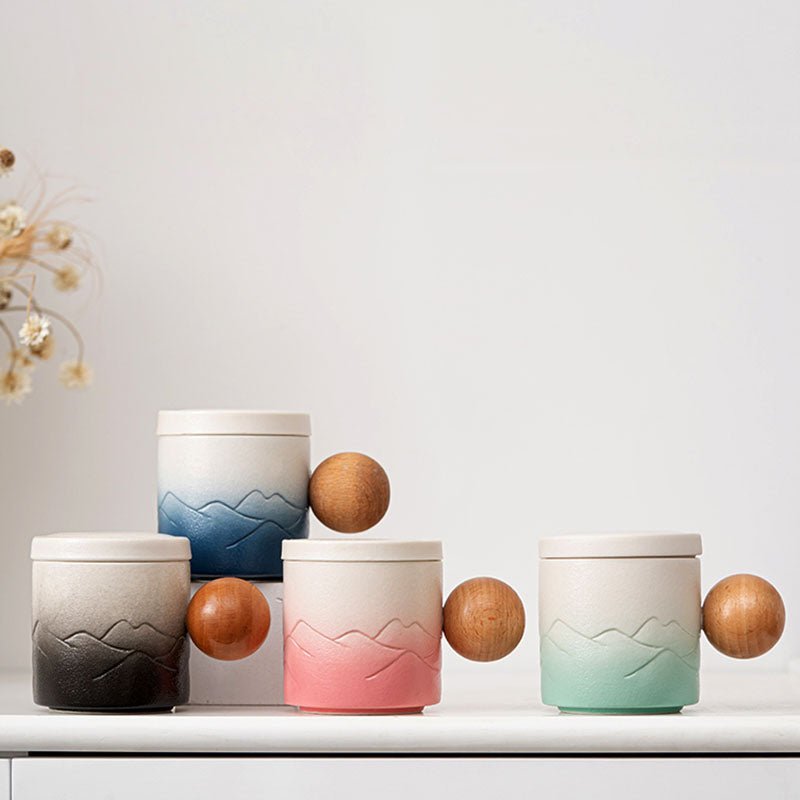
Coffee Mug 24 oz: Buyers Guide for Daily Use and Gifting
A coffee mug 24 oz gives you more room for long pours, tea, or desk use, but it also takes more cabinet space and can feel heavy when full. This guide shows what we check for comfort, durability, a...
Leer más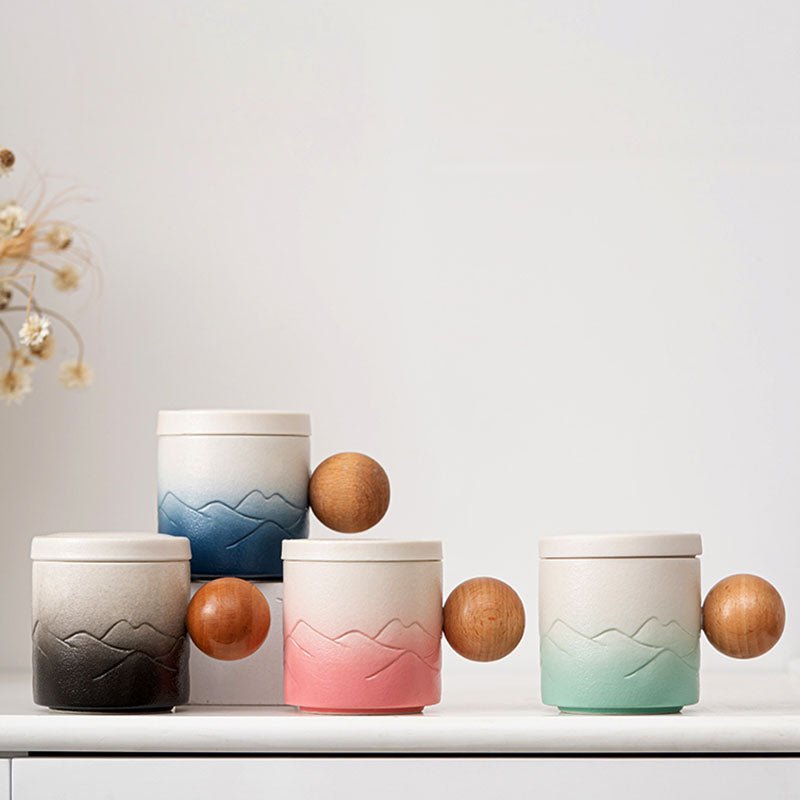
Fancy Mugs: How to Choose a Stylish Mug That Still Works Daily
Fancy mugs should look good on the shelf and feel right in your hand. We break down shape, handle comfort, finish, care, and size so you can pick one that fits daily use.
Leer más
Dejar un comentario
Este sitio está protegido por hCaptcha y se aplican la Política de privacidad de hCaptcha y los Términos del servicio.