

Lead Free Coffee Mugs: What Buyers Should Check Before Ordering
Reading time: about 9 minutes
A mug with a chipped rim, a cloudy glaze, or a bottom stamp that does not tell you much is the sort of thing we set back on the counter. If you are comparing lead free coffee mugs for daily use, the details that matter are usually small: the finish on the glaze, the feel of the handle, how the mug sits on a desk, and whether it can handle regular dishwasher cycles without looking tired after a few weeks.
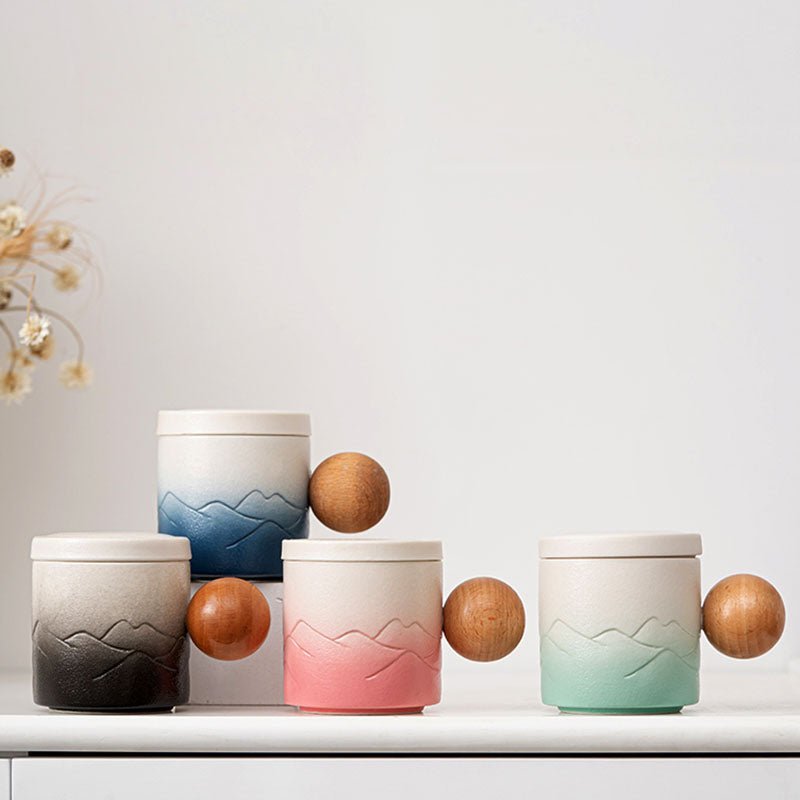
We handle drinkware for shoppers who want something practical, not fussy. In our store, we look at mugs the same way a customer does at home: next to the coffee machine at 7 a.m., on an office desk with a laptop nearby, or wrapped up as a gift and opened right away. That is why we recommend starting with a broad view of the styles in our full mug collection, then narrowing down by shape and daily use. If you already know you want a specific silhouette, the Gradient Coffee Tea Mug, Retro Coffee Tea Cup, and Ball Handled Coffee Tea Mug are all worth comparing side by side.
What does lead free actually mean on a coffee mug?
For a coffee mug, lead free should mean the usable drinking surface is not relying on lead-based decoration, glaze, or paint. That sounds simple, but buyers still need to pay attention to how the mug is made and how the seller describes it. A clean product page that states the material, finish, and care instructions is far more useful than vague wording like "safe" with no detail behind it.
Here is how we think about it when we inspect mugs in person:
- The drinking surface matters most. The inside of the mug and the rim are the places you touch every day.
- Decorative finishes should not flake or feel rough. A smooth, even glaze is easier to clean and usually feels better on the lips.
- The bottom and handle are worth checking. Hairline cracks, rough seams, or an unstable base are signs to avoid, even if the mug looks fine in photos.
- Care labels tell you a lot. If a mug is meant for regular use, the seller should be clear about dishwasher and microwave compatibility.
Lead free does not mean indestructible. A mug can start out fine and still become a poor choice if the glaze crazes, the rim chips, or the decoration fades after repeated washing. That is why we prefer mugs that look simple on the outside and solid in the hand.
Which mug features matter most for daily use?
Most shoppers think first about color or style. We look at the parts you notice after the novelty wears off. A mug can be attractive and still be annoying to use if the handle pinches your fingers or the base wobbles on a crowded desk.
| What to check | Why it matters | What we prefer |
|---|---|---|
| Handle shape | A small handle can be uncomfortable with fuller hands or when the mug is hot | A grip that leaves room for two or three fingers without crowding |
| Rim finish | A rough or thick rim changes the drinking feel | A smooth, even rim with no visible chips or uneven glaze |
| Base stability | A narrow or uneven base can feel risky on a desk or tray | A mug that sits flat and stays put on a tabletop |
| Interior surface | Dark stains and coffee rings show up quickly on poor finishes | A glazed interior that rinses clean without scrubbing every time |
We also pay attention to what a mug is not good for. If you need something sealed for commuting, a standard mug is the wrong tool. If you want a cup that disappears into a backpack, a ceramic mug is not the answer either. It belongs on a kitchen counter, office desk, or breakfast table, not in a car cup holder bouncing down the road.
The Ball Handled Coffee Tea Mug is the kind of shape many customers like when they want a more secure grip. The Gradient Coffee Tea Mug is a better fit if visual presentation matters too, especially for a gift or a tidy kitchen shelf. The Retro Coffee Tea Cup is for buyers who want a warmer, more nostalgic look without giving up everyday utility.
How do you compare lead free coffee mugs before you order?
Photos only tell part of the story. Before buying lead free coffee mugs online, we recommend checking the listing in the same order a real customer would use the mug: first glance, first wash, first refill, first gift opening. That catches most of the common disappointments.
- Read the material and care details first. Look for plain language about what the mug is made from and how it should be washed.
- Zoom in on the rim and handle. You want even glazing and a handle that looks large enough for your hand.
- Check whether the finish is fully glazed where it should be. Unfinished patches or sloppy transitions are not a good sign for daily use.
- Think about your routine. Desk coffee, after-dinner tea, and gift use all reward different shapes.
- Verify the seller tells you what the mug is not for. Honest listings usually mention limitations instead of pretending every mug works for every situation.
If you want more size-specific help while shopping, our guides on 12 oz Coffee Mugs: How to Choose the Right Mug for Daily Use and 16 oz Coffee Mugs: What to Check Before You Buy are useful if you are deciding between a smaller daily mug and a larger refill-friendly option. If you are still comparing shapes, our article on 14 Ounce Coffee Mugs: Size, Fit, and Buying Guide is also worth a look.
One practical detail people overlook: the same mug can feel different depending on the handle angle and where the weight sits when full. A mug that looks fine empty may feel front-heavy once coffee is in it. That is one reason we like to handle mugs in person before we recommend them. It is also why we treat a stable base and comfortable grip as more important than a flashy finish.
Which style works best for your kitchen, desk, or gift order?
Different buyers want different things. A kitchen mug should be easy to rinse and stack. An office mug should be comfortable to hold between meetings. A gift mug should look good the moment it is unboxed. The right lead free coffee mugs are the ones that fit the use case, not just the photo.
- For a calm everyday kitchen setup: choose a mug with a simple profile and a finish that will not make every coffee ring obvious.
- For desk use: focus on grip, balance, and a shape that does not crowd the keyboard area.
- For gifting: look for a design with visual character, clean glaze lines, and packaging that feels ready to present.
- For tea drinkers: a slightly more open mug mouth can make the sip feel less cramped and gives more room for tea bags or infusers.
That is where our three featured styles each serve a different shopper. The Gradient Coffee Tea Mug suits buyers who want a polished look without going over the top. The Retro Coffee Tea Cup fits someone who likes a more classic visual style. The Ball Handled Coffee Tea Mug is a stronger pick if comfort and grip are the priority. None of them are travel mugs, and that is fine. A ceramic mug should not pretend to be a commuter cup.
If you are buying for a shared kitchen or office, we usually suggest keeping the design simple and the shape consistent. A set of mugs that all sit flat, rinse clean, and stack without drama is more useful than a shelf of dramatic but awkward cups.
What are the trade-offs with lead free coffee mugs?
Every mug choice involves a trade-off. The point is to choose the right one for your habits, not the one with the most marketing copy.
What lead free coffee mugs are good at:
- Daily coffee and tea at home
- Desk use where stability matters
- Gift orders where appearance counts
- Easy hand washing or normal dishwasher use, if the care instructions allow it
What they are not good at:
- Commuting or car use without a lid
- Outdoor use where drops and bumps are likely
- Very lightweight packing for travel
- Situations where you need a sealed, insulated vessel
There are also a few honest limitations worth saying out loud. Ceramic mugs can chip if they knock into a sink edge. Glazed surfaces can show faint utensil marks over time. Dark coffee and tea can leave a ring if the mug sits unwashed for too long. None of that is unusual, but it does mean the best mug is one that you will actually want to rinse and use every day.
In our experience, the most satisfied buyers are not the ones chasing the fanciest design. They are the ones who pick a mug that feels good in the hand, cleans easily, and matches the way they really drink coffee.
Frequently asked questions
How can I tell if a mug is truly lead free before buying?
Look for a seller that names the material, explains the glaze or finish, and gives clear care instructions. Avoid listings that only say "safe" without saying what that means in practice. If the mug has decorative paint or heavy exterior detailing, check that the drinking surface is smooth and clearly described.
Are lead free coffee mugs safe for dishwasher and microwave use?
Sometimes, but not always. Dishwasher and microwave safety depend on the mug’s material, glaze, and any decorative accents. If the listing does not state it clearly, treat that as a limitation and wash by hand until you know more.
Which size is best for everyday coffee at home?
Many daily buyers land in the 12 oz to 16 oz range because it gives room for a standard pour without feeling oversized. Smaller mugs can be better for espresso-based drinks or tea, while larger mugs suit people who refill less often. If size is the main question, our 12 oz and 16 oz mug guides can help narrow it down.
Do ceramic mugs stain more easily than other materials?
Ceramic mugs can show tea and coffee stains if the glaze is rough or the mug is left unwashed. A smooth interior glaze usually rinses cleaner and holds up better visually. Regular washing matters more than most shoppers expect.
What should I buy if I want a lead free mug for gifting?
Pick a shape that looks finished from every angle and feels good in the hand. A mug with a clean profile and a distinctive but not noisy design works best for gifts. If you want options, compare the Gradient Coffee Tea Mug and the Retro Coffee Tea Cup first.
Which mug should you choose next?
If you want the safest buying process, start with three checks: smooth rim, clear care instructions, and a handle that fits your hand without squeezing. Then decide whether the mug is for kitchen use, desk use, or gifting. That keeps you from overbuying a style that looks good online but feels wrong in daily use.
From there, compare the three styles we mentioned against your routine, then browse the rest of our mug collection if you want to see more shapes before ordering. If you are choosing for a specific setup, begin with the mug you will reach for most mornings, not the one that just photographs well.
Read more
Large Mug of Coffee: How to Choose One for Daily Use
A large mug of coffee should feel steady in the hand, fit the amount you actually drink, and survive daily kitchen or office use. We break down what matters before you buy, with clear trade-offs an...
Leer más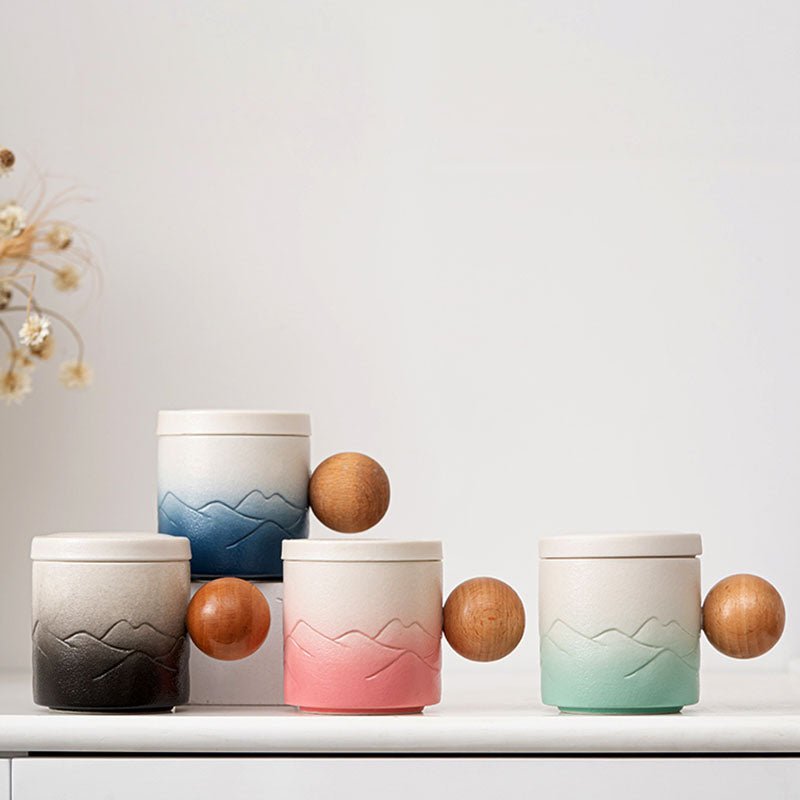
Coffee Mugs for Women: How to Choose the Right Mug for Daily Use
Practical guidance for choosing coffee mugs for women based on size, shape, finish, and everyday use. Compare styles that feel good in hand, fit your routine, and make sense as a gift.
Leer más
Dejar un comentario
Este sitio está protegido por hCaptcha y se aplican la Política de privacidad de hCaptcha y los Términos del servicio.