
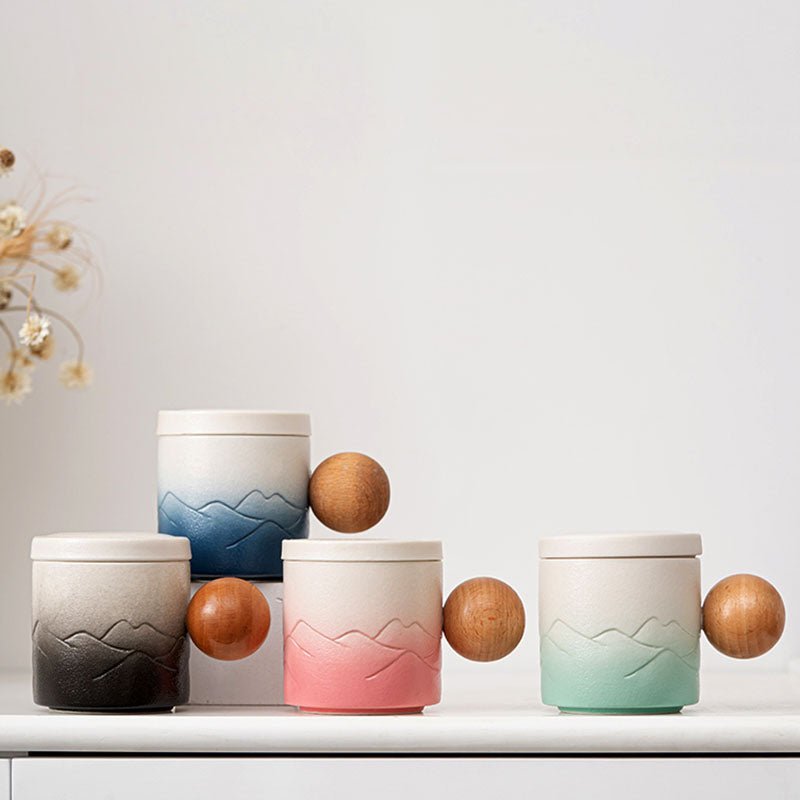
Large Cups for Tea: How to Choose the Right Mug for Daily Use
Reading time: about 8 minutes
A mug that looks generous on screen can feel cramped the moment you pour a full tea bag, add milk, and still want room to stir. We see that mismatch all the time in our store: the buyer wanted large cups for tea, but what they actually needed was the right mix of capacity, shape, and handle comfort.
That is why we look at tea mugs the way a real shopper uses them. Not as display pieces. Not as a generic oversized cup. We check how they sit on a kitchen counter, how they feel on an office desk, and whether they still stay comfortable after the third refill.
If you are comparing styles, start by looking at The Flow Coffee Tea Mug, White Golden Waves Tall Coffee Tea Mug, and Green Waves Coffee Tea Mug. If you want to compare the full range in one place, our collection is the cleanest starting point.
What size actually works for daily tea?
For most shoppers, the useful part is not the name of the mug. It is whether the cup holds enough tea to feel satisfying without becoming awkward to lift. In practice, large cups for tea usually land in the range where you can brew a normal mugful, leave room for milk or honey, and still stir without splashing over the rim.
We recommend thinking about how you drink tea most often:
- Plain black tea: A larger mug helps keep the cup full without feeling rushed.
- Tea with milk or sugar: Extra headroom matters so the cup does not overflow when you stir.
- Loose-leaf tea with an infuser: You want enough depth for the basket or strainer to sit comfortably.
- Long desk sessions: A larger mug reduces the need for constant refills, but only if the handle stays comfortable.
Size alone does not solve the problem. A bulky mug can still feel wrong if the base is too wide for a crowded shelf or the handle is too tight for a full grip. That is why we always pair capacity with shape.
Is a tall mug or a wide mug better for tea?
The short answer is: it depends on how you use it. A taller mug often feels more compact on the counter and can help retain heat a little longer because the surface area at the top is smaller. A wider mug is usually easier to stir, easier to cool slightly before drinking, and often feels more stable on a desk.
Here is the trade-off we see most often:
| Shape | Best for | Main trade-off |
|---|---|---|
| Tall, narrower mug | Heat retention, smaller footprint, neat shelf storage | Can feel top-heavy if the base is too narrow |
| Wider mug | Easy stirring, milk tea, relaxed sipping | More surface area, so tea may cool faster |
| Balanced everyday mug | Most daily tea routines and office use | Not as specialized for any one brewing style |
If you want a deeper size-and-shape breakdown, our guide on Large Cups for Tea: How to Choose the Right Size and Shape covers the same decision from a buying angle.
Which materials and finishes hold up best?
For tea mugs, the material changes the experience more than many shoppers expect. Stoneware tends to feel heavier and more substantial in the hand. Porcelain usually feels lighter and cleaner in profile. Ceramic sits in the middle for many buyers and is common for everyday mugs because it balances weight, durability, and cost without feeling delicate.
We also pay attention to the finish, because that affects both care and daily use:
- Glossy glaze: Usually easier to wipe clean after tea stains or a splash of milk.
- Matte finish: Looks refined, but it can show marks sooner and sometimes needs a little more care.
- Metallic details: Often look excellent as a gift, but they may limit microwave use.
- Hand-applied patterning: Can make each mug feel distinct, but slight variation is normal and part of the appeal.
There are also a few defect modes we watch for when we handle mugs in the store. A rough handle seam can make a large mug less comfortable than it looks. A slightly uneven rim can change the sip. Hairline crazing in the glaze may not affect function immediately, but it is worth inspecting if you want something that will hold up through repeated dishwasher cycles.
If the product page mentions care instructions, follow them closely. For decorated mugs, especially those with metallic accents or special finishes, do not assume microwave or dishwasher compatibility unless it is stated clearly.
Which mugs fit different tea routines best?
In our experience, shoppers usually pick large cups for tea based on routine first and style second. A mug that works on a quiet kitchen counter may feel too big on a cramped office desk. A visually striking mug may be perfect as a gift but not ideal if the buyer wants the lightest everyday handle.
These are the kinds of use cases we map to the mugs in our store:
- The Flow Coffee Tea Mug: A balanced everyday option if you want a clean shape that works for regular tea drinking without feeling oversized in the hand.
- White Golden Waves Tall Coffee Tea Mug: A stronger fit if you prefer a taller silhouette and want a mug that looks polished on a shelf or as a gift.
- Green Waves Coffee Tea Mug: A good choice if you want a little more visual character and a mug that stands out on a kitchen counter or desk.
We would not recommend choosing by appearance alone. A mug can look generous online and still feel awkward if the handle is too small or the lip is too thick. That is why we suggest comparing shape and comfort before committing. If you want to browse by style across the range, the full collection makes it easier to compare the options side by side.
For shoppers still narrowing things down, our article on Big Tea Mugs: How to Choose the Right Large Mug for Daily Tea is a useful follow-up if you are deciding between everyday function and a more giftable look.
What should you check before buying one?
We always tell shoppers to treat large cups for tea like a tool, not a display object. A mug that fails in daily use usually fails in one of the same places every time: handle comfort, base stability, rim shape, or care instructions.
- Check the capacity listing. If the volume is stated in ounces or milliliters, compare it to the amount you actually pour at home.
- Test the handle mentally. A large mug should still leave space for your fingers without your knuckles pressing the hot body of the cup.
- Look at the base. A steady base matters on a desk or bedside table, especially if you reach for the mug often.
- Read the care note. Dishwasher-safe is convenient, but a decorated mug may still need gentler handling than a plain one.
- Check the rim and interior. A smooth rim makes a bigger difference than most shoppers expect, especially for plain tea.
- Think about storage. A tall mug can be harder to fit under low cabinets or in some dish racks.
If you want a broader pre-purchase checklist that applies to mugs beyond tea, our guide on Big Coffee Cups: What to Check Before You Buy a Large Mug is a practical companion. The buying logic is nearly the same, even if your drink changes.
What are the trade-offs with large cups for tea?
Large cups for tea are not the right answer for every tea drinker, and that is worth saying plainly. If you prefer small formal servings, a traditional tea cup may suit you better. If you brew very delicate teas in a gongfu style, a big mug can flatten the experience because the ratio of leaf to water and the serving size are both different.
They are also not ideal if you want the most compact possible storage. A wider mug takes more room in the cabinet. A taller mug may be harder to stack or may block other items on a crowded shelf. And if you only drink tea in very small portions, the extra capacity can make the cup feel heavy without adding value.
We think the best large tea mug is the one that disappears into your routine: easy to pick up, easy to clean, and large enough that you are not refilling every few minutes.
If that is the kind of mug you want, you are probably shopping for comfort and consistency, not novelty.
Frequently asked questions
What size mug is best for tea every day?
For everyday use, most shoppers are happiest with a mug that feels generous without becoming hard to lift when full. The best size depends on whether you drink plain tea, tea with milk, or tea with an infuser, but the goal is the same: enough room to brew comfortably and stir without spilling.
Is a tall mug or a wide mug better for tea?
A tall mug usually keeps tea feeling warmer for a little longer and takes up less counter space. A wide mug is easier to stir and often feels more stable on a desk. If you drink slowly, shape matters as much as capacity.
Are large cups for tea good for loose-leaf tea?
Yes, as long as the mug has enough depth for your infuser or basket and enough room to stir afterward. We would avoid very narrow mugs for loose-leaf tea if the basket sits too high or if the water splashes when you add leaves.
What should I avoid when buying a large tea mug?
Avoid a mug with a cramped handle, a wobbly base, or a finish that will not match how you clean it. We also suggest skipping mugs that look oversized only because of a thick wall or a bulky lip, since those can reduce the actual drinking space.
Can a large mug work as a gift?
Yes, especially if the shape feels balanced and the finish looks clean in person. For gifting, we usually prefer a mug with a strong silhouette and a finish that will still look good after regular use rather than one that relies only on novelty.
If you are ready to compare options, use the checklist above and then open our full collection to compare shapes, finishes, and everyday usability side by side.
Read more
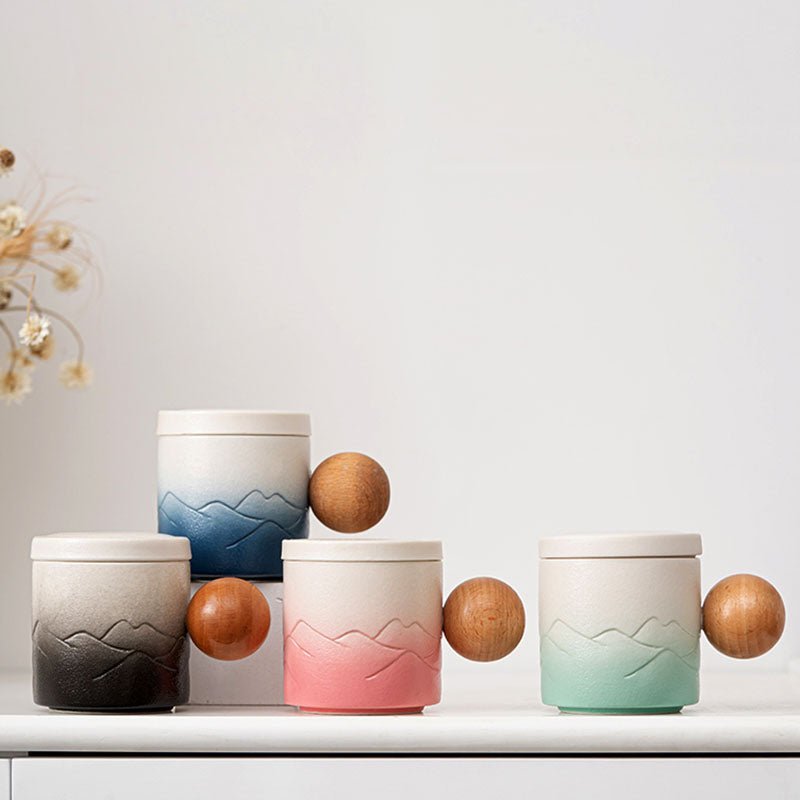
Military Coffee Mugs: How to Choose the Right Style for Daily Use
Military coffee mugs work best when the handle feels comfortable, the base sits steady, and the size matches how you drink. We break down the style and durability details that matter before you buy.
Leer más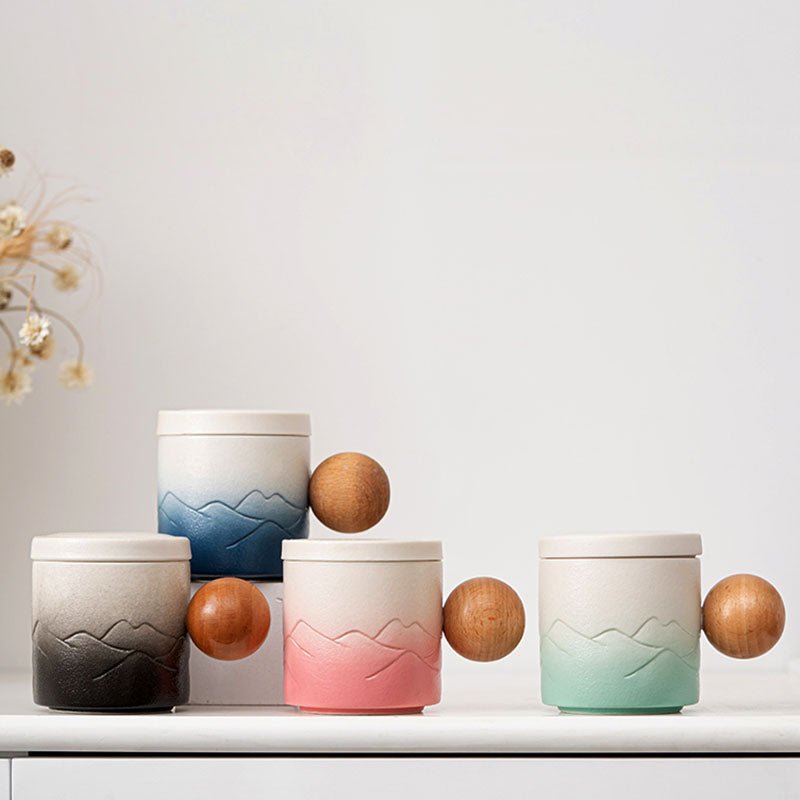
Mug & Cup Coffee Buying Guide for Daily Use
A practical look at mug & cup coffee choices, with real checks for size, handle comfort, glaze, and gifting use. We compare our tall, seasonal, and everyday styles so you can choose with less g...
Leer más
Dejar un comentario
Este sitio está protegido por hCaptcha y se aplican la Política de privacidad de hCaptcha y los Términos del servicio.