
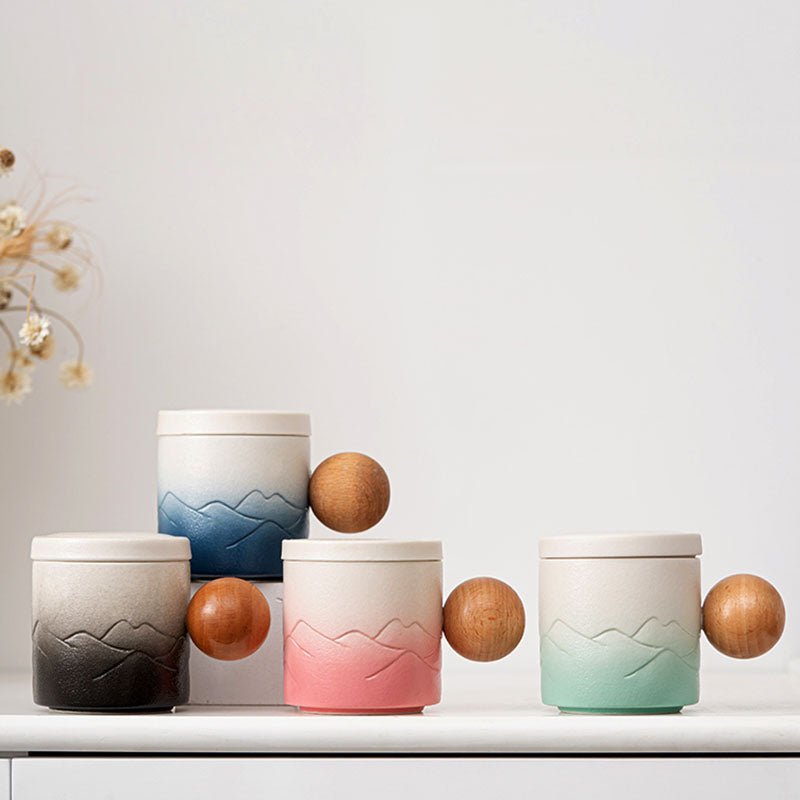
Large Coffee Cups for Daily Use: How to Choose the Right One
Reading time: about 9 minutes
A mug can look generous online and still feel wrong the first morning you use it. It may be too heavy when full, too wide for a shelf, or too narrow at the base to sit flat on a crowded desk. That is the real test for large coffee cups: not just capacity, but how they behave in daily use.
At our store, we see the same buying pattern again and again. People want fewer refills, a comfortable handle, and a cup that still looks good after a week of dishwasher cycles and countertop use. If that is your goal, the details below will help you choose with less guesswork. If you want a broader checklist first, our guide on Big Coffee Cups: What to Check Before You Buy a Large Mug pairs well with this one.
How big is a large coffee cup, really?
Most shoppers think of a large mug as anything bigger than a standard office cup, but that range is wider than people expect. A common everyday mug is often around 11 to 14 ounces. A true large coffee cup usually starts closer to 16 ounces and can move up from there, depending on the profile and handle shape.
That number matters less than the way the mug is built. A 16-ounce mug with a thick wall can feel heavier than a 20-ounce mug made with lighter ceramic. A tall shape may hold more liquid while taking up less counter width. A broad bowl-shaped mug may feel easier to sip from, but it can also cool faster. Those are the trade-offs that matter in the kitchen, not just in the product photo.
We recommend thinking about capacity in terms of use case:
- 12 to 14 ounces: still close to standard, better for people who want a bigger pour without a bulky feel.
- 16 to 18 ounces: the sweet spot for most daily coffee drinkers who want one mug that handles a full brew.
- 20 ounces and up: useful for long work sessions, tea drinkers, or anyone who dislikes refilling, but heavier when full.
If you want a simple rule, start with the amount you actually pour at home, not the biggest number you think sounds useful. That keeps you from buying a mug that is oversized for your hand, cabinet, or mug tree.
What matters more than volume: handle, weight, and rim?
Volume is only part of the decision. In daily use, the handle, balance, and lip shape often decide whether a mug becomes a favorite or gets pushed to the back of the shelf.
We check these points first because they are the places where bigger mugs most often disappoint:
- Handle clearance: Fingers should fit without scraping the body of the mug, even when the cup is full and warm.
- Base stability: A wider base reduces the wobble that shows up on laptop desks, tray tables, and crowded counters.
- Wall thickness: Thicker walls can hold heat longer, but they add weight. Thin walls feel lighter, but they may cool faster.
- Rim finish: A smooth, even rim is better for everyday sipping. Rough glazing or a slightly uneven rim is one of the first things people notice once they stop staring at the shape.
Material matters too. Glazed ceramic and stoneware are the most common choices in this category because they balance heat retention, comfort, and visual appeal. Porcelain usually feels a little lighter and more refined, but it can be less forgiving if you are rough on dishes. For large coffee cups, that forgiveness matters. A mug that chips easily near the handle or crazes along the glaze line will not feel like a good long-term buy.
We also pay attention to common defect modes. A mug that does not sit level on a table can be annoying from day one. A handle with a sharp inner edge will stay annoying forever. Hairline glaze crazing may not matter to some shoppers, but if you want a mug that looks clean after repeated washing, it is worth avoiding pieces that already show stress in the finish.
Which large mug shape fits your routine?
Different routines put different demands on a mug. A desk mug should be stable and easy to hold. A weekend mug can be wider and more relaxed. A gift mug has to work for someone else, which means the shape should be broadly comfortable, not unusual for the sake of style.
| Use case | Best shape | Why it works | What it is not good for |
|---|---|---|---|
| Office desk | Taller, narrower mug with a stable base | Fits better beside a keyboard and reduces spill risk | Very wide bowls that take over the whole workspace |
| Kitchen counter use | Balanced ceramic mug with a comfortable handle | Easy to grab, easy to rinse, easy to stack if needed | Oversized novelty mugs that are awkward to store |
| Gift purchase | Decorative but practical shape | Looks intentional without being too specific in taste | Highly specialized shapes that only suit one style of user |
| Tea and coffee both | Moderately tall mug with enough surface area | Works for hot drinks that need a bit more room | Very narrow cups that trap aroma but feel hard to sip from |
If your priority is all-day use, not display, avoid buying purely on visual size. A mug that photographs beautifully can still be the wrong fit for a hand that does the lifting every morning.
Which large coffee cups from our store make sense for everyday use?
We keep this category focused because a good large mug should earn its place on the shelf. For shoppers comparing options, the product pages below are a practical starting point.
The The Flow Coffee Tea Mug is a good fit for people who want a larger mug without a heavy, oversized feel. The profile is easy to live with on a kitchen counter or office desk, which matters more than a dramatic silhouette when you reach for it every morning.
The White Golden Waves Tall Coffee Tea Mug suits shoppers who want a taller, more polished look. Tall mugs can be easier to store in a tight cabinet than broad ones, but they are not the best choice if you prefer a very open rim or if you tend to fill your cup right to the top.
The Green Waves Coffee Tea Mug is the kind of mug that works well when someone wants a daily cup with a little more character. It is useful for gifts too, provided the recipient likes a bolder finish and does not mind a mug that feels more styled than plain.
For shoppers who want to compare the full range before deciding, our all products collection makes it easier to line up size, color, and shape in one place.
If you are still deciding between style and function, our related posts can help. Big Coffee Cups: How to Choose the Right Large Mug for Daily Use focuses on practical sizing, while Beautiful Coffee Cups: What to Look for Before You Buy is useful if you care about visual finish as much as daily comfort.
What should you check before buying a large mug online?
Online mug shopping is mostly about reducing surprises. We always tell customers to check the same short list before they place an order, because those are the details that determine whether a large coffee cup feels right after the first wash.
- Capacity: Make sure the listed ounces match your actual pour. A mug that sounds large may still be too small for a full brew.
- Handle space: Check whether the handle looks wide enough for your fingers, especially if you plan to use the mug when it is full.
- Weight: Heavier ceramic can feel substantial and heat-friendly, but it becomes less comfortable if you hold your mug for long stretches.
- Care instructions: If a mug has decorative accents, unusual glaze, or metallic detailing, confirm whether it should be hand-washed or kept out of the microwave.
- Shape and footprint: Large mugs can hog shelf space. A cup that is wide at the rim may be harder to store than a taller shape with the same capacity.
Those checks sound basic, but they prevent the usual disappointments. A lot of large mugs fail not because they are unattractive, but because they are awkward in the hand or annoying in the cupboard.
If you want a second opinion before buying, the guide A buyer's guide to large capacity coffee mugs goes deeper into capacity and everyday use. It pairs well with the product pages above if you are narrowing a shortlist.
What are the trade-offs of choosing a bigger mug?
A larger mug solves some problems and creates others. That is the honest part of this category. More capacity means fewer refills, but it also means more weight when full. A taller mug may fit better on a shelf, but it can feel less steady on a cluttered desk. A decorative finish can make the mug feel special, but it may require a little more care.
Large coffee cups are usually not the best pick if you want:
- A travel mug that fits a car cup holder.
- A small espresso cup or a compact breakfast cup.
- A very lightweight vessel for one-handed use.
- A stackable set that disappears neatly into a narrow cabinet.
On the other hand, they make sense if you want one reliable mug for drip coffee, tea, or a longer work session. In our experience, that is the point where buyers feel the difference most: fewer interruptions, a steadier routine, and a mug that feels like part of the day instead of a decoration on the shelf.
Frequently asked questions
How many ounces should large coffee cups hold for daily use?
For most people, 16 to 18 ounces is the most practical range. It is large enough for a full pour without becoming too heavy or awkward to store. If you like very large servings, 20 ounces or more can work, but the mug will usually feel bulkier in the hand.
Are large coffee cups good for both coffee and tea?
Yes, if the shape is balanced and the rim is comfortable. A medium-tall ceramic mug usually works well for both drinks. Very wide mugs can cool tea faster, while very narrow mugs can feel less comfortable when you sip frequently.
What material is best for a large mug?
Glazed ceramic and stoneware are the most common choices because they hold heat well and feel substantial without being fragile in everyday use. Porcelain is lighter and can look more refined, but some shoppers prefer the sturdier feel of stoneware for a bigger cup.
What should I avoid in a large coffee cup?
Avoid a mug with a handle that is too tight, a base that wobbles, or a glaze that already looks uneven. If the mug has metallic decoration or unusual finishing, confirm the care instructions before buying. Those are the details that usually cause regret after the first few uses.
Can a large coffee cup go in the microwave or dishwasher?
Often yes, but not always. The safest approach is to check the care notes for the exact mug, especially if it has decorative accents, metallic details, or a hand-finished glaze. A well-made ceramic mug should handle normal daily cleaning better than a delicate decorative piece.
If you want the simplest next step, compare handle comfort, base width, and care notes, then start with our full collection and narrow down from there. That is usually the fastest way to find large coffee cups that work on a real kitchen counter, not just in a product photo.
Read more
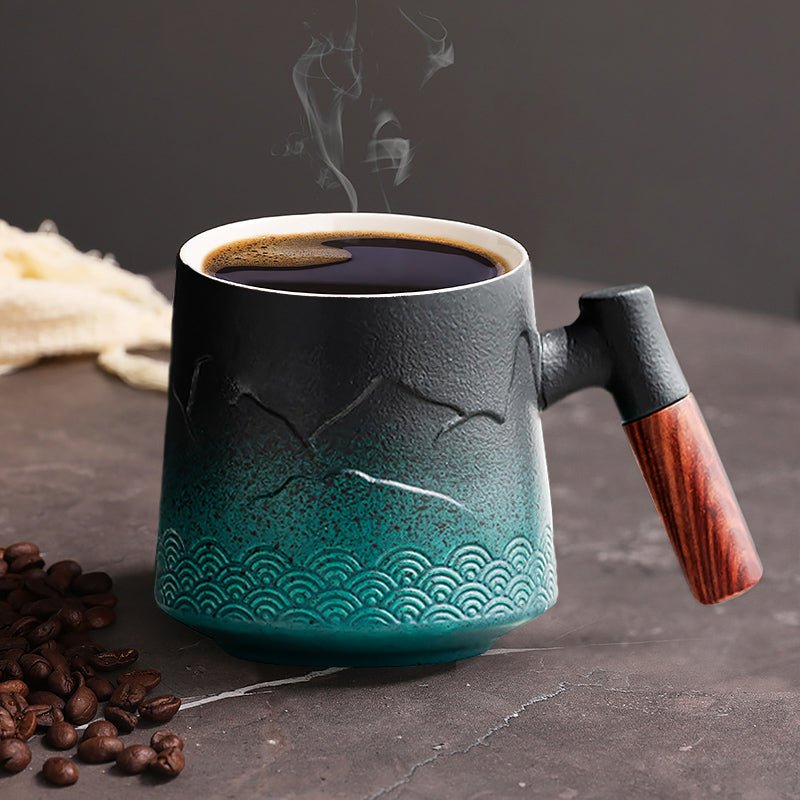
Coffee Mugs With Large Handle: What to Look For Before You Buy
Coffee mugs with large handle solve a real grip problem: cramped fingers, unstable carries, and mugs that feel awkward once they are full. Here is how we compare styles, sizes, and care trade-offs ...
Leer más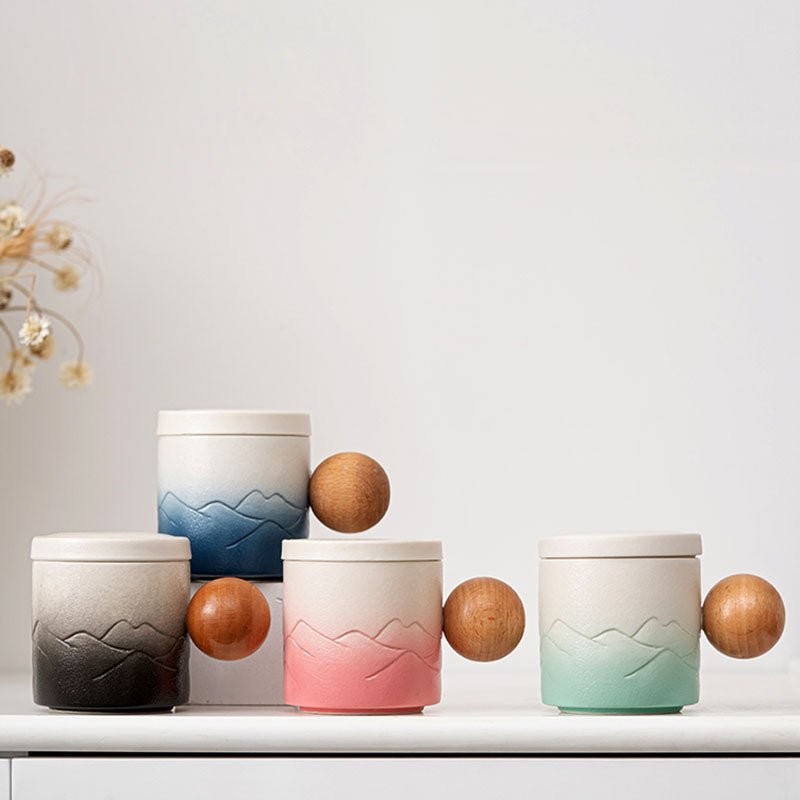
Big Tea Cup: How to Pick One for Daily Tea and Better Comfort
A practical guide to choosing a big tea cup that fits your tea routine, hand feel, and kitchen space, with real trade-offs and product links.
Leer más
Dejar un comentario
Este sitio está protegido por hCaptcha y se aplican la Política de privacidad de hCaptcha y los Términos del servicio.