
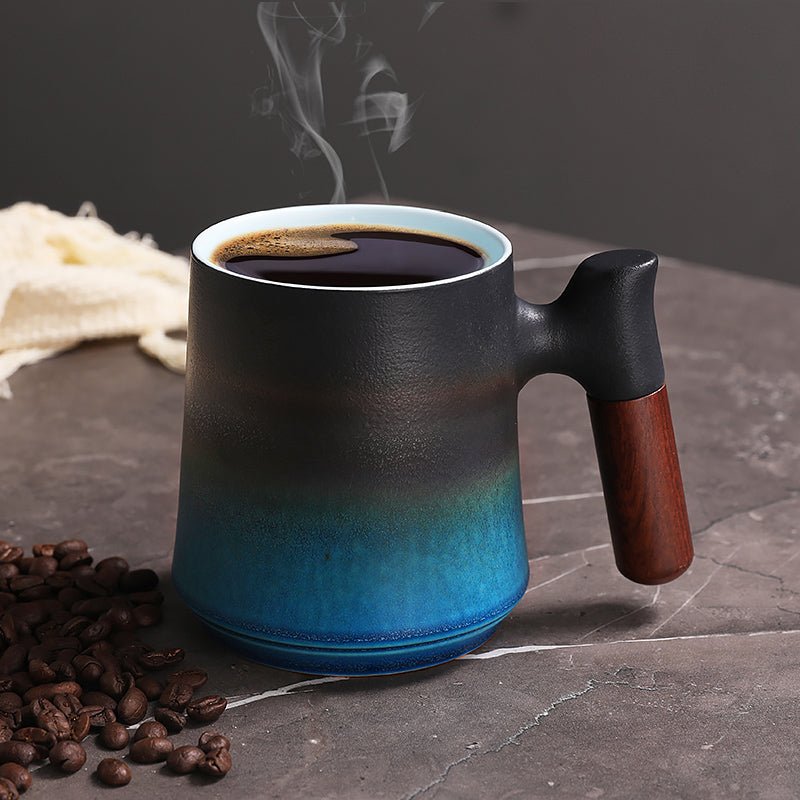
Jellycat Coffee Mug: What Buyers Should Check Before They Buy
Reading time: about 10 minutes
A mug can be adorable on a shelf and still be awkward at 7 a.m. if the handle is too small, the rim feels thin, or the size looks right online but holds less than you expected. That is the real buying problem behind a jellycat coffee mug search: shoppers want the cute look, but they also want something that works for daily coffee, tea, desk use, or gifting.
We handle a lot of mug decisions in our store, and the same questions come up again and again. Is it more display piece or daily driver? Will it fit in a standard cabinet, dishwasher, or office mug warmer? Does the shape make it feel better in hand, or does the design make it less practical? This guide walks through those trade-offs clearly so you can decide what matters most before you buy.
What does a jellycat coffee mug usually mean for buyers?
People use the phrase in a few different ways. Some mean a mug with a soft, plush, character-inspired look that reminds them of Jellycat-style gifting. Others mean a mug they plan to buy alongside a Jellycat toy as part of a gift set. Either way, the buyer usually wants something cute, playful, and easy to give without feeling overly childish.
For us, the key question is not just style. It is how the mug will actually be used. A gift mug that lives on a shelf has different needs than one that goes through dishwasher cycles every night or sits on an office desk next to a laptop.
What you should check first
- Capacity: 10 oz, 11 oz, 12 oz, 14 oz, 15 oz, and 16 oz all feel very different in daily use.
- Material: Ceramic is common for gift mugs because it feels solid and holds heat well, but it can chip if handled roughly.
- Handle size: A cute mug with a tiny handle is often the first thing people regret.
- Care instructions: If the mug is hand-wash only, that changes whether it works for busy mornings.
If you want to compare common mug capacities before deciding, our 10 oz Coffee Mug: Size, Fit, and What to Check Before You Buy and 11 oz Coffee Mug: Size, Fit, and What to Check Before You Buy guides are useful starting points. Those sizes are popular for gift mugs because they tend to feel manageable on a desk or breakfast table.
Is a jellycat coffee mug good for daily coffee use?
Sometimes yes, but not always. If the mug has a well-shaped handle, a stable base, and a comfortable rim, it can work very well for coffee, tea, or hot chocolate. If the design leans heavily into novelty proportions, the mug may be better as a display item or occasional-use gift.
In our experience, buyers are happiest when they match the mug to the routine. A commuter wants grip and spill control. An office user wants something that fits under a coffee machine and looks nice near a keyboard. A gift recipient may care more about the charm than the capacity.
Best everyday features to look for
| Feature | Why it matters | What can go wrong |
|---|---|---|
| Wide enough handle | More comfortable for larger hands and fuller cups | A narrow handle can feel cramped and awkward |
| Stable base | Helps reduce tipping on crowded desks and kitchen counters | A round, narrow base can feel tippy when full |
| Moderate capacity | Useful for standard coffee servings without constant refills | Too large can make the mug heavy and cool the drink faster if left half-full |
| Glazed ceramic surface | Usually easier to wipe clean and more gift-friendly | Poor glaze consistency can show pinholes or rough spots |
If you know the recipient tends to drink a larger pour, our 12 Ounce Coffee Mug Buying Guide: Size, Fit, and Best Uses and 12 oz Coffee Mug: Size, Fit, and What to Check Before Buying explain why 12 oz often feels like the sweet spot between small gift mug and practical daily mug.
What size should you choose for a cute gift mug?
Size is where most people get tripped up. A mug that looks generous in photos can feel small once you add coffee and milk. On the other hand, a 16 oz mug can be great for a long morning but feel too bulky for someone with small hands or limited cabinet space.
We usually suggest thinking about the drinking habit first, then the look second. That sounds backward for a novelty-style purchase, but it saves a lot of returns and disappointed gift reactions.
Simple size guide
- 10 oz: Better for espresso drinks, smaller tea servings, or decorative gifting.
- 11 oz to 12 oz: Best for standard coffee drinkers who want a familiar, balanced size.
- 14 oz to 16 oz: Better for people who like larger pours, milk-based drinks, or fewer refills.
If you are deciding between medium and larger sizes, our guides for 14 oz Coffee Mug: What Buyers Should Check Before They Buy, 15 oz Coffee Mug: Size, Fit, and What Buyers Should Check, and 16 Ounce Coffee Mug Buyer’s Guide: Size, Material, and Fit are worth reading before you choose. For buyers who want one last comparison point, our 16 oz Coffee Mug: What Buyers Should Check Before They Buy article covers the trade-offs that matter in real use.
What materials and finishes matter most?
Most cute mugs in this category are ceramic, and that is usually a good thing. Ceramic feels substantial in the hand, holds heat well enough for normal sipping, and photographs nicely for gift giving. It also works well for printed or glazed character-style designs.
That said, ceramic is not indestructible. The common failure points we watch for are chipped rims, hairline cracks near the handle joint, uneven glaze, and weak points where the handle meets the body. These are the exact spots buyers should inspect after unboxing, especially if the mug is a gift shipping across the country.
A mug can look perfect in a product photo and still disappoint if the handle is too tight, the rim feels sharp, or the base is uneven on a flat counter. We check those things in our store because they affect daily use more than the print ever will.
Practical finish details to inspect
- Rim finish: Smooth, even glaze is more comfortable for sipping.
- Handle join: The junction between handle and body should look solid, with no visible stress line.
- Interior glaze: A clean interior is easier to rinse and less likely to hold stains from tea or coffee.
- Surface texture: Matte looks stylish, but glossy glaze is usually easier to wipe clean.
If you want the cute look but also need a mug that stands up to daily handling, a straightforward ceramic style is usually safer than a highly sculpted novelty piece. More sculpted mugs can be charming, but they are less ideal for dishwashers, stacked cabinets, or crowded office shelves.
How do you tell if it will work in a real kitchen or office?
This is the part shoppers often skip, then regret later. The mug may fit the vibe, but will it fit the space? We have seen buyers choose a mug that looks perfect online and then find out the handle bumps the cabinet door, the cup does not sit well on a narrow warmer, or the design makes it harder to stack with other mugs.
Think through the actual environment:
- Kitchen counters: A stable base matters if the mug gets moved around while food is cooking.
- Office desks: The mug should not crowd a laptop, mouse pad, or notebook.
- Gift baskets: The shape should pack well with coffee, cocoa, or cookies.
- Dishwasher racks: Odd handles and oversized forms can be inconvenient to load.
If you are shopping on our site, you can compare current mug options on our collection page or browse our product listings to see what style, size, and finish fit your needs best. That is usually the fastest way to decide if you want something display-first or everyday-use first.
What are the trade-offs of buying a cute novelty mug?
The biggest upside is obvious: charm. A well-chosen mug makes an easy gift and adds a little personality to a morning routine. The downside is that novelty mugs can sacrifice one or two practical details to get the look right.
Here is the honest trade-off list we tell shoppers to think about:
- Cute design vs. grip comfort: The more sculpted the mug, the less likely it is to feel like a workhorse mug.
- Gift appeal vs. durability: Very decorative pieces can be more delicate around handles, ears, raised shapes, or prints.
- Display value vs. stacking: A more playful shape may not fit neatly in a cabinet with standard mugs.
- Hand-wash only vs. convenience: A special mug is fine for careful owners, but less ideal for someone who wants zero-fuss cleanup.
That does not make the mug a bad buy. It just means the best choice depends on who is using it. If the goal is a charming present for a collector or a friend who loves themed kitchenware, a cute mug makes sense. If the goal is a rugged, travel-ready cup or a mug for a hectic shared office kitchen, a simpler shape usually wins.
How should you care for it so it lasts?
Care is where many mugs either stay beautiful or start looking tired. Even a good ceramic mug can chip if it is slammed into a sink, stacked under heavier dishes, or left with stains that build up over time. For printed or decorative mugs, harsh scrubbing can also dull the finish.
Basic care we recommend
- Rinse after use so coffee or tea does not sit in the cup.
- Use a soft sponge or cloth for regular washing.
- Dry the rim and handle area before storing.
- Avoid stacking heavier mugs on top if the shape is delicate.
- Check for small chips before putting it back into regular rotation.
If the mug is dishwasher-safe, that is a convenience win. If it is hand-wash only, we treat that as a lifestyle decision, not just a care note. Buyers who want a low-maintenance cup for daily use should prioritize durability and a simple shape over extra decoration.
Who should skip a jellycat coffee mug?
This kind of mug is not the best fit for everyone. If you want an insulated vessel for long commutes, a mug with a lid and sealed construction is a better choice. If you want something for rough handling, repeated office use, or kids who tend to knock things over, a more basic and sturdier mug may be a smarter buy.
It is also not the best choice for someone who hates hand-washing delicate items or who only buys mugs that nest tightly in a small cabinet. A cute mug should make the routine better, not create a new hassle.
Frequently asked questions
Is a jellycat coffee mug dishwasher safe?
That depends on the specific mug. Some ceramic mugs are made for dishwasher use, while others are better hand-washed to protect the finish or any decorative details. If you plan to use it every day, check the care note before buying so you do not end up with a mug that needs more maintenance than you want.
What size is best for a jellycat coffee mug gift?
For most gift buyers, 11 oz to 12 oz is the safest choice because it feels familiar and works for coffee, tea, or hot chocolate. If the recipient prefers larger drinks or fewer refills, 14 oz to 16 oz can be better. For a more decorative or collectible gift, 10 oz can be a nice smaller option.
Are cute novelty mugs good for daily use?
Some are, but only if the handle, base, and rim are designed well. A novelty mug with a comfortable handle and stable bottom can work fine on a kitchen counter or office desk. If the shape is highly sculpted or the handle feels cramped, it is usually better as a display or occasional-use mug.
What should I inspect when my mug arrives?
Check the rim, handle joint, base, and glaze first. Those are the areas where shipping damage or manufacturing flaws show up most often. A quick inspection before washing helps you catch chips, cracks, or uneven glazing while the packaging is still nearby.
Is ceramic the best material for this kind of mug?
Ceramic is usually the best balance of feel, heat retention, and gift appeal for this style of mug. It is not the most impact-resistant material, though, so it is not ideal for rough handling or travel. If durability is your top priority, a simpler travel mug or stainless steel cup may suit you better.
If you are comparing options, start with size first, then check handle comfort and care instructions. After that, browse our collection page or our product listings to see which mug fits your kitchen, desk, or gift recipient best.
Read more
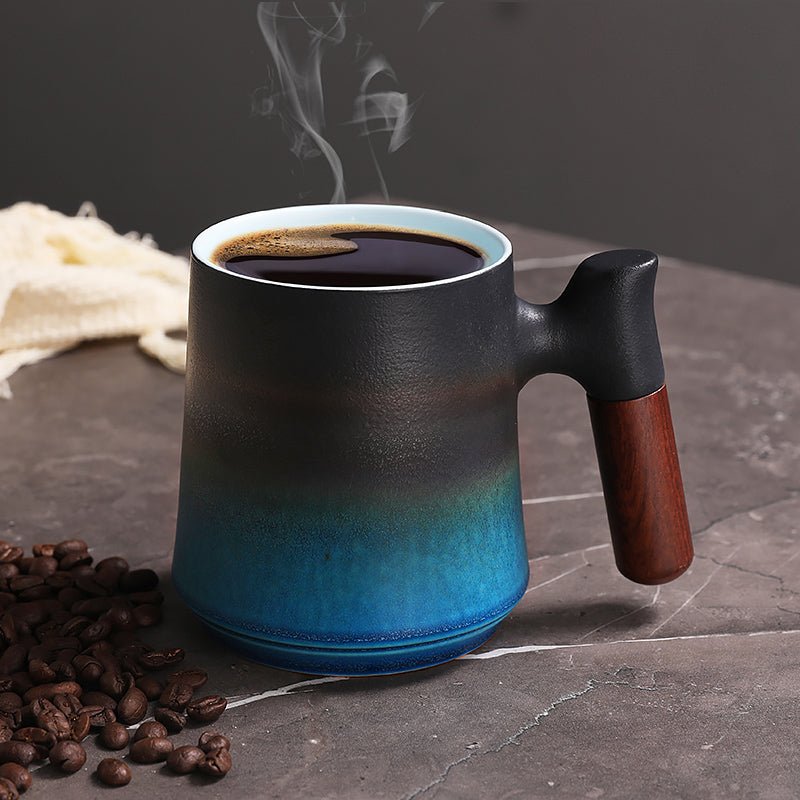
eBay Coffee Mugs: What to Check Before You Buy
A practical buyer’s guide to ebay coffee mugs, covering size, materials, condition checks, and the trade-offs that matter before you click buy. Written from the perspective of a store that handles ...
Leer más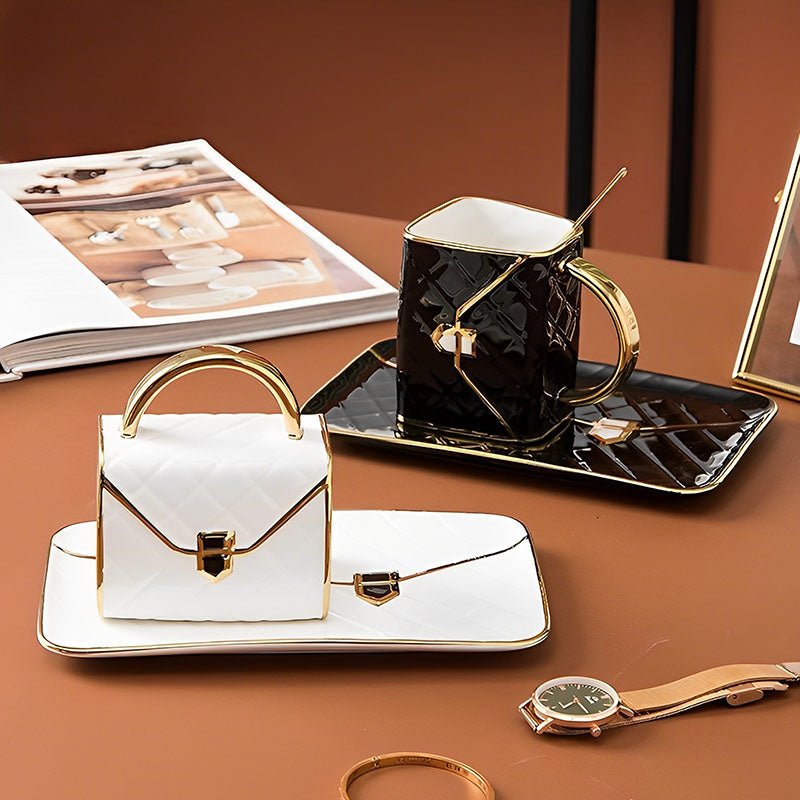
Tiffany Coffee Mug Buying Guide: Size, Material, and Gift Fit
A Tiffany coffee mug can be a strong gift pick, but the details matter: finish, handle comfort, capacity, and how it holds up in daily use. Here’s what we check before we recommend one.
Leer más
Dejar un comentario
Este sitio está protegido por hCaptcha y se aplican la Política de privacidad de hCaptcha y los Términos del servicio.