
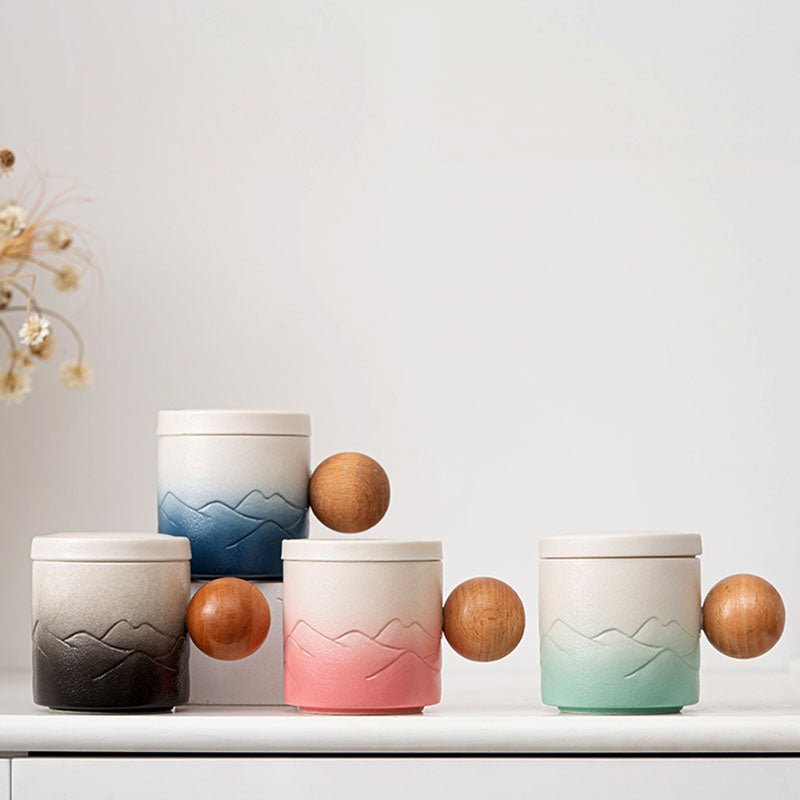
Interesting Mugs That Actually Fit Daily Coffee, Tea, and Desk Use
Reading time: about 8 minutes
A mug sits on the counter every morning, so the wrong one is easy to notice. The handle feels cramped. The base wobbles. The glaze looks better in the photo than it does after a few dishwasher cycles.
That is why we treat interesting mugs as daily tools first and shelf pieces second. In our store, we see the same buying pattern again and again: shoppers want something with personality, but they still need a mug that pours cleanly, holds comfortably, and does not become annoying by the third refill.
If you want to start with the full range, our all mugs collection is the easiest place to compare styles side by side. For a few current examples, look at The Flow Coffee Tea Mug, Mountain Sea Coffee Tea Mug, and Spittoon Coffee Tea Mug to see how different personalities can work in a real kitchen, office, or gift box.
What makes interesting mugs worth buying instead of just looking at?
A mug becomes interesting when it gives you something to notice without getting in the way of use. That can be a shape that feels different in the hand, a surface treatment that catches light, or a silhouette that looks good on an open shelf. It should still pass the basic tests: stable on the table, easy to rinse, and comfortable to hold with one hand.
We pay attention to a few details because they are the ones buyers feel immediately:
- Handle clearance: A handle that leaves enough room for two fingers is easier to live with than a pretty handle that pinches.
- Base stability: A flat, even foot ring matters on a desk, on a nightstand, and on a crowded kitchen counter.
- Rim comfort: A smooth lip makes coffee or tea feel better than a thick rim with an abrupt edge.
- Glaze quality: Even glazing and a clean finish matter more than a flashy color if you plan to use the mug every day.
- Storage fit: A distinctive mug can still be practical if it does not block the door of a cabinet or crowd the shelf.
If you want a deeper routine-first checklist, our article Interesting Coffee Mugs: How to Pick One That Fits Your Routine covers the way we think about daily use before style.
Which details matter most if you will use the mug every day?
The best everyday mugs usually get the basics right before they try to stand out. That means a balanced shape, a handle that does not force your wrist into an awkward angle, and a capacity that matches how you actually drink coffee or tea. A smaller mug can feel tighter and more focused. A larger one can be great for long mornings, but it may also make the mug heavier when full.
Here is the short version of what to check before you buy:
- Capacity: Match the size to your drink. If you usually pour a larger coffee or tea, do not buy a mug that looks interesting but is too small for the routine.
- Weight when full: A thick ceramic mug can feel sturdy, but once filled it should still feel easy to lift and carry from kitchen to desk.
- Handle shape: Test whether the handle lets you grip the mug without squeezing. Thin handles can look elegant and still be tiring.
- Care requirements: Check whether the listing says dishwasher safe, microwave safe, or hand wash only. If the mug has heavy decoration or a specialty finish, treat it more carefully.
- Common wear points: Look for rough foot rings, pinholes in the glaze, or a tiny wobble on a flat surface. Those are the small flaws buyers notice later.
For shoppers comparing size more than shape, our guide 16 oz Coffee Mugs: How to Choose the Right Mug for Daily Use is useful if you want a larger cup, while Interesting Mugs for Daily Coffee: What Buyers Should Check focuses on the practical side we look at before recommending a mug.
How do The Flow, Mountain Sea, and Spittoon compare?
These three product pages are a good way to compare different kinds of interesting mugs without overthinking it. We would not pick the same one for every buyer, because the right choice depends on where the mug will live and how much visual attention you want it to get.
| Mug | Best fit | Why shoppers compare it | Trade-off |
|---|---|---|---|
| The Flow Coffee Tea Mug | Daily coffee, office desks, buyers who want a calmer look | It reads as the most versatile starting point for people who want personality without too much noise | It may not feel dramatic enough if you want a strong statement piece |
| Mountain Sea Coffee Tea Mug | Gifts, home kitchens, shoppers who want a more visual mug | It is the kind of mug people notice at first glance and remember later | If your shelf is already busy, a more detailed mug can feel visually crowded |
| Spittoon Coffee Tea Mug | Conversation pieces, buyers who like unusual tableware | It has the strongest personality and tends to appeal to people who want something less ordinary | It is not the safest choice if you prefer subtle, low-key mugs for a formal kitchen or office |
We like this kind of comparison because it exposes the trade-offs early. A mug can be interesting and still be practical, but not every interesting mug should be your only mug. If you are building a set for everyday use, one quieter option and one bolder option is often a better mix than three highly decorative pieces.
What problems show up after the first week of use?
This is where a lot of buyers get surprised. A mug can look great on day one and still turn annoying later if the handle is too tight or the base is uneven. We see a few common issues across mug categories, and they are worth checking before you buy.
- Hairline cracks near the handle join: These are a concern because the handle takes stress every time you lift the mug.
- Uneven glaze pooling: It can collect color at the bottom edge or around the handle and make the mug look less finished.
- Rough foot rings: A rough bottom can scratch a tabletop or feel cheap when you slide the mug across a desk.
- Wobble on a flat surface: Even a small wobble becomes obvious once the mug is filled with hot coffee.
- Overly thick lips: A thick drinking rim can make a mug feel heavier and less refined than it looks in photos.
Our rule is simple: interesting should not mean inconvenient. A mug that is hard to rinse, hard to hold, or hard to store is not a good daily buy, even if it gets compliments. If you need matching stackable mugs or something that lives in a car cup holder, this is usually the wrong category.
Which mug should you buy for a gift, desk, or quiet kitchen?
The right answer depends on the setting more than the mug itself. A desk mug needs to feel stable and personal without being distracting. A gift mug needs to be distinctive enough to feel chosen, but not so unusual that the recipient does not want to use it. A quiet kitchen usually benefits from a mug that adds interest without fighting the rest of the tableware.
Here is how we would think about the use case:
- For a desk: Pick the mug that feels balanced in the hand and will not dominate a small workspace.
- For a gift: Choose the style that looks special out of the box and still feels usable after the first wash.
- For a kitchen shelf: Look for a mug that holds its own visually but still blends with your plates, bowls, and kettle.
- For tea drinkers: Favor a shape with a comfortable rim and enough room for a tea bag or infuser if you use one.
If you are choosing for routine use first and aesthetics second, our buying guide Interesting Mugs for Daily Coffee: What Buyers Should Check is the fastest way to narrow the field. If you want the broader context for how a mug fits your habits, the article Interesting Coffee Mugs: How to Pick One That Fits Your Routine is the better read.
We also see a simple pattern in gift buying: people usually regret buying the most unusual mug in the shop when the recipient wants something practical. The best gift is often the one that gets used every morning, not the one that gets photographed once and then put on a high shelf.
Frequently asked questions
Are interesting mugs good for everyday coffee?
Yes, if the mug is comfortable to hold and stable on the table. The best interesting mugs are the ones that add personality without making your routine harder. We would skip any mug with a cramped handle, rough rim, or a base that does not sit flat.
What size mug should I choose for daily use?
Choose the size that matches how you actually drink. A smaller mug can be a better fit for espresso drinks or shorter pours, while a larger mug works better for long coffee sessions or tea that you sip over time. If you regularly want a bigger pour, size should come before style.
Are decorative mugs harder to clean?
Sometimes they are, especially if the mug has heavy surface texture, raised decoration, or a finish that is not meant for aggressive washing. Smooth-glazed mugs are usually easier to keep looking clean. Always check the care instructions on the listing before assuming dishwasher use is fine.
What should I check first: handle, capacity, or design?
Check the handle first, then the capacity, then the design. A mug can look great and still be uncomfortable if your fingers do not fit well. Once the grip and size work, the design becomes the part that makes the purchase feel personal.
Which interesting mug is best if I am buying a gift?
Pick the mug that feels distinctive but still easy to use every day. The safest gift is usually the one with a clear visual identity and a shape that does not feel fragile or awkward. If you want more options, start with our all mugs collection and compare the current styles side by side.
If you want the shortest path to a good choice, open the all mugs collection, compare one calm mug and one bolder mug, then check the handle, base, and care notes before you decide. That is the quickest way to find interesting mugs that still work on a real kitchen counter.
Read more
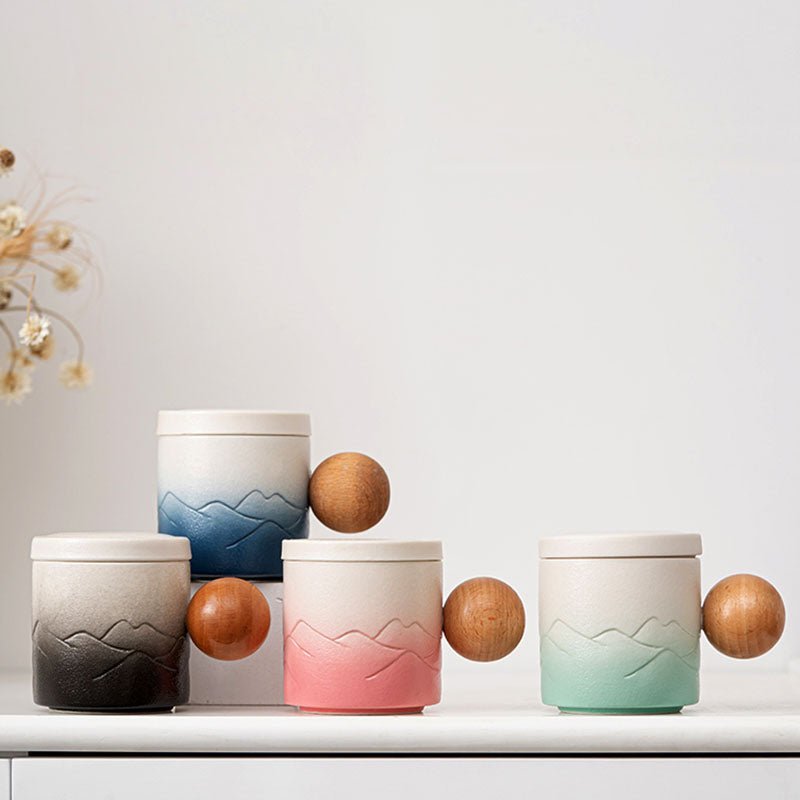
Giant Tea Mug Buying Guide for Size, Comfort, and Daily Use
A practical guide to choosing a giant tea mug that feels right in the hand, holds heat well, and still works on a desk, in a dishwasher, and as a gift.
Leer másGiant Tea Mug Buying Guide for Size, Comfort, and Daily Use
A practical guide to choosing a giant tea mug that feels right in the hand, holds heat well, and still works on a desk, in a dishwasher, and as a gift.
Leer más
Dejar un comentario
Este sitio está protegido por hCaptcha y se aplican la Política de privacidad de hCaptcha y los Términos del servicio.