
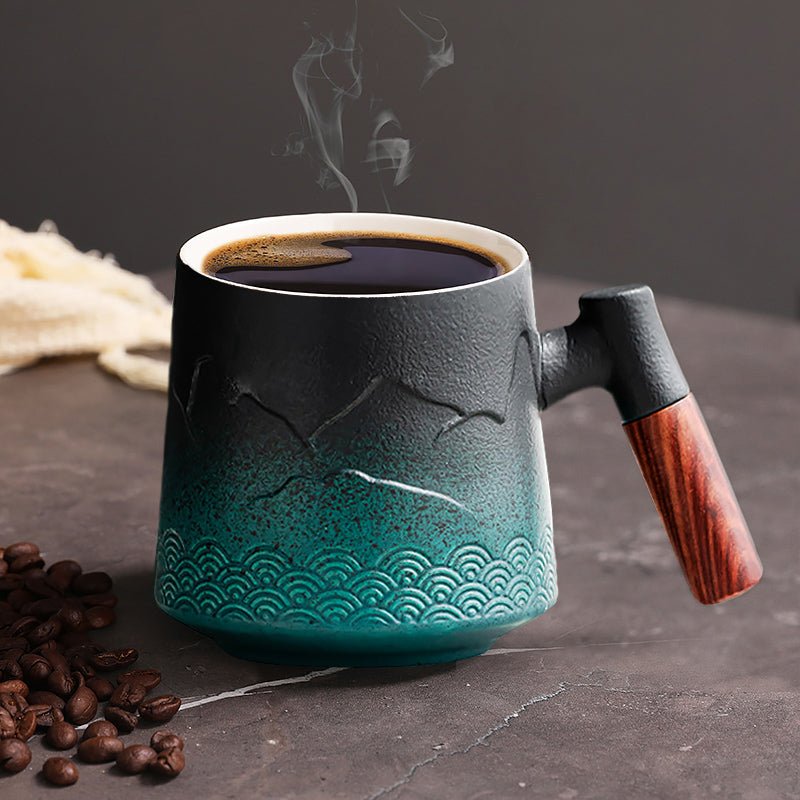
Insulated Coffee Mugs with Handles: What Buyers Should Check
Reading time: about 9 minutes
A mug can look right on a product page and still feel wrong in the hand. The handle may sit too close to the body, the lid may drip when you take it to a desk, or the base may be too wide for a crowded kitchen shelf.
That is why we treat insulated coffee mugs with handles as a comfort-and-function purchase, not just a style choice. In our store, we see shoppers choose these mugs for office desks, morning routines at home, and gift boxes where the first hand feel matters as much as the finish.
If you are comparing options, start with the basics. A good handled insulated mug should combine double-wall vacuum insulation, a stable handle, and a lid that seals cleanly enough for normal carry between rooms. If you want to browse our current assortment first, start at our products page or the full collection.
Why choose a handled insulated mug instead of a standard tumbler?
The handle changes the daily experience more than many shoppers expect. A handled mug is easier to grip with a full cup, especially if you drink coffee slowly at a desk, read at the kitchen table, or prefer a larger body that would otherwise feel hot or awkward to hold.
There are trade-offs. The handle adds width, so these mugs are usually less convenient for tight car cupholders, narrow backpack pockets, and small appliance shelves. If your coffee routine is mostly commute-first, an insulated travel mug may be the better fit. We cover that comparison in Insulated Travel Coffee Mugs: How to Choose the Right One.
Where handled insulated mugs make sense:
- Desk use, where you want a stable cup with a comfortable grip.
- Home use, especially on cold mornings when bare stainless steel or ceramic can feel uncomfortable.
- Gift buying, because the handled silhouette feels familiar and practical to most coffee drinkers.
- People who want insulation but do not like lifting a hot cup by the body.
What materials and build details should you check first?
We look at build quality before color or style. The details below tell you more about long-term satisfaction than the photos do.
| Detail | What to check | Why it matters |
|---|---|---|
| Body material | Stainless steel is the usual standard for insulated mugs | It resists taste transfer better than many plastics and holds up well to regular use |
| Insulation | Double-wall vacuum construction | It helps keep coffee hot longer and reduces condensation on the outside |
| Lid | Secure-fit lid with a drink opening that closes cleanly | A loose lid turns a desk mug into a spill risk |
| Handle attachment | Solid, comfortable weld or molded connection | A weak handle is one of the first places a mug can feel flimsy |
| Finish | Powder coat or durable exterior finish | Better grip and better resistance to everyday scuffs |
Concrete details matter here. A 12 oz mug feels compact and stable beside a laptop, while a 16 oz mug usually gives you more room for milk or a longer pour. A 20 oz version makes sense if you want fewer refills, but it also takes up more space on the counter. If you are choosing between capacities, our size-specific guides for 12 oz coffee mugs, 16 oz coffee mugs, and 20 ounce coffee mugs break down the fit questions we hear most often.
One common defect mode we watch for is a lid that looks secure but still leaks from the drink opening when tipped. Another is a handle that feels fine empty but becomes awkward once the mug is full. If you are shopping by spec alone, those are the first two things to verify.
Which size should you buy for your routine?
Size is where many buyers get stuck. The right capacity depends on how you actually drink coffee, not just how much coffee you can pour.
- 8 oz: Best for a short drink, a strong pour, or anyone who prefers a smaller morning serving. We also cover this format in our 8 oz coffee mugs guide.
- 12 oz: A practical middle ground for black coffee or a smaller latte at a desk. This is often the easiest size to hold comfortably if you want the handle without a bulky body.
- 16 oz: A common everyday choice for people who want one mug to handle drip coffee, tea, and milk-based drinks without constant refills.
- 20 oz: Better for long work sessions, big pours, or if you like room for cream and ice. It is less compact, so check your shelf and cupholder fit first.
Our advice is simple. If you mostly drink at home and want comfort, 12 oz or 16 oz usually makes the most sense. If you are buying for a commuter first, a handled mug may not be the best format at all. That is where a slim travel design can outperform it.
If you want a quick comparison of the trade-offs, ask three questions before you buy: how much coffee you actually drink, where the mug will sit most often, and whether the handle or footprint matters more in your space.
How should you clean and care for an insulated mug with a handle?
Care is straightforward, but there are a few details worth knowing. We recommend checking the specific product instructions first, because finish and lid components can vary by model.
In normal use, the body usually handles daily coffee well, but the lid deserves more attention. Coffee oils, milk residue, and small grounds collect in drinking channels and sliding closures. If a lid has removable parts, take them apart and wash them fully. A quick rinse is not enough if you use the mug for lattes or flavored drinks.
Practical care steps we suggest:
- Wash the lid after each day of use, especially if the mug held milk, sugar, or syrup.
- Use a soft sponge rather than an abrasive pad to protect the exterior finish.
- Dry the mug fully before storing it to reduce lingering smell and moisture in the lid area.
- Avoid microwaving stainless steel insulated mugs.
- Do not assume the handle itself can hide poor cleaning; spills can collect where the handle meets the body.
Dishwasher use depends on the specific product. Some bodies may be dishwasher safe, but lid seals and decorative finishes often last longer with hand washing. If you are buying a gift, that is worth checking before checkout. A mug that is easy to clean gets used; one that is fussy gets left on the shelf.
What should you expect from these mugs in real daily use?
In our experience, insulated coffee mugs with handles perform best in slow, steady routines. They are strong on desk use, breakfast tables, and weekend lounging. They are not the best fit for fast-moving commutes, backpack carry, or situations where the mug will be rattled around with keys and electronics.
That does not make them a compromise product. It makes them a specific product. When the use case matches, the experience is better than a plain ceramic mug because the drink stays comfortable longer and the exterior is less likely to feel hot or sweaty.
What they are not good for:
- Long walks or car commutes where you need a narrow profile.
- Microwave heating, since insulated stainless steel is not meant for that.
- Very tight storage spaces, because the handle increases the footprint.
- Rough packing with other items, unless you use a case or separate compartment.
This is also where finish quality matters. A powder-coated exterior can improve grip, but it may show wear over time if dragged across hard surfaces or stacked carelessly in a sink. A brushed stainless finish is often easier to live with, though it may not feel as tactile in the hand. There is no single best version for everyone.
If you are still deciding, our article Insulated Coffee Mugs: How to Choose Heat, Lid, and Size is the best next read because it connects the three decisions that actually affect satisfaction.
How do you compare options before buying?
Use a short checklist. It keeps the decision practical and stops you from getting distracted by finish colors or vague marketing claims.
- Confirm the capacity you will actually use most days.
- Check whether the handle feels comfortable for your hand size.
- Look at lid design and whether it is meant for sip-and-set use or more active carry.
- Verify care instructions, especially for dishwasher use and lid disassembly.
- Think about where the mug will live: desk, kitchen counter, office shelf, or gift drawer.
If you want a handled mug because you like a real grip and a more familiar coffee-cup feel, that is the right reason to buy one. If you want maximum portability, a slimmer insulated travel mug may fit your routine better. That distinction saves disappointment later.
For shoppers comparing our current options, the fastest path is to review the full collection, then narrow by size and use case. That is usually the cleanest way to find a mug that feels good on day one and still feels right after a month of daily coffee.
Frequently asked questions
Are insulated coffee mugs with handles good for desk use?
Yes. They are one of the best formats for desk use because the handle makes the mug easy to lift without gripping a hot body, and the insulation helps coffee stay pleasant longer during slow sipping. They are less ideal if you need constant portability between meetings or floors.
Will a handled insulated mug fit in a car cupholder?
Some will, but many will not fit well because the handle adds width. Measure the base and compare it to your cupholder before buying if car use matters. If portability is the main goal, a slimmer travel mug is usually the safer choice.
What size insulated mug with a handle should I buy?
For most coffee drinkers, 12 oz or 16 oz is the safest starting point. Choose 12 oz for a smaller, more compact feel, and 16 oz if you want room for milk, tea, or a larger pour. Go to 20 oz only if you know you want the extra capacity and can live with the larger footprint.
Can I put an insulated stainless steel mug in the microwave?
No. Stainless steel insulated mugs should not go in the microwave. If you need reheating flexibility, a ceramic mug is the better choice, though it will not offer the same insulation performance.
How do I keep the lid from smelling like coffee?
Wash the lid fully after use and separate any removable seals or gasket parts if the design allows it. Coffee oils and milk residue build up in the drinking channel and around the seal, so a quick rinse is usually not enough. Dry the lid completely before storing the mug.
If you want a simple next step, compare your preferred capacity, lid style, and care routine, then browse our full collection or start with the size guides linked above. That gives you the fastest path to the right insulated coffee mugs with handles for your daily routine.
More from our blog
Read more
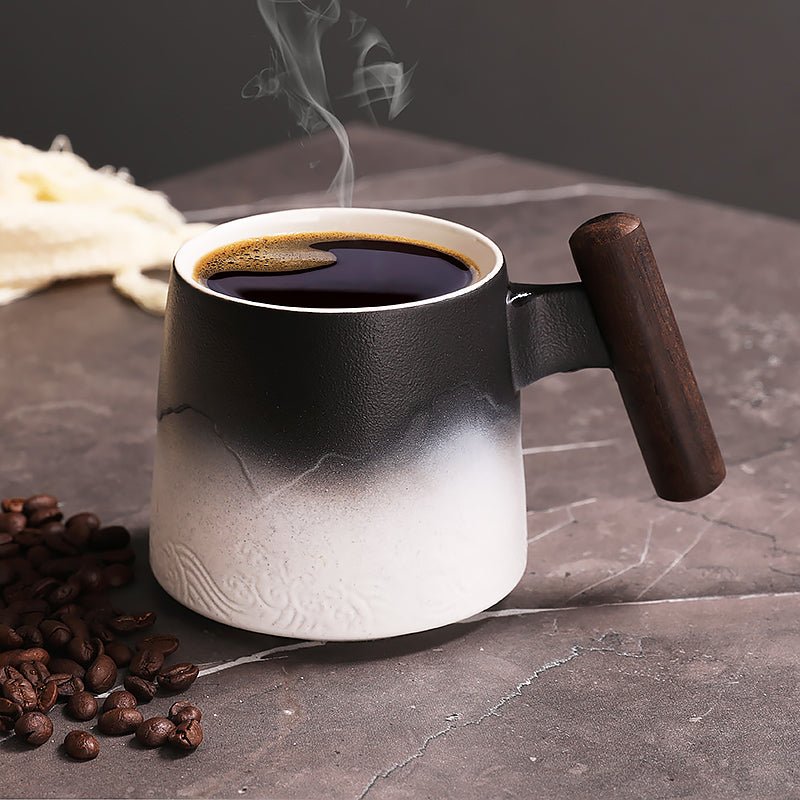
Custom Picture Coffee Mugs: What Buyers Should Check Before Ordering
A practical guide to custom picture coffee mugs that covers photo quality, mug material, print finish, care, and the trade-offs that matter before you buy.
Leer más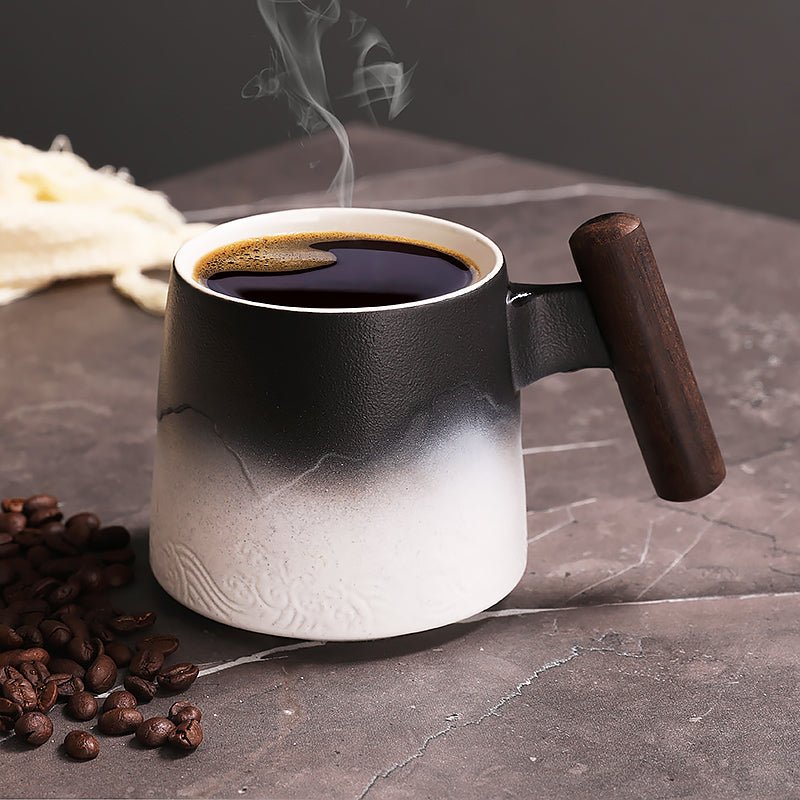
Photo Coffee Mug Buying Guide: What to Check Before You Order
A photo coffee mug looks simple until you compare print quality, mug size, and care instructions side by side. This guide covers the practical checks we use in our store before recommending one for...
Leer más
Dejar un comentario
Este sitio está protegido por hCaptcha y se aplican la Política de privacidad de hCaptcha y los Términos del servicio.